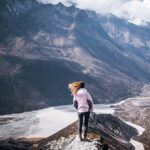
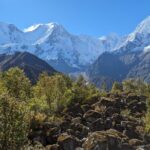
Yoga plus serious mountain steps. That mix is the hook. This 15-day Annapurna Base Camp trek stands out because you get daily yoga classes and big Himalayan viewpoints without having to plan flights, transfers, or the details yourself.
Two things I like a lot: the structure that keeps your body and mind working together, with morning/evening yoga plus pranayama and meditation, and the way the route builds toward classic panorama moments like Poon Hill and the real payoff at ABC. The trek also leans into local life, including dinner with an ethnic family in Ghandruk, not just check-the-box scenery.
The only real consideration is that this is still a trekking program on mountain trails—so you’ll want moderate fitness and hiking experience, especially on days with steeper climbs and long walking hours. Also, the trip depends on good weather, so don’t assume every summit-style view day runs perfectly on schedule.
In This Review
- Key takeaways before you go
- Why this Annapurna Base Camp trek feels different than a normal trek
- Kathmandu: acclimate your body and your schedule
- The Pokhara transfer day that doubles as a scenery warm-up
- From Nayapul to Tikhedhunga: start where the trail really begins
- Ghorepani and the rhododendron trail build-up
- Poon Hill sunrise: the payoff is real because it comes early
- Chhomrong: where villages meet the main mountain drama
- Down to Chhomrong Khola, up toward Sinuwa, then to Dobhan
- Hinko Cave, wildlife notes, and Machhapuchhre’s Fish Tail view
- Annapurna Base Camp: the day you came for
- ABC backtracking to Sinuwa: descent can be tricky too
- Sinuwa to Ghandruk: forest walking and a real cultural stop
- Finish to Pokhara via Birethanti and Nayapul
- Back to Kathmandu for free time and simple shopping
- Price and logistics: what $2,133.34 really covers
- The yoga part: how it helps on a tough trail
- Who this tour fits best (and who should think twice)
- Should you book this Annapurna Base Camp yoga trek?
- FAQ
- FAQ
- Where does the trek start and end?
- How long is the experience?
- What’s included in the price?
- Is pickup offered and do I get a ticket?
- What fitness level do I need?
- How big is the group?
- What are the main highlights along the route?
- What is not included that I should plan for?
- How does cancellation and refund work?
- When will I be leaving Nepal?
Key takeaways before you go
- Daily yoga + meditation on trail days: morning and evening sessions help you recover mentally and physically
- Poon Hill sunrise (3,210 m): a classic viewpoint built into the itinerary
- Machhapuchhre close-up moments: you get a strong view of Fish Tail as you hike
- Ghandruk cultural dinner: Gurung community experience through a home-hosted meal
- Guided logistics with a small group: max 20 travelers, organized transfers and guided rhythm
- Value-focused inclusions: 15 nights, breakfast, trekking fees, and transport are handled for you
Why this Annapurna Base Camp trek feels different than a normal trek
Most Annapurna Base Camp treks are about walking and scenery. This one adds a daily yoga and meditation routine that changes how you handle the day. Instead of treating yoga like a bonus class, you’re practicing breath control and mindful movement to match the pace of the trail.
I also like the simple fact that you’re not doing the logistics yourself. Someone else arranges hotels, transport legs, and the trek flow between towns. Even the welcome dinner in Kathmandu is part of that early “you’re taken care of” feeling.
You can also read our reviews of more tours and experiences in Kathmandu.

Kathmandu: acclimate your body and your schedule
Day 1 is built around settling in. You arrive in Kathmandu, get your hotel arranged, and either rest or go shopping before a welcome dinner organized by the office. It’s a good first day because Annapurna trekking goes better when you’re not stressed about where to sleep or how to organize basics.
Day 2 is where the yoga tone sets in. You’ll do yoga in the morning before breakfast. In the evening, you practice pranayama and meditation—an ideal pairing after travel sleep and before you start stacking hiking days. The program keeps the yoga grounded in routine, not random add-ons.
If you’ve done yoga on vacation before, you’ll probably notice the difference here: you’re doing it with mountain rhythm in mind, so you can feel your body working on both breath and effort.
The Pokhara transfer day that doubles as a scenery warm-up
On Day 3, you ride from Kathmandu to Pokhara by bus, about 7 hours. That day isn’t a trek day, but it’s not wasted time either. The drive is your first long look at Nepal’s mix of villages, forests, and mountains before you trade roads for trail.
When you reach Pokhara, you move straight to a hotel for the night. For many trekkers, Pokhara acts like a reset button: you eat normally, sleep in a proper bed, and mentally switch from city to trail mode.
You should plan to use this day for practical prep—checking footwear, tightening any gear plans, and getting comfortable with the idea that the days ahead will be less about comfort and more about consistent movement.
From Nayapul to Tikhedhunga: start where the trail really begins
Day 4 starts with transport from Pokhara toward the trek gateway. You drive about an hour to Nayapul, then trek from Birethanti, near the Modi Khola River, up toward Tikhedhunga. The itinerary notes a slightly steep section, and that matters because it’s your first test of climbing stamina after the easy city-to-road days.
Tikhedhunga is a typical mountain stop—small enough to feel like a village corridor, but structured enough to support trekkers. You’ll overnight there, which also helps you avoid trying to cover too much on the first trekking day.
If you tend to go out too fast when you feel good, this is where you’ll want to pace yourself. The earlier days set your body’s habits for later climbs.
Ghorepani and the rhododendron trail build-up
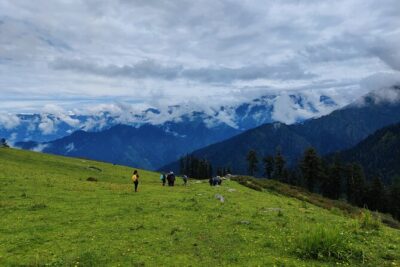
Day 5 pushes you toward Ghorepani. The walk goes through rhododendron and oak forests, with stream crossings along the way, and you’ll stop for lunch at Nangethanti (2,460 m). The last leg to Ghorepani is an easing into the higher trekking zone rather than a sudden jump.
Ghorepani is also a good “base town” because it sets you up for a sunrise experience next. You’ll overnight here, and you’ll feel the daily routine shift from daytime walking to early-morning viewpoint energy.
Day 5 is the kind of day where you’ll likely enjoy the variety—forest shade, river crossings, and changing trail texture—because you’re not just climbing straight up.
Poon Hill sunrise: the payoff is real because it comes early
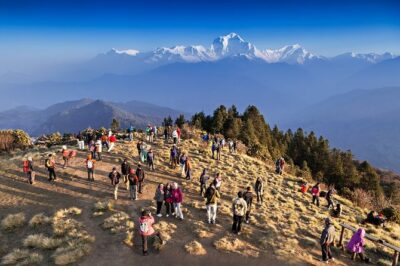
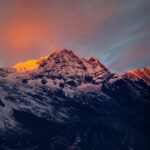
Day 6 is your Poon Hill sunrise morning. You’ll head out early to reach Poon Hill (3,210 m) and enjoy sunrise views of the mountains, then return to Ghorepani. After that, you start trekking onward to Tadapani.
The trail from Ghorepani toward Tadapani is described as steep through pine and rhododendron forests, and you’ll take lunch at Deurali (2,960 m). Then the route continues downward and you overnight in Tadapani.
This is one of the best designed parts of the itinerary because it pairs an early viewpoint mission with a full day of movement afterward. You get the big image moment, then you keep the momentum going rather than stopping everything for the rest of the day.
Chhomrong: where villages meet the main mountain drama
Day 7 moves you toward Chhomrong. You trek from Tadapani to Chhomrong village, described as the base area where Himal Chuli begins and as the last permanent settlement of the valley. That’s the kind of detail that helps you understand why this stop feels meaningful—you’re not just staying somewhere, you’re arriving at a place with real valley life.
Chhomrong is a strong waypoint for views and for the sense that you’re getting closer to the core of Annapurna trekking. Overnight here also gives your body a chance to recover before the route shifts toward Deurali and eventually ABC.
Down to Chhomrong Khola, up toward Sinuwa, then to Dobhan
Day 8 begins with descent toward Chhomrong Khola, then climbing toward Sinuwa. From there, you continue along the upper Modi Khola valley, take lunch in that area, and then walk through the forest to reach Dobhan for overnight.
This is the kind of day that feels like “up and down work,” and that’s normal on Annapurna. The value of having yoga sessions here is that you’re practicing breath and body awareness when your legs are learning a new pattern.
If you’re the type who gets mentally frustrated by constant elevation change, treat the yoga breathing practice as a tool—not a nice idea.
Hinko Cave, wildlife notes, and Machhapuchhre’s Fish Tail view
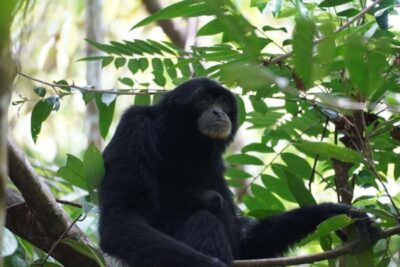
Day 9 is a key transition day. You trek from Dobhan toward Deurali, passing Hinko Cave at around 3,100 m. The itinerary also calls out chances to see wildlife like deer, jackals, and peacocks, plus you get close views of Machhapuchhre, the Fish Tail mountain.
Then you overnight in Deurali. This is a good setup because it places you at the doorstep of Annapurna Base Camp territory, and it lines up with the way mountain views often start feeling sharper and more intense here.
One practical point: wildlife sightings are never guaranteed, but if you like nature details, this is the day where you might slow down a bit and look up from your feet.
Annapurna Base Camp: the day you came for
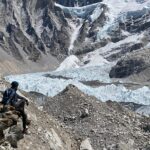
Day 10 is when you start trekking from Deurali to Annapurna Base Camp, staying overnight at ABC. The itinerary emphasizes that the area is surrounded by mountains and that you get a very real view from here.
This is also where daily yoga and meditation can pay off psychologically. Trekking at altitude isn’t just about lungs; it’s about how you manage your attention when fatigue hits. A steady practice can help you enjoy the moment instead of just surviving it.
Because the program depends on good weather, you should expect that cloud cover can change how the mountains look. Still, even when visibility isn’t perfect, ABC is usually the emotional highlight of the trip.
ABC backtracking to Sinuwa: descent can be tricky too
Day 11 heads from Annapurna Base Camp to Sinuwa. The route is a descent, which might sound easy, but long downhill walking can be harder than it looks on your knees and calves. This is where you’ll likely appreciate yoga stretching and mindful movement, even if you only use it to keep your stride smooth.
You’ll take lunch on the way and overnight in Sinuwa.
Sinuwa to Ghandruk: forest walking and a real cultural stop
Day 12 is another walking day that still feels “different.” You trek toward Ghandruk, and the route is covered by forest. Ghandruk is known for its Gurung culture, with its own traditions, language, dress, and lifestyle.
The highlight here is the dinner arrangement: you’ll have dinner in the house of a Gurung ethnic family in Ghandruk. That’s a strong difference-maker versus generic tea-house stops. It also gives you a more human connection to the valley communities you’ve been passing for days.
Overnight is in Ghandruk.
Finish to Pokhara via Birethanti and Nayapul
Day 13 marks the end of the main trek segment, going from Birethanti to Nayapul and then driving to Pokhara. It’s a satisfying transition day: you’re done with the daily hill rhythm, and you can breathe a bit more.
The itinerary notes that you may celebrate completing the trek, and then you overnight in Pokhara at a hotel. This is a good moment to reflect without rushing, because tomorrow brings the long drive back to Kathmandu.
Back to Kathmandu for free time and simple shopping
Day 14 takes you from Pokhara to Kathmandu by drive, about 7 hours. The route includes scenery from the window as you return to city life. When you arrive, you get free time and a chance to shop for Nepal items you can bring home.
Day 15 is your departure day. The program ends with travel to Tribhuval International airport so you can leave Nepal and continue your journey.
Price and logistics: what $2,133.34 really covers
At $2,133.34 per person for a roughly 15-day trip, the value here comes from what’s handled for you and what’s included. You get 15 nights’ accommodation, daily breakfasts, and the daily yoga classes. You also get transport support: domestic flights and overland travel are included as part of the program, plus trekking fees.
Even better, the cost includes applicable fees for the trekking area, national park, and conservation areas. That’s a real “hidden admin” cost for many independent trekkers.
What you should budget separately: visa fees, medical insurance, and airport taxes, plus personal meals beyond breakfast. You’ll also need a sleeping bag and cover your own costs for things like phone calls, laundry, battery recharge, and emergency evacuation charges if they apply.
One more small but important note: the program data says they don’t offer tips for guides and porters. In plain terms, if you like good service, plan to tip appropriately in your budget.
The yoga part: how it helps on a tough trail
This trek is sold as a yoga trekking experience, and the schedule supports that idea. You’ll do morning and evening yoga sessions daily, and you also practice pranayama and meditation on at least one of the early Kathmandu days. That means you’re not just stretching once to feel good; you’re doing breath and recovery work built into the rhythm of walking.
From the experience feedback I’m seeing reflected in the program, the strongest emotion comes from practicing meditation after long walking days and doing yoga in natural settings. One named guide in the feedback is Manoj, praised for professionalism and making the trip comfortable. Owner/operator Tirtha also gets credit for caring support from the spiritual background side of the program.
That matches what you’re trying to get: not just a physical trek, but a calmer mind while your body is working.
Who this tour fits best (and who should think twice)
This is ideal for fit, outdoor-loving hikers with hiking experience. The trek includes multiple village-to-village stages, steep portions early and later, and a full day at ABC with significant walking. If you want a rest-only vacation, this won’t match your idea of relaxing.
It can work well for yoga-focused travelers too, as long as you still respect the reality that it’s an active mountain trek. The yoga will support you, but it won’t turn steep trail days into spa days.
A bonus fit if you like groups of up to 20 people. Smaller groups tend to keep the pace coherent and make it easier to manage the flow between towns.
Should you book this Annapurna Base Camp yoga trek?
If you want Annapurna Base Camp but also want structure—daily yoga, guided planning, and transport/fees handled—this is a strong choice. The combination of yoga practice, mountain viewpoints (including Poon Hill sunrise), and a cultural stop with a Gurung family dinner is a well-balanced recipe for both body and mind.
I’d book if:
- you can handle real trekking days and want yoga as part of recovery
- you prefer guided logistics instead of self-planning hotels, permits, and transfers
- you value cultural interaction, not only viewpoints
I’d think twice if:
- you’re sensitive to steep walking days or long transit days
- you want a trip that’s fully flexible regardless of weather (this one depends on good weather)
If you go in with moderate hiking fitness and realistic expectations about altitude days and trail work, you’ll likely come home with both stronger legs and calmer routines you can actually keep using.
FAQ
FAQ
Where does the trek start and end?
The trip starts in Kathmandu, Nepal, at Kathmandu 44600, and it ends back at the meeting point.
How long is the experience?
The program is listed as 15 days (approx.).
What’s included in the price?
The inclusions listed are accommodation (bed and breakfast), trekking-related fees (including national park and conservation), daily yoga classes (morning/evening as per the itinerary), domestic flights during the trek, and overland transport, plus breakfasts for 15 days.
Is pickup offered and do I get a ticket?
Pickup is offered, and a mobile ticket is included.
What fitness level do I need?
The tour says travelers should have moderate physical fitness level, and it’s ideal for fit, outdoor-loving travelers with hiking experience.
How big is the group?
The maximum group size is 20 travelers.
What are the main highlights along the route?
The itinerary highlights include daily yoga and meditation, Poon Hill sunrise, the trek through forested sections toward Ghorepani, close-up mountain views including Machhapuchhre, reaching Annapurna Base Camp, and a cultural dinner in Ghandruk with a Gurung ethnic family.
What is not included that I should plan for?
Not included are visa fees, medical insurance, airport tax, meals beyond the provided breakfasts, personal sleeping bags and bags, and costs related to emergency evacuation, among other personal expenses. International flights are also not included.
How does cancellation and refund work?
You can cancel up to 6 days in advance for a full refund. Cancel 2–6 days before for a 50% refund, and cancel less than 2 days before for no refund. Weather-related cancellation may result in either a different date or a full refund.
When will I be leaving Nepal?
The trip ends on Day 15 with departure from Tribhuval International airport so you can leave Nepal.