REVIEW · CATANIA
Special trekking on the most authentic and wild side of Etna
Book on GetYourGuide →Operated by Guide Vulcanologiche Etna Nord · Bookable on GetYourGuide
The north side of Etna feels raw. This special trek goes off the usual tourist route, focusing on fractures, caves, and craters on Etna’s less-frequented north slope. You’ll be walking with a volcanological guide authorized to lead on active volcanoes, following Civil Protection risk communications.
What I like most is the mix of science and real-world walking: you get a guided explanation at altitude and then you move through the volcanic features on foot. The second big win for me is the helmeted access—stopping at an intact volcanic cone chimney and then exploring crater edges and volcanic ash slopes safely, with the guides setting the pace and boundaries. If you’re the kind of person who likes weathered reality over postcards, this is your kind of Etna day.
One drawback to consider: this is a high-altitude crater-edge trek. If you’re prone to dizziness, you fear heights, or altitude hits you badly, you’ll likely want to skip this one.
In This Review
- Key things I’d circle before you book
- Why Etna’s North Side Trek Feels More Real Than the Usual Route
- The 4×4 Lift + Foot Trek: How the 4 Hours Actually Work
- Chiosco Bar Mareneve Start: Easy to Find, Don’t Rush It
- High-Altitude Observatory Stop: Where the Guide Sets the Rules
- The 2900 m Panoramic Point: Summit Views, Taormina, and the Aeolian Islands
- When Summit Craters Close: Why This Route Still Delivers
- Rift of the North Side: Fractures You Can Feel with Your Eyes
- 1947 Eruption Craters and an Intact Cone Chimney (Yes, You May Enter)
- Crater Edges, Ash Slopes, and Lateral Eruption Trails
- Gear That’s Included vs What You Must Bring
- Who This Is For (Moderately Trained, Not Fear-Friendly)
- Price and Value: What $62.63 Gets You, and What Costs Extra
- The Language and Group Size Factor: Better Numbers for Better Safety
- My Favorite Moment to Anticipate: The Guide Explains What You’re Standing On
- Should You Book This Etna North Trek?
- FAQ
- Where is the meeting point for the Etna north trek?
- How long is the experience?
- Is summit crater access included?
- Do I have to pay extra for the 4×4 transport?
- What is included in the price?
- Is lunch included?
- What should I bring and wear?
- What footwear is not allowed?
- Is the trek suitable for people with claustrophobia or vertigo?
Key things I’d circle before you book
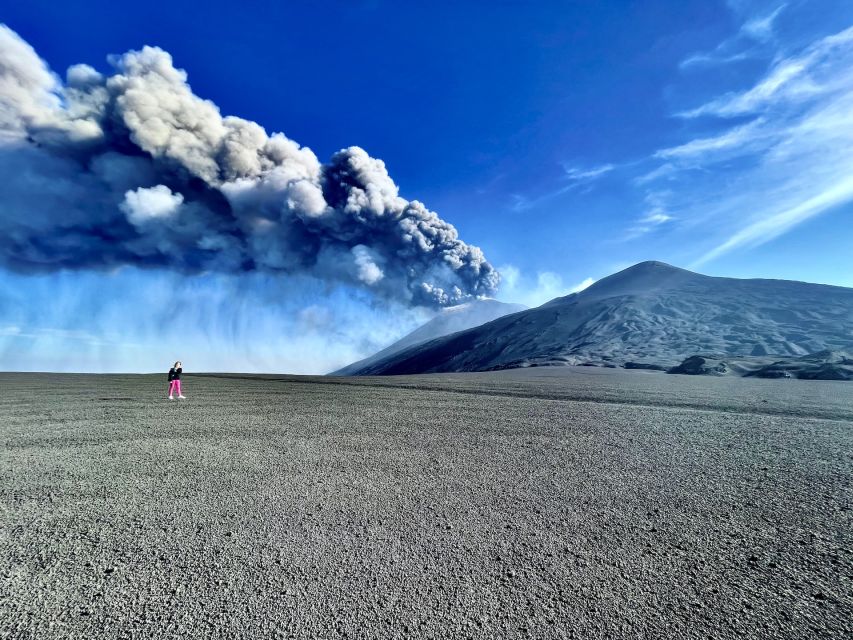
- North slope focus: a quieter side of Etna that’s less crowded than the usual summit areas
- Crater-edge walking: views of Taormina and the Aeolian Islands from a high panoramic stop
- Helmeted volcanic-cone access: you may enter a chimney of an intact volcanic cone
- Faults and fractures on the north side: including the north-side Rift feature and 1947 eruption craters
- Real contingency planning: if summit craters close for volcanic risk, the route is designed as a valid alternative
- Moderate high-altitude hiking: it’s not a casual stroll, even though it’s only about 4 hours
Why Etna’s North Side Trek Feels More Real Than the Usual Route
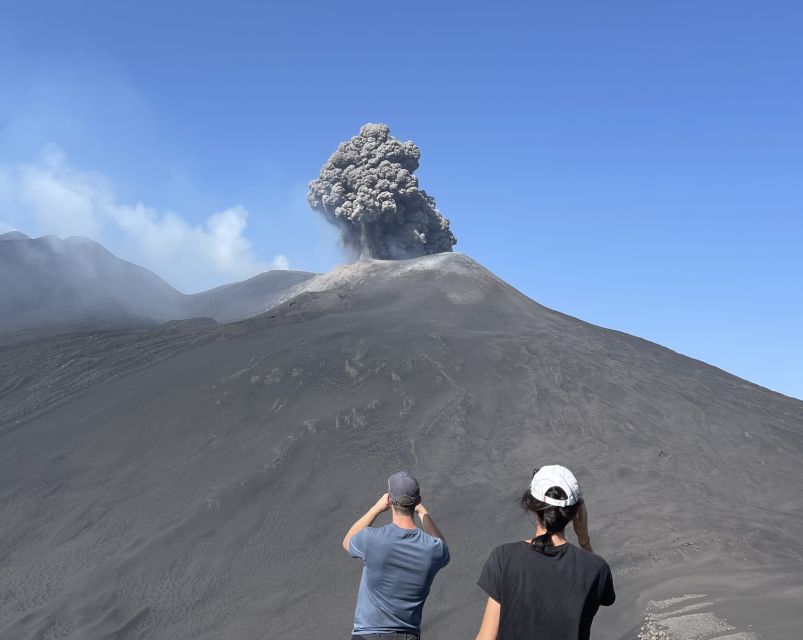
Etna’s famous. So are the crowds near the most “headline” spots. This trek aims for the opposite vibe: the less frequented north side, where the volcano shows its scars in close-up detail.
What makes it interesting isn’t just the big craters. It’s the way the route connects features that tell a story: fractures in the ground, explosive crater edges, and lava-flow pathways. You’re not just looking. You’re walking through the shapes the volcano made, while a volcanologist explains what’s happening and why it matters.
You can also read our reviews of more tours and experiences in Catania.
The 4×4 Lift + Foot Trek: How the 4 Hours Actually Work
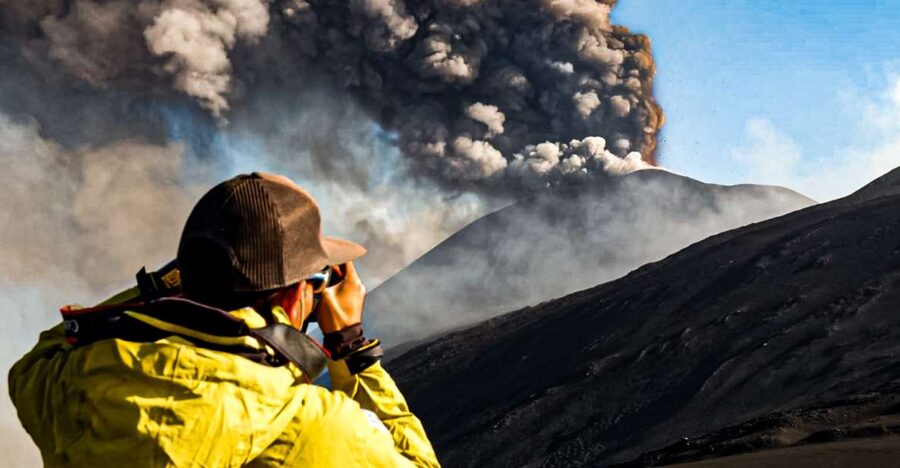
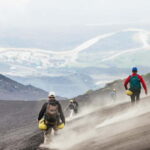
This excursion runs about 4 hours, but the time is split in a way that matters. First, you travel by 4×4 from roughly 1800 m to 2800 m (about 8 km of road total). The point is simple: it gets you to the high-altitude volcanic zone without turning the day into a long uphill grind.
Then you hike. The first walking segment runs from about 2800 m up to around 2900 m, with a planned panoramic stop. After that, you hop back into the vehicle and continue on foot for the longer section on the north-side crater terrain, reaching up to Piano Provenzana, with a total walking route of about 6 km.
Chiosco Bar Mareneve Start: Easy to Find, Don’t Rush It
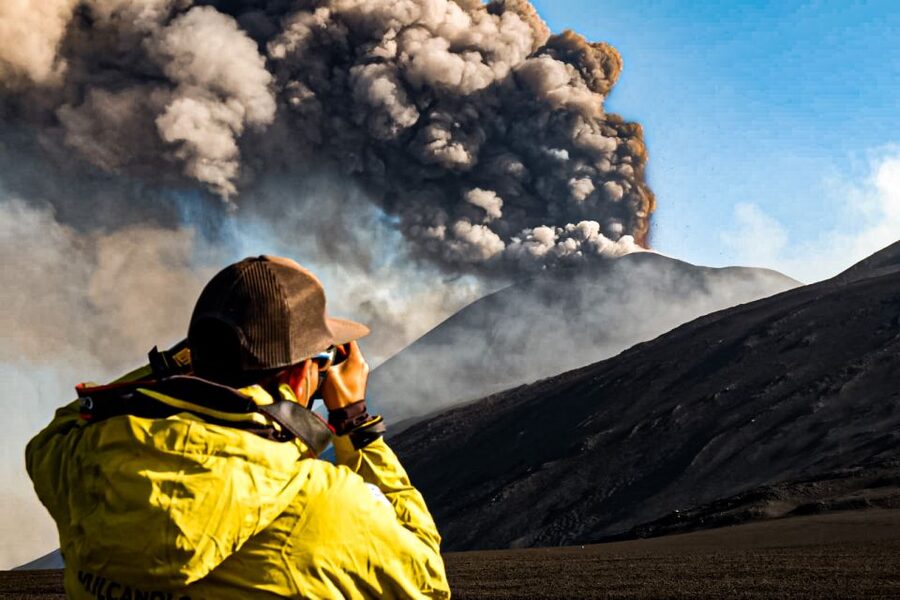
Your meeting point is the Chiosco Bar Mareneve, near the winter chairlift parking area. In the parking lot, it’s the second house of four.
Arrive a bit early so you can get sorted without stress. You’ll be getting ready for cold winds at altitude, and you’ll want a calm start before you put on helmets and warm layers.
High-Altitude Observatory Stop: Where the Guide Sets the Rules
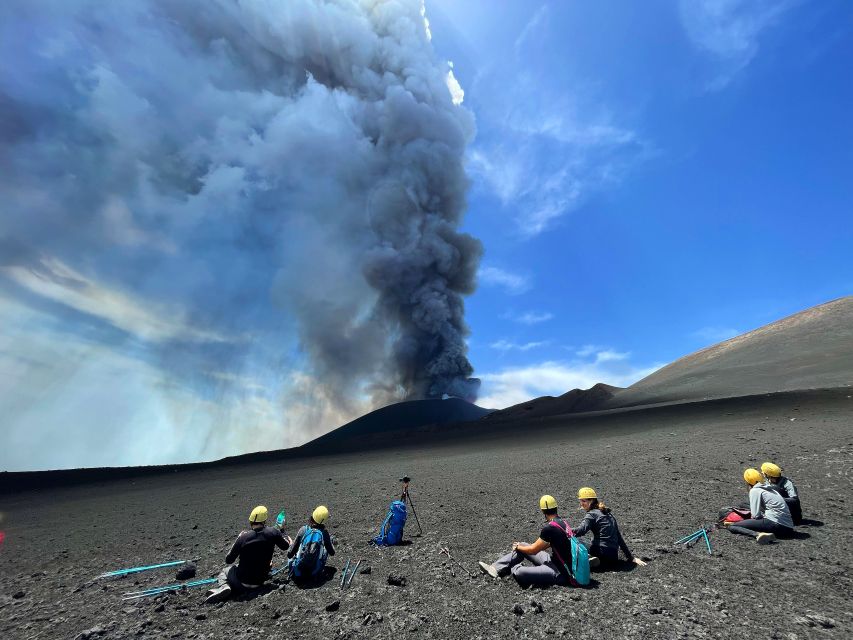
Once you reach the higher altitude area, the volcanological guide starts explaining on board during the ascent. This matters because the day is governed by safety limits tied to volcanic risk levels.
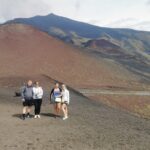
After you arrive at the high-altitude Volcanological Observatory, the first short hike begins. You’ll go from about 2800 m toward 2900 m, with a stop at a panoramic viewpoint. Depending on the weather, you’ll see the summit craters area and recent lava flows from above, plus big Sicily views.
The 2900 m Panoramic Point: Summit Views, Taormina, and the Aeolian Islands
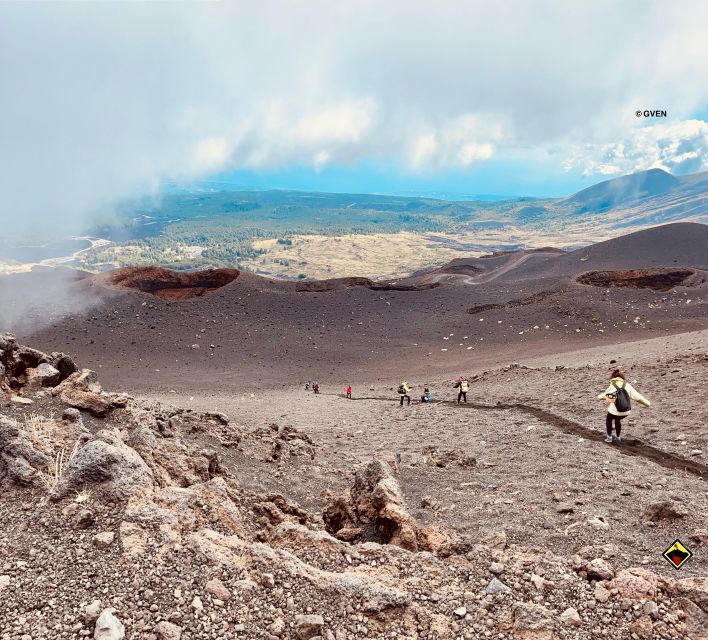
This is one of the more scenic moments of the trek. At about 2900 m, you pause to take in wide views. The highlights specifically include Taormina and the Aeolian Islands, which is a nice reward because you’re looking across water and coastline while still standing on volcanic ground.
Visibility changes day to day. If clouds roll in, you’ll still get the benefit of the guide’s context and the sense of altitude. If visibility is great, this becomes your “okay, this is real” moment.
When Summit Craters Close: Why This Route Still Delivers
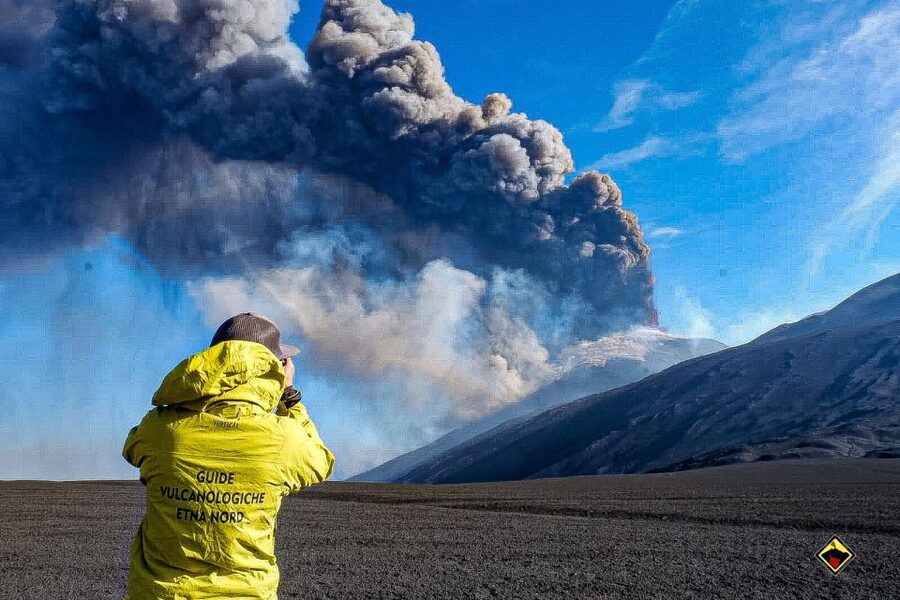
Etna access can change with volcanic risk. The trek is designed as a valid alternative when the Summit Craters are closed to the public.
Instead of feeling like you lost your chance, you’re guided to the highest point safely reachable under the rules. That means the experience still focuses on craters and fractures, just on the north side where it’s possible to operate safely.
In practical terms: this is a smart booking if your schedule is tight and you want something that can adapt.
Rift of the North Side: Fractures You Can Feel with Your Eyes
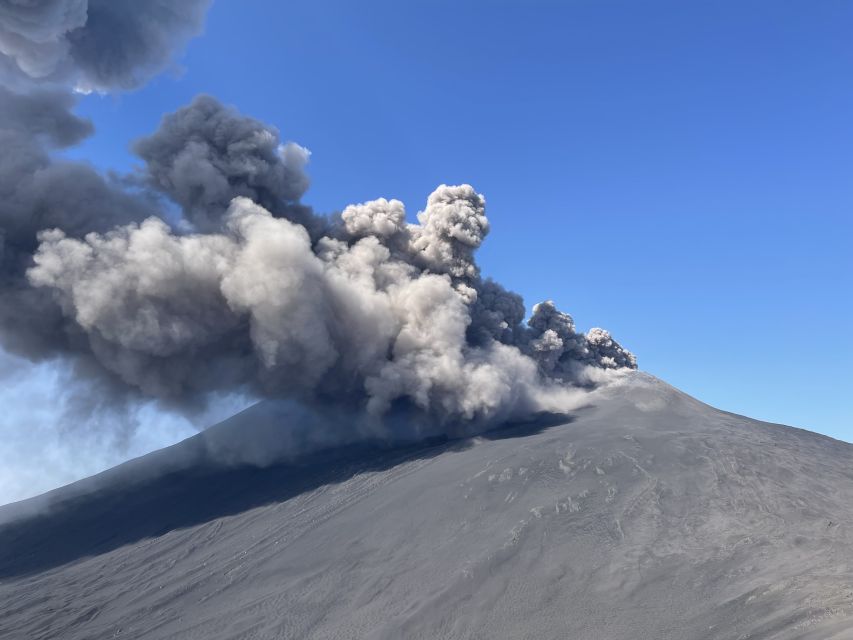
After the first walk and the vehicle transfer, you move toward one of the north-side large craters. Then the longest portion begins on foot back toward the starting area at the planned pace.
One of the key highlights is visiting the Rift of the north side of Etna. This kind of volcanic feature isn’t just dramatic from a distance. Being close to it helps you understand why eruptions can open new paths and why certain cracks and fractures matter for how the volcano breathes.
The guide’s role here is big. They’re trained and authorized to interpret active-volcano communication levels, and they keep you on the safe side of the terrain.
1947 Eruption Craters and an Intact Cone Chimney (Yes, You May Enter)
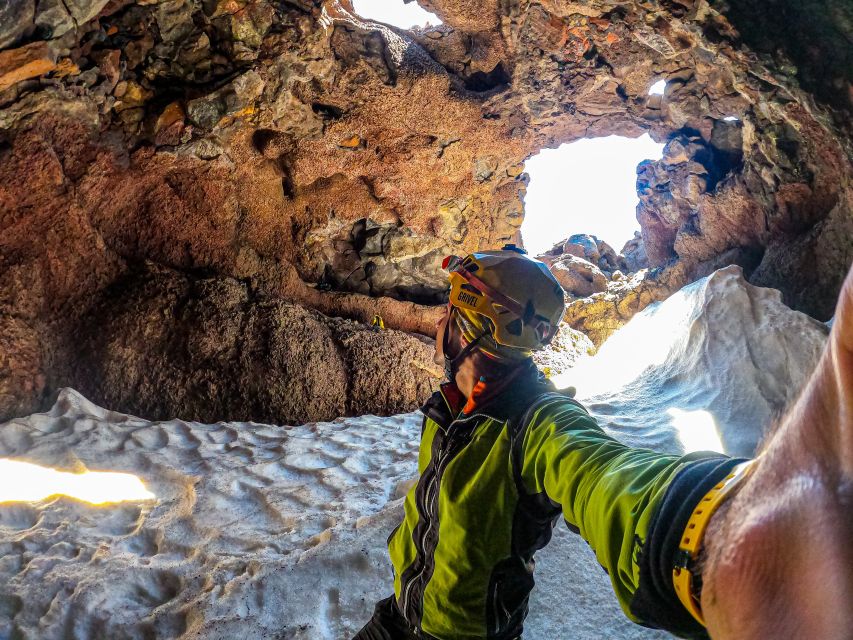
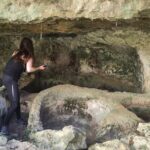
This is the most “hands-on” part of the geology. The route includes the craters of the eruption of February 24, 1947. At times, you’ll enter a chimney of a perfectly intact volcanic cone, using protective helmets.
You’ll also pass by parts tied to where lava flows came from—described as entering the mouths that produced the lava flows. It’s not just sightseeing. It’s a guided look at volcanic supply ducts and how molten material behaved, including a period when magmatic mass boiled.
Claustrophobia is a real concern here, and the trek is not suitable for people with that issue. If you hate tight enclosed spaces, this is where you should think twice.
Crater Edges, Ash Slopes, and Lateral Eruption Trails
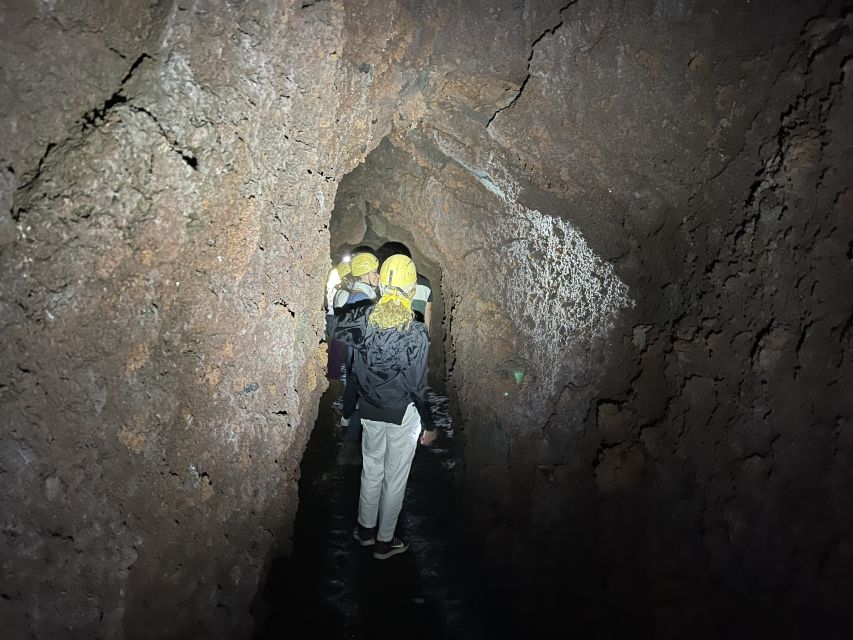
The north-side walking continues along the edges of large explosive craters. You’ll experience descents made of volcanic ash slopes, which can feel loose and slightly tricky underfoot. This is also where the walking becomes more about technique than speed.
The route passes through craters created by innumerable lateral eruptions with dates listed across multiple eruptions, including 1914, 1924, 1809, 1874, 1879, 1911, 1923, 1974/75, and more recent activity after 2002.
Why this matters: these craters and paths show how Etna doesn’t just erupt at one “main” point. It opens along different lines, and you’re literally walking those consequences.
Gear That’s Included vs What You Must Bring
This trek is set up with practical support. Included items are trekking poles, protective helmets, warm jackets, extra socks, a backpack, and accident insurance. Trekking shoes are also listed as included.
Still, you should treat footwear seriously. The rules state that without adequate shoes, you are not covered by insurance. So even if shoes are provided, wear long pants and put comfort first.
What you should bring yourself:
- Windbreaker
- Sunglasses
- Sunscreen
- Packed lunch
- Snacks and drinks
- Comfortable layers and a jacket
- Long pants
- Comfortable clothes for cold wind and shifting conditions
Also note the not-allowed list: no sandals or flip flops, no open-toed shoes, and no alcohol in the vehicle.
Who This Is For (Moderately Trained, Not Fear-Friendly)
This is for moderately trained hikers. It’s high altitude, and it includes crater-edge walking and descents over volcanic ash slopes. If you don’t have much hiking experience, you may find it too demanding.
It’s also not suitable for a long list of health and comfort constraints, including:
- People with claustrophobia
- People afraid of heights or with vertigo
- People with back problems, heart problems, respiratory issues, or epilepsy
- People with altitude sickness
- People with recent surgeries
- People with low fitness
- People over 95 years
- People with mobility impairments
If you’re on the fence, I’d honestly think about your comfort with exposure and tight spaces first. This isn’t “just walk around a viewpoint.” It’s a crater-focused day.
Price and Value: What $62.63 Gets You, and What Costs Extra
The listed price is $62.63 per person, and that covers the authorized volcanological guide service. It does not cover the 4×4 transport portion.
You pay 50 euros per person on the spot for the 4×4 vehicle segments:
- from 1800 m to 2800 m
- and from 2800 m to 2500 m
On top of that, there’s a parking ticket cost of 3 euros paid after the excursion. Lunch is also not included.
So is it good value? For me, it makes sense if you care about:
- being guided by an authorized volcanologist
- walking crater terrain with safety boundaries based on risk levels
- getting helmeted access to volcanic-cone structures
- having gear provided (especially warm layers and helmets)
You’re paying for access and expertise, not just steps on a trail. If you only want a low-effort viewpoint hike, the extra 4×4 cost may feel steep.
The Language and Group Size Factor: Better Numbers for Better Safety
The guide is available in French, Italian, and English. Groups are also distributed based on language and participant number to avoid large groups.
There’s a minimum participation rule: the activity requires at least 8 participants total. If the minimum isn’t met, the trek can be canceled.
If you’re sensitive to long waiting, arriving on time at the meeting point helps. Once you start, the pacing and safety explanation are built into the format.
My Favorite Moment to Anticipate: The Guide Explains What You’re Standing On
One review highlight that stuck with me is how the guide named Ciccio provided lots of scientific and historical explanation during the hike, including careful commentary around the eruption mechanism while you stop at the cone area.
That’s the real value here. The features are dramatic, but you get the meaning too—why fractures form, what a cone chimney tells you, and how lava pathways connect to the ground you’re walking on.
When the guide links what you see with what you’re doing next, the whole day clicks.
Should You Book This Etna North Trek?
Book it if you want wild north Etna, guided crater walking, and a volcanologist who leads you through both the science and the difficult terrain. It’s a great fit for hikers who like learning while moving, and who are comfortable with high altitude and exposure at crater edges.
Skip it if you’re claustrophobic, afraid of heights, have vertigo, or think “active volcano” would make you nervous rather than curious. Also skip if you don’t have hiking shoes that you trust or you can’t handle cold wind and loose volcanic surfaces.
If summit areas are off-limits on your dates, this is exactly the kind of alternate plan that still gets you close to Etna’s real face.
FAQ
Where is the meeting point for the Etna north trek?
You meet at Chiosco Bar Mareneve, near the winter chairlift area in the parking lot. It’s the second house of four in that parking area.
How long is the experience?
The duration is about 4 hours. Starting times can vary, so you should check availability for the exact times offered.
Is summit crater access included?
The route is described as a valid alternative if summit craters are closed due to volcanic risk. You may reach the highest point safely reachable with guides.
Do I have to pay extra for the 4×4 transport?
Yes. The guide-service price does not include the 4×4 vehicle cost. You pay 50 euros per person on the spot for the vehicle segments tied to the altitudes.
What is included in the price?
The price includes an authorized volcanological guide, trekking poles, protective helmets, accident insurance, trekking shoes, warm jackets, extra socks, and a backpack.
Is lunch included?
No. Lunch is not included, and you’re expected to bring packed lunch plus snacks and drinks.
What should I bring and wear?
Bring windbreaker, sunglasses, sunscreen, long pants, snacks, drinks, and packed lunch. Wear hiking footwear suitable for high-altitude trekking, plus comfortable layers and a jacket.
What footwear is not allowed?
Avoid high-heeled shoes, sandals or flip flops, and open-toed shoes. Adequate shoes are important for insurance coverage.
Is the trek suitable for people with claustrophobia or vertigo?
No. The activity is listed as not suitable for people with claustrophobia and also for people with vertigo or fear of heights.
![Private Seoul Wall Trekking [Inwangsan, Bugaksan, Naksan Park, N-Seoul Tower] - Hotel pickup, then out toward the fortress walls](https://c.trekkingtraveler.com/wp-content/uploads/private-seoul-wall-trekking-inwangsan-bugaksan-naksan-park-n-seoul-tower-400x267.jpg)