REVIEW · KATHMANDU
Mardi Himal Trek
Book on Viator →Operated by Accessible Adventure Pvt. Ltd · Bookable on Viator
Mardi Himal has a way of feeling quiet. This 10-day trek goes deep into the Annapurnas with big mountain views, a real chance at wildlife sightings, and cultural time in both Pokhara and smaller village stops. You also get an easy on-ramp in Kathmandu and Pokhara, then a straightforward rhythm once you’re on foot.
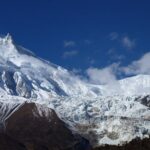
What I like most is the mix of high-country walking and down-to-earth village life, with guesthouse stays along the way. The other standout is seeing Mount Machhapuchhare, including the famous fishtail silhouette at lunch on the way toward Low Camp.
One drawback to plan for: the days are long, and the terrain gets steep and sometimes narrow, plus you’re dependent on weather for the trek to run as scheduled.
In This Review
- Key highlights worth your attention
- Mardi Himal Trek: quieter Annapurna country with real breathing room
- Day-by-day flow: Kathmandu to Pokhara, then into the Annapurnas
- Day 1: Airport pickup and Kathmandu hotel transfer
- Day 2: Kathmandu to Pokhara by tourist bus
- Phedi Khola to Pothana: stone stairs, shaded woods, and a first taste of altitude
- Ridge climbing and rhododendron country: High Camp and the Mardi Himal approach
- Low Camp day: Machhapuchhare fishtail at lunch and wildlife habitat on the ridgeline
- Best sights day: sunrise ridge walking, grassy pastures, and dzo on the trail
- Turning back without repeating yourself: Siding Village and a softer human pace
- Siding to Lumle: village layers, a jeep transfer, and real dinner time
- Kathmandu finish: bus back, then stupas for reflection
- Price and value: what $950 covers and how to judge it fairly
- What to expect on the trail: pace, terrain, and where you’ll feel the effort
- Wildlife and Danphe odds: how to maximize your chances without getting obsessed
- Who this trek fits best (and who should be cautious)
- Should you book the Mardi Himal Trek?
- FAQ
- How long is the Mardi Himal Trek?
- Where does the trip start in Nepal?
- How do you get from Kathmandu to Pokhara?
- What’s included in the price?
- Do I need to bring permits or do they handle it?
- What’s not included that you should plan for?
- Is this trek private?
- What fitness level do I need?
- What if the weather is bad or I need to cancel?
Key highlights worth your attention
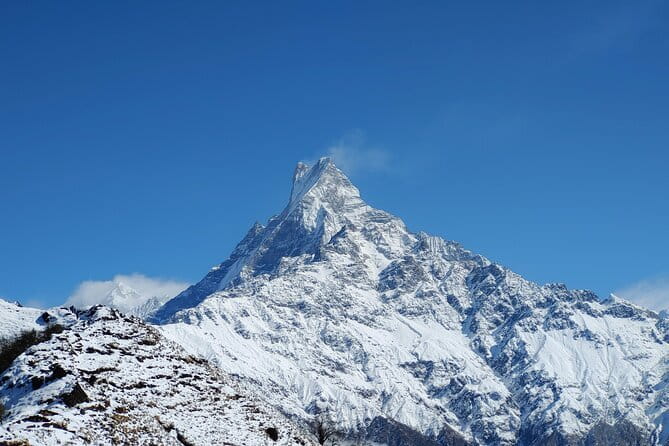
- Machhapuchhare fishtail views show up mid-trek at Low Camp and keep paying off later
- Wildlife chances include danphe (national bird), plus possible sightings like red panda if conditions are right
- A less-touristed return route via Siding adds variety without feeling like a copy-paste of the outward days
- Village guesthouses with twin sharing keep you close to daily mountain life
- Permit coverage (Annapurna Conservation Area + TIMS) is handled for you
- Private group experience: only your group participates, with one guide and shared porter support
Mardi Himal Trek: quieter Annapurna country with real breathing room
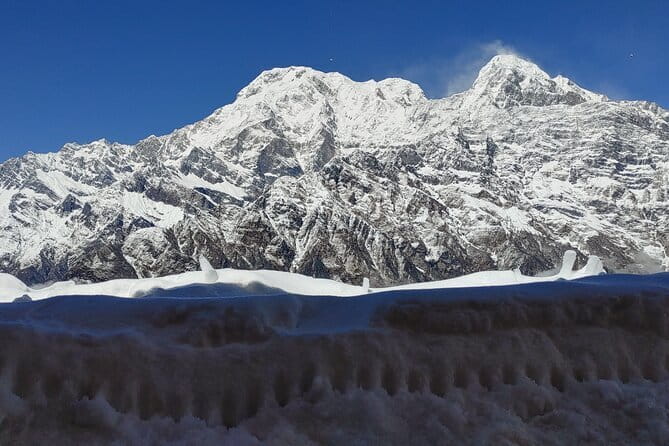
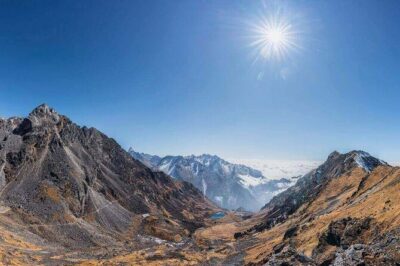
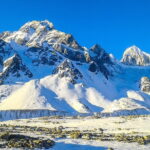
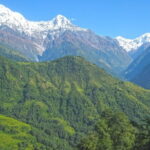
If you’ve seen crowded trails in other mountain regions, Mardi Himal feels like a different deal. This route trades big, flashy “must-see” platforms for a steady walk through forests, rhododendron slopes, and open grassy pastures. The payoff is the kind of mountain scenery you don’t just photograph once, then move on from. You keep getting glimpses as the trail bends, climbs, and opens.
And yes, the wildlife angle is part of why this trek is so appealing. The itinerary specifically calls out danphe (the Nepal national bird) as something you might see, and it also mentions keeping your eyes open for animals like red panda. Even if you don’t see everything, the trek gives you the right habitat and the right timing to try.
You can also read our reviews of more tours and experiences in Kathmandu.
Day-by-day flow: Kathmandu to Pokhara, then into the Annapurnas
This is a 10-day trip that’s set up to reduce early stress. You land, you’re met, you get transported to your hotel, then you start the trek with a proper reset in Pokhara.
Day 1: Airport pickup and Kathmandu hotel transfer
You’ll be met at Tribhuvan International Airport by an airport representative holding an Accessible Adventure sign. Then you’re taken to your Kathmandu hotel in a private tourist vehicle. If you arrive with jet lag, this matters. You don’t waste your first hours sorting out transport.
A small note: admission tickets are listed as not included for this day, and the travel day itself is about getting settled.
Day 2: Kathmandu to Pokhara by tourist bus
You’ll start early, with a hotel pickup around 6:30 AM, then a ride to the bus station and a 7:30 AM departure. The bus ride is about 6–7 hours, passing river valleys, terraced fields, and green hills. When you arrive in Pokhara, you check in and have the evening free.
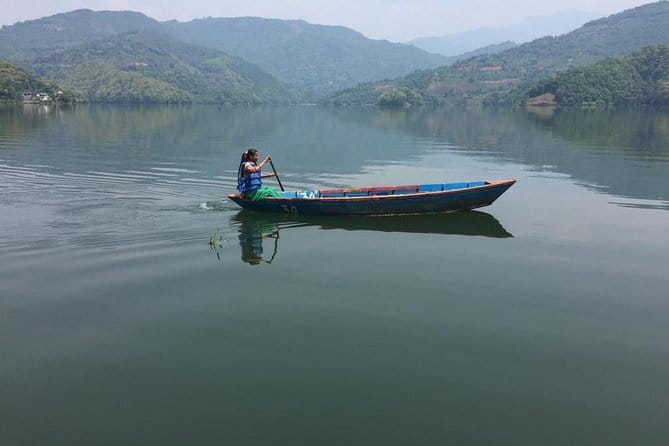
Pokhara is your staging ground. It sits on Phewa Lake, and the plan even points you toward enjoying views of Machhapuchhare above town. If you want something simple for your first evening, this is where you’ll do it—good meals, a relaxed walk, and a lake backdrop that makes the next day feel possible.
Phedi Khola to Pothana: stone stairs, shaded woods, and a first taste of altitude
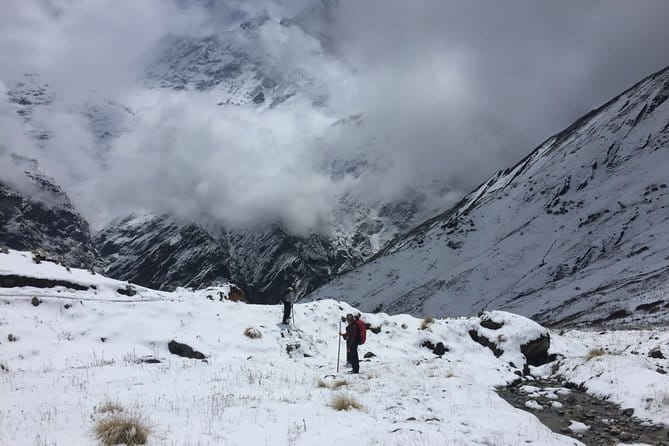
Day 3 is where the trek really starts. After breakfast in Pokhara, you ride to Phedi and hit the trail quickly (the ride is under an hour).
This day is built for gradual adjustment. You’ll hike through shaded woods and small villages while ascending along stone staircases. You’ll pass through Dhampus as a lunch break option, with views toward the Annapurna range. Then you continue to Pothana, a village of traditional stone-built homes and paved paths, plus a bit of modern life in the form of snacks and souvenirs.
Why I think this day is a smart start: it’s long enough to get your rhythm, but it doesn’t throw you straight into the highest terrain. Also, Pothana has that “you’re inside the community” feel. You’re not just walking past places; you’re arriving where people live and sell what they need.
Ridge climbing and rhododendron country: High Camp and the Mardi Himal approach
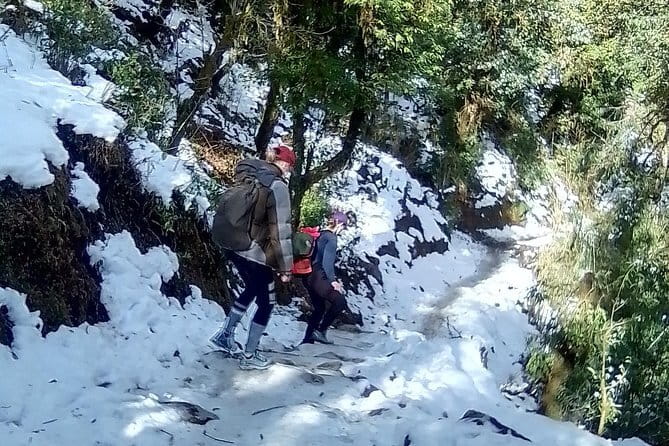
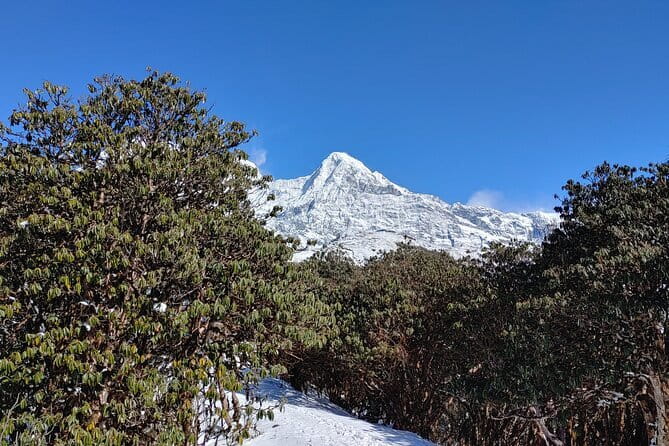
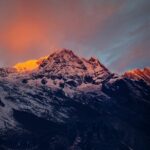
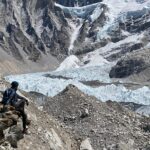
Day 4 focuses on uphill momentum and thinning trees. After reaching the ridgeline, you’ll head toward Mardi Himal and Machhapuchhre. Tree lines start to thin out, and the trail shifts into shrubs with rhododendron bushes.
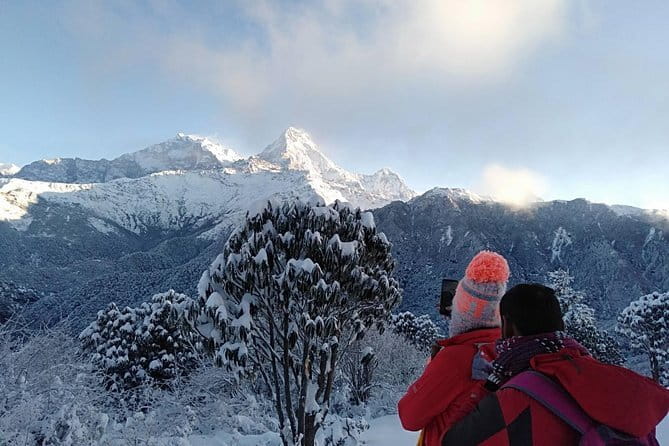
The itinerary specifically suggests you might see daphne pheasant (danphe) along the way, depending on luck. Then you continue ascending to High Camp for overnight. From High Camp, the views are described as stunning—which is exactly what you want on day four: a reward that makes the effort feel justified.
Practical consideration: if you’re sensitive to cold at night, plan on it. High Camp isn’t about comfort luxuries. It’s about being positioned for sunrise-style views and the next day’s ridgeline walking.
Low Camp day: Machhapuchhare fishtail at lunch and wildlife habitat on the ridgeline
Day 5 is a long trekking day, and it’s also one of the most scenic. You leave the Kokar clearing, then walk through mossy woodlands. The misty mood matters here because it changes how the light hits the trees and ridges. On clear moments, sunlight can cut through and make the mountain outlines pop.
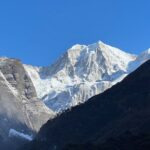
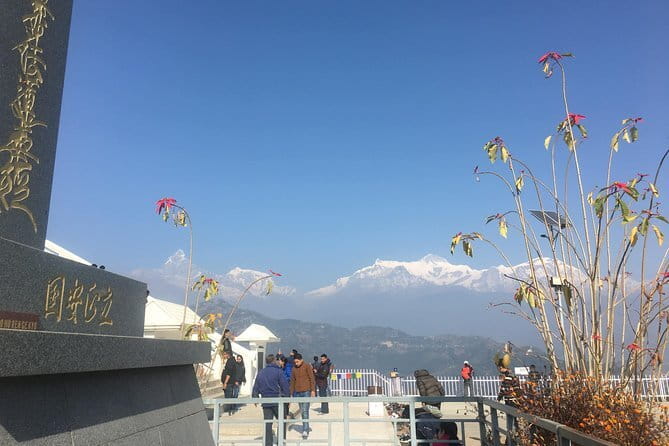
Lunch is at Low Camp. This is where the itinerary calls out a distinctive view: Machhapuchhare’s fishtail-shaped summit. As you hike onward, the trail turns westward and you may spot glaciated peaks like Annapurna South and Hiunchuli.
Then you keep going along the ridgeline as the trees thin out again, with rhododendron bushes nearby. This is described as good wildlife habitat, and danphe sightings are mentioned again if you missed them earlier.
The likely pace feeling on this day: you’ll be working for the view. The reward is that the view isn’t only at a single viewpoint; you keep seeing peaks as the route changes direction.
Best sights day: sunrise ridge walking, grassy pastures, and dzo on the trail
Day 6 is the “wake up early” day, built around a sunrise vantage point. You’ll start walking up a ridge toward one of the trek’s best sight spots.
The route goes through grassy pastures and can be steep and occasionally narrow. This is the day to be honest with yourself about footing. If your knees are temperamental, pace early and don’t try to make up time later. The trail won’t wait for you to get comfortable.
Along the way, you’ll almost certainly see dzo grazing in the fields. Dzo are a hybrid bred from yak and cattle, and in summer these pastures also support sheep and goats. You’ll see herder huts as you pass.
And if you didn’t catch danphe earlier, keep watching—this day is framed as another chance.
What I find smart about this design: you get both the view and the “how people use this land” story. It’s not just altitude theater. It’s working mountain life.
Turning back without repeating yourself: Siding Village and a softer human pace
Day 7 is where the trek switches gears. Instead of retracing exactly the same way, you head back from High Camp toward Low Camp, but then follow a diverging track toward Siding.
Siding Village doesn’t see a high level of tourist traffic, which is why this part feels more like meeting Nepal than just passing through it. The itinerary notes that your hosts at Kokar are from this village, so you may end up sleeping in accommodations run by a family—both in Kokar and at Low Camp, depending on how the route and bookings line up.
This day is also about reducing the “maximum altitude only” feeling. You’re leaving the higher country behind, and the cultural contrast becomes clearer again.
Practical drawback to consider: because this is a return with a different route, you still have a long hike length. It’s not a rest day. It’s a change in scenery and feel.
Siding to Lumle: village layers, a jeep transfer, and real dinner time
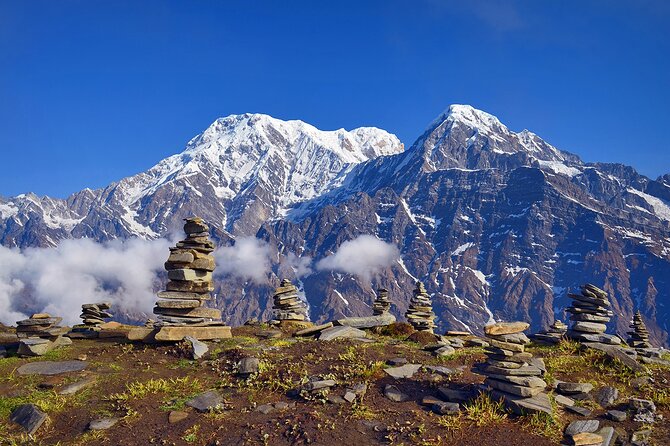
Day 8 brings the contrast you’ll probably crave. You start in Siding, then walk toward the road in the direction of Lumle.
As you leave Siding, you pass Kalimati and Ghalel. Kalimati is described as primarily Brahmin, while Ghalel has a mix of Brahmin and Gurung ethnicities. The point is simple: Nepal isn’t one culture at a time. You’re walking through a patchwork of communities that live side-by-side.
When you reach Lumle, there’s a prearranged jeep transfer back to Pokhara (around two hours). Then you’re back in town with time for a fine dinner before an overnight in Pokhara.
This is one of the best “I made it” moments of the trek because it breaks the walking rhythm and puts you back near hot food, lake views, and a calmer pace.
Kathmandu finish: bus back, then stupas for reflection
Day 9 shifts from mountains to roads. After breakfast in Pokhara, you take the tourist bus back to Kathmandu, again around 6–7 hours. Then you may have time for sightseeing after lunch.
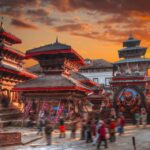
The itinerary calls out Swayambhunath and Boudhanath stupas. They’re easy to reach from central Kathmandu and are described as worth the trip. If you want your last day to feel meaningful rather than purely logistical, this is the move.
Day 10 is straightforward: an Accessible Adventure representative meets you at the hotel and takes you to the airport about three hours before your outgoing flight. Admission tickets for this day are listed as not included.
Price and value: what $950 covers and how to judge it fairly
At $950 per person, this trek isn’t the cheapest option in Nepal, but it’s also not inflated for what you get. Here’s the practical value breakdown based on what’s included:
- Permits handled: Annapurna Conservation Area permits and TIMS are included, plus a government tax (13%).
- You’re not doing logistics alone: pickup and drop-off by car/van as per the program.
- Guiding and porter support: one highly experienced, helpful guide and porters, with a ratio listed as one porter between two members.
- Lodging style: twin sharing accommodation at guesthouses during the trek.
- Some meals included: breakfast is included four times (as listed), while other meals aren’t covered.
- Administration support: office service charge and a mobile ticket feature.
What this means for you: you’re paying for fewer headaches and clearer mountain support. That’s especially important on a trek with multiple days of uphill walking and high-country nights, where having a guide who understands the route and timing matters.
What you should watch: trekking gear and some creature comforts are not included. Alcoholic drinks, hot water, hot showers, cold drinks, laundry, and phone/internet are listed as not included. You’ll also need to bring a four-season sleeping bag.
What to expect on the trail: pace, terrain, and where you’ll feel the effort
The itinerary is heavy on daily walking time, with days that run about 5 to 8 hours depending on the route. The uphill is a theme on day 3 onward, and days 4–6 include the steepest sections.
You should expect:
- Stone staircases and uphill ridges early
- Thinning tree lines and shrub/rhododendron sections approaching High Camp
- Steep, occasionally narrow hiking on the sunrise ridge and pasture walking day
- A long return hike that includes route variation rather than a simple “same trail back”
If you only pick one thing to remember, make it this: plan your day around steady effort, not speed. You’ll enjoy the views more when you’re not trying to win a race to the next bend.
Wildlife and Danphe odds: how to maximize your chances without getting obsessed
This trek frames wildlife as part of the experience. Danphe sightings are mentioned more than once, and the overview suggests you keep an eye out for red panda.
How you can increase odds, realistically:
- Go slowly when you can. Wildlife often shows up when you’re not constantly rushing.
- Keep an eye on the ridgeline and forest edges. The itinerary includes shaded woodlands and rhododendron-heavy areas, which match typical wildlife habitat.
- Be patient during morning light. The plan includes sunrise walking days, and that’s often when animals are most active.
Even if you don’t see red panda, danphe, or anything dramatic, the trek still works because the scenery and habitat change keep you interested day after day.
Who this trek fits best (and who should be cautious)
This trip is aimed at people with moderate physical fitness. It also says the group is private, meaning only your group participates, and you’ll have a guide with porter support.
You’ll likely love it if:
- You want a classic Annapurna feel without doing the biggest, most crowded routes
- You enjoy hiking hours that are long but doable with the right pacing
- You care about culture as much as views (Pokhara plus village days like Pothana and Siding)
- You want a guide and permit support included
Be cautious if:
- You need frequent comfort stops. There are long hiking days and limited amenities on the trail.
- You’re not comfortable with steep, narrow stretches on ridges and pastures.
- You rely on hot showers and laundry. Those are explicitly not included.
Should you book the Mardi Himal Trek?
I’d book it if your idea of a good mountain trip is steady walking, varied scenery, and the chance to meet mountain communities along the way. The value is strongest when you want permits taken care of, a real guide, and porter help, without having to assemble the whole plan yourself.
I’d hesitate if you’re chasing a super easy pace or you’re only going for one signature viewpoint. Mardi Himal rewards patience. If you like the slow build—woods to ridges to pastures—this trek is made for you.
FAQ
How long is the Mardi Himal Trek?
It’s listed as about 10 days.
Where does the trip start in Nepal?
It starts in Kathmandu, with pickup at Tribhuvan International Airport followed by a transfer to your hotel.
How do you get from Kathmandu to Pokhara?
You’ll travel by tourist bus, leaving around 7:30 AM and taking about 6 to 7 hours.
What’s included in the price?
Pickup and drop-off by car or van, twin sharing guesthouse accommodation during the trek, one guide plus porters (with one porter between two members), permits for Annapurna Conservation Area and TIMS, government tax (13%), and office service charge. Breakfast is included four times, and you also receive a mobile ticket.
Do I need to bring permits or do they handle it?
Permits for Annapurna Conservation Area and TIMS are included, so you don’t need to arrange them separately for this program.
What’s not included that you should plan for?
Travel insurance, international airfare, Nepal tourist visa, alcoholic drinks, hot water and hot showers, cold drinks, laundry, phone calls, and internet. Trekking equipment is also not included, and the guidance is to bring a four-season sleeping bag.
Is this trek private?
Yes. It’s described as a private tour/activity where only your group participates.
What fitness level do I need?
The trip says you should have a moderate physical fitness level.
What if the weather is bad or I need to cancel?
There’s free cancellation up to 24 hours in advance for a full refund. The experience requires good weather; if it’s canceled due to poor weather, you’ll be offered a different date or a full refund.