REVIEW · KATHMANDU
20 Days Private Kanchenjunga Circuit Trek
Book on Viator →Operated by Magical Nepal · Bookable on Viator
Kanchenjunga pulls you off the usual trail. This 20-day private circuit in Eastern Nepal links North (Pangpema) and South base camps with big-altitude camps over passes like Sele Le, Sinion La, Mirgin La, and Sinelapche La, plus a lot of village life inside the Kanchenjunga Conservation Area. I love the mix of high views and real tea-house nights, and I especially like that the route builds in acclimatization days before the serious altitude climbs. The catch: it’s genuinely remote and long, so you need strong fitness and you should expect limited extras—like drinks—along the way.
You’ll also feel the value of a private setup here. You get a guide for 19 days, the trek permits, and tea-house accommodation in the mountains with breakfast/lunch/dinner support, while you handle yourself day to day with a realistic rhythm. One consideration: hot and cold drinks on the trek are not included, which means you’ll want to budget that comfort and plan what you’ll carry for hydration.
In This Review
- Key highlights you’ll notice right away
- Why the Kanchenjunga Circuit feels different in Eastern Nepal
- Price and inclusions: what $2,560 covers (and what it doesn’t)
- Getting started: Kathmandu to Ilam by way of Bhadrapur
- The road days: Ilam, Taplejung, and Chirwa’s tea-house welcome
- Entering the Kanchenjunga circuit core: Chirwa to Lelep, then Amjilosa and Gyabla
- Ghunsa and Kambachen: acclimatization that makes the hard days possible
- Lhonak and the run-up to Pangpema (North Base Camp)
- Descending to Ghunsa, then climbing toward Sele Le and the high passes
- Sele Le to Cheram, plus the South Base Camp day trip
- Torongding and Yamphudin: when the trek turns into culture as well as elevation
- Ending days in Fikal: transition back to Kathmandu life
- What daily trekking feels like: tea houses, meals, and altitude pacing
- Guide support really matters here: Narayan and Dil’s impact on route decisions
- Who should book this Kanchenjunga circuit trek (and who should rethink it)
- Should you book 20 Days Private Kanchenjunga Circuit Trek with Magical Nepal?
- FAQ
- Where does this trek start and end?
- What is the approximate duration of the Kanchenjunga circuit trek?
- Is this tour private?
- What are the main travel legs included?
- Are trekking permits included in the price?
- What kind of accommodation do you use on the trek?
- Are meals included?
- Are hot and cold drinks included?
- Can you get vegetarian, vegan, or gluten-free meals?
- What fitness level do you need?
Key highlights you’ll notice right away
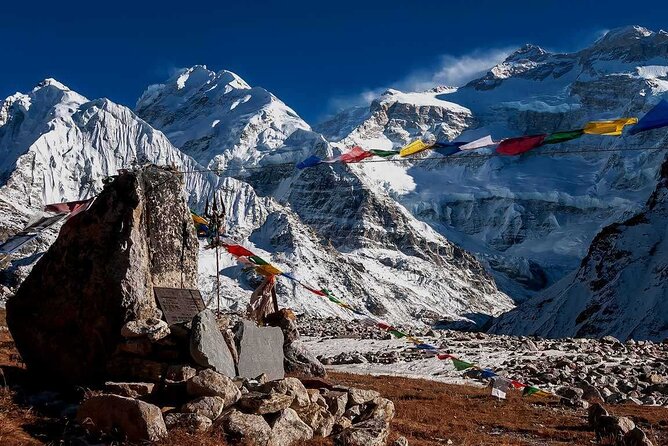
- Two base camps, one circuit: Pangpema (North) and the South base camp, tied together by high passes.
- Acclimatization built in: Ghunsa and Kambachen help your body adjust before the big camps.
- Tea-house rhythm in a remote region: You sleep in lodges rather than camping every night.
- High-altitude reality checks: Lhonak, Sele Le, and Cheram put you at serious elevations with practical pacing.
- Local culture stops, not just walking: Ghunsa, Yamphudin, and other villages keep the trek human.
Why the Kanchenjunga Circuit feels different in Eastern Nepal
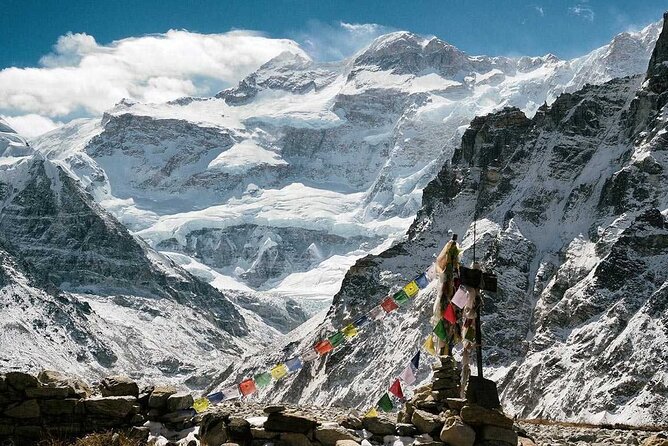
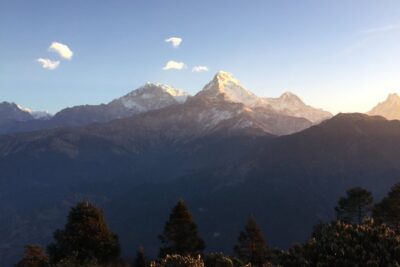
Kanchenjunga is not the quick-hit, high-volume trek. This circuit runs through the Kanchenjunga Conservation Area in a part of Nepal where routes stay quieter and the scenery changes with real altitude shifts. You’ll move from lower hill towns down tea-house valleys into colder, wilder country where settlements thin out and the mountain dominates the day.
The real hook is that you’re not doing just one big goal. You’re setting up for both the north and south sides of Mount Kanchenjunga, with a route that includes high passes such as Sele Le and other named crossings. That means you experience the mountain from different angles while also getting variety in vegetation, river valleys, and village life.
I also like that the trek’s structure is tuned for high altitude. You don’t just rush upward. You reach Ghunsa, then Kambachen, then Lhonak before Pangpema, which helps make the hardest days more manageable.
You can also read our reviews of more tours and experiences in Kathmandu.
Price and inclusions: what $2,560 covers (and what it doesn’t)
At $2,560 for a private 20-day circuit, the value mainly comes from three things: a private guide team effort, logistics, and time saved. A remote trek like this needs permits, planning, and someone who knows how to pace days when weather changes or a participant needs a slower push.
Here’s what’s included based on the tour package:
- Flights within Nepal: Kathmandu to Bhadrapur (and the return flight to Kathmandu)
- Ground travel by public bus on key segments (Bhadrapur to Ilam, Ilam to Taplejung, and Yamphuding to Fikal)
- A guide for 19 days
- Required trekking permits
- Tea-house accommodation in the mountains for 19 days
- Meals support: breakfast for 20 days and lunch/dinner for 19 days
What’s not included matters for comfort: hot and cold drinks on the trek are excluded. That’s common on long treks, but it can still affect your daily budget and how much you rely on shops along the trail. If you’re the type who likes warm drinks during cold mornings, plan for that cost ahead.
You also get practical extras listed in the package: pickup offered, and a mobile ticket. Plus, service animals are allowed, and you can request vegetarian/vegan/gluten-free options.
Getting started: Kathmandu to Ilam by way of Bhadrapur
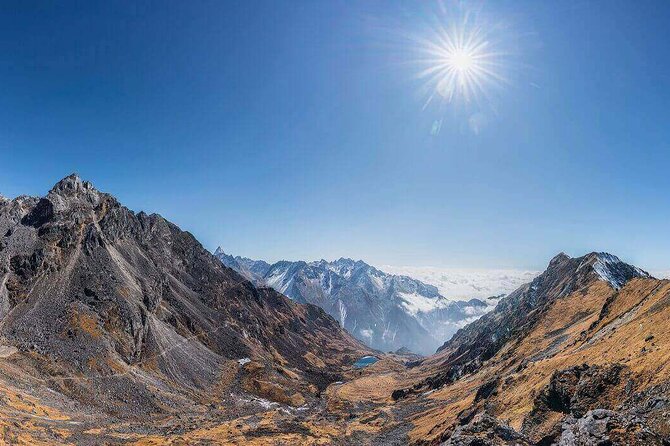
Your trek begins at Tribhuvan Airport in Kathmandu, with a stated start time of 10:15 am. You fly from Kathmandu to Bhadrapur in the afternoon, then drive or travel onward to Ilam for an overnight. This first travel day is short on trekking but big on anticipation, and that’s useful. You’ll get oriented to Eastern Nepal before you start climbing.
I like the setup because it avoids a stressful all-day start. You arrive at Ilam, sleep, and then tackle the next leg with better energy.
Practical tip: treat this first day like a warm-up. Keep your bags organized, eat a normal dinner, and don’t try to “make up” for time by hiking longer than planned. Your legs will thank you when the trail turns steep later.
The road days: Ilam, Taplejung, and Chirwa’s tea-house welcome
From Ilam to Taplejung, the route is covered by road (listed as 240 kilometers and roughly 9 to 12 hours depending on conditions). That’s a long sit, so if you’re prone to stiffness, bring a simple routine: water, light stretching during breaks, and a jacket even if it’s warm in town.
Then comes Chirwa, where the trek energy shifts from wheels to footsteps. Chirwa is described as a village with tea houses and lodges for trekkers. This is where the trek starts feeling like a real journey: you’ll eat locally prepared meals, meet people passing through, and get a sense of the pace you’ll keep for weeks.
A small but important advantage here: tea houses mean you’re not building camp systems day after day. You’ll still hike hard, but you won’t be doing the heavy logistics that come with fully camping-style trekking.
Entering the Kanchenjunga circuit core: Chirwa to Lelep, then Amjilosa and Gyabla
After Chirwa, you push deeper into the Kanchenjunga Conservation Area, heading toward Lelep. Lelep is described as the headquarters for the conservation area. That matters because it signals you’re in a managed, protected region. You’re not just walking through scenery—you’re moving through a landscape that’s actively cared for and monitored.
From Lelep to Amjilosa, you gain altitude steadily. Amjilosa sits around 2,310 meters, and the route takes roughly 6–7 hours for the listed distance. By the time you reach these villages, you’ll feel the air change in your breathing and the way mornings feel colder.
Gyabla continues that transition. It’s part of the trek’s middle belt—far enough along to feel “remote trek” mode, but not yet at the extreme high camps. This is good terrain for settling into the rhythm: consistent walking, breaks that actually help, and a steady habit of hydration.
One consideration: middle sections like this can feel slower than you expect because the trail and altitude both take effort. Don’t measure progress only by how far you’ve walked—track how your body feels during climbs.
Ghunsa and Kambachen: acclimatization that makes the hard days possible
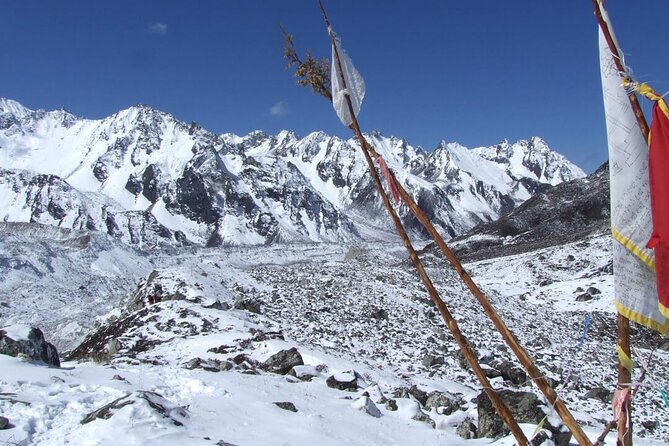
The circuit’s altitude strategy becomes clear when you reach Ghunsa. Ghunsa is at about 3,475 meters, and it’s described as a village with traditional wooden houses and basic tea houses. You stop here not just to sleep, but to acclimatize—an important difference.
Then you move to Kambachen (also written as Kambachen/Kangbachen in the plan), around 4,050 meters, and spend another acclimatization night. That extra day at altitude is not “padding.” It’s the kind of scheduling that can reduce stress later when you’re higher and the air is thinner.
If you’re used to fast treks, this part might feel like you’re going too slow. But high passes and base camps punish rushing. I like that the plan gives your body time to adjust rather than testing it.
Lhonak and the run-up to Pangpema (North Base Camp)
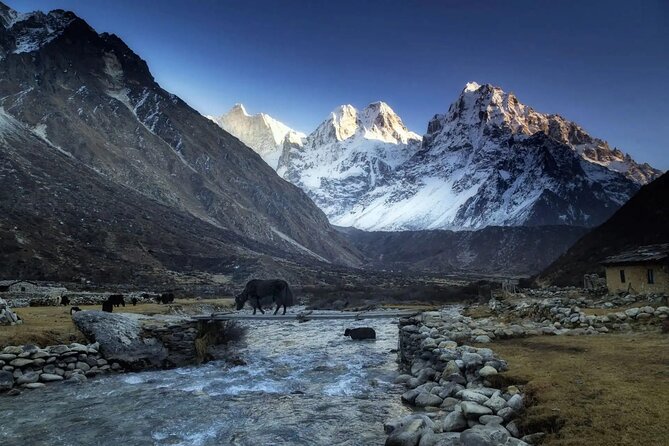
Next comes Lhonak, another stopover en route to the Kanchenjunga base camps. Lhonak is described as offering incredible views of mountains, glaciers, and the harsher high-altitude terrain. Even without extra details, you can infer the function: it helps you transition into the highest zone while you still have a chance to pace yourself.
Then you reach Pangpema, also called the North Base Camp. This is a big moment on the circuit, at about 5,140 meters. You’re positioned to see the north face of Mount Kanchenjunga, the world’s third-highest peak at 8,586 meters. This is why you’re here: not just the altitude, but the scale and angles that only happen on a north-facing viewpoint.
Practical note: at these elevations, small delays can feel large. Keep an eye on your energy, take meals seriously, and avoid heroic efforts during the steepest segments.
Descending to Ghunsa, then climbing toward Sele Le and the high passes
After Pangpema, the plan brings you back down to Ghunsa for an overnight. That descent phase is valuable. Even when your legs feel tired, moving down helps your body recover from altitude stress and lets you reset before another push.
Then you head toward Sele Le, described as a high-altitude campsite and a stopover connecting the north and south base camp routes via high passes including Sinion La, Mirgin La, and Sinelapche La. Even if you don’t walk all those passes on every day, the name list tells you something: you’re moving through a route system that’s built for high crossing points, not just gradual trekking.
Sele Le is where your mind should shift into “high altitude mode.” Expect cold, thinner air, and a pacing style where you don’t spend energy on anything unnecessary.
Sele Le to Cheram, plus the South Base Camp day trip
From Sele Le you continue to Cheram, a small village at about 3,870 meters, with a typical walking time listed around 7–8 hours for the distance. Cheram is a classic base-village feeling: high enough to be cold and serious, but settled enough that you’ll likely feel relief compared to exposed high camps.
Then comes the day trip to the South Base Camp from Cheram. This is your second major objective, and it’s usually how the circuit makes its goals feel achievable: you stay in a workable altitude base (Cheram) and make a focused push in a day.
One thing I like for readers: this structure reduces the number of “all-day at maximum altitude” experiences. You still do big altitude work, but you’re not living in the harshest zone every single day.
Torongding and Yamphudin: when the trek turns into culture as well as elevation
After the South Base Camp section, the circuit continues through lower valleys and settlements. The route descends through lush forests, along rivers, and past small settlements, including Torongding. You’ll feel a shift here: less sharp cold than the highest camps, more variety in walking conditions, and more signs of life.
Then there’s Yamphudin, described as a culturally diverse village with residents from Limbu, Sherpa, Rai, and Gurung groups. This matters because it’s not just a stop with a view. It’s a place where you’re reminded that trekking corridors in Nepal are also living communities.
From Yamphudin to Fikal is done by drive, with the plan calling it a road transfer. Fikal then marks the final stretch before you return to Kathmandu.
Ending days in Fikal: transition back to Kathmandu life
The final travel leg is practical: Fikal to Bhadrapur is described as a drive of about 2 hours, followed by an afternoon flight back to Kathmandu. You’ll feel the emotional flip here. After weeks of trail routines, airports and schedules can feel strangely fast. It’s a good moment to do simple things: hydrate, eat normal meals, and let your body adjust.
Your trek ends at Tribhuvan International Airport in Kathmandu, with a representative dropping you to the departure terminal.
What daily trekking feels like: tea houses, meals, and altitude pacing
This circuit uses tea-house accommodation for 19 days in the mountains. That means you’re planning around lodge availability and basic comfort rather than hauling camp gear. It also shapes your schedule. Most tea-house treks are built for early starts, steady walking, and predictable meal times.
Meals are included in the package: breakfast for 20 days, plus lunch and dinner for 19 days. Since drink costs aren’t included, you’ll likely want to plan around water first, then budget for warm beverages where available.
Altitude pacing is the other daily reality. The plan includes multiple acclimatization nights at Ghunsa and Kambachen before the highest base camp. That’s a clue to take it seriously: don’t treat altitude like a math problem you can out-walk. If you feel off, slow down. Let your body catch up.
Also note: you need a strong physical fitness level for this trek. That’s not marketing language. Over 20 days with significant altitude, your fitness shows up in how quickly you recover after each day’s walking.
Guide support really matters here: Narayan and Dil’s impact on route decisions
A private trek is only as good as the guidance behind it. In the package, you have a guide for 19 days, and that’s a big deal for a remote, high-altitude route.
Past trek experiences shared with this operator highlight different strengths. One guide, Narayan, was praised for being proficient with the trail details and for sharing stories about local culture. Another guide, Dil, was highlighted for adjusting plans when weather or health conditions affected the route for group members.
You should expect this kind of decision-making on a trek like Kanchenjunga. Even with a planned route, conditions can change. A good guide helps you stay safe without turning the trip into a stress fest.
If you do nothing else before you go: have your guide know your limits and your goals. Tell them how you pace on steep climbs and how you handle altitude changes.
Who should book this Kanchenjunga circuit trek (and who should rethink it)
This is best for people who want a serious trekking challenge without full camping chaos. If you’re comfortable with a long duration (about 20 days) and you can handle daily walking at altitude, you’ll likely love the circuit. The combination of north and south base camps, plus multiple acclimatization stops, makes it a strong goal trek.
It’s also a good fit if you like cultural stops, not just summit math. Villages like Ghunsa and Yamphudin keep the trek connected to real communities rather than only mountain views.
You might rethink it if you’re chasing a low-stress vacation. This trek is remote, the route is demanding, and drink comfort isn’t included. If your fitness is borderline, or if you’re not comfortable with cold and thin-air days, start with a lower-altitude trek first and build up.
Should you book 20 Days Private Kanchenjunga Circuit Trek with Magical Nepal?
I’d recommend booking if you want a remote, high-altitude circuit that actually tackles both sides of Kanchenjunga and doesn’t skip acclimatization. The price makes sense for what you’re getting: permits, a guide for most of the days, tea-house lodging, and core meals, plus flights and key road transfers.
Before you commit, double-check two things for yourself. First, be honest about your physical readiness for long days and higher elevations. Second, plan for the non-included items—especially hot and cold drinks—so you don’t get surprised halfway through the trek.
If you match those conditions, this is the kind of trek that lingers. Not because it’s flashy on paper, but because it’s remote, paced, and demanding in the right way.
FAQ
Where does this trek start and end?
The start is at Tribhuvan Airport in Kathmandu, Nepal, and the tour ends at Tribhuvan International Airport in Kathmandu as well.
What is the approximate duration of the Kanchenjunga circuit trek?
The duration is listed as about 20 days (approximately 20–25 days).
Is this tour private?
Yes. It’s a private tour/activity, so only your group participates.
What are the main travel legs included?
You fly Kathmandu to Bhadrapur, then travel onward by road to Ilam and Taplejung, and later you return from Fikal to Bhadrapur by drive before flying back to Kathmandu. Public bus travel is listed for several segments.
Are trekking permits included in the price?
Yes, all required permits for the trek are included.
What kind of accommodation do you use on the trek?
You use tea house accommodation for 19 days in the mountain.
Are meals included?
Yes. Breakfast is included for 20 days, and lunch and dinner are included for 19 days.
Are hot and cold drinks included?
No. Hot and cold drinks on the trek are listed as not included.
Can you get vegetarian, vegan, or gluten-free meals?
Yes. Vegetarian, vegan, and gluten-free food is available on request.
What fitness level do you need?
The tour information specifies you should have a strong physical fitness level.