REVIEW · KATHMANDU
Manaslu Circuit Trek – 12 Days
Book on Viator →Operated by Welcome Nepal Treks P.ltd · Bookable on Viator
That first day’s mountain views hook you fast. This 12-day Manaslu short trek blends long Himalayan scenery with real village life, from chilli fields and hot springs to monasteries and high-pass walking. I especially like the chance to see Manaslu and the Dhaulagiri-Annapurna views in a shorter timeframe, and I like how the route threads through small, lived-in places like Samagaon and Namrung. One possible drawback: you’re dealing with long travel days, basic teahouses, and a demanding finish day that can be cold and windy.
The trip is run with licensed guides and porters and includes the permits you need for the Manaslu region plus ACAP. Still, this is not a casual stroll. You should come with strong fitness and patience for rougher roads and slower trekking stretches.
In This Review
- Key moments to keep on your radar
- Why this 12-day Manaslu circuit feels like the real deal
- Price and value: what $1,813 buys you here
- The ride that sets the tone: Kathmandu to Arughat to Soti Khola
- Machha Khola to Jagat: hot springs, a 158 m bridge, and earthquake scars
- Jagat to Deng and beyond: small village life and the “milky river” moment
- Namrung day: rivers, old pine forest, and Tibetan-influenced village feel
- Samagaon approach: monasteries, 200 monks, and multiple route choices
- Samagaon rest day: choose your adventure without overplanning
- Day hike to the small Manaslu view village at 3,800 m
- Dharmasala (Larke Phedi): high-country walking and a blue sheep chance
- The early-morning payoff: sunrise views from the 3:00 a.m. start
- Dharapani on Day 11: pine jungle, rhododendrons, and the Milky River track
- Back to Kathmandu: jeep, then Marsyangdi River drive
- Who this trek fits best (and who should think twice)
- Service quality: what the guides and porter team can change
- Things that can trip you up
- Should you book the 12-day Manaslu short trek?
- FAQ
- How long is the Manaslu Circuit Trek (12 Days)?
- Where does the trek start?
- Is pickup available?
- What permits are included?
- Are accommodations included during the trek?
- How are meals handled?
- What’s the maximum group size?
- What’s not included in the price?
Key moments to keep on your radar
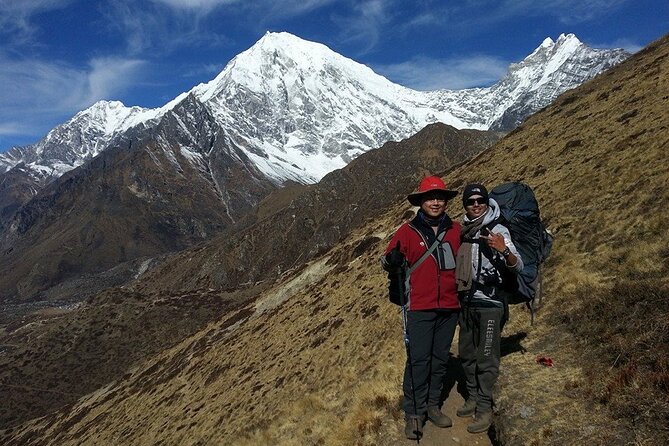
- Dhaulagiri and Annapurna viewpoint energy: you’ll keep getting sky-sized views as you move through valleys toward higher villages
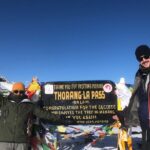
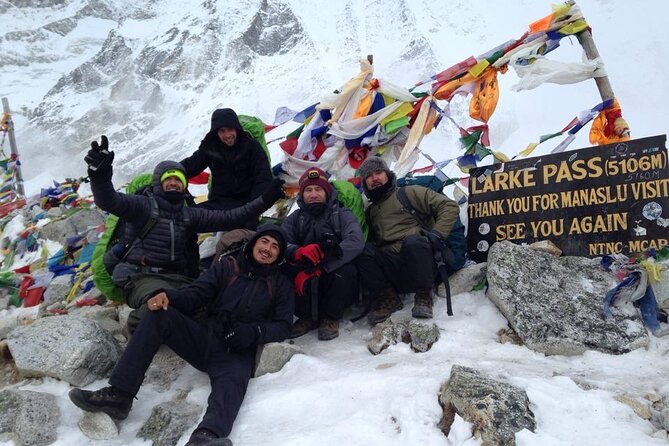
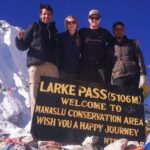
- Larke La Pass day: the classic “I can’t believe I’m here” high-mountain moment
- Hot springs and a long bridge story: Machha Khola to Jagat includes a hot spring stop and the 158 m Yaru bagar cantilever bridge
- Village-to-village pacing: days that pass through places like Deng, Namrung, Samagaon, and Dharapani—not just a straight line on a map
- Rest day that’s optional but useful: in Samagaon you can choose Birendra Tal, a basecamp hike, or monasteries
Why this 12-day Manaslu circuit feels like the real deal
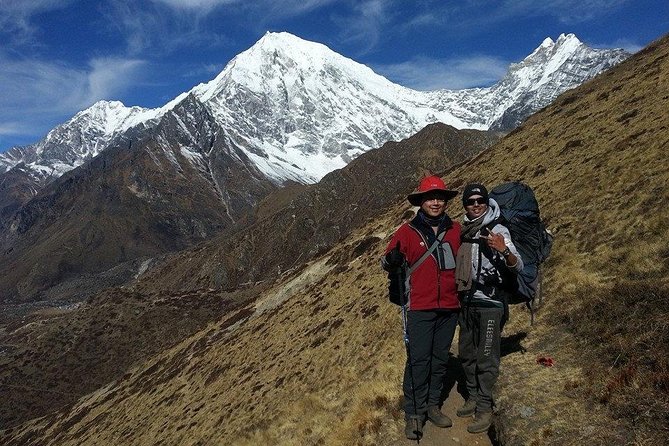
Manaslu is one of those treks that rewards attention. Not just for peak spotting, but for the everyday scenes that stack up: terraced fields, prayer flags, hillside paths, and small tea houses doing what they can to keep you warm. This itinerary leans into that. You don’t just “arrive at mountains.” You earn them step by step.
The other reason I like this format is the mix of big-day walking and shorter, village-heavy stretches. You’ll spend nights in teahouses, then wake up to fresh air and new views. That rhythm matters when you want a trek to feel like a journey, not a checklist.
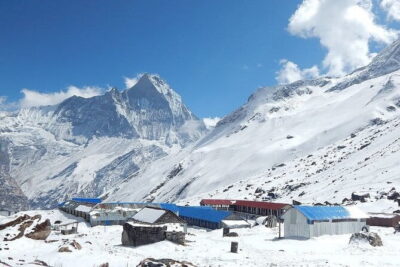
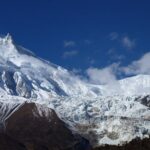
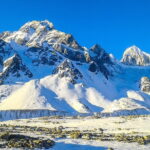
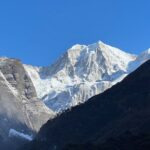
And yes, the views are the headline. You’ll get astonishing sight lines tied to Dhaulagiri and Annapurna and later the dramatic pass-country around Larke La. The route also gives you chances to spot the Manaslu glacier area from close range during the Samagaon options, which is a rare kind of “wow, that’s real ice” moment.
You can also read our reviews of more tours and experiences in Kathmandu.
Price and value: what $1,813 buys you here
At about $1,813.34 per person, this isn’t a budget trek. But the price has some real structure behind it. You’re not only paying for guide time. You’re also paying for the moving parts that often cost extra or become a headache when you self-arrange.
Included value highlights:
- Private ground transport all the way through the route transfers (Kathmandu out to the trail and back again)
- Teahouse accommodation during the trek
- Licensed English-speaking guide plus porters to carry your luggage
- Permits for the Manaslu region and ACAP requirements
- Meals included in trek days (the package lists lunch 12 times, dinner 11 times, breakfast 11 times)
- Taxes and official expenses bundled in
In plain terms: your money goes toward logistics, legal permission, and basic trekking support. That’s the difference between a smooth trek and a stressful one.
The ride that sets the tone: Kathmandu to Arughat to Soti Khola
Your trip starts in Kathmandu, then you go straight into the “road days” reality of Nepal mountain trekking. Day 1 is long: drive from Kathmandu to Arughat takes around 7–9 hours. Expect a mix of smooth and rough sections. I’d mentally pack for that. If you’re prone to motion sickness, consider planning ahead.
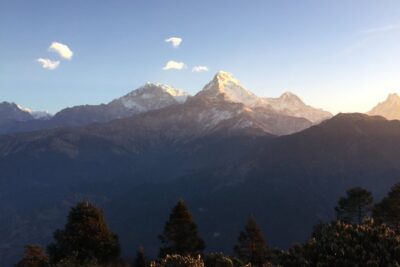
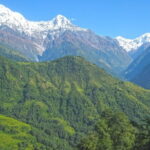
After a rest in Arughat, you switch vehicles and continue toward Soti Khola. This is where the trip turns scenic fast. On the route, you can enjoy wide views of the Himalayas—Annapurna to the left, the Manaslu range in the middle, and Ganesh Himal on the right. Those first sight lines matter because they calibrate your expectations. You’re not waiting days to start seeing the main event.
Machha Khola to Jagat: hot springs, a 158 m bridge, and earthquake scars
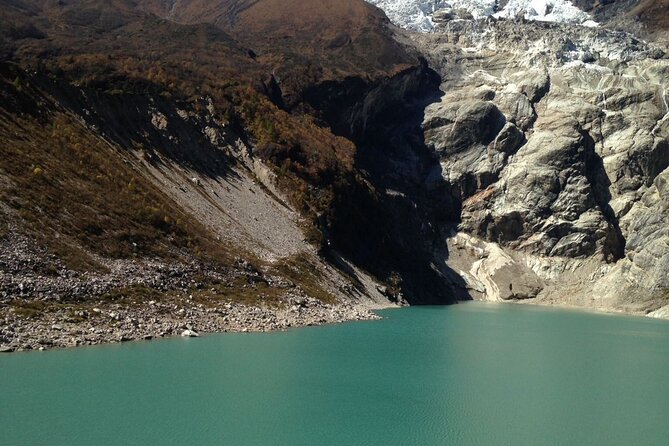
Day 2 starts with a drive toward Machha Khola, only about 15 km from Soti Khola, so you’re not wasting the day trapped in a vehicle. On arrival, you’ll pass through a few very human checkpoints: an army camp, then Khursani Baari, a green chilli field. That chilli-field detail might sound small, but it signals something important—this trek is not only about altitude. It’s also about culture you can taste and recognize.
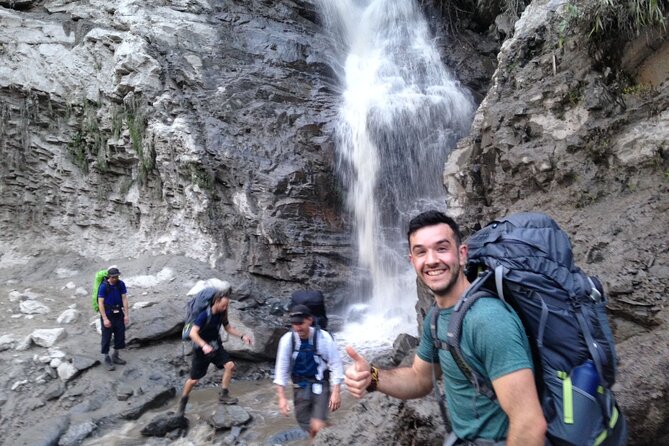
You’ll also see a 100 m waterfall from the opposite side of Khursani baari. Add to that a notable reminder from the region’s recent history: after the 2015 earthquake, the area shows landslide effects that can look shocking. This kind of scene is one reason Manaslu feels grounded and real, not postcard-only.
Then Day 3 ramps into trekking mode. You’ll do permit checking at the police checkpoint in Machha Khola and continue toward Jagat (around 22 km, about 7 hours). The highlight here is a mix of physical payoff and memorable landmarks:
- a stop to bathe in a hot spring
- steep valley-side walking
- a cantilever bridge at Yaru bagar (about a 20-minute side reach), listed as 158 m long and considered Nepal’s first cantilever bridge
The timing helps too. You reach the horizon view near the bridge before getting into Jagat’s overnight camp setup. It’s one of those days where you feel your legs getting stronger because the scenery keeps rewarding you.
Jagat to Deng and beyond: small village life and the “milky river” moment
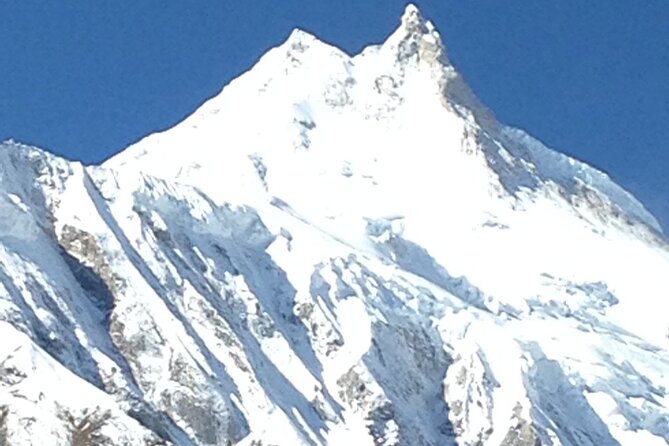
On Day 4, you keep moving toward Deng, which is a compact village with about 4 houses and 3 hotels. That’s the kind of place where trekking feels close to home for the people who live there, because it’s not a “tourist hub” machine. The day includes a full walking push (around 7 hours).
You’ll also get a few route-specific visual treats:
- You walk with a steep valley feel, then cross a river where you’ll notice a milky flow in the water.
- You pass by two hydro-powers (one new, one old), which gives you a sense of how these communities handle energy and power needs.
- You travel via Salleri to Sirdibas, where Gurung locals live, with a view toward Siring (7239 m).
By the end of the day you reach Philim, where administrative offices are located. That’s another subtle but valuable part of trekking the Manaslu region: you understand this is an active corridor with systems, not just scenic hiking trails.
Namrung day: rivers, old pine forest, and Tibetan-influenced village feel
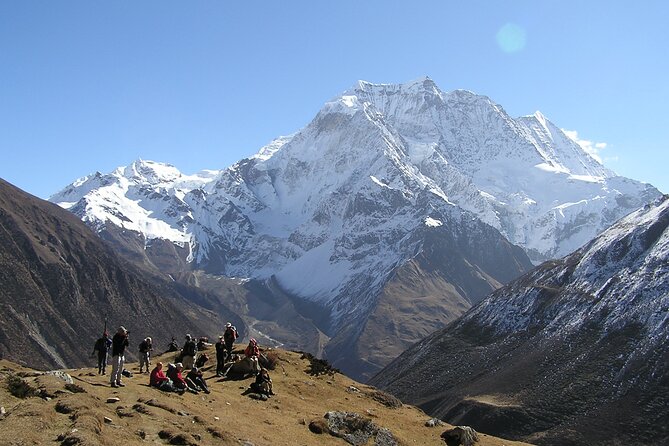
Day 5 is a classic trekking rhythm: downhill to the Budhi Gandaki River, then uphill again. You’ll start by dropping toward the river, reach Rana gaon, then continue to Bihiphedi after about 45 minutes of walking. From there, you work toward Gap for lunch (around 2 hours).
After lunch, you walk through a denser forest stretch and cross a river section described as moving from an old version to a newer one. You might notice dead pine trees along the route—another reminder that nature and people share the same tough conditions here.
Later you’ll reach Suksum, then climb to Namrung in about 1 hour 20 minutes. Namrung is where the trek starts to feel very Tibetan-influenced. You’ll be around people living that lifestyle, and the route includes views toward major peaks (the plan calls out Saula as one of the sightline possibilities).
This day matters because it’s one of the first where you’ll feel the emotional shift from road-to-trail into full trekking mode.
Samagaon approach: monasteries, 200 monks, and multiple route choices
Day 6 is a long scenic progression through Banjam, Lihi, Sho, Lho, and Sayla as you work toward Samagaon. This is the kind of day where you stop and look often, even if you’re moving steadily.
Before reaching Lho, you pass a monastery described as recognized in the region, with more than 200 monks, and the plan notes they are boys studying there. That’s a powerful scene because it’s not a random roadside building. It’s a real educational space.
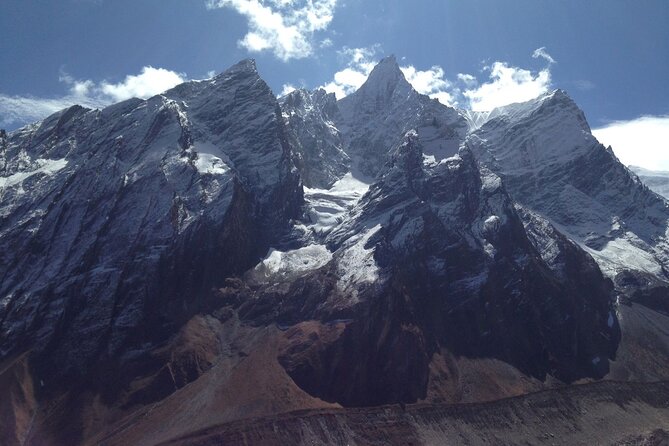
The plan also highlights a set of peak views from the trail: Ganesh Himal, north Himchuli, and Naike peak (from the steep path toward Lihi). At Sho, you get a branching moment: one path leads toward Hinayang monastery, and another relates to the direction of Manaslu larky pass.
This is why I like Samagaon routes. You’re not just walking. You’re reading the trail system and understanding how people and pilgrimages move through the region.
Samagaon rest day: choose your adventure without overplanning
Day 7 is a rest day in Samagaon, and it’s a smart design. You get a full day to recover, and you get options if you want to move.
Three choices are listed:
1) Birendra Tal, about 3 km from Samagaon
2) Hike to Basecamp, about 6 km and around 5 hours one way to reach an area described at 4,800 m
- from there, you can view the Manaslu glacier, with a crossing bridge mentioned as part of reaching a camp area
- there’s also a cave mentioned along the route/activity
3) Pungen monastery and surrounding flat area, about 6–7 km away
- it’s described as giving a panoramic view better than basecamp
Even if you choose the easy option and simply roam near the hotel, this rest day keeps your trek from feeling like a constant grind. It also helps you absorb the village scenes. The best trekking days often aren’t only the hardest ones—they’re the days you recover well enough to enjoy what’s around you.
Day hike to the small Manaslu view village at 3,800 m
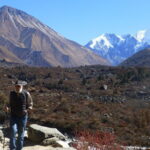
On Day 8 you’ll hike to a small village at about 3,800 m. It’s described as roughly a 3-hour hike with steep uphill sections plus flatter walking. On the way, you get views of multiple named peaks: Syaula Peak, Naike Peak, Manaslu, Himchuli, Larke peak, and Cho peak. The plan also calls out west and north Himchuli for extra sparkle.
What I find interesting here is the practical detail that the village has electricity due to its own micro hydropower project. That’s not just a comfort perk. It’s a reality check that life continues at altitude, and communities have systems—even at the trekking edges.
Dharmasala (Larke Phedi): high-country walking and a blue sheep chance
Day 9 brings you to Dharmasala, described as not exactly a lodge but an easy place to stay for one night. You’ll start with a downhill to the Budhi Gandaki River, cross it, then go upward through Larkya Bazaar and the Salka Khola valley.
This section is short on paper but can feel like altitude work in practice. The distance is listed as 7 km and about 4 hours on normal days.
Dharmasala is also known as Larke Phedi in the plan. The presence of blue sheep is mentioned, and that’s the kind of wildlife possibility that makes you want to pause, not rush, when you see movement on the slope.
The early-morning payoff: sunrise views from the 3:00 a.m. start
Day 10 is where the trek turns intense. You start around 3 a.m. for sunrise and early high-country views. The plan specifically points you toward named peaks you might spot in the morning light: Annapurna II, Single Himal, Kangaroo Himal, Himlung Himal, and Cho Himal from the left.
This is also described as a moment with strong wind flow that can feel mind-blowing. That’s believable in pass-country conditions, and it’s why early starts matter: calmer moments first, then weather and wind can shift as the morning goes on.
You’ll walk from Larkye toward Bhimtang, and the plan notes this portion takes about 9 hours. Treat this as a long, focused day. Bring a steady pace plan and keep your head clear. When a trek day is this long, small pacing mistakes get big fast.
Dharapani on Day 11: pine jungle, rhododendrons, and the Milky River track
Day 11 moves you from the high pass area toward lower village country. You’ll pass through Karche, Goa, Tilche, and finally reach Dharapani.
The route starts with a descent to Dudh Khola, described as a milky river, with views of various mountain summits along the way. There’s a short uphill climb (about 5 minutes) to get warmer, then you drop into pine jungle.
The plan also calls out rhodedendron color in May and June—8 to 10 colored blooms—so if your timing matches those months, keep an eye out when the jungle opens up.
Lunch is at Surkhi, then you head to Goa after another uphill/downhill pattern. Goa is described as peaceful and having 4 hotels with good food and accommodation services. You then move toward Mane, and finally to Tiliche and Dharapani after about 30 minutes.
This day is a relief compared to the pass push, but don’t treat it lightly. Descents can wear your legs out, especially after that long Day 10.
Back to Kathmandu: jeep, then Marsyangdi River drive
Day 12 is transportation heavy but scenic. From Dharapani, you catch a jeep to Besisahar, then drive back to Kathmandu along the Marsyangdi River. The plan mentions forest areas, small houses and huts, bridges, and a fast-flowing river.
This final drive is a nice decompression stretch. You’ll likely feel a mix of relief and lingering mountain energy. If you can, keep your camera charged—these river corridors have a way of looking different as you gain altitude back.
Who this trek fits best (and who should think twice)
This Manaslu short trek is best for hikers who want a real trekking experience in a manageable window. It includes a high pass day, long walking, and cold early starts, so you need strong physical fitness.
It’s also a good choice if you like cultural travel you can see and hear: Tibetan-style village life, monasteries, and small communities where you’re not just consuming views. The route hits multiple village types—Chilli field farming near the start, Gurung village areas, then Samagaon’s monastery-heavy feel.
If you’re looking for an easy trek with lots of downtime and minimal walking, this probably won’t feel fun. Even though it’s called short, it still delivers a demanding trek shape.
Service quality: what the guides and porter team can change
One theme from strong trek experiences on this route is team support. In past trips, guide Anjan and porter Rabin are praised for being well organized and for bringing joy to the trek. That matters more than people think. A calm, well-structured guide makes the itinerary feel less stressful, even when the day is hard.
The same experiences also highlight local food and how the staff stayed friendly and helpful. When you’re trekking for days, food quality and kindness can turn a cold night into a tolerable one.
Also note: the trip is capped at maximum 15 people, which usually helps with logistics and keeps the group vibe manageable.
Things that can trip you up
Here’s the honest shortlist of possible issues to plan for:
- Long road time early on: Day 1 is 7–9 hours of driving plus vehicle switching
- Cold and wind: the 3 a.m. start day plus pass-area conditions can be tough
- Basic teahouses: the package includes accommodation, but it doesn’t promise luxury
- One very long day: the Bhimtang push is described as taking about 9 hours
- Route instability signs: you’ll see landslide effects related to the 2015 earthquake in the early section, which is a reminder to expect uneven terrain
If you show up mentally ready for that, you’ll enjoy the trek a lot more.
Should you book the 12-day Manaslu short trek?
I’d book it if you want a trek that mixes big Himalayan views with actual village life, and you’re excited by the idea of Larke La Pass as a real bucket-list goal. The included permits, private transport, and porter support make it a strong value if you’d rather spend your energy on the walking instead of paperwork and logistics.
I wouldn’t book it if you want comfort-first trekking, short days, or zero cold/windy mornings. This is a mountain route with real effort baked in.
If your goal is authentic Manaslu time—villages, monasteries, hot springs, and that high pass day—this one has the right ingredients.
FAQ
How long is the Manaslu Circuit Trek (12 Days)?
It lasts about 12 days.
Where does the trek start?
It starts in Kathmandu, Nepal.
Is pickup available?
Yes, pickup is offered.
What permits are included?
The package includes a special permit for the Manaslu region and ACAP permits.
Are accommodations included during the trek?
Yes. You get teahouse accommodation during the trek.
How are meals handled?
Lunch is included 12 times, dinner 11 times, and breakfast 11 times. Major meals in cities are not included.
What’s the maximum group size?
The group is capped at a maximum of 15 people.
What’s not included in the price?
Personal expenses like bar bills, water, tea/coffee, snacks, and shower costs are not included, and major meals in Kathmandu are also not included.