REVIEW · ADDIS ABABA
2 days trek around Lalibela
Book on Viator →Operated by Ethiopian Wanderer Tours & Travel · Bookable on Viator
This trek around Lalibela keeps your feet moving and your eyes open. You’re out in the Ethiopian highlands for wildlife viewing and real community time, not just church-and-photo stops. Guides like Moges and Abebe are noted for being patient and flexible, which matters when the trail slows down or the day changes.
Two things I like a lot: the plan builds in long on-foot time (5–6 hours day one) so you actually see how people live and how the area feels. And you get a local community overnight, which turns the trek into a cultural experience, not only sightseeing.
The main consideration is physical effort. Day one is a sustained walk, and day two includes a hike to a high peak, so you’ll want moderate fitness and comfort walking for hours.
In This Review
- Key points to know before you go
- Why this 2-day Lalibela trek feels different
- Day 1: 5–6 hours on foot to a local community home
- Day 2: hike to the high peak, then trek back to Lalibela
- Wildlife spotting: simian wolf, gelada baboon, and birds
- The guides: why personality matters on a trek
- What you’re really paying for: value of the $250 price
- Pickup and the mobile ticket: small comforts that reduce stress
- Group size and pacing: max 12 travelers
- Meals and the overnight community stay
- Fitness reality check: moderate doesn’t mean casual
- What to pack for a trek that runs on two full days
- Where this trek fits best in your Ethiopia plan
- Should you book this 2-day trek around Lalibela?
- FAQ
- How long is the trek?
- What is the price per person?
- Is pickup available?
- Are meals included?
- Is accommodation included?
- What about drinks and tips?
- How many people are in the group?
- What fitness level do I need?
- Do I need a passport?
- Is free cancellation available?
Key points to know before you go
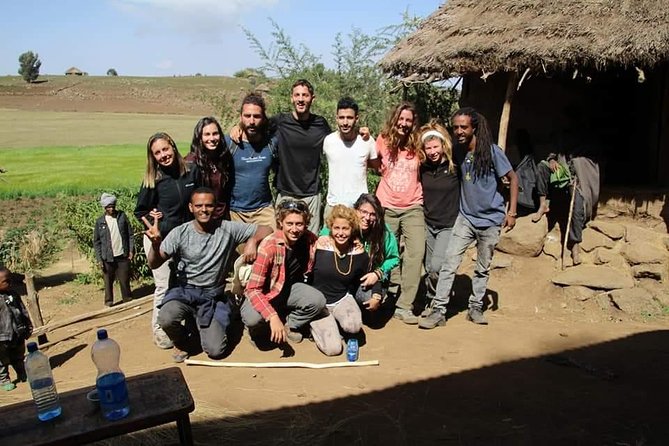
- Two full trekking days with a community stay between them
- Wildlife chances in the massif: including simian wolf, gelada baboon, and many birds
- Small group size (max 12) for better pacing and less crowd pressure
- Guide-led hiking with routes that include both scenery and local encounters
- Meals and 2 nights included, with drinks and tips left to you
Why this 2-day Lalibela trek feels different
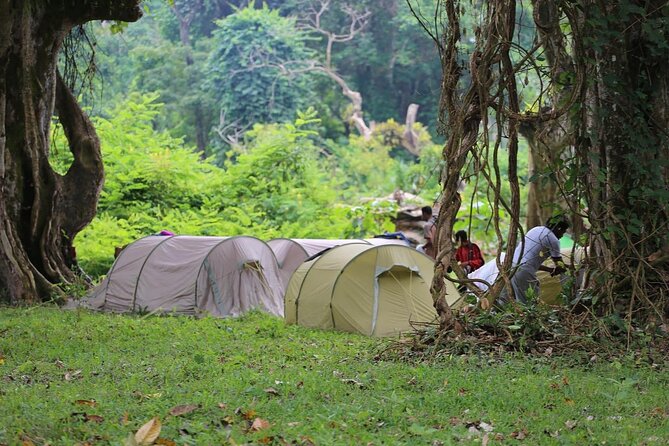
Most Lalibela trips focus on churches. This one gives you something else to hold onto: the trail itself, plus a night shared with a local family. That shift matters because you’re not just consuming highlights. You’re moving through the region at a human pace.
I also like that the itinerary is built around wildlife opportunities. The description calls out the massif’s animals, including endemic and rare species like the simian wolf and gelada baboon, plus many types of birds. You’ll never control what you see on a hike, but having the right time and guide experience makes wildlife spotting far more realistic.
If you’re the type who likes a day to feel active and grounded, this fits. If you’re after a mostly seated sightseeing day, you’ll probably find it too much.
You can also read our reviews of more tours and experiences in Addis Ababa.
Day 1: 5–6 hours on foot to a local community home
Your first day is a guided walk for about 5–6 hours. The route is described as passing through beautiful surroundings, and the pacing is geared toward staying together and actually noticing what’s around you.
What makes day one special is the end point: you sleep in a local community with a family. That kind of stop changes how you understand place. Instead of only looking at a culture from the outside, you get time in a home setting, which tends to bring out more natural conversations and shared routines.
A practical note: a long day like this usually means you’ll want to think ahead about footwear and foot care. If your legs get sore easily, this is the day to take it steady from the first hour. Better to save your energy than to “push through” and arrive stiff.
Day 2: hike to the high peak, then trek back to Lalibela
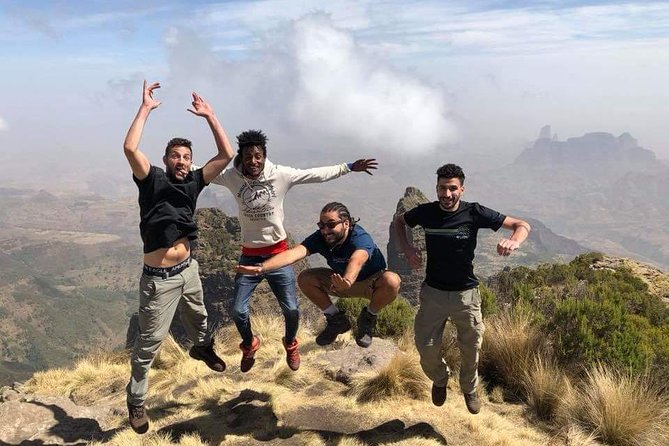
Day two starts with a hike to a high peak, followed by trekking back to Lalibela. The itinerary doesn’t give exact hours for day two, but it does make it clear that you should expect sustained effort, not a short nature walk.
The high peak part is the payoff section. Even when wildlife is quiet, a summit or viewpoint hike usually gives you a different sense of scale and distance. You’re seeing the region from above, and you’ll likely understand why people connect stories and daily life to these ridges and valleys.
Then comes the return trek. Expect tired legs by the time you’re headed back toward Lalibela. This is where having a patient guide helps, especially if someone in the group needs extra breaks or if the route requires careful footing.
Wildlife spotting: simian wolf, gelada baboon, and birds
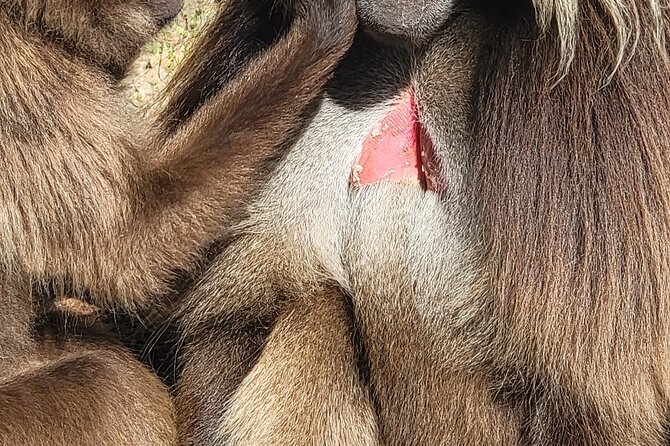
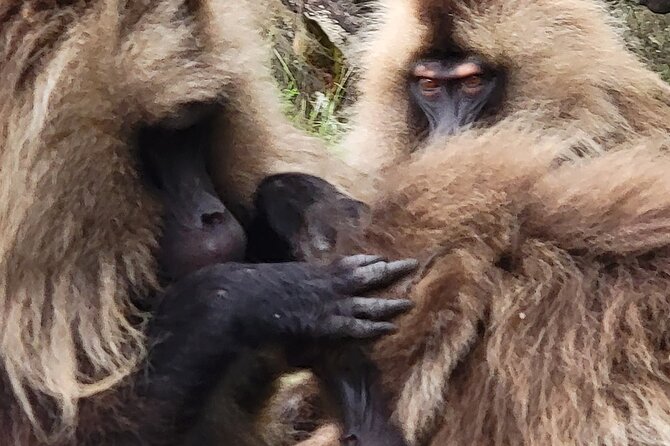
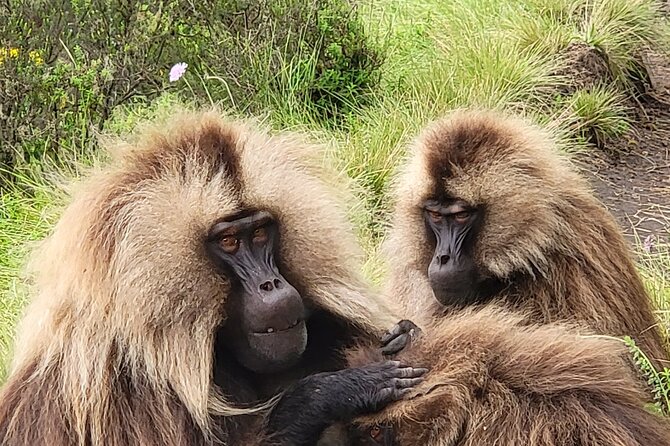
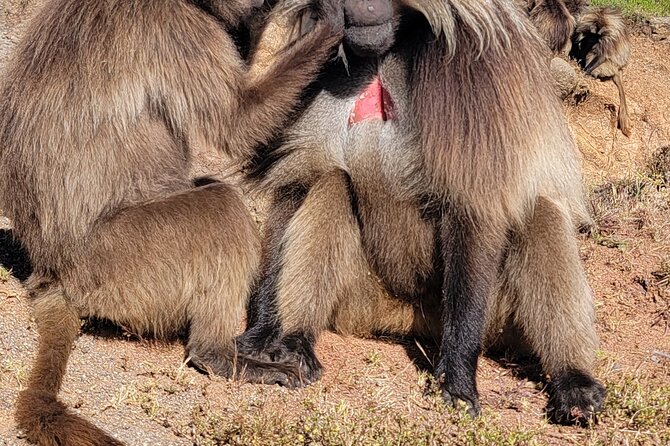
This tour’s wildlife angle is one of its biggest draws. The description specifically highlights endemic and rare simian wolf, the gelada baboon, and many types of birds. That’s a strong mix, and it tells me the route likely spends time where wildlife has chances to show itself.
Now the honest part: wildlife sightings are never guaranteed. What you can control is readiness. You’ll want to keep your eyes up, slow down when your guide signals, and avoid blasting through stops just to cover distance. On hikes, animals often appear when people pause and pay attention.
Bring whatever helps you see from the trail, like binoculars if you have them. And dress in a way that lets you stay comfortable enough to watch without constantly adjusting clothing. Wildlife spotting is less about speed and more about staying patient.
The guides: why personality matters on a trek
In small-group treks, the guide is not a side detail. It’s the whole experience.
The feedback tied to this operator includes guides such as Moges and Abebe, praised for being kind, helpful, funny, patient, flexible, and caring. That kind of temperament shows up in real ways: knowing when to slow down, handling different comfort levels in the group, and finding moments that feel human instead of rushed.
If you’re someone who wants more than generic facts, pay attention to that personal-touch element. One review highlights the value of a guide who shows you things beyond what you can read in guidebooks. That usually means better pacing, better explanations, and a higher chance of feeling connected instead of managed.
What you’re really paying for: value of the $250 price
At $250 per person for about two days, the value comes from what’s bundled. You get 2 nights accommodation plus breakfast, lunch, and dinner across both days. You also get guided trekking time, with pickup offered and the tour limited to a maximum of 12 travelers.
This is one of those prices where you should check what’s not included. Drinks and tips are not included. So if you’re used to budgeting for bottled water and soda inside the trip cost, you’ll need to add that separately.
But even with that, you’re paying for logistics you’d otherwise piece together yourself: lodging for two nights, meals, and a guide-led route across two demanding days. For many travelers, that “it’s handled” feeling is worth real money.
Pickup and the mobile ticket: small comforts that reduce stress

This experience offers pickup and uses a mobile ticket. Those sound like minor points, but they matter when you’re only in the country for a short time or you’re working around travel fatigue.
Pickup reduces the mental load of figuring out how to reach the starting area. A mobile ticket reduces the paper hassle. When you’re about to hike for hours, simpler check-in steps can help you stay calm and start on time.
Group size and pacing: max 12 travelers
With a maximum of 12 travelers, you should get a more controlled hiking rhythm than on big day trips. Smaller groups also give the guide more flexibility to manage questions, breaks, and wildlife pauses.
This affects your day directly. In a tight group, you’re less likely to feel like you’re being left behind, and it’s easier for your guide to read the energy level of the room. That’s important for an itinerary with a long day one walk and a peak hike day two.
Meals and the overnight community stay
The included meals are straightforward: breakfast (2), lunch (2), and dinner (2). That means you won’t be scrambling for food between hiking segments, and you can focus on walking, resting, and enjoying the day.
The standout meal-related part is the overnight with a local family. Even if you don’t speak the same language, shared mealtimes usually create shared rhythm. You may find the conversation is quieter than city travel, but the experience can feel more personal.
Since drinks are not included, I’d plan to cover water and any non-meal beverages yourself. On a trek, hydration and electrolytes matter, and it’s better when you’re not guessing mid-day.
Fitness reality check: moderate doesn’t mean casual
The tour states you should have moderate physical fitness. Day one is 5–6 hours of walking. Day two adds a high peak hike. That combination means you should be ready for sustained time on your feet, not just short sightseeing.
To make this more comfortable, I suggest building a simple plan before you go:
- Wear shoes you’ve already used on real walks
- Pack layers so you can adjust without slowing down too much
- Don’t go too hard at the start of day one
If you’re currently sedentary, or if you struggle with uphill walking, you might want a gentler itinerary. But if you can handle long walks at a steady pace, this should be within reach.
What to pack for a trek that runs on two full days
The itinerary doesn’t list gear, so I’ll stick to what’s logically needed for the demands it describes. You’ll be walking most of day one and hiking day two.
I’d bring:
- Comfortable hiking shoes with grip
- Daypack for water and snacks if allowed (meals are included, but you may want trail-time extras)
- Light rain layer or wind layer, if conditions change
- Sun protection (hat, sunglasses)
Also consider a small power plan. You’ll likely have limited moments for charging while hiking, so keep phone use practical.
Where this trek fits best in your Ethiopia plan
This is a good choice if you want a short, active trip that still has heart. Two days is long enough to feel like you left your routine behind, but short enough for travelers who don’t want to commit to a week.
It also fits well if you’re already visiting Lalibela for churches and want to add something different. Instead of cramming more monuments into your schedule, you trade part of your time for walking, wildlife chances, and community connection.
Should you book this 2-day trek around Lalibela?
I’d book it if you want more than a list of sights. The mix of guided trekking, a local community overnight, and the chance to see animals like gelada baboon and simian wolf makes it feel more like a journey than a checklist.
I’d think twice if your fitness level is low or if you dislike long days on foot. The itinerary is physically demanding by design, and day two’s high peak hike means you’ll want to arrive ready.
One final decision tool: if you value a guide who can balance pacing, safety, and personal touch, this tour looks promising based on how guides such as Moges and Abebe are described. That kind of guiding can turn a hard day into a satisfying one.
FAQ
How long is the trek?
It’s approximately 2 days.
What is the price per person?
The price is $250.00 per person.
Is pickup available?
Yes, pickup is offered.
Are meals included?
Yes. You get breakfast (2), lunch (2), and dinner (2).
Is accommodation included?
Yes. The tour includes 2 nights of accommodation.
What about drinks and tips?
Drinks and tips are not included.
How many people are in the group?
There is a maximum of 12 travelers.
What fitness level do I need?
The tour recommends a moderate physical fitness level.
Do I need a passport?
Yes. A current valid passport is required on the day of travel.
Is free cancellation available?
Yes. You can cancel up to 24 hours in advance for a full refund.