REVIEW · UBUD
Breathtaking Batur Sunrise Trekking
Book on Viator →Operated by Greenbike Adventure · Bookable on Viator
That pre-dawn darkness makes the sunrise hit harder. This Mount Batur sunrise trek from Ubud is built around a simple promise: small groups and a guide who tells the volcano story while you climb in the dark. I especially like the way the plan gets you to the summit in time for sunrise, plus the practical included gear (head light and trekking stick) that makes the climb feel less intimidating. The only real consideration is timing: your day starts at 1:00am pickup, so you’ll want to treat sleep like it’s part of the itinerary.
You’re looking at about a 7-hour total outing, with a steady climb that takes roughly two hours to reach the top. Then you hang out near the crater for breakfast as the sky turns from night to color. If you’re the type who hates rushing, this is a good fit because the pace is guided and designed for comfort, not speed.
One more thing to know: this is listed for moderate physical fitness, not “easy walk” mode. You don’t need to be an athlete, but you should be ready for uneven steps in the early hours.
In This Review
- Quick hits before you go
- First, the 1:00am pickup: why it changes everything
- The climb to the summit: what “two hours” really means
- Sunrise from the crater: breakfast, light, and a volcano story
- Stop at Kintamani: a quick start with the right payoff
- The Batur section: staying on track without feeling rushed
- Small groups up to five: why that pacing feels better
- Included gear and food: the value you can feel
- Price and value: $58 makes sense if you use the included parts
- Timing, comfort, and what to bring (without guessing temps)
- Who should book this Mount Batur sunrise trek
- Should you book with Greenbike Adventure for Mount Batur sunrise?
- FAQ
- What time does the Mount Batur sunrise trek start?
- How long does it take to reach the summit?
- Is hotel pickup and drop-off included?
- What’s included in the tour price?
- Is lunch included?
- Is a mobile ticket provided?
- What fitness level do I need?
- What’s the group size?
- Can I cancel for free?
Quick hits before you go
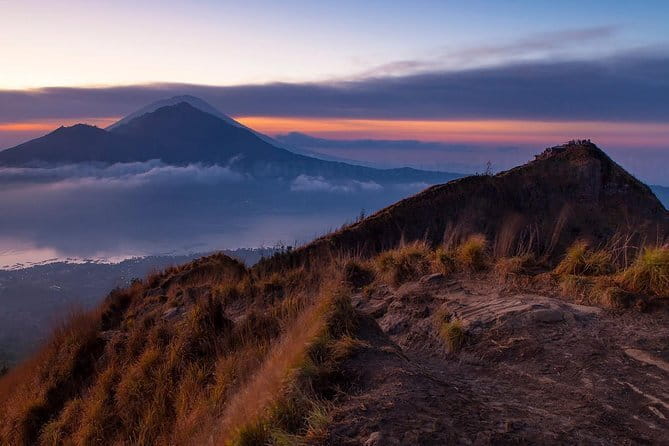
- Pickup at 1:00am means you’ll arrive at the mountain trailhead while the world is still dark
- Small groups up to five people help you move at a human pace and actually hear your guide
- Head light and trekking stick are included, which matters a lot on steep, dark sections
- Two hours to the summit keeps the sunrise timing realistic and not stressful
- Breakfast near the crater turns the summit wait into a full, satisfying pause
- Maximum 15 travelers overall still feels controlled, even if groups overlap
First, the 1:00am pickup: why it changes everything
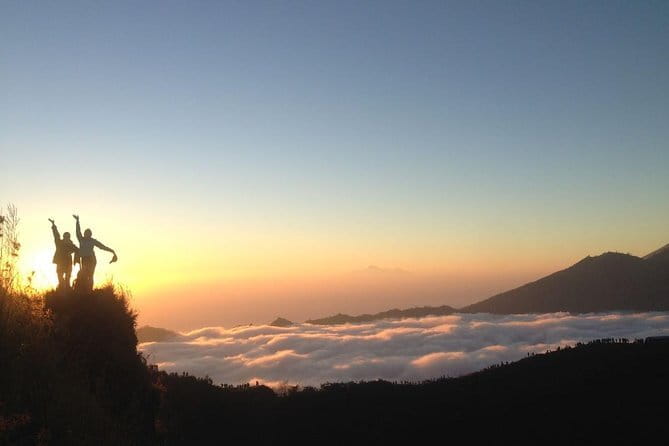
Mount Batur sunrise treks work because of the clock. Your day starts with pickup at 1:00am, and the goal is to reach the base area well before first light. In practice, that means you’ll be climbing while most people are asleep in town, using head lights and planning your footing step by step.
I like this setup because it removes the usual travel stress. You’re not trying to figure out timing on your own. Hotel pickup and drop-off are included, so you can focus on the real job: getting up the mountain and being ready to watch the sky change.
The trade-off is obvious but worth saying plainly: you’ll lose a big chunk of sleep. If you know you’re grumpy after early starts, plan your evening accordingly. Also, bring your patience for early-morning logistics. The payoff comes later, when you’re standing above Bali while the light slowly returns.
You can also read our reviews of more tours and experiences in Ubud.

The climb to the summit: what “two hours” really means
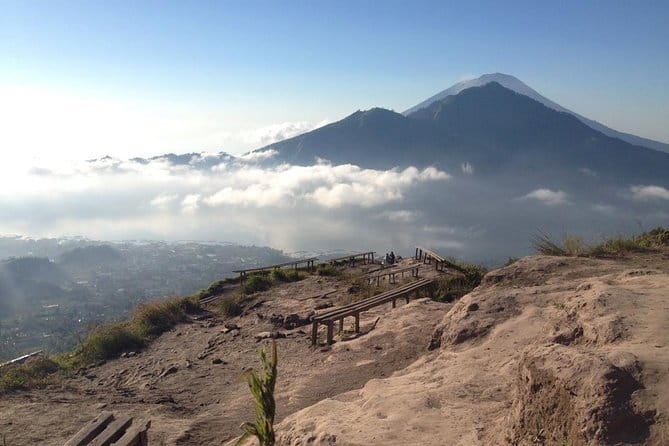
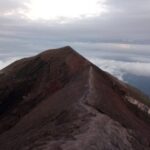
The climb is paced around a roughly two-hour route to reach the summit. That detail matters. A two-hour ascent isn’t a long-distance hike, but it’s long enough to feel the effort, especially in the dark when you can’t see how steep the steps are until you’re on them.
Because head lights and trekking sticks are included, you don’t have to show up with your own gear. The head light is a big deal; it keeps your hands free for balance on uneven terrain. The trekking stick is equally practical. Even if you usually hike without poles at home, you’ll likely appreciate having one for stability in the climb.
What you should expect from the experience is a guided rhythm. You’re not just following footprints; you’re with a professional guide who’s there for safety and pacing. That’s how you avoid the common “rush too fast, burn out, then miss the sunrise” problem.
Also, there are two different routes mentioned for climbing Mount Batur. The exact differences aren’t spelled out in your details here, but you can treat that as good news: if one route feels too intense on your day, you may have options. Just know you’re still signing up for an active trek, not a stroll.
Sunrise from the crater: breakfast, light, and a volcano story
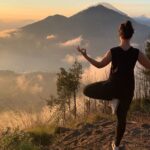
Once you reach the summit, the moment you’ve been chasing takes over. The description promises sunrise views from the top, and it also builds in time around the crater area.
One of the best parts of this style of trek is what happens after the climb. You don’t just “arrive and leave.” You settle in, and breakfast is provided around the crater. That transforms the waiting time from cold, awkward standing into something actually enjoyable and practical.
Your guide also adds context. This tour is set up with local storytelling, including an ancient-style narrative about the volcano eruption. I like this because it gives meaning to what you’re seeing. When you’re on a volcano at sunrise, the visuals can be impressive on their own, but the story makes you look a little harder at the shape of the mountain and the way Bali is surrounded by volcanic terrain.
Timing is tight, but not chaotic. The experience is designed to get you up for the sunrise without making the plan feel like you’re sprinting. And based on how the day is structured, it’s the kind of trek where you’ll get a few minutes to take it all in before moving on.
One more small detail that’s worth keeping in mind: the area near Mount Batur can have monkeys. If they’re around when you’re there, your guide may help you slow down long enough to enjoy the moment safely before heading forward.
Stop at Kintamani: a quick start with the right payoff
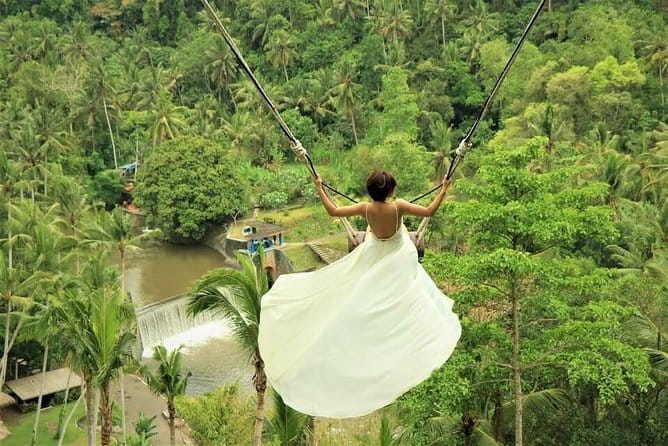
Your first listed stop is Kintamani, where you begin the experience. It’s short—about 15 minutes—and admission is listed as free. Think of it as the “get oriented” moment. You’re likely gathering with the group, confirming your gear, and getting the guide’s instructions before the real climb.
Even with a short stop, I like that it’s included because it makes the trek feel grounded. You’re not jumping straight into a steep climb with no setup. You get a moment to settle, adjust your head light, and make sure you’re ready to move.
Kintamani also matters visually. Even if the big view is reserved for sunrise, this part of Bali gives you that volcanic rim feeling: you’re close to the action, and the area is clearly shaped by the earth beneath it.
The Batur section: staying on track without feeling rushed
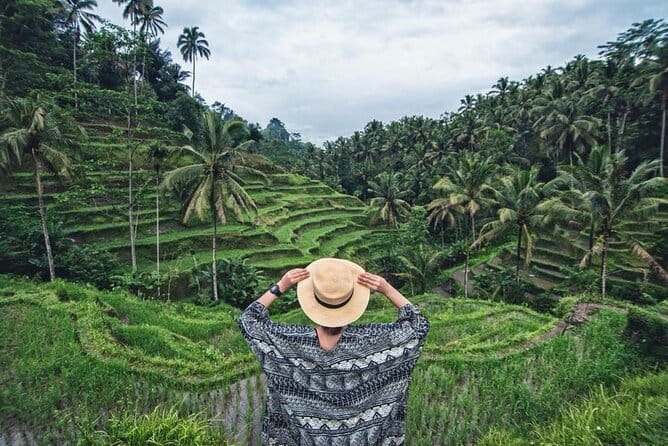
There’s a second listed stop connected with Batur. It’s listed as 4 minutes, with admission listed as free. In a practical sense, this is likely the transition area where you align with your guide and keep the route moving smoothly.
Short stops like this are common on sunrise treks, and that’s not a problem. What you want is not a long “tour bus detour.” You want momentum in the dark and a plan that protects sunrise timing.
The best part here is that the structure supports pacing. You’re not constantly stopping for small things, which helps you keep warmth and energy as you climb. It’s also one reason the summit plan feels realistic instead of stretched.

Small groups up to five: why that pacing feels better
This tour makes a clear point about group size: maximum five people in one group. That’s a huge practical advantage on a steep, early-morning climb. With fewer people, your guide can manage pace without leaving folks behind or forcing anyone to surge ahead.
You also get a better experience in the storytelling portion. When there are fewer people, your guide’s conversation doesn’t get swallowed by group noise. And if the climb slows down because you need a breather or you want a better look at the horizon, a smaller group makes that easier.
There’s also a stated maximum of 15 travelers for the overall activity. That matters because it gives you a sense that the tour stays controlled even if multiple groups happen together. It’s not a packed, you-can’t-move crowd scene, which is exactly what you want for sunrise.
Included gear and food: the value you can feel
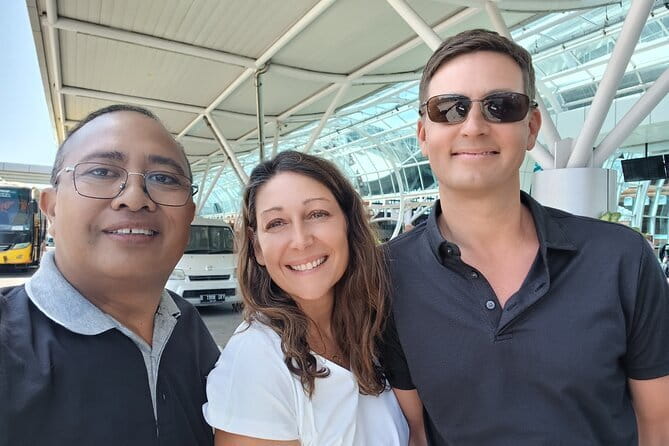
Here’s what’s included, and why it matters more than you might expect:
- Hotel pickup and drop-off: you don’t have to solve transport at night
- Professional guide: not optional for a volcano sunrise trek
- Head light: keeps you stable and able to see your footing
- Trekking stick: helps with balance on uneven steps
- Light refreshments, snacks, and bottled water: helps you get through the climb and the post-summit wait
- Breakfast near the crater: the big reward after the effort
Lunch is not included. That’s not unusual for this kind of sunrise outing, but it’s important for your planning. You’ll likely finish this trek and then eat later, ideally somewhere convenient near where you’ll be dropped off.
The price is also positioned around these inclusions. You’re not just paying for a view. You’re paying for gear, guidance, and the early-morning logistics that would be annoying and risky to DIY.
Price and value: $58 makes sense if you use the included parts
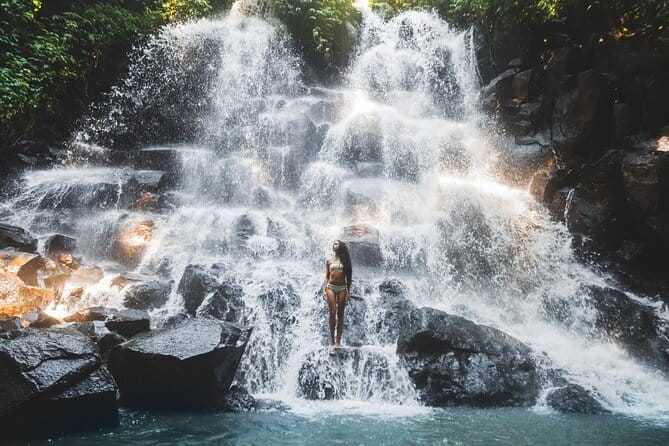
At $58 per person, this trek is priced like an organized Bali day rather than a random hike. On paper, that might sound like “just a sunrise.” In reality, you’re paying for several things that add up fast:
- early pickup and drop-off
- a professional guide for a steep climb
- head lights and trekking sticks
- water and snacks during the climb and wait
- breakfast near the crater
If you were trying to piece it together alone, you’d need transport, safe planning, and gear. Even if you already own poles and a headlamp, you still need a plan for the timing and sunrise coordination.
So I see this price as fair value for the time commitment. Especially if you care about not getting stuck in a crowd, the small group structure gives this trek extra weight for the money.
Timing, comfort, and what to bring (without guessing temps)
The tour starts at 1:00am pickup and runs about 7 hours. That means you’ll want to treat this like a full day, just one that flips normal schedules.
You’re already getting the essentials for the dark climb: head light and trekking stick. Still, you should consider bringing your own basic comfort items, like a warm layer you can tolerate while waiting for sunrise. The provided info doesn’t spell out the weather range, but early mornings in higher elevations can feel colder, especially during the slow wait at the top.
Good footwear matters too. Your details don’t specify shoes, so follow common sense: sturdy shoes for uneven steps and a grip that feels secure.
And because snacks and water are included, you won’t be “starving on the way up.” But lunch isn’t. Plan for a meal after the trek so you don’t end the day hungry.
Who should book this Mount Batur sunrise trek
This tour fits best if you want:
- a sunrise experience with a guide-led, controlled pace
- a trek that’s active enough to feel like an accomplishment, but not measured in half-day marathons
- small group attention, especially on a steep climb
- a day built around breakfast near the crater instead of a quick “check the box” moment
It may not be ideal if:
- you hate early mornings and can’t function after 1:00am pickup
- you’re not comfortable with a moderate fitness effort on uneven terrain
- you’re expecting lunch to be included as part of the price
Minimum age is 18, and the tour specifies moderate physical fitness. Minimum booking is 2 people, so if you’re traveling solo, you’ll need to check how the provider can pair you (your booking can still be for two or more).
Should you book with Greenbike Adventure for Mount Batur sunrise?
I’d book it if you want sunrise without the chaos. The combination of small groups, included gear, and a plan that gets you to the summit in about two hours is exactly what you need for a smooth experience. You’re also not just walking up and back. You get breakfast around the crater and a guide story that gives the volcano a human shape.
Skip it if you’re a “sleep is sacred” traveler or if moderate climbing sounds like a stress test for your body. Also, if lunch being excluded will ruin your day, plan your post-trek meal before you go.
If you’re on the fence, compare your priorities: do you value a guided, gear-supported sunrise trek more than flexible touring time? This tour leans hard into the sunrise mission, and that’s the point.
FAQ
What time does the Mount Batur sunrise trek start?
Pickup is at 1:00am, and the overall experience lasts about 7 hours.
How long does it take to reach the summit?
It takes about two hours to reach the summit.
Is hotel pickup and drop-off included?
Yes. Hotel pickup and drop-off are included.
What’s included in the tour price?
Included are light refreshments, snacks, bottled water, a professional guide, hotel pickup and drop-off, head light, and a trekking stick.
Is lunch included?
No. Lunch is not included.
Is a mobile ticket provided?
Yes. A mobile ticket is part of the tour.
What fitness level do I need?
The tour asks for a moderate physical fitness level.
What’s the group size?
The group is kept small, with a maximum of five people in one group. The overall activity has a maximum of 15 travelers.
Can I cancel for free?
Yes, you can cancel for a full refund up to 24 hours in advance of the experience’s start time.