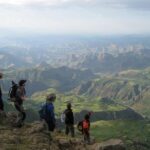
Ethiopian wolf country starts with a short flight. This 3-day trek in Bale Mountains National Park strings together high-altitude views, forests, and a real chance to spot some of Ethiopia’s most unusual wildlife. You’ll leave Addis Ababa by late morning, land at Bale Goba, and then start moving through the park’s different habitats.
I especially like that the plan mixes easy to moderate walking with big elevation moments like the Sanetti Plateau. I also like the way the trip is set up for wildlife focus, from a first woodland walk for antelope families to serious time on the plateau where the Ethiopian wolf is the star.
One consideration: the altitude is real. You’re heading up around 4,000–4,377m at points, and even if the walking itself isn’t too intense, you’ll want to come with moderate fitness and warm layers.
In This Review
- Key highlights you should care about
- Bale Mountains National Park: why this trek feels different
- Day One: Addis Ababa to Bale Goba, woodland walk, and the Goba overnight
- Day Two: Sanetti Plateau up around 4,000m, Tullu Deemtu, and Harenna forest
- Day Three: a short final hike and the return to Addis Ababa
- Guides and pacing: why this trip often nails the details
- Price and value: what makes it cost about $1,538.47
- Getting ready for altitude: moderate fitness, warm layers, and slower steps
- Wildlife you might spot, and how to stay focused without stressing
- Who should book this 3-day Bale Mountains trek
- Should you book Bale Mountains 3 Days with this operator?
- FAQ
- How long is the Bale Mountains 3-day trekking tour?
- What time do we meet on the first day?
- Where do we fly to during the trip?
- Is pickup offered, and where is the end drop-off?
- What’s included in the price?
- What is not included?
- How many people are in the group at most?
- What fitness level do I need?
- Can I cancel for free, and how far in advance?
Key highlights you should care about
- Sanetti Plateau (around 4,000m): the park’s main high-elevation zone tied to Ethiopian wolf habitat
- Tullu Deemtu (4,377m): a big altitude point on the route toward Harenna forest
- Wildlife-first timing: early daytime hours built around the most likely sighting areas
- Guide-driven experience: multiple guides are praised for finding animals and explaining what you’re seeing
- Small group: max 15 travelers, which makes pacing and finding each other easier
Bale Mountains National Park: why this trek feels different
Bale Mountains National Park isn’t just scenic hiking. It’s one of Ethiopia’s best places to connect wildlife, habitats, and endemism in a small geographic space. The park is recognized as a Biodiversity Hotspot, largely because the losses would be bigger here than in many other areas of similar size. UNESCO and conservation groups flag the potential collapse of habitats if they decline, including species found nowhere else.
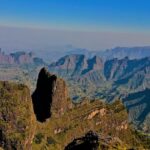
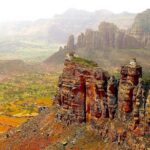
What makes it memorable is the mix of ecosystems you pass through. You start at lower woodland areas where you can see antelope families. Then you climb into the afro-alpine world around the Sanetti Plateau, where the Ethiopian wolf is the headline species. After that, you move toward the Harenna forest, which changes the feel of the trip from open plateau to more forested scenery and different animal rhythms.
If you care about more than just photos, the park is also a lesson in how ecosystems stack. Even in just 3 days, you get the sense that altitude controls temperature, vegetation, and which species show up where.
You can also read our reviews of more tours and experiences in Addis Ababa.
Day One: Addis Ababa to Bale Goba, woodland walk, and the Goba overnight
Your day starts with a 9:00am meeting point. In practice, that means you’re getting moving early enough to catch your flight the same day. The schedule calls for a flight at 11:45 from Addis Ababa to Bale Goba. Once you land, the day shifts quickly from travel mode to park mode.
After arrival, you’ll handle the basic setup and then go for a short, easy hike around the park’s headquarters area, in the woodland section. This is the day to slow down and get your bearings. You’re not trying to conquer altitude yet. Instead, you’re looking for movement and activity closer to the antelope world—exactly the kind of warm-up that helps if you’re traveling from sea-level or you’re still stiff after your journey.
Later, you’ll drive toward Goba for the overnight. The drive is described as 45km from Dinsho, so you’re not spending the evening on the road. You’ll have dinner and an overnight stay at the hotel. This matters more than it sounds. After a flight and a first hike, you want real recovery time so the next day’s altitude doesn’t hit you harder than it should.
Day Two: Sanetti Plateau up around 4,000m, Tullu Deemtu, and Harenna forest
Day two is the heart of the trek. You begin with breakfast, then transfer toward the Sanetti Plateau. The altitude is around 4,000m, described as the largest afro-alpine area in Africa. This is where the trip earns its wildlife reputation, because the plateau is tied to sightings of the Ethiopian wolf.
The walk time itself is part of the story, but so is the drive and the staging. At these heights, your body feels the change even if the route isn’t long. Expect longer breaths, slower steps, and more time looking at the horizon. If you’re the type who likes to photograph, this is also where patience pays off. High-country wildlife often shows itself in brief windows, and your guide’s spotting ability is a big factor.
From the plateau, the route continues via Tullu Deemtu (4,377m). This is noted as the second-highest point in Ethiopia, so even if you don’t spend all day at the summit, you’re moving through altitude that can be demanding. Think of this as the trip’s vertical peak moment.
After that, you proceed toward Harenna forest. The shift is important: your surroundings change, your soundscape changes, and it feels like a new chapter rather than the same scenery with higher stakes. The total time listed for day two is about 8 hours, so plan to eat and hydrate well. You’ll want to dress for temperature swings, not just for one steady daytime condition.
Practical tip: bring layers you can adjust quickly. At high elevation, it can be chilly on the walk and then cooler again in wind or shade. Warm clothing is not optional advice here.
Day Three: a short final hike and the return to Addis Ababa
After breakfast, the plan includes a little hike in the park. This is a good way to end on a lighter note after the altitude-focused day before. It also gives you a final chance to notice what you might have missed earlier—track patterns, bird calls, and the small changes in vegetation that tell you you’re leaving one habitat zone and entering another.
Then it’s time to fly back. The schedule calls for a midday flight to Addis Ababa. Back in the city, you’ll be picked up from Bole Airport in the late afternoon and dropped to your hotel. That final transfer is a relief if you’ve been carrying a daypack and dealing with time changes in the mountains.
Net effect: you don’t end the trek exhausted. You end it with enough structure to get back into Addis Ababa without scrambling.
Guides and pacing: why this trip often nails the details
This tour is built for wildlife and nature, so the human factor matters. The experience is run with local guides, and many outings get praised for exactly two things: clear communication and the ability to find animals or interpret signs without rushing you.
In particular, names that come up repeatedly include Mohamed, Mamush, and Ibrahim, plus others like Ahmed and Ayouba. What you should take from that is not celebrity. It’s competence. Guides are often described as helping with everything from timing to comfort, and for some groups, even offering extra input for people working with cameras and film.
Also, keep the max group size of 15 in mind. Small groups are easier to manage on narrow paths and in wildlife zones where you don’t want everyone charging forward. A smaller headcount helps the guide keep a calm rhythm—important when altitude makes you want to speed up, but wildlife sightings often reward slower movement and quiet focus.
If you like an experience that feels planned but not rigid, this pacing style is usually a good match.
Price and value: what makes it cost about $1,538.47
At $1,538.47 per person, this isn’t a budget stroll. The value comes from the blend of things that would otherwise be hard to piece together yourself:
- Park access costs: entrance fees are included
- Ground logistics: an air-conditioned vehicle is included for transfers
- Support and organization: the tour handles the pacing across multiple zones
- Meals: breakfast is included for 2 days
- Core timing: the schedule is built around internal flights to reach and return from Bale areas quickly
The price also reflects the reality that Bale Mountains isn’t next door. Even though the trek is only 3 days, you’re doing high-elevation travel plus protected-area access plus domestic flight connections.
What’s not included is also clear. Alcoholic drinks aren’t included, and you’ll cover personal expenses like internet, telephone, and laundry. So if you’re used to paying for everything daily, the trip can feel pricier than it is because you’ll have fewer meals that are fully on your own.
Before booking, I suggest you confirm that your specific quote includes the domestic flight components implied by the schedule. The itinerary uses flights (to Bale Goba and back), and you want zero surprises about what’s covered.
Getting ready for altitude: moderate fitness, warm layers, and slower steps
The trip asks for moderate physical fitness. That doesn’t mean you’ll hike for hours every day. It means you should be able to handle uneven footing and changes in breathing at elevation.
Here’s the altitude reality to respect:
- Sanetti Plateau is around 4,000m
- Tullu Deemtu is listed at 4,377m
Even if your walking feels manageable, your body can get testy at 4,000m. You’ll likely move slower, drink more water, and need more breaks than you’d expect at lower elevations. Warm clothing is specifically a theme in the feedback you’ll see from other hikers, and it makes sense: cold air plus wind plus time outdoors adds up fast.
What you should pack (practical, not fancy):
- Layered warm clothing for wind and early starts
- Comfortable hiking shoes with grip
- A daypack for water and layers
- Sunscreen and a hat if the sun is strong in the plateau zones
If you’re prone to altitude headaches, bring it up before you go and talk to your doctor about prevention. Bale is beautiful, but it doesn’t negotiate with your physiology.
Wildlife you might spot, and how to stay focused without stressing
Bale’s big-name species are the Ethiopian wolf and mountain nyala, plus smaller stars like the giant mole rat and Bale monkey. The park is also home to rare amphibians, endemic birds, and striking flora, which is part of why conservation groups care so much.
In the day-by-day structure, you’re set up for wildlife-style hiking:
- Day one brings you into woodland areas where you can look for antelope activity.
- Day two centers on the plateau zone where the Ethiopian wolf is the main target.
- Day three gives you a quieter closing hike with one last chance for signs.
Some groups also describe seeing other animals like monkeys and hyena, plus even things like warthogs near campsites on similar Bale routes. I’d treat those as lucky add-ons rather than guarantees. Your best mindset is curiosity plus patience.
How to improve your odds without turning it into a frantic chase:
- Follow your guide’s pace and stopping points.
- Keep some quiet time. Wildlife often shows up when people aren’t constantly talking and moving.
- Watch for movement in the grass and along edges. At high elevation, animals blend into vegetation in a way that looks invisible until it moves.
Who should book this 3-day Bale Mountains trek
You’ll probably love this trek if you:
- Want a serious national park experience in only 3 days
- Like wildlife and habitat variety rather than one single scenery type
- Are comfortable with moderate hiking and altitude up around 4,000m
- Prefer a structured plan with a small group and clear daily rhythm
You might think twice if you:
- Want fully low-elevation walking throughout
- Struggle with breathing changes at altitude
- Need very long, gentle walks with no elevation effects
This is a good fit for nature enthusiasts, wildlife watchers, photographers, and hikers who want a real sense of place rather than just ticking off a trail.
Should you book Bale Mountains 3 Days with this operator?
If you want a compact trek that mixes Sanetti Plateau highland time with Harenna forest variety, this is a strong choice. The access setup is practical, and the included park fees and organization save you a lot of time. The guide factor is a big part of why this experience tends to land well for people, and the best results usually come when you respect the altitude pacing and dress for cold.
My call: book it if your body can handle 4,000m and you’re excited by wildlife and ecosystems. Skip it only if altitude is a hard no for you or if you’re looking for an easy walk at low height.
FAQ
How long is the Bale Mountains 3-day trekking tour?
The tour is listed as 3 days (approx.).
What time do we meet on the first day?
The meeting point start time is 9:00 am.
Where do we fly to during the trip?
The schedule includes a flight at 11:45 to Bale Goba, and then a midday flight back to Addis Ababa on the last day.
Is pickup offered, and where is the end drop-off?
Pickup is offered. On the final day, you are picked up from Bole Airport late afternoon and dropped to your hotel.
What’s included in the price?
Entrance fees are included, along with an air-conditioned vehicle, all fees and taxes, and breakfast for 2 days.
What is not included?
Alcoholic drinks are not included. Personal expenses like internet, telephone, and laundry are also not included.
How many people are in the group at most?
The tour/activity has a maximum of 15 travelers.
What fitness level do I need?
The tour says travelers should have a moderate physical fitness level.
Can I cancel for free, and how far in advance?
Free cancellation is available. You can cancel up to 24 hours in advance for a full refund.