Mardi Himal hits hard with mountains and calm. This short Annapurna trek feels quieter than the headline routes, yet you still get famous scenery like Machapuchare. I also like how the route moves through rhododendron forest and climbs toward high viewpoints in only 5 days, so you get variety without committing to a long expedition.
The main drawback to plan around is altitude. You’ll climb to roughly the 3300m area and spend several days hiking, so if you’re not used to walking uphill for hours, it can feel tough even though the trek is marketed as suitable for average fitness.
In This Review
- Key highlights worth knowing
- Why Mardi Himal feels different in just 5 days
- From Pokhara to Kande: your trek’s starting tempo
- The Annapurna trail you actually walk: forests, streams, and climbs
- Machapuchare views on a shorter schedule
- Tea houses and meals: simple, included, and practical
- Guides and porters: small team, big difference
- Trek fit: moderate fitness, real effort, smart pacing
- Price and logistics: what you’re really paying for
- When a private trek is worth it
- A quick word on cancellations
- Who should book Mardi Himal, and who should think twice
- Should you book this Mardi Himal trek?
- FAQ
- What is the duration of the Mardi Himal trek?
- Where does the trek start and end for local transport?
- What meals and accommodation are included?
- Are permits included in the $500 price?
- Is a porter included, and does it differ for solo trekkers?
- What are the main items not included?
- What is the cancellation window?
Key highlights worth knowing
- Quieter feel in the Annapurna region: fewer crowds than many famous Everest-facing routes
- Big views in a short window: a focused 5-day plan in the Mardi Himal area
- Forest-to-alpine rhythm: rhododendron paths, then higher mountain scenery
- Tea house base each night: simple lodging with meals included
- Permits and taxes handled: ACAP and TIMS included in the price
- Porter support is built in (shared): 1 porter for every 2 people, with a solo exception
Why Mardi Himal feels different in just 5 days
Mardi Himal is a great match if you want Himalayan drama without spending weeks on the trail. The whole point of this trek is balance: you get long mountain sightlines and changing scenery, but the schedule stays tight enough that you can feel like you actually finished a hike at the end of Day 5.
What I like most is the less crowded vibe. When you’re hiking in Nepal’s Annapurna region, it’s nice to have space to enjoy your breaks and take photos without constantly stepping aside for a constant line of people.
Second, I love the mix of nature stages. You start in forest trails and gradually move toward higher, harsher ground, so every day has a different feel. That matters on a short trek because you’re not stuck with the same view for all five days.
You can also read our reviews of more tours and experiences in Pokhara.
From Pokhara to Kande: your trek’s starting tempo
Your trip is based out of Pokhara, and you get local transport from Pokhara to Kande. In practical terms, that means you’re not spending the first day figuring out roads, buses, or timing. The trek starts where the trail network makes sense, and you can focus on walking.
You’ll also see an 8:15 pm start time listed. For most people, that likely means an evening pickup/meeting and a prompt plan for the next morning. So if you’re coming in from Kathmandu or elsewhere, don’t book a late-night arrival with no buffer.
Because this is a private experience, you’re not sharing the trek with strangers beyond your group. That’s a real advantage on a shorter trek. You can keep your pace consistent, ask more questions, and avoid the stop-start energy that sometimes comes with larger shared groups.
The Annapurna trail you actually walk: forests, streams, and climbs
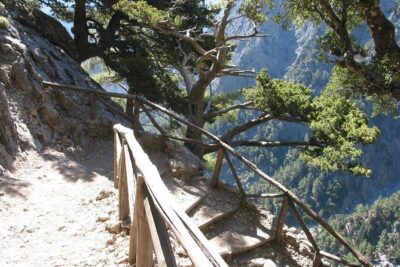
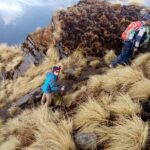
Over the course of the trek, you pass through the Annapurna region’s classic mix: rivers and streams, forest sections, and then higher terrain. The route is described as winding along small paths through ancient rhododendron forest. That detail matters because it tells you the trail won’t feel like a wide road.
You’ll also climb out around the 3300m area. Even if you’re not counting meters like a mountain guide, this is the kind of altitude where your body notices the change. Expect slower walking and more careful breathing, especially if you start the day fast.
One more thing to keep in mind: this trek is becoming more popular as a newer route. That doesn’t mean it’s packed like the most famous trails, but it does mean you should pack for the possibility of busier tea house corridors and more people at viewpoints during peak times.
Machapuchare views on a shorter schedule
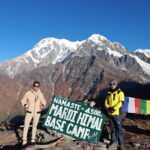
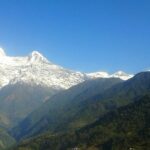
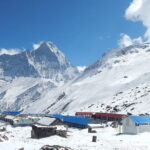
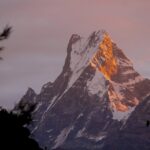
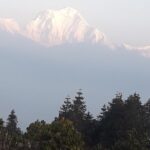
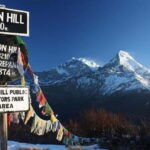
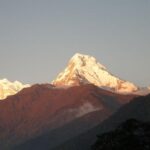
If you’re chasing famous Himalayan scenery, Mardi Himal is built for that goal. The trek plan highlights Machapuchare in the mix of mountain vistas, alongside broad views of the Himalayan range.
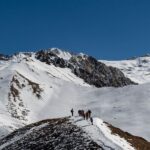
A shorter trek can be a win here. When you only have 5 days, you want “payoff views” without needing a long recovery period. The path shifting from forest to higher terrain helps because the views generally start to feel more dramatic as you gain elevation.
Still, manage expectations on timing. High-mountain viewpoints depend on weather and cloud cover, and the itinerary length doesn’t guarantee perfect skies every day. If you only come once, bring a calm mindset: you’re buying the chance to see the mountains, not a ticket to a specific photo in specific lighting.
Tea houses and meals: simple, included, and practical
This trek uses tea house accommodation, which is exactly what it sounds like: basic lodging along the route. The included package covers meals 3 times a day, plus cup of tea or coffee with meals. For many hikers, this is the difference between a fun trek and a stressful trek.
Here’s the practical part you should plan for: tea house food is usually limited by what’s available in the area and how far supplies need to be carried. Since meals are included, you avoid the budget roulette. But you’ll still want to be open-minded with what’s on the menu.
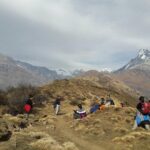
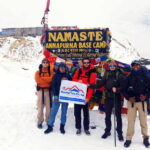
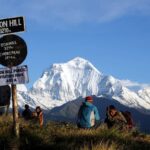
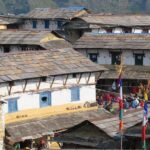
One strong theme in the experience is that the food helps you stay fueled while you work uphill. People also highlight mountain and tea house scenery together, which tells me the route is scenic even when you’re not at the highest viewpoint.
Guides and porters: small team, big difference
The trekking company is Everest Trekking Routes Pvt. Ltd. The biggest day-to-day value on a trek like this isn’t the paperwork—it’s the people managing pace, safety, and details you won’t think about until you need them.
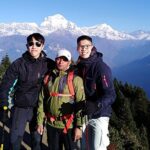
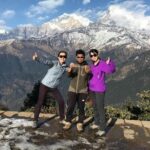
Across the experience, guides like Sushil Gurung and Phul Gurung show up repeatedly in the stories. You’ll also see other names tied to strong service, including Robin, Sobit, and Sandesh. The consistent pattern: guides handle logistics and keep things running smoothly, while still being friendly and attentive on the trail.
Porters are also a major factor. The plan includes porter support at a ratio of 1 porter for 2 people, which is a big deal on a 5-day trek. Less weight in your hands means you can spend your energy moving steadily. Solo hikers should note there is no porter provided for solo trekkers, so you’ll carry your own gear.
Trek fit: moderate fitness, real effort, smart pacing
This trek is described as suitable for most people of average fitness, and it also lists a moderate physical fitness level as the recommendation. That doesn’t mean it’s easy; it means the route is designed so a motivated hiker can finish it without needing technical skills.
Your success will come down to pacing more than athleticism. On steep forest sections and altitude gains, the winning strategy is steady effort and breaks when your body asks for them. If you can walk uphill comfortably for several hours at a time, you’re in the right target group.
Also, consider how you respond to altitude. Even without exact daily altitude numbers, you should assume that the climb to around 3300m will make you breathe harder. Drink water regularly, keep moving between rests, and don’t treat every uphill section like a sprint.
Price and logistics: what you’re really paying for
At $500 per person, this 5-day trek is priced in a way that often feels fair once you separate included essentials from optional add-ons.
Here’s what’s included in the cost:
- Local transport Pokhara to Kande and Siddhing to Pokhara
- Meals 3 times a day plus tea/coffee
- All permits (ACAP and TIMS)
- Tea house accommodation
- Porter support: 1 porter for 2 people (no porter for solo trekkers)
- Government taxes
What’s not included:
- Hotels in Kathmandu and Pokhara
- Kathmandu to Pokhara transport and the reverse
- Domestic flights
- Personal expenses
- Tips for guide/porters/driver
This matters because a lot of “cheap” trekking deals get expensive fast once you add permits, meals, and logistics. Here, those core items are already covered, so you can budget mainly for your gear, snacks, and personal spending.
One more pricing reality: this trek is popular enough that it’s often booked in advance (the average booking window is about 87 days). If you’re going in a busy season or traveling with specific dates, don’t wait until the last minute to lock something in.
When a private trek is worth it
This is listed as a private tour/activity, meaning only your group participates. For some people, that might not matter. For a trek, it often does.
You’ll likely appreciate it if:
- You want a consistent walking pace without group-speed tug-of-war
- You prefer more space at breaks and in tea houses
- You want to ask questions about routes, conditions, or gear without feeling rushed
If you love meeting new people and don’t mind sharing space, you could choose a larger group option elsewhere. But for most hikers who want a smooth, short trek, private tends to feel more relaxed.
A quick word on cancellations
If plans change, the offer includes free cancellation with a window up to 24 hours before the experience starts for a full refund. The practical takeaway is simple: treat your booking like travel, not like a guarantee—keep your schedule flexible enough to use that refund option if needed.
Who should book Mardi Himal, and who should think twice
This trek fits best if you want:
- A 5-day Annapurna experience rather than a longer multi-week commitment
- A trail that moves from forest into higher mountain scenery
- Included comfort basics like tea house lodging and meals
- Guided support and porter help (especially in shared groups)
It might be less ideal if:
- You’re very new to hiking and uphill effort
- You’re traveling solo and don’t want to carry your own gear
- You need exact altitude guarantees or perfect weather outcomes
If you’re the kind of traveler who enjoys walking, tolerates simple accommodations, and wants mountain views without the mega-crowd atmosphere, Mardi Himal is a strong fit.
Should you book this Mardi Himal trek?
I’d say yes if you’re chasing Himalayan scenery on a short timeline and you want the practical pieces handled: permits, tea house stays, meals, and local transport. The price makes sense when you compare what’s included, and the recurring highlight is how well the guides and porters support the hike.
I’d think twice only if altitude and uphill hiking feel intimidating right now. If you handle moderate climbs and you’re willing to pace yourself, you’re exactly the kind of traveler this trek is designed for.
FAQ
What is the duration of the Mardi Himal trek?
The Mardi Himal Trek is listed as lasting 5 days (approximately).
Where does the trek start and end for local transport?
Local transport is included from Pokhara to Kande, and from Siddhing back to Pokhara.
What meals and accommodation are included?
You get meals 3 times a day (breakfast, lunch, and dinner) with a cup of tea or coffee. Tea house accommodation is included during the trek.
Are permits included in the $500 price?
Yes. The price includes all permits, including ACAP and TIMS, plus government taxes.
Is a porter included, and does it differ for solo trekkers?
Porters are included at a ratio of 1 porter for every 2 people. Solo trekkers do not get a porter.
What are the main items not included?
Not included are hotel stays in Kathmandu and Pokhara, transportation between Kathmandu and Pokhara, domestic flight fare, personal expenses, and tips for guide/porters/driver.
What is the cancellation window?
You can cancel up to 24 hours in advance for a full refund. If you cancel less than 24 hours before the experience starts, the amount paid is not refunded.