REVIEW · MARRAKECH
Toubkal & Berber Villages Trek
Book on Viator →Operated by Maachou Mohamed · Bookable on Viator
Toubkal feels close when you’re led right. This trek in Morocco’s High Atlas climbs Mt. Toubkal while you walk between Berber villages, with guides, cooks, and mules taking the strain so you can focus on the trail. It’s also built around staying in gites and mountain huts, not just passing through.
I love how supported this trip is: you’re never on your own, and the team runs the day-to-day stuff so you can enjoy the mountain rhythm. I also liked the human touch from the real operator and leader—Mohamed and Hamid were praised for communication and attentiveness. One consideration: this is for people with moderate physical fitness, so if you want an easy stroll, you’ll probably find the climb and altitude a bit demanding.
In This Review
- Quick hits before you go
- From Marrakech to the High Atlas: what this trek really delivers
- The guide team (Mohamed and Hamid) and why “supported” changes everything
- What your five days are like: villages, valleys, and the summit push
- Walking days: changing terrain and village-to-village progress
- Rest and recovery nights: gites and mountain huts
- Summit day: the high point of the whole route
- Meals and tea: simple food that fuels real mountain hiking
- Luggage, mules, and the practical comfort of being able to hike light
- Price and value: what $325.21 buys you in the real world
- Who should book this trek—and who should think twice
- Should you book the Toubkal & Berber Villages Trek?
- FAQ
- Where does the Toubkal & Berber Villages Trek start and end?
- What time does the tour begin?
- How long is the trek?
- Is this a private tour?
- Is hotel pickup and drop-off included?
- What types of meals are included?
- Does the tour include reaching the summit of Mt. Toubkal?
- What fitness level do I need?
- Are there age limits for children?
- What is the cancellation policy?
- Bonus: quick packing mindset (based on what’s actually included)
Quick hits before you go
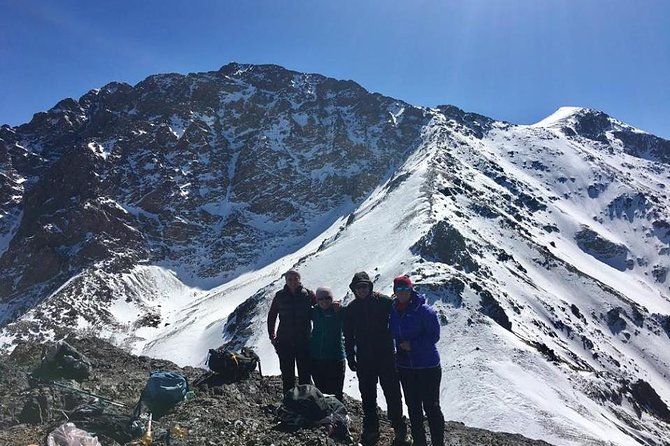
- Summit goal included: the itinerary is designed to get you to the top of Mt. Toubkal and not just the foothills.
- A full team setup: you hike with mountain guides plus cooks, muleteers, and mules for luggage.
- Real mountain stays: nights in gites and mountain huts keep the trip grounded and authentic.
- Meals are part of the package: breakfast, lunch, and a 3-course dinner (plus afternoon tea and coffee/tea).
- Private tour format: only your group participates, which helps when your pace or needs vary.
From Marrakech to the High Atlas: what this trek really delivers
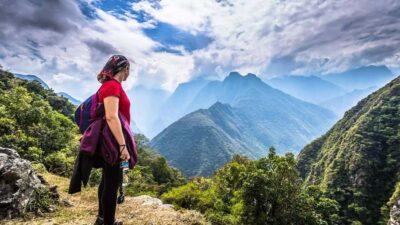
This is the kind of Morocco trip that trades city time for mountain time. You start in Marrakech and then spend about five days trekking in the High Atlas, moving through a mix of valley paths and rocky stretches as the villages change with altitude.
The big draw here is the combination: Berber villages plus the highest peak in Morocco and North Africa. That mix matters because it’s not just a summit-and-go plan. You get day after day of walking that ties the people and the terrain together. You’ll see how daily life shifts as the mountains rise, and you’ll do it at a human pace.
Another strong point is the support structure. Luggage doesn’t ride on your back all day thanks to mules, and the presence of guides and cooks means your time is spent trekking and recovering—not problem-solving.
You can also read our reviews of more tours and experiences in Marrakech.

The guide team (Mohamed and Hamid) and why “supported” changes everything
I’ve done enough hiking trips to know the difference between a guide who hands you a route and a leader who actually manages the day. This one comes with that hands-on style: a team that includes mountain guides and a driver/guide, plus cooks and muleteers.
From the feedback, Mohamed stands out for being very helpful and communicative ahead of the tour. That matters because Toubkal-area trips are easiest when you arrive prepared—especially with clothing for changing conditions and knowing what to expect.
Then there’s Hamid, the tour leader. The praise is specifically about attentiveness to needs, which is exactly what you want when the altitude starts to feel real and your pace slows. In the mountains, small care details—when to pause, how the group is holding up, what to bring for comfort—can make the trek feel smoother and safer.
You should still bring your own common sense. But having a team that stays engaged makes a big difference in how the trek feels, especially on longer walking days.
What your five days are like: villages, valleys, and the summit push
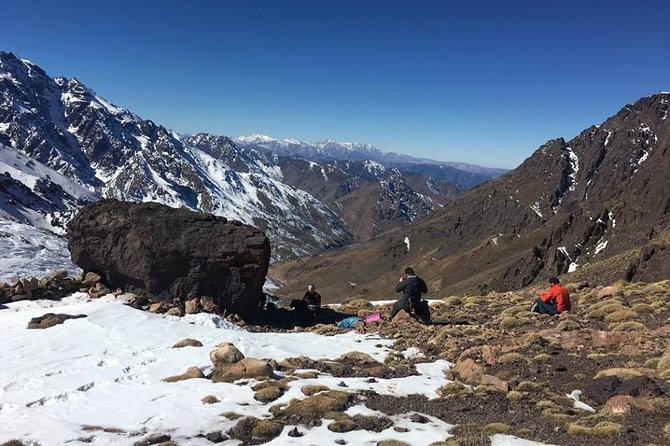
Even without a hyper-detailed day-by-day schedule, the structure is clear: you trek for five days through different Berber villages, then you work toward the Mt. Toubkal summit with support from the local crew.
Here’s the rhythm you can expect:
Walking days: changing terrain and village-to-village progress
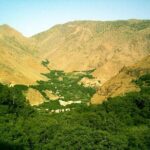
You’ll spend the trek moving through the valleys and up into more rugged, higher terrain. That variation is part of why this trek feels worth it—one day can feel like it’s all about steady walking and community life in the villages, while another day can feel sharper and steeper as altitude rises.
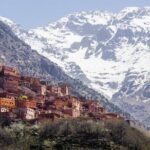
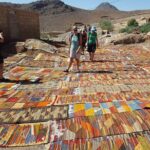
The Berber villages are not just scenic stops. They break up the trek and give you a sense of where you are in the mountain network—different compounds, different rhythms, different moments when you stop and look around instead of just walking through.
Rest and recovery nights: gites and mountain huts
You’re not sleeping on a bus floor or in a random roadside room. The plan includes 4 nights accommodation, with evenings at cozy gites and mountain huts. That’s practical: mountain lodging in this region tends to be basic, but the value is in being where you need to be, when you need to be there.
These nights also help you pace yourself. When you know you have a warm meal waiting and a place to sleep, you don’t burn energy trying to guess logistics mid-trek.
Summit day: the high point of the whole route
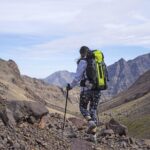
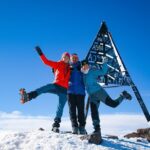
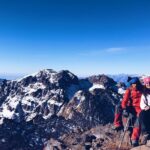
Reaching the top of Mt. Toubkal is the headline moment. The key practical idea is that the summit part of the trek usually asks for calm focus, steady pacing, and willingness to slow down when needed. The team support matters most here—guides can help manage timing and effort so you stay safe and don’t overdo it early.
If you’re the kind of person who likes checklists, aim to treat this as a goal you plan for with your body, not something you force with adrenaline.
Meals and tea: simple food that fuels real mountain hiking
Food is often where group treks either shine or fail. Here, meals are clearly built into the price and daily plan: breakfast, lunch, and dinner are included, and dinner is listed as a 3-course meal. There’s also afternoon tea, plus coffee and/or tea.
What does that mean for you on the trail? It means you can actually hike without constantly wondering where your next meal is coming from. In the High Atlas, that reduces stress and helps you keep energy consistent.
A 3-course dinner might not sound like the same thing as a home-cooked feast, but when you’re trekking hard, the real win is structure: you eat, you recover, you sleep. The included tea also matters. Tea breaks can be a mental reset, especially when the mountain air gets chilly in the evening.
Two notes to keep expectations realistic:
- Drinks are not included, so if you want bottled drinks, you’ll need to plan for that.
- Mineral water isn’t included either.
So pack smart, and treat hydration as part of your hiking routine.
Luggage, mules, and the practical comfort of being able to hike light
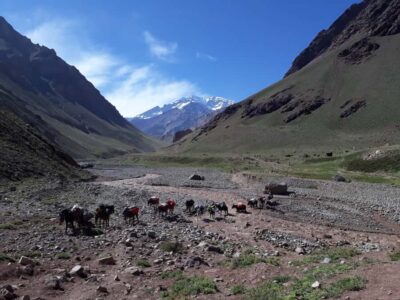
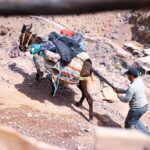
One of the best features of this trek is the mule support for luggage. That detail changes how you experience the days. Instead of arriving at every rest stop feeling like you’re dragging your bag around all morning, you’re able to manage your own essentials.
For you, that usually means:
- less fatigue from carrying weight
- more flexibility in your pace
- more energy for the summit push
It also helps with comfort at night. When you’re not packed down with heavy gear, you’re more likely to have the right layers ready as conditions shift.
Keep in mind that the tour doesn’t cover excess luggage charges where applicable, so stick to reasonable packing. If you’re not sure what counts as “excess,” ask when you book.
Price and value: what $325.21 buys you in the real world
The listed price is $325.21 per person, and the best way to judge value is to look at what’s included that would otherwise cost you time, money, and hassle.
This trek includes:
- hotel pickup and hotel drop-off
- a driver/guide and a local guide
- 4 nights accommodation
- afternoon tea
- breakfast, lunch, and dinner (3-course dinner listed)
- coffee and/or tea
- transportation support tied to the pickup/drop-off
When you add up the typical costs of guide services, mountain logistics, and lodging in remote areas, you start to see why the price makes sense for many hikers. The mule and cook support isn’t just a nice add-on; it’s the backbone of how these multi-day treks function smoothly.
What’s not included includes common extras:
- drinks and mineral water
- flights (you handle getting to Marrakech)
- travel insurance
- excess luggage charges (where applicable)
So the value call is straightforward: if you want the full supported experience—meals, lodging, guides, and mountain crew—this is priced like a real package, not a barebones hike.
If you’re the kind of traveler who already has guides, gear, and a plan to handle mountain stays, then the package premium might feel less necessary. But for most people, you’re paying to remove uncertainty.
Who should book this trek—and who should think twice
This trek is designed for people with moderate physical fitness. That’s the sweet spot: experienced hikers will still find it challenging because altitude and sustained walking are never trivial, but it’s not presented as a “seriously advanced only” situation.
You’ll also be happier if you enjoy:
- multi-day walking
- simple mountain lodging (gites and huts)
- meeting the rhythm of village life rather than rushing through it
It’s also a good match for groups who want a private tour, since only your group participates. That often helps with pacing and comfort when everyone has different hiking levels.
Two watch-outs:
- Kids must be 15 years old and children must be accompanied by an adult. If you’re traveling with younger kids, this won’t fit.
- If you’re hoping for a low-effort sightseeing walk, the trek format and summit goal suggest more work than that.
Should you book the Toubkal & Berber Villages Trek?
If you want a Morocco experience that actually feels like the mountains—not just a day trip—this is a strong choice. The combination of Mt. Toubkal summit, Berber villages, and supported logistics (guides, cooks, mules) is exactly what turns a tough hike into an experience you can enjoy.
Book it if:
- you’re comfortable with moderate fitness demands
- you like structured multi-day travel with meals and lodging handled
- you want summit time with a team that’s attentive and organized
Skip it (or ask more questions first) if:
- you’re seeking an easy, low-walking trip
- you don’t want to manage altitude and steep, sustained effort
- you travel with kids under the listed age requirement
FAQ
Where does the Toubkal & Berber Villages Trek start and end?
The tour starts in Marrakesh, Morocco and ends back in Marrakesh, Morocco.
What time does the tour begin?
The start time is 8:30 am.
How long is the trek?
It’s listed as 5 days (approx.).
Is this a private tour?
Yes. It’s a private tour/activity, and only your group will participate.
Is hotel pickup and drop-off included?
Yes. The tour includes hotel pickup and hotel drop-off.
What types of meals are included?
Meals included are afternoon tea, breakfast, lunch, and a 3-course dinner. Coffee and/or tea are also included.
Does the tour include reaching the summit of Mt. Toubkal?
Yes. The tour description says you’ll reach the summit of Mt. Toubkal.
What fitness level do I need?
Travelers should have a moderate physical fitness level.
Are there age limits for children?
Yes. Children must be accompanied by an adult, and kids must be 15 years old.
What is the cancellation policy?
Free cancellation is available. You can cancel up to 24 hours in advance for a full refund.
Bonus: quick packing mindset (based on what’s actually included)
Since meals and mountain support are handled, your focus is on being comfortable outdoors. Plan around layers, good walking shoes, and keeping your essentials ready—especially because you’re climbing Mt. Toubkal and spending nights in gites and mountain huts.