REVIEW · KATHMANDU
14 Days Everest Base Camp Trek
Book on Viator →Operated by Magic Himalaya Treks · Bookable on Viator
Everest starts long before the summit. This 14-day Everest Base Camp trek blends Sherpa life and history with high-altitude trekking at base-camp elevation, plus the big-ticket flight into Lukla and sunrise views from Kalapather around 5,450m. I love the licensed guide and porter setup with a medical kit included, and I love the acclimatization-focused days that keep the pace smart.
The main consideration is Lukla flight and weather dependence. In the Himalaya, flights can change, and that matters for your return timing and the flow of the trip.
In This Review
- Key takeaways before you commit
- Kathmandu arrival: where the trek really begins
- Kathmandu to Lukla: the flight that makes Everest feel real
- Dudhkoshi bridges to Namche Bazaar: the day you earn your altitude
- Namche rest day that isn’t lazy: Syangboche and Everest View time
- Tyangboche: the Everest-facing stretch and temple-area atmosphere
- Dingboche: shorter walking day, bigger-feeling scenery
- Rest day hike to Nangkartshang: acclimatization with a purpose
- Toward Lobuche via Thukla Pass: monuments and the long high leg
- Gorekshap to Everest Base Camp: your main goal at 5,463m
- Kalapather sunrise at 5,450m: the closest big view moment
- Back down to Namche: Tengboche vibes and downtime on your terms
- Final trekking day to Lukla: the payoff hike and a porter thank-you
- Kathmandu recovery day: rest with real logistics handled
- Fly home on Day 14: a clean finish after a long arc
- Price and logistics: does $1,680 feel fair for EBC?
- Altitude planning and safety: how the itinerary protects you
- Who should book this Everest Base Camp trek
- Should you book Magic Himalaya Treks for Everest Base Camp?
- FAQ
- What city do I start from?
- What time does the experience start?
- How long is the Everest Base Camp trek?
- Is this a private tour?
- How do you travel from Kathmandu to Lukla?
- What’s included in the price?
- What meals are included?
- What costs are not included?
- What cancellation options do I have?
Key takeaways before you commit
- Sherpa-centered learning: You’re trekking through the heart of Sherpa culture, not just hiking past it.
- Base camp at 5,463m: The goal is Everest Base Camp at 5,463 meters, with the camp location shifting yearly due to glacier movement.
- Kalapather sunrise viewing at 5,450m: A pre-breakfast hike for mountain views that are close to the action.
- Meals and key fees are built in: Breakfast, lunch, dinner schedules plus Sagarmatha National Park and government fees are included.
- Professional, safety-minded support: The team is described as organized, attentive, and focused on keeping things safe.
Kathmandu arrival: where the trek really begins
Your first day is about getting set. After you land at Tribhuvan International Airport, representatives from Magic Himalaya Treks and Expeditions greet you with your name at the airport. It sounds like a small thing, but it reduces that first-day stress fast—especially when you’re tired from flying.
This is also where you get a feel for the trip style. It’s a private tour/activity, so the approach tends to be more hands-on, with airport pickup and private transportation arranged rather than leaving you to sort things out on your own.
If you want a trek that starts with minimal chaos, this is the kind of setup that helps.
You can also read our reviews of more tours and experiences in Kathmandu.
Kathmandu to Lukla: the flight that makes Everest feel real
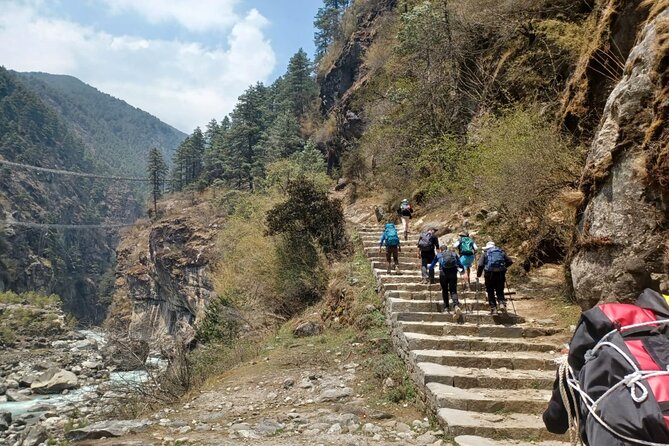
Day 2 is the jump from Kathmandu life into Khumbu trekking country. Your guide comes to the hotel, takes you to the domestic terminal, and you fly to Lukla. Then you meet your porters and start trekking downhill.
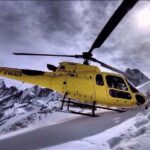
That flight landing at the world’s most dangerous airport is repeatedly called out as a highlight. Even if you’re not nervous about flying, it’s the moment the whole story changes from pictures to reality. The terrain is right there in front of you, and your trek becomes a sequence of actual climbs rather than a concept.
Practical note: because Lukla is the hinge point for getting to and from the trail, you’ll want to keep your expectations flexible for timing on travel days.
Dudhkoshi bridges to Namche Bazaar: the day you earn your altitude
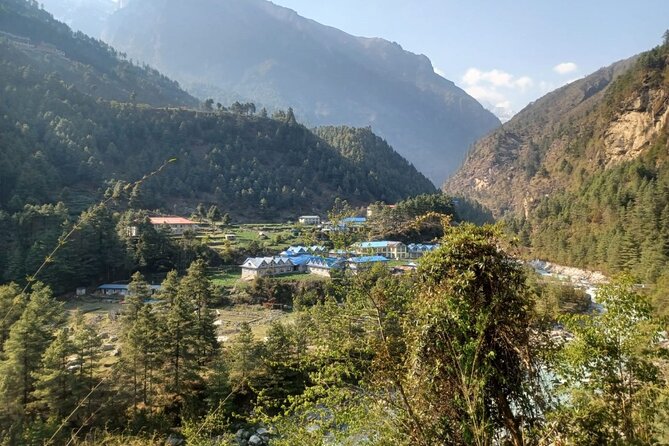
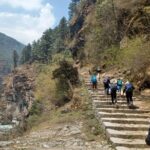
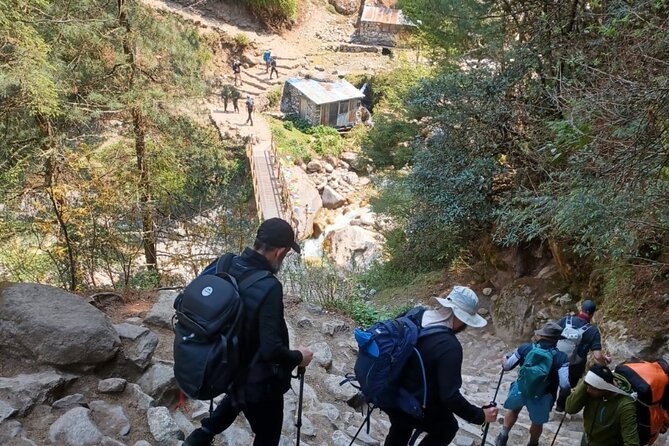
On Day 3, you trek along the side of the Dudhkoshi river. The route includes suspension bridges repeatedly, and that adds rhythm to the walk—short crossings, then moving again. It’s also mentally helpful. Bridges give you clear checkpoints and keep your pace steady.
You stop for lunch in Jorsella village before continuing toward Namche Bazaar. Reaching Namche isn’t just about the view. It’s where you start to feel the Khumbu travel infrastructure: the tea house culture, the mountain gear flow, and the sense that you’re walking in a living region shaped by trekking.
By the time you arrive, you’re not just higher in elevation—you’re higher in trek mode.
Namche rest day that isn’t lazy: Syangboche and Everest View time
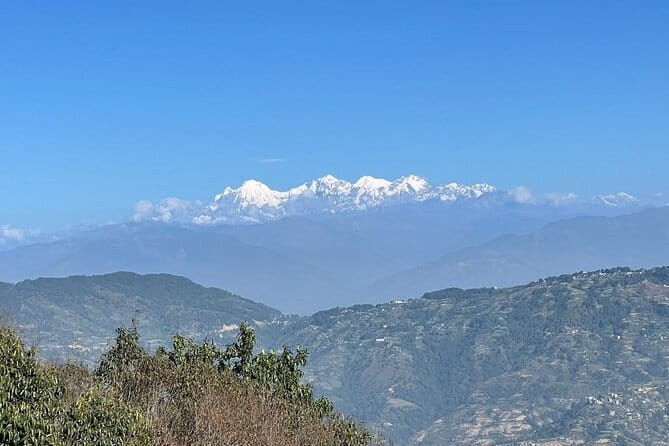
Day 4 is a rest day, but it doesn’t mean lying low. Instead, you go for a walk to acclimatize properly. The trip gives you options for a viewpoint day, including a hike to Syangboche viewpoint or an Everest View-style outing.
This kind of day is valuable because it’s structured. You still get exercise, but you’re using it to manage altitude, not to “push for distance.” For many first-time Everest trekkers, that balance is the difference between feeling okay and feeling wrecked.
And the benefit goes beyond physiology. These viewpoints tend to make Everest feel closer, even while you’re still days away from Base Camp.
Tyangboche: the Everest-facing stretch and temple-area atmosphere
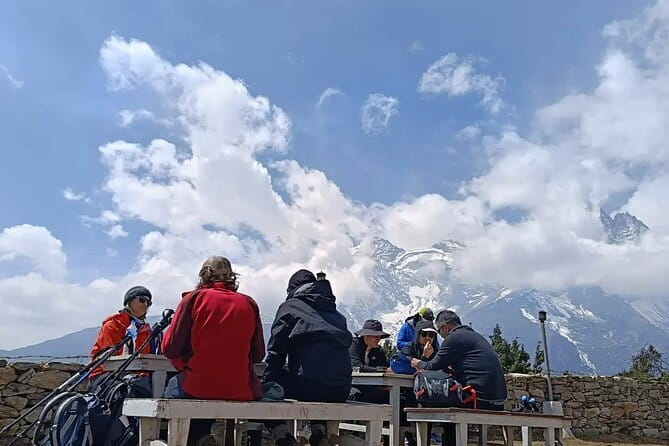
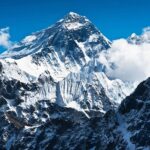
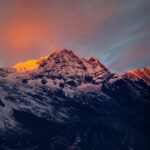
Day 5 is described as the best walk so far. You trek with Mount Everest in your line of sight more often than you might expect on early legs, and you also see other major peaks like Ama Dablam, Thamserku, and Tabauche.
This is a big day for two reasons. First, the scenery is strong—clear, wide mountain views are part of why people talk about this trail so much. Second, Tyangboche sits in a zone that feels spiritual and grounded. Even without turning your trek into a sightseeing checklist, you’ll notice the temple-area energy and the way people move through the day.
If you like days that feel special without being complicated, this one delivers.
Dingboche: shorter walking day, bigger-feeling scenery
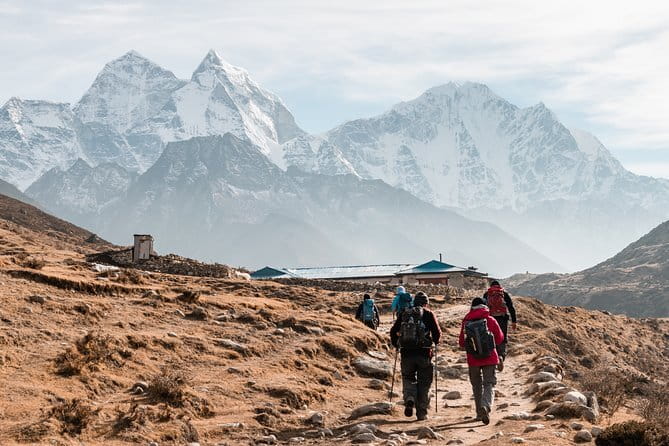
Day 6 is the shortest day of the trip at about 4 hours to reach Dingboche. You pass through Pangbochea and Sanasa and arrive for lunch.
A shorter day here matters. By now, your body is adjusting to altitude, so you want a slower rhythm that still keeps forward momentum. Dingboche is known in practice for a strong high-valley feel, and the trip highlights the view of Ama Dablam once you’re in the area.
If you’re someone who gets anxious when schedules feel tight, a shorter leg can feel like a relief.
Rest day hike to Nangkartshang: acclimatization with a purpose
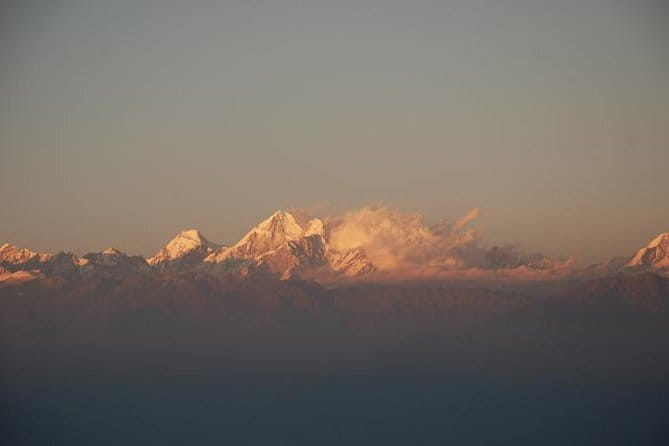
Day 7 is your second rest day, and again, it’s not really a rest in the couch-and-cookies sense. You hike up to Nangkartshang hill (around 5,000m) for views over the Imja Tse valley and surrounding peaks such as Island Peak and other named ranges.
This is smart trekking planning. You’re using elevation gain in a controlled way to help your body adapt, and you’re doing it with a clear reason. Also, viewpoint hikes can turn rest-day boredom into a memory you’ll actually care about.
You’ll come back with less anxiety about the upcoming push toward Gorak Shep and Base Camp.
Toward Lobuche via Thukla Pass: monuments and the long high leg
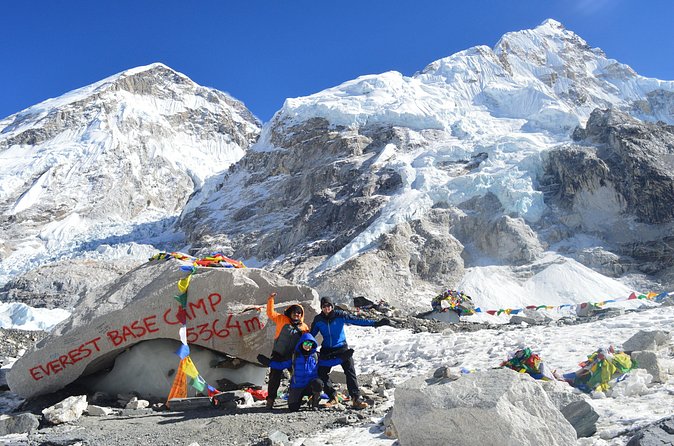
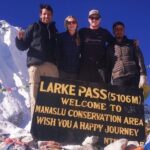
Day 8 is a longer day as you move toward Lobuche. You trek toward Laubecha passing Thukla and Thukla Pass. The trip calls out monuments made by famous climbers at Thukla Pass.
Those monuments matter emotionally. This is where the trail stops feeling like a hiking route and starts feeling like a corridor shaped by serious mountaineering. It gives you context for why Everest is more than a dramatic photo.
You also get lunch at Laubecha. After that, you’re building toward the last stretch when the daily altitude effects get more noticeable.
Gorekshap to Everest Base Camp: your main goal at 5,463m
Day 9 is one of the longest days. You walk toward Gorekshap in the morning. After reaching Gorekshap and having a light lunch, you continue toward Everest Base Camp. The schedule notes about two hours of walking from that area, then onward to the base-camp time.
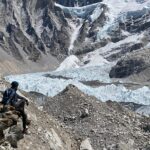
Everest Base Camp sits at 5,463 meters, and the trip emphasizes an important reality: the base camp changes every year with glacier movement. So your version of Base Camp is not a museum display—it’s a shifting place shaped by ice and weather.
What you’ll want to do here is simple: take it in slowly. At this altitude, even if you feel okay, your body will remind you that you’re above “normal life.” Give yourself time to breathe, look around, and let the moment land.
Kalapather sunrise at 5,450m: the closest big view moment
Day 10 is an early morning hike to Kalapather for sunrise and mountain views, roughly at 5,450m. The plan includes pictures at the top and time to enjoy the view before heading back down toward Gorekshap for breakfast.
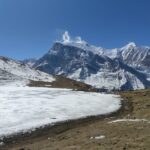
If Base Camp is the destination, Kalapather is often the view that people remember most clearly. It’s positioned as the closest view of Everest in the route, and that makes sense: the early timing and the vantage point align for a strong payoff.
This day also resets your energy for the descent. Once you’ve done sunrise up high, the return days can feel more manageable, even though you’re still trekking every day.
Back down to Namche: Tengboche vibes and downtime on your terms
Day 11 takes you down toward Namche Bazaar, passing Pangbochea and Tengboche. Lunch is planned at Phortse Tangha, and when you reach Namche you get time to relax, including mention of bar and pubs.
That matters more than it sounds. After days of climbing and careful pacing, having a real chance to unwind at the end of a trekking day keeps the trip from feeling like one long grind.
You also get overnight stay in Namche, which is a helpful buffer before the final Lukla push.
Final trekking day to Lukla: the payoff hike and a porter thank-you
Day 12 is the last trekking day. You trek about 7 hours from Namche Bazaar to Lukla, with lunch at Phakding. The itinerary also notes celebration and making porters happy at the end.
That last day tends to feel emotional for good reason. You’re going back toward the start, but you’re doing it with the confidence of having done the hard parts. Also, the “make porters happy” detail is not fluff. Porters are key to whether your hike feels hard-but-possible or hard-and-tough.
If you’re the type who likes closing rituals, this is a nice touch.
Kathmandu recovery day: rest with real logistics handled
Day 13 brings you back to Kathmandu. You go early to the airport depending on flights, then your driver picks you up and transfers you to the hotel for a full rest day. Accommodation and breakfast are included.
This is the right kind of recovery. After high-altitude trekking, you don’t want to cram sightseeing. You want time to hydrate, eat normally, and let your body settle.
It also gives you a moment to process what you saw: Everest Base Camp’s shifting glacier setting, the long high days like Lobuche and Gorekshap, and those viewpoint hikes that made the effort feel justified.
Fly home on Day 14: a clean finish after a long arc
On Day 14, you fly home, keeping in mind when to visit Nepal again for future adventures. Breakfast is included.
It’s a simple ending, which is honestly what you want after 14 days in motion. One key thing to remember: international flight timing isn’t included, so you’ll want your own travel plan aligned with the trip’s return flow.
Price and logistics: does $1,680 feel fair for EBC?
At $1,680 per person for about 14 days, the value comes from what you’re not forced to arrange yourself.
Included highlights:
- Government fees, including Khambu Municipality charges and Sagarmatha National Park entrance fee, plus government taxes and VAT
- An experienced license-holder guide and required porters, with salaries and expenses covered
- A medical kit box and required medicine for the trek
- Air-conditioned vehicle and airport pickup/drop on private transportation
- Round tickets for guide and clients connected with the Kathmandu–Lukla flights
- Meals: breakfast 13 times, lunch 11 times, dinner 13 times
That’s a lot of heavy lifting. For Everest Base Camp, logistics are often the real cost driver—permits, guides, porter support, and getting into and out of Lukla. Packing that into one price can help you avoid budget surprises.
What’s not included (so you can plan):
- Nepal entry visa fee
- Travel insurance for the trek
- International flights and departure tax
- Tips for guide and porters (not optional, described as compulsory)
- Personal expenses, and any bar bills
- Rescue operation in an emergency
- Extra items during breakfast, lunch, and dinner
One more practical detail: you get a mobile ticket, and pickup is offered. That matters when you’re landing jet-lagged and trying to figure out which counter is yours.
Altitude planning and safety: how the itinerary protects you
This trek uses a clear altitude strategy: you’re not just climbing every day like a video game.
Rest days aren’t wasted. Day 4 adds a viewpoint walk for acclimatization, and Day 7 hikes to Nangkartshang hill around 5,000m instead of taking a full day off. Those choices fit the real job your body needs to do at altitude: adjust gradually, then keep moving.
The inclusion of a medical kit box and required medicine is also part of that safety net. And based on the way the team is described, the emphasis is on care and support rather than pushing people at any cost.
Also keep this in mind: one limitation you should plan for is that altitude sickness can happen. If it does, the safest outcome may not match the strictest version of your goal. The plan, the guidance style, and the safety focus are the variables that protect you if your body says not today.
Who should book this Everest Base Camp trek
This trek is best for you if:
- You have strong physical fitness and you can commit to daily trekking
- You want a structured acclimatization plan with rest-day viewpoint hikes
- You value a guide-led experience with porter support and a safety-minded team
- You prefer private, handled logistics rather than figuring it out day by day
It may not fit you as well if:
- You’re looking for flexible rescheduling without any dependence on weather or flights, since the Lukla link can affect timing
- You hate the idea of compulsory tips for guide and porters
- You’re not prepared to handle the extra costs not included (visa, insurance, international flights)
Should you book Magic Himalaya Treks for Everest Base Camp?
I’d book this trek if you want the main EBC goals handled with real support: licensed guiding, porter help, permits and fees covered, consistent meals, and a plan that uses rest days for acclimatization—not just downtime.
If your budget is tight, study what’s excluded. Tips, visa, insurance, and international flights can add up. Also be honest with yourself about altitude: the itinerary helps, but it can’t erase the fact that you’ll be around 5,000m to 5,463m.
Final thought: the trip style that gets praised most is the professionalism and attention—guides and porters who keep things organized and encourage you when the day turns hard. If that kind of support matters to you, this is a strong match.
FAQ
What city do I start from?
You start in Kathmandu, Nepal.
What time does the experience start?
The meeting point start time is 12:45 pm.
How long is the Everest Base Camp trek?
It’s scheduled for 14 days (approx.).
Is this a private tour?
Yes. It’s described as a private tour/activity, and only your group participates.
How do you travel from Kathmandu to Lukla?
You fly from Kathmandu to Lukla via a domestic terminal, then trekking begins after you meet your porters.
What’s included in the price?
The price includes government fees (Khambu Municipality charges and Sagarmatha National Park entrance fee), an experienced license-holder guide and porters, a medical kit box and required medicine, air-conditioned vehicle and private airport pickup/drop, round tickets for guide and clients, and meals (breakfast 13, lunch 11, dinner 13).
What meals are included?
Breakfast is included for 13 days, lunch for 11 days, and dinner for 13 days.
What costs are not included?
Not included are personal expenses, tips for guide and porters (compulsory), bar bills, rescue operation in case of an emergency, extra items during meals, the Nepal entry visa fee, travel insurance for the trek, and your international flight and departure tax.
What cancellation options do I have?
Free cancellation is available if you cancel up to 24 hours in advance for a full refund. The experience can also be canceled for poor weather, with an option for a different date or a full refund.