REVIEW · KATHMANDU
Annapurna Base Camp Trekking
Book on Viator →Operated by Travel Max Guide · Bookable on Viator
Annapurna Base Camp hits different at altitude. This 14-day trekking trip in Nepal mixes classic high-mountain scenery with Gurung village stops, rhododendron forests, and a final push to Annapurna Base Camp at 4,130m for a calm, big-sky kind of feeling. I especially like how the route is built around gradual effort, so you’re not just rushing toward the summit of your life story.
Two things I’d point out right away: you get strong local guidance (including help before the trek with the right gear), and the trip includes full-board meals plus guesthouse nights on the trail. One consideration: you still need to be ready for long hiking days, lots of steps, and cold conditions at higher elevations.
In This Review
- Key things I noticed before you go
- Annapurna Base Camp at 4,130m: why this endpoint feels worth the stairs
- Price and what you actually get for $1,600
- Kathmandu Valley sightseeing: Temples, stupas, palaces, and a real route plan
- Pokhara as the landing pad: lake time plus mountain prep
- From Pokhara to Ulleri: stairs, rhododendron, and gentle climbing
- Ghorepani and Tadapani: building altitude while watching the peaks show up
- Chhomrong and Ghandruk: where the trek turns personal
- Annapurna Sanctuary day: Hinko Cave, Deurali, Machhapuchhre Base Camp, then Base Camp
- The return route: Bamboo, Jhinu Danda hot springs, and less stress on the mind
- Sleeping, food, and what full-board means in real life
- Pacing and physical readiness: moderate fitness still means effort
- The guide setup: why this team structure matters on a trail
- Should you book this Annapurna Base Camp trek?
- FAQ
- What’s included in the Annapurna Base Camp trek package?
- What is not included in the price?
- Where does the experience start and where does it end?
- Do I need moderate physical fitness for this trek?
- Which permits are covered for the trek?
- Can I cancel for a full refund?
Key things I noticed before you go
- John Shrestha help in Kathmandu with equipment guidance made the pre-trek days feel organized
- Poon Hill views that reward you with wide mountain panoramas on schedule
- Gurung villages (Chhomrong and Ghandruk) where culture is part of the trek, not an optional add-on
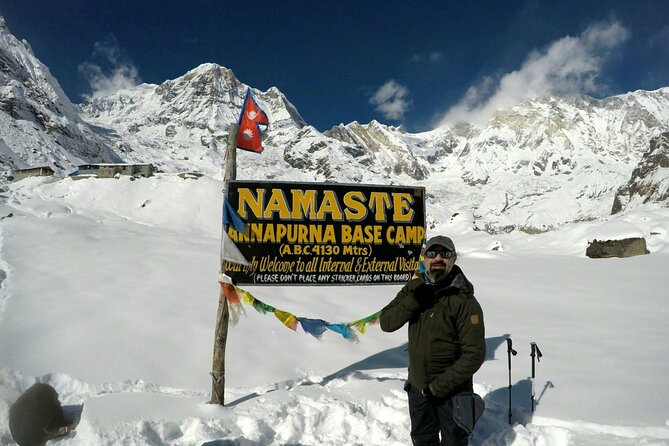
- Annapurna Base Camp at 4,130m as the quiet payoff after thinning vegetation and long climbs
- Jhinu Danda hot spring for an actual recovery moment on the way back
Annapurna Base Camp at 4,130m: why this endpoint feels worth the stairs
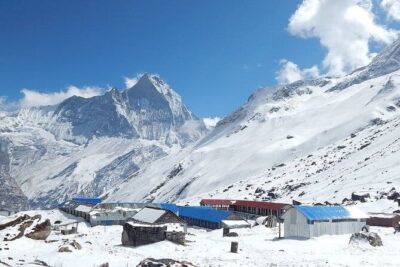
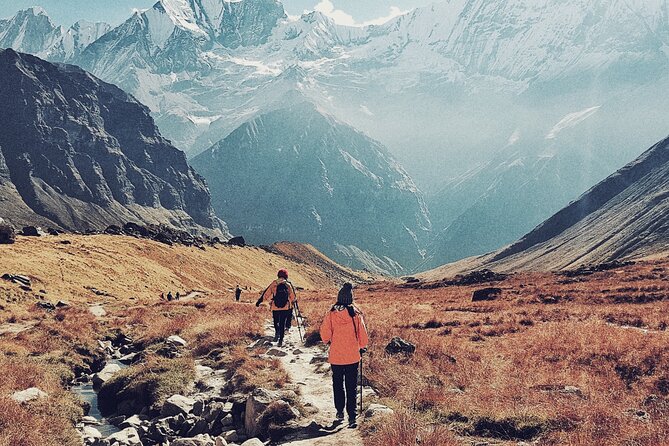
This trek is famous because the finish is famous. But it’s not just the label. Annapurna Base Camp sits at 4,130m, and that change in altitude makes the whole place feel different—quieter, more focused, and more about you and the mountains than about ticking boxes.
What you’ll remember most is the approach to the sanctuary. As you climb, the vegetation gets thinner, you pass waterfalls, and you reach the area around Machhapuchhre Base Camp before arriving at the final viewpoint zone. The day is described as going up with increasing open views, so it’s the kind of travel where the landscape matters less than the feeling of moving through it.
Also, Annapurna Base Camp isn’t a single photo spot. You’ll see peaks named in the route details like Machhapuchhre, Annapurna South, Annapurna I, Hiunchuli, and others. When you’ve been walking all day, being able to pick out multiple named peaks gives the whole effort meaning.
You can also read our reviews of more tours and experiences in Kathmandu.
Price and what you actually get for $1,600
$1,600 per person sounds like real money, so I like to check what’s bundled. In this case, the value comes from the amount of trip “infrastructure” included: guesthouse stays during the trek, full-board meals (breakfast, lunch, dinner) with tea/coffee, a Nepal Government certified English speaking local trekking guide, and the required permits (ACAP and TIMS).
On top of that, you’re not left guessing how to connect cities. You’ve got tourist bus transport from Kathmandu to Pokhara and back, private vehicle airport pickup and drop-off, and guided Kathmandu Valley sightseeing. Those parts matter because they remove daily friction. Less time solving logistics means more time adjusting to altitude and enjoying the trail.
Now, the trade-off: this price is for the trek package. It does not include international air tickets, Nepal entry visa, or travel/rescue insurance. It also doesn’t include personal expenses like water, laundry, phone, and bar bills. And tipping is expected for your guide and porter. So budget for those add-ons if they’re not already in your plan.
Kathmandu Valley sightseeing: Temples, stupas, palaces, and a real route plan
Your trip starts with the classic Kathmandu landing. You’re picked up at Tribhuvan International Airport and dropped at your hotel. If you land during daylight, you can wander Thamel; if you arrive at night, it’s a rest-first situation.
Day 2 is guided sightseeing in Kathmandu Valley, focused on UNESCO sites. The route is organized around stupas, temples, and palaces, and you can have it personalized based on your interests. That’s a nice touch because Kathmandu can get overwhelming fast. When someone plans an order that fits what you care about, you waste less time backtracking.
Also, this is where your trek mindset starts. Even if you don’t think about it consciously, having a guided day early helps you get oriented in Nepal before you head into the mountains.
Pokhara as the landing pad: lake time plus mountain prep
Pokhara is reached by tourist bus from Kathmandu. The ride is long-ish, but it’s part of how Nepal changes under your feet: towns, villages, rivers, terraced farmland, and hilly views. When you arrive, you check into a hotel and get time to walk around Phewa Lake in the evening.
This matters because Pokhara is not just “another city stop.” It’s your buffer. You’re not sprinting straight into high altitude. Instead, you get a soft landing—sleep, eat well, and mentally switch from city rhythm to trail rhythm.
Pokhara also gives you a sense of what adventure looks like here. The area is known for activities like paragliding, zip flyer, and bungy jumping. Even if you don’t do them, seeing that culture of outdoor movement can make the next days feel less daunting.
From Pokhara to Ulleri: stairs, rhododendron, and gentle climbing
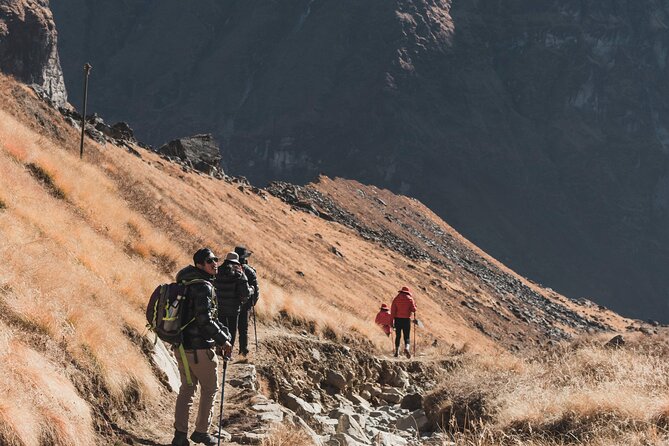
The trek officially begins after the drive from Pokhara to Naya Pul. Then you walk toward Ulleri, using a route described as the Ulleri Stairs. This section is often a turning point for first-timers: it’s not “easy” by default, but it’s structured enough to feel manageable.
You’ll pass through oak and rhododendron forest, and along the way there are steps, boulders, steep bits, cliffs, bridges, and villages. That variety can be mentally helpful because it keeps your attention active. Instead of one long grind, you get small shifts in scenery and footing.
Ulleri is reached in the afternoon. That timing helps because you’re not arriving exhausted at the end of the day. It gives you the chance to settle, eat, and prep for the next leg.
Ghorepani and Tadapani: building altitude while watching the peaks show up
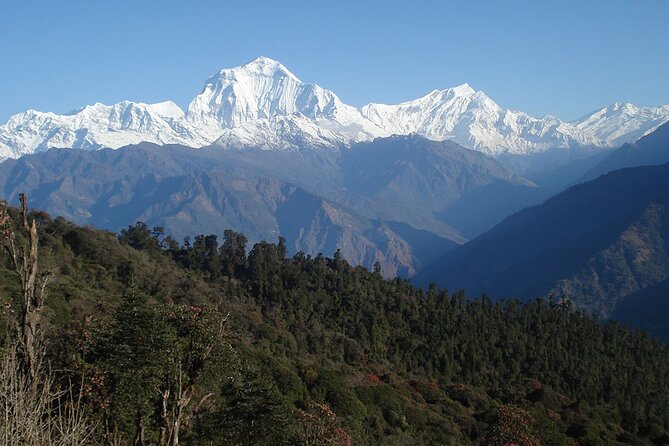
From Ulleri you go to Ghorepani via Banthanti and Nangethanti, still in oak and rhododendron forests. Ghorepani is a village known for big views—specifically of Dhaulagiri and the Annapurna ranges. You’re not yet at the highest point, but the mountains start becoming “real” rather than theoretical.
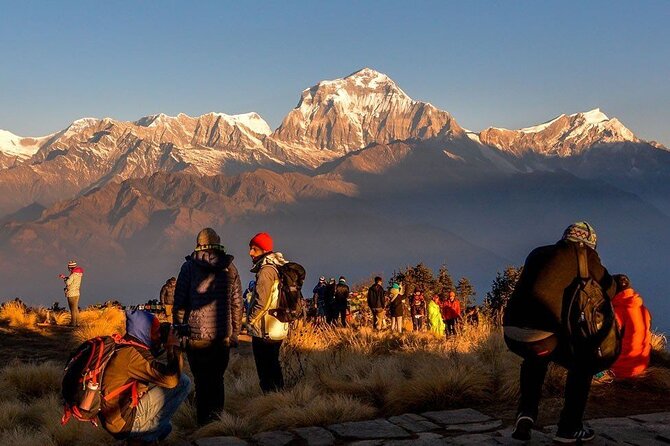
Then comes Tadapani, with a big emphasis on viewpoint culture. Poon Hill is the key payoff morning described here, and it’s highlighted as rewarding with panoramic mountain views including Dhaulagiri, Annapurna, and Manalsu (spelled that way in the route notes).
After Poon Hill, you walk to Tadapani through a mix of forest and rocky steps, going uphill and downhill. That swing in terrain keeps the day active. It also means you’re building trekking legs rather than just climbing in a straight line.
Chhomrong and Ghandruk: where the trek turns personal
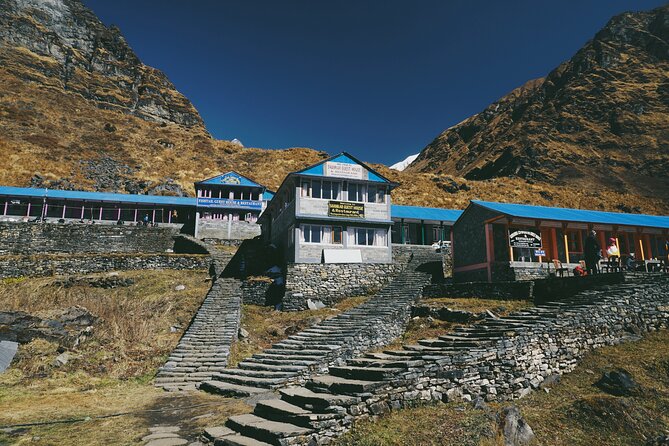
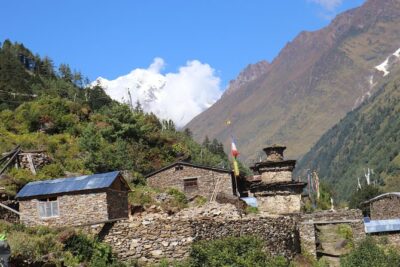
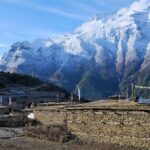
The walk to Chhomrong brings you through rhododendron and oak forests, with a downhill segment to reach the village in the afternoon. Chhomrong is described as a beautiful Gurung village under the Annapurna massive. If you care about community travel—and not just views—this is one of your anchors.
You’ll also see Annapurna South and Machhapuchhre from here. That matters because Machhapuchhre (also called Fishtail in many contexts) tends to be one of those peaks that makes people stop and stare. Seeing it from a village setting feels different than seeing it from a trail-only perspective.
Then you reach Ghandruk, with a day that includes 2,500 steps. The route continues down to Chhomrong Khola, then up through steeper paths and gorge areas, and on to Sinuwa and the area around Bamboo and the Himalaya Hotel viewpoint region described in the notes.
Ghandruk adds a culture layer: you visit a museum with information on Gurung culture and tradition. That’s useful because it gives context for what you’re seeing in the villages and makes your conversations with locals more grounded.
Annapurna Sanctuary day: Hinko Cave, Deurali, Machhapuchhre Base Camp, then Base Camp
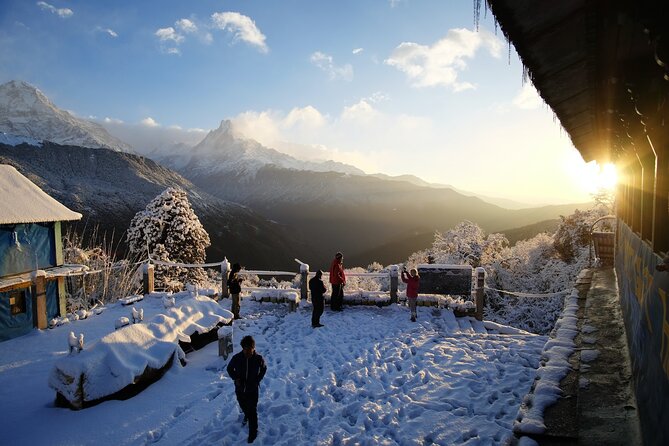
This is the “main character” day. The route climbs through areas including Hinko Cave, Deurali, and the Machhapuchare Base Camp area. Vegetation thins, and the uphill trail includes valley views and waterfalls, so the day is not just about altitude—it’s also about changing terrain and shifting sight lines.
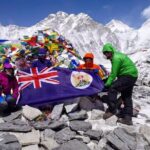
You reach Machhapuchhre Base Camp, then after about two hours of trekking from there, you arrive at Annapurna Base Camp. That sequence is important: you’re not dropped into the final vista after only a short climb. Your day builds toward it.
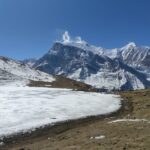
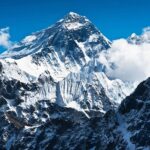
From the described viewpoint area, you can see Machhapuchhre, Hiunchuli, Annapurna South, Annapurna I, Annapurna III, and more. And when you finally reach Annapurna Base Camp itself, the views are described as unobstructed and spectacular, including Annapurna South, Annapurna I, Hiunchuli, and Machhapuchhre.
I like days like this because the trek feels earned. You didn’t just get to a destination. You arrived with tired legs and fresh eyes, which makes the moment land harder.
The return route: Bamboo, Jhinu Danda hot springs, and less stress on the mind
After Base Camp, you retrace your way. The day to return toward Ghandruk is described as easier than the sanctuary day because it’s downhill. You’ll pass through Bamboo again and walk through bamboo, rhododendron, and oak forests.
On the way, you go to Jhinu Danda, where you get a chance to dip into hot springs. That’s a big deal in trekking terms. It’s not about luxury; it’s about recovery. When your legs are sore, warm water can take the edge off and help you enjoy the last days rather than just endure them.
You then head back toward Pokhara and eventually Kathmandu, with the same general logic: big downhill segments when possible, and time to settle after the hardest days.
Sleeping, food, and what full-board means in real life
During the trekking portion you use twin sharing guesthouse accommodation. You also get full-board meals: breakfast, lunch, and dinner each day, plus tea/coffee. In practice, that takes decision-making out of your day. You’re not hunting menus or negotiating meals when your energy is best used for walking.
Kathmandu and Pokhara include twin sharing accommodation with breakfast plan. So you’re not paying extra for every meal in the cities either.
One small note: personal expenses like water and phones aren’t included, so bring a budget for that. It’s common on trekking routes that you’ll want to buy small extras when you’re tired and thirsty. Knowing that ahead of time keeps things calm.
Pacing and physical readiness: moderate fitness still means effort
This trek is labeled as suitable for travelers with moderate physical fitness. That’s a fair description because you’ll be walking for multiple days, including steep step-heavy sections like Ulleri stairs and the 2,500 steps into/around Ghandruk.
Altitude is the other factor. You go up to 4,130m, and even if you pace well, cold air and thinner oxygen change how you feel. Your best protection here is steady effort and not treating the trip like a race.
Also, group format matters: it’s private, meaning it’s “only your group” rather than a mixed herd. That can help you keep a pace that fits you, but it’s still your body doing the climbing.
The guide setup: why this team structure matters on a trail
The trip includes a Nepal Government certified English speaking local trekking guide. It also includes insurance of guides covering meals, salary, lodging, and transportation. That level of planning matters because it reduces the odds of last-minute chaos.
From the reviews provided, the most praised aspect is the human side of the team. John Shrestha is specifically mentioned as meeting people in Kathmandu, helping with the right equipment, and staying responsive during the stay. People also talk about the guide and porter as friendly and helpful, with strong knowledge about what’s along the route.
That kind of on-the-ground expertise is not just “nice.” When you’re tired and the trail conditions change, a guide’s guidance can keep the day smooth and help you understand what you’re seeing.
Should you book this Annapurna Base Camp trek?
I think this is a good fit if you want a classic Annapurna Base Camp trek with strong organization, full-board meals, required permits handled, and a team that shows up before you start walking.
Book it if:
- You want a private group setup with guided support in Kathmandu Valley and on the trail
- You’d rather spend money on guides, permits, and meals than on building a plan from scratch
- You’re aiming for the Annapurna Base Camp payoff at 4,130m and you’re okay with long hiking days
Consider a different option if:
- You don’t want to deal with trekking steps, altitude changes, and cold higher elevations
- You’re relying on a tight budget and haven’t planned for visa, insurance, tipping, and personal expenses
If you fit the moderate fitness category and you’re excited by villages plus mountain views, this package looks like a solid way to do Annapurna without wasting energy on logistics.
FAQ
What’s included in the Annapurna Base Camp trek package?
You get twin sharing accommodation with breakfast in Kathmandu and Pokhara, twin sharing guesthouse accommodation during the trek, airport pickup and hotel drop-off in a private vehicle, tourist bus transport between Kathmandu and Pokhara, guided Kathmandu Valley sightseeing, and full-board meals (breakfast, lunch, and dinner) with tea/coffee during the trek. The package also includes a Nepal Government certified English speaking local trekking guide, ACAP permit and TIMS permit card, a comprehensive medical kit, a farewell dinner, and a trip accomplishment certificate.
What is not included in the price?
International air tickets, travel and rescue insurance, Nepal entry visa, personal expenses like water, laundry, phone and bar bills, and tips to your guide and porter are not included. Any other costs not listed under cost includes are also excluded.
Where does the experience start and where does it end?
It starts at Tribhuvan International Airport, Ring Rd, Kathmandu 44600, Nepal, and it ends back at the same meeting point.
Do I need moderate physical fitness for this trek?
Yes. The trek is listed as requiring travelers with moderate physical fitness level.
Which permits are covered for the trek?
The package includes the ACAP Permit and the TIMS Permit card for trekking.
Can I cancel for a full refund?
Yes. Free cancellation is available if you cancel up to 24 hours in advance for a full refund. If you cancel less than 24 hours before the start time, the amount paid is not refunded.