REVIEW · KIGALI
4 Days Gorilla Trekking, Lake Bunyonyi and Rwanda National Parks
Book on Viator →Operated by Frena Adventures · Bookable on Viator
Two parks, two kinds of primates, one packed route. This 4-day program ties together Golden Monkey tracking in Volcanoes National Park, mountain gorillas in Bwindi, and time in Kigali and Lake Bunyonyi—so you feel the variety right away. I like that it’s built around real field time with the animals, not just long scenic stops.
What I really like is the human side: you spend each day with a guide who keeps things moving and explains what you need to know before you walk in. In reviews I saw names like Isa (who helped keep everything on track) and Ronald/Ronnie (a professional driver-guide who clearly knows Rwanda and Uganda), and that matters because these trips run early and weather can change plans.
One possible drawback: you’re trading comfort for access. Gorilla tracking can take anywhere from 2 to 8 hours (sometimes longer), and you should have moderate fitness for steep, forest-trail walking in the days that count.
In This Review
- Key highlights you’ll feel fast
- Kigali Day 1: neighborhood change, genocide memorial, and getting to Musanze
- Golden Monkey Tracking at Volcanoes National Park: bamboo forest walking that feels manageable
- Bwindi Impenetrable National Park for gorillas: the long game, then the pay-off
- Lake Bunyonyi Day 4: islands by boat, then back to Rwanda
- Kigali city tour: landmarks and craft markets with context
- Transportation, group size, and why the logistics feel easier than they look
- Who should book this primate-and-lakes circuit
- Quick FAQ before you decide
- FAQ
- What is the duration of the tour?
- Where does the tour start?
- Are there limits on group size?
- Does the program include golden monkey tracking and mountain gorillas?
- How long is the gorilla tracking experience?
- Will I have food during the gorilla day?
- Are dietary needs accommodated?
- What about cancellation refunds?
- Should you book this 4-day Rwanda and Uganda primate trip?
Key highlights you’ll feel fast
- Small group size (max 9 travelers) means less chaos around briefing time and on the road.
- Early starts set you up for the best odds of seeing golden monkeys and gorillas.
- Proper ranger-guided tracking with a briefing on do’s and don’ts before gorillas.
- At least one hour with gorillas once you find the family.
- Lake Bunyonyi boat ride and islands gives you a breather after trekking days.
- Kigali plus a genocide memorial visit adds context beyond wildlife.
Kigali Day 1: neighborhood change, genocide memorial, and getting to Musanze
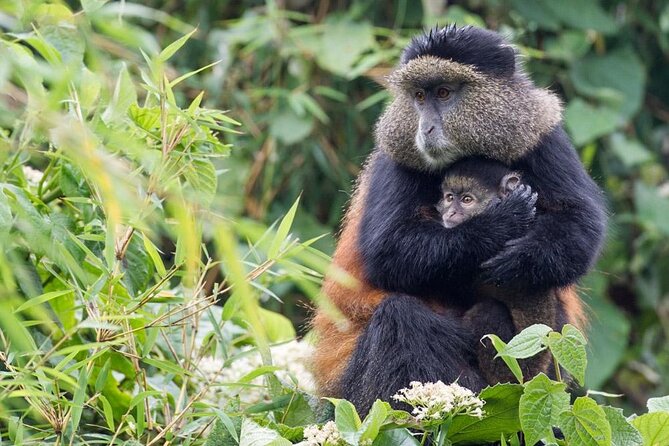
Day 1 starts in Kigali with a driver guide meeting you and taking you through the city’s fast-growing areas. You also get the chance to pass older commercial and residential zones, which helps you understand Kigali as a place that keeps changing, not a museum stop on a one-day schedule.
A major stop is the Kigali Genocide Memorial, a sober reminder of what happened in 1994 and why Rwanda’s present matters. If you only have a short time in the country, this kind of stop makes your trip feel grounded, not just like a wildlife chase.
After lunch, you drive toward Musanze, the base area for Volcanoes National Park. If there’s time, you may also visit the twin lakes—Burera and Ruhondo—framed by steep hills, waterfalls, and views of the Virunga Volcanoes. Even if weather or timing doesn’t allow it, the road transfer itself is part of the experience: you’re moving from the city into the hills where the primate treks start to make sense.
What to expect: a long, active day, plus a clear early setup for the next morning’s tracking.
Watch-outs: the schedule is time-sensitive, so build in patience when you’re moving between viewpoints and memorial stops.
You can also read our reviews of more tours and experiences in Kigali.
Golden Monkey Tracking at Volcanoes National Park: bamboo forest walking that feels manageable
The golden monkey day is the gentle warm-up that still feels exciting. You’ll have an early breakfast, then head to the park offices in Kinigi by around 7:00 am. You join the other golden monkey trekkers and meet the ranger guide for a short talk about the activity and how the park works.
Then you transfer to the trailhead just outside the park and begin the walk. The key detail here is the terrain: the golden monkeys are found near the edge of the park in bamboo forests where the ground is described as relatively flat. That doesn’t mean it’s effortless, but compared to many treks, this one often feels more steady and readable—ideal if you want the thrill without feeling like you’ll be fighting every step.
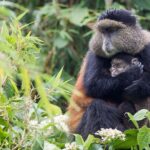
Once you locate the monkeys, you don’t just glance and leave. You follow their movement as they feed and notice how skillfully they pick young bamboo leaves from the tips of bamboo plants. It’s a small behavior detail, but it makes the hour feel real, not scripted.
Why I like this part: you’re close enough to see feeding behavior, and the trek style matches the tour’s “moderate fitness” promise.
The trade-off: because you’re tracking wildlife, the exact pace is never fully predictable—you’re walking to where the monkeys are, not to where the clock says you should be.
Bwindi Impenetrable National Park for gorillas: the long game, then the pay-off
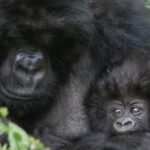
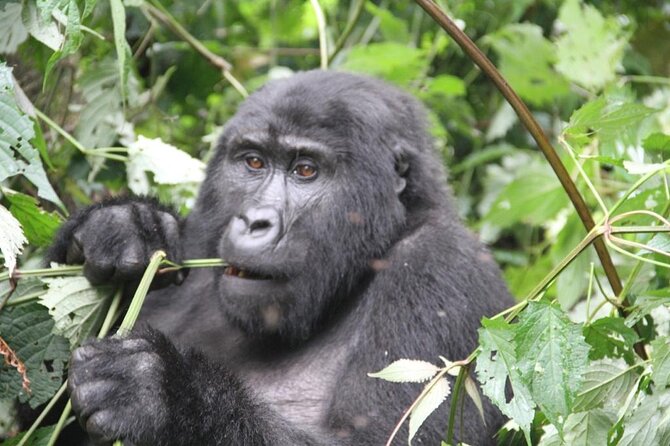
Gorilla day is the heart of the whole itinerary. After an early start, you walk to the park headquarters for a briefing on do’s and don’ts during gorilla tracking. That briefing matters because it sets expectations for how you behave once you’re in the gorilla area—part safety, part respect for the animals.
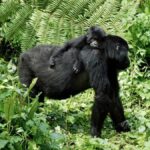
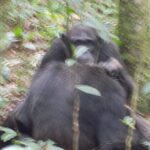
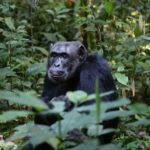
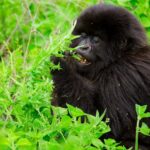
Then you head onto the gorilla trail. Gorilla tracking can last from 2 to 8 hours, and it can even stretch to a full day. You’re not guaranteed a quick encounter. The upside is that when you do find the gorillas, you get time with them: you’re allowed to stay in their presence for at least an hour.
There’s also a practical detail you should plan around. You’re advised to carry a packed lunch, and the tour notes that a lunch will be provided. Since you can’t determine how long the hunt will take, the message is clear: plan for the day to run long.
After the gorillas, you transfer toward Lake Bunyonyi. The drive is described as passing through a cool-weather region sometimes called the Switzerland of Africa. Even if you just treat that as a nickname, you’ll likely feel the change in temperature and scenery as you move away from the intense forest trek energy.
What you’ll remember: the waiting and tracking are hard to control, but the hour-plus once you find the family is a guaranteed centerpiece.
Consideration: this is the day that most strongly tests moderate fitness, because the trail and the time length are variable.
Lake Bunyonyi Day 4: islands by boat, then back to Rwanda
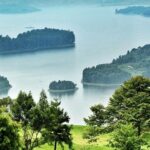
After breakfast, you get a boat ride on Lake Bunyonyi. The route takes you around different islands, which is a nice rhythm shift after dense forest tracking. You’ll get time to sit, look, and let your body recover a bit from the trekking days.
Then the program turns toward travel logistics: you head to the Katuna border to cross back into Rwanda. Once you reach Rwanda, you’ll do a Kigali city tour with stops at landmarks and craft markets, then you’re transferred to Kigali Airport for your departure flight.
This ending sequence is smart if you want your last day to feel productive. You’re not just waiting around after the big primate days—you still get a taste of everyday Kigali and a chance to pick up small crafts before you fly.
Why the lake stop is valuable: it’s not filler. It gives you an actual pause, and it breaks up what would otherwise be four days of constant hiking.
What to keep in mind: borders and city tours mean timing matters. You’ll want to keep your schedule flexible and avoid flights that are too tight.
Kigali city tour: landmarks and craft markets with context
The Kigali city tour is focused and practical rather than overly long. You check out landmarks and spend time at craft markets, which is useful because it helps you turn the trip into something tangible when you get home.
If you’re the type who likes understanding places, the pairing of Kigali’s genocide memorial on Day 1 with craft-market browsing later is meaningful. It’s a shift from reflection to normal life—both parts needed if you want the country to feel more complete.
Transportation, group size, and why the logistics feel easier than they look
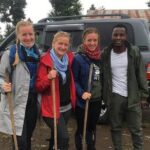
This tour lists pickup offered and a maximum group size of 9 travelers. For a trip that includes early starts, border crossing, and physically demanding tracking days, a smaller group is more than a comfort perk. It reduces bottlenecks during briefing time, and it makes communication easier when you’re listening for instructions from rangers.
It also notes mobile tickets, and the reviews I saw mention smooth organization and clear day-to-day information. In one review, Isa was credited for making the experience run well. Another review highlighted a professional, knowledgeable driver-guide named Ronald/Ronnie who enhanced the trip, and I took that as a real-world clue: these routes work best when your driver knows timing and your guide keeps the order of activities under control.
You’ll also see that the tour accommodates dietary needs like vegetarian, vegan, and gluten-free if you indicate them at booking. That’s important on multi-day itineraries where meal planning can become a headache fast.
Value angle: the price is $2,300 per person for about 4 days, and that cost sits in the range you’d expect for Rwanda/Uganda primate experiences because the biggest expenses are the permits and the time on the ground. You get a mix of premium wildlife days plus lake and city time, and the small group size helps you feel the value in how smoothly the days run.
Who should book this primate-and-lakes circuit
This is a strong match if you want:
- Golden monkey tracking plus gorillas on one short trip
- A route that still includes cultural context in Kigali (including the genocide memorial)
- A bit of downtime with Lake Bunyonyi boat time
- The chance to travel with a small group of up to 9
You should think twice if you:
- Don’t handle uncertainty well. Tracking time for gorillas can stretch.
- Have very limited mobility. The tour asks for moderate physical fitness.
- Prefer completely predictable schedules every hour. With wildlife tracking, the day’s pace can change.
Quick FAQ before you decide
FAQ
What is the duration of the tour?
It runs for approximately 4 days.
Where does the tour start?
The tour is based in Kigali, Rwanda, with the meeting start time listed as 9:00 am.
Are there limits on group size?
Yes. The maximum group size is 9 travelers.
Does the program include golden monkey tracking and mountain gorillas?
Yes. It includes golden monkey tracking in Volcanoes National Park and mountain gorilla tracking in Bwindi Impenetrable National Park.
How long is the gorilla tracking experience?
Gorilla tracking normally lasts between 2 to 8 hours or even a day, and you are allowed to stay with the gorillas for at least one hour once you encounter them.
Will I have food during the gorilla day?
You are advised that you should carry packed lunch, and lunch is provided. Since you can’t predict how long it will take to encounter the gorillas, having food on hand is part of the plan.
Are dietary needs accommodated?
Yes. The tour notes accommodation for vegetarian, vegan, gluten-free, and other dietary needs if you indicate them at booking.
What about cancellation refunds?
You can cancel up to 6 days in advance for a full refund. Different refund levels apply for cancellations made closer to the start time.
Should you book this 4-day Rwanda and Uganda primate trip?
If you want one efficient trip that stacks golden monkeys, mountain gorillas, Lake Bunyonyi, and Kigali context, this is a good plan. The small group size, the focus on real tracking time, and the pacing that includes a boat ride after trekking days makes it feel like more than a checklist tour.
Book it if you’re okay with early starts and variable trekking hours—especially on gorilla day. Skip it if you need the entire schedule to be tightly predictable or if moderate fitness is a stretch for you.