REVIEW · MARRAKECH
3 Days Desert Tour in Marrakech to Merzouga Dunes and Camel Trek
Book on Viator →Operated by Tour and Travel Morocco · Bookable on Viator
Three days, one big desert change. This Marrakech-to-Merzouga tour is interesting because it strings together mountain passes, a UNESCO kasbah stop, and then the Sahara switch from minibus to camels. I like the early 7:00am start that gets you out of the city fast, and I also love the camel sunrise/sunset timing that makes the dunes feel cinematic.
One heads-up: it’s built as a shared group route, so it’s well-organized but not slow and wandering. If you hate the feeling of doing set stops on a schedule (and if you’re counting on included lunches), plan a little extra with snacks or budget.
In This Review
- Key points before you go
- Marrakech to the High Atlas: the drive you actually look forward to
- Ait Benhaddou and Ouarzazate: UNESCO plus a quick reset
- Optional upgrade: local guide
- Tinghir and the Dades Valley: your earned first night
- Todra Gorges and the road to Merzouga: switching from paved to sand
- The luggage shuffle (do this right)
- Camel trek at sunset and sunrise: the real magic, with real logistics
- What you’ll want for the ride
- Berber camp night under the stars: comfort basics you can trust
- The return to Marrakech: wake for dunes, then drive home
- Price and value: what $105 covers (and what it doesn’t)
- Group tour reality check: who this suits best
- Practical tips to make the trip smoother
- Should you book this Marrakech to Merzouga 3-day tour?
- FAQ
- What is the duration of this tour?
- Where does the tour start in Marrakech?
- Is transport included?
- Do you sleep in both a hotel and a desert camp?
- What meals are included?
- Is there a camel ride?
- What about bathroom and shower facilities in the desert camp?
- Is a local guide at Ait Benhaddou included?
- How many people are on this tour?
- Is free cancellation available?
Key points before you go
- Early departure from a central meeting point helps you maximize daylight for the drive
- UNESCO Ait Benhaddou is included, and you can add a local guide if you want more context
- Hotel + desert camp sleep setup gives you two different “bedroom vibes” in three days
- Erg Chebbi camel ride is timed for both sunset and sunrise views
- Meals are mostly covered, but lunches are not included
- Driver and group energy can make the trip feel friendlier than you expect
Marrakech to the High Atlas: the drive you actually look forward to
Day 1 starts bright and early, with pickup from the Marrakech riad/hotel area (or you can meet at Hôtel Restaurant Café de France) at 7:00am. The whole point of leaving early is simple: you trade late starts in the city for real scenery while the light is fresh.
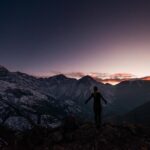
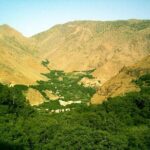
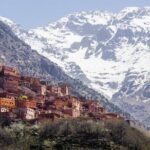
The route climbs through the High Atlas via the Tizi-n-Tichka pass, where the views stretch out across mountain ranges and traditional Berber villages. If you’ve only seen Morocco in cities, this is your first real taste of how different the country feels once you’re higher up and moving through valleys.
After the pass, you’ll continue toward the kasbah country and make your way toward Ait Benhaddou. This is one of those days where the “travel” part isn’t dead time. It’s part of the experience.
You can also read our reviews of more tours and experiences in Marrakech.
Ait Benhaddou and Ouarzazate: UNESCO plus a quick reset
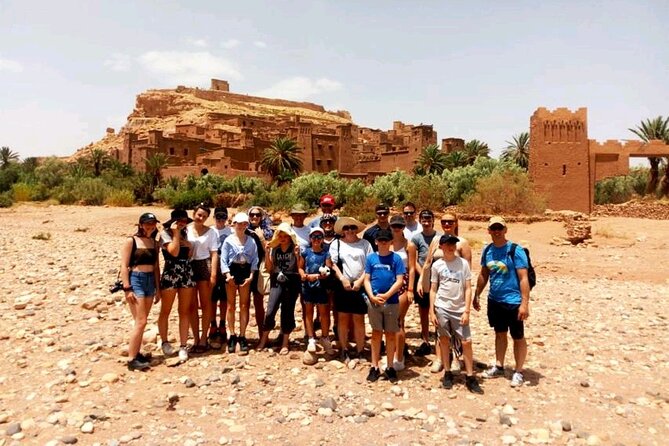
Ait Benhaddou is the star of Day 1. You stop here to visit the UNESCO World Heritage site of Ait Benhaddou, one of Morocco’s most famous kasbah landscapes. It’s the kind of place where the clay architecture makes more sense once you can see the scale in real life—not just in photos.
Lunch is on Day 1 in/around Ait Benhaddou, but you should note that lunch is not listed as included in the package. That means you’ll likely pay for it yourself, either at the stop or nearby options your group uses.
On the way, there’s also a stop in Ouarzazate for a supermarket break. That’s small but useful. When you’re heading deeper into the desert zones, a quick chance to grab snacks, water, or simple travel needs can save you later.
Optional upgrade: local guide
A local guide at Ait Benhaddou is available for an extra charge (2€ per person). If you like understanding what you’re seeing—who built it, why it mattered, how kasbah life worked—this can be a good add-on. If you mainly want photos and atmosphere, you can still enjoy the site without it.
Tinghir and the Dades Valley: your earned first night
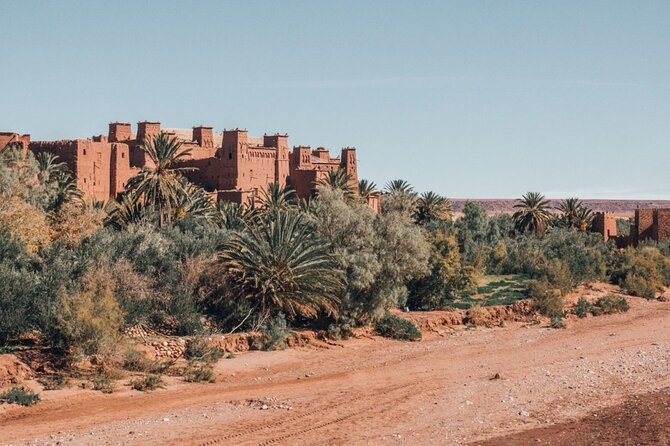
After Ait Benhaddou and the Ouarzazate stop, you continue through the region that includes roses and the Dades Valley vibe on the way to Tinghir. The drive shifts from kasbah highlights back to natural scenery and mountain valleys, and that change of pace feels good after a UNESCO-style stop.
Your overnight is in a hotel in Tinghir—Hotel Saghro or similar—with dinner and breakfast included. The rooms are described as having toilets and showers inside, which matters because Day 2 is where things get more “rough-and-real.”
If you’re traveling as a first-timer and you want the desert to feel like a reward instead of a hardship, this hotel night is a smart buffer.
Todra Gorges and the road to Merzouga: switching from paved to sand
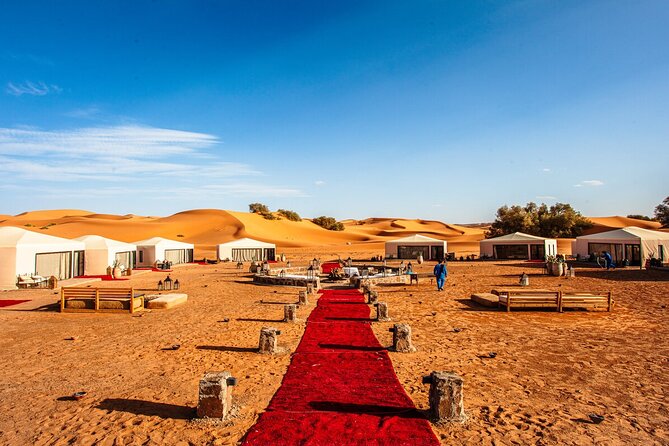
Day 2 is the long-scenic day that gets you to Erg Chebbi in Merzouga. After breakfast, you head out toward Merzouga, passing through a chain of places that gradually shifts the scenery and rhythm of the trip.
Some key road moments include:
- Todra Gorges: a classic canyon stop that breaks up the long drive with dramatic rock walls
- Oasis areas and towns including Tinjdad, Jorf, and Erfoud
- The feeling of arriving at the Saharan oasis of Tafilalet zone before you reach Merzouga
Then you make the Merzouga hotel stop first. This is more than a logistical pause—it’s where your group transitions from “car travel” to “desert survival-lite.”

The luggage shuffle (do this right)
A practical detail: when you get to Merzouga, you’ll move your essentials into a small bag for the night in the desert camp, and leave the rest of your main luggage at the hotel. You’ll want to pack what you actually need for the night and keep your phone/camera stuff secure. It’s also one less thing to worry about while you’re on camels and walking around.
Camel trek at sunset and sunrise: the real magic, with real logistics
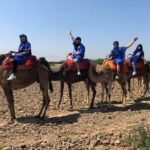
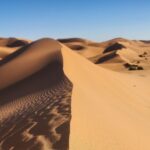
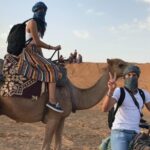
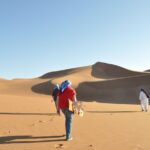
Once you’re set, you ride camels across the dunes in Erg Chebbi. The tour includes one camel per person, and it’s specifically described as a sunset-and-sunrise experience. That timing is one of the biggest reasons this kind of trip works.
Here’s how it plays in your day:
- You ride in the late-day light for sunset (best for wide dune photos and that orange glow)
- Later, you return in the morning for sunrise (cooler tones, softer light, and a calmer dune mood)
When you reach the camp, you leave the camels and walk to the camp. This is the part where you’ll feel the difference between being “transported” and actually moving through the dunes on foot.
What you’ll want for the ride
The tour data doesn’t list a specific packing list, but you can prepare for the basics: sun protection, layers, and something to keep sand out of the places you hate sand. Since meals are included but lunches aren’t, you may also want a snack plan for long gaps between stops.
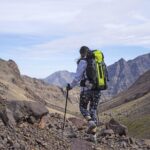
And if you’re wondering how intense it feels: it’s not described as extreme trekking all day, but it is still a camel ride plus dune walking. If you’re prone to motion discomfort, consider whether camel travel sounds fun for you or more like a chore.
Berber camp night under the stars: comfort basics you can trust
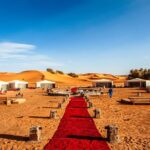
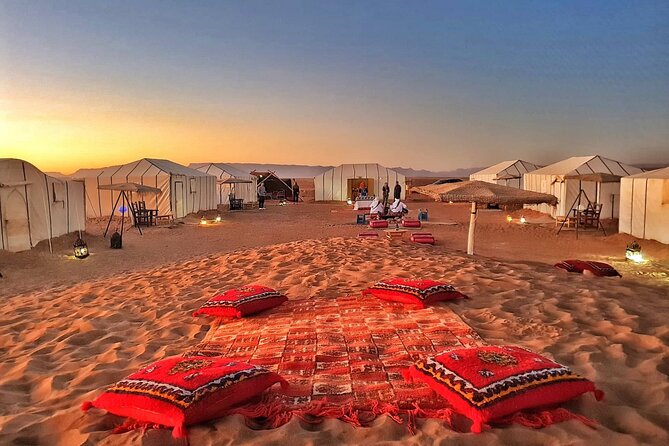
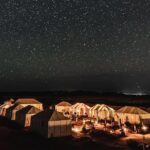
After the camel ride, you spend the night sleeping under the stars in a Berber camp. The included meals are breakfast and dinner there as well.
Expect a different comfort setup than the hotel:
- In the hotel: toilets and showers inside rooms
- In the desert camp: toilets outside, and showers in the lodge
That matters. Many people picture “desert luxury” and then realize it’s more like simple camp life with real atmosphere. If you’re the type who likes authentic basics, this should feel like part of the story—not a problem.
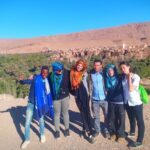
Also, this is one of the reasons the group format works: in the evening, you’re not just sitting alone. You’re in a shared experience with other people heading the same way. The reviews highlight that meeting new folks is a genuine bonus, and it makes the dinner-and-dusk vibe more social.
The return to Marrakech: wake for dunes, then drive home
Day 3 starts with a wake-up timed for sunrise in the dunes. You ride back to Merzouga after that morning view, then you get breakfast and a shower in the camp before the drive back to Marrakech.
The return route follows a similar pattern, including Berber villages until Ouarzazate, then back toward Marrakech using the same roads. You’ll reach Marrakech in the afternoon/evening.
The tour is described as ending around 7:30pm, with drop-off at your hotel or the nearest accessible point to your riad. If your riad is tucked into a narrower lane, that “nearest accessible point” detail is worth keeping in mind.
Price and value: what $105 covers (and what it doesn’t)
At about $105.02 per person for a 3-day shared tour, the value is pretty clear on paper: you’re covering transport by air-conditioned minibus, two nights of lodging (one in a local hotel with breakfast/dinner, one in a desert camp with breakfast/dinner), plus camel transport timed for sunset and sunrise.
On top of that, tips and gratuities are listed as included. That’s not always the case with similar tours, so it helps keep the overall cost more predictable.
What you should budget for:
- Lunches (not included)
- A local guide at Ait Benhaddou (optional, 2€ per person)
This package tends to make the most sense if you want an organized “first Sahara” plan without arranging separate drivers, hotels, and camel logistics on your own.
Group tour reality check: who this suits best
This is a great match if you:
- Want easy logistics from Marrakech with pickup/transfer
- Prefer a structured itinerary instead of improvising day-to-day
- Like the idea of meeting people and sharing the long drive and the big moments
- Are happy with “real-life camp” comfort rather than a five-star tent setup
It may not fit if you:
- Want long free time in each stop to wander alone for hours
- Plan to spend every meal on included food and hate paying for lunch out of pocket
- Dislike the feeling of doing set photo moments in a group setting
Practical tips to make the trip smoother
A few things I’d do to keep the experience easy and stress-free:
- Pack for two sleep styles. Hotel comfort is one world; desert camp toilets/showers are another. Keep your basics simple.
- Use the small desert bag method well. Put only what you need for the night in the smaller bag. Everything else can wait at the hotel.
- Plan for lunch. Since lunches aren’t included, either bring a snack strategy or keep cash/card ready for quick meals at stops.
- Bring layers. Morocco’s desert mornings can feel very different from daytime. You’ll appreciate having something for early hours.
- Expect a full schedule. This is a 3-day “see a lot” itinerary. If you like slow travel, consider adding extra days in Marrakech afterward for a breather.
One more human detail: the reviews strongly connect a good mood to the driver. A memorable example is Nourreddine, praised for being helpful and answering questions. Even if you can’t control who you get, a friendly driver can turn the long drive into part of the fun.
Should you book this Marrakech to Merzouga 3-day tour?
Book it if you want your Sahara experience to be organized, cost-controlled, and experience-heavy—with desert sleep, camel trekking, and major highlights like Ait Benhaddou and Todra Gorges packed in.
Skip it or compare alternatives if you’re the type who needs lots of downtime, hates paying extra for lunch, or wants a more private pace.
If your goal is: get out of Marrakech, see the Atlas and UNESCO kasbah scenery, then arrive in Merzouga for real dune time, this tour matches that goal well.
FAQ
What is the duration of this tour?
The tour runs for about 3 days, with a return to Marrakech around 7:30pm on Day 3.
Where does the tour start in Marrakech?
It starts at Hôtel Restaurant Café de France on Rue des Banques in Jemaa el-Fnna, Marrakech, with a 7:00am start time. Pickup from your riad/hotel is also offered.
Is transport included?
Yes. You travel by an air-conditioned minibus with fuel included.
Do you sleep in both a hotel and a desert camp?
Yes. You’ll spend one night in a hotel in Tinghir (Hotel Saghro or similar) and another night in a Berber desert camp near the dunes.
What meals are included?
The tour includes breakfast and dinner at the hotel and breakfast and dinner at the desert camp. Lunches are not included.
Is there a camel ride?
Yes. You’ll have a camel ride timed for sunset and sunrise, with one camel each.
What about bathroom and shower facilities in the desert camp?
In the hotel, rooms have toilets and showers inside. In the desert camp, toilets are outside, and showers are available in the lodge.
Is a local guide at Ait Benhaddou included?
No. A local guide at Ait Benhaddou is available for an extra 2€ per person.
How many people are on this tour?
The tour has a maximum group size of 100 travelers.
Is free cancellation available?
Yes. Free cancellation is offered, and you can cancel up to 24 hours before the start time for a full refund. It can also be changed due to weather, with an alternate date or full refund offered.