REVIEW · HA GIANG
Ha Giang Loop Trekking Full Day Tour
Book on Viator →Operated by Dragon Team Tour · Bookable on Viator
This tour turns a long day in Ha Giang into hands-on gardening and a proper meal you helped make. You’ll walk through forest areas tied to local timber growing, then move into fruit gardens right by the village. It’s the kind of experience that feels practical, not staged, because you get close to the fields and the homes where people live their everyday life.
Two things I really like: the chance to work with locals in the garden, and the cooking class that ends with breakfast and your own five-color sticky rice. One drawback to consider is that this is a real full-day outing, and it can feel like a lot if you hate walking on uneven paths.
In This Review
- Timing and energy check
- Key points worth your attention
- Lung Cam Cultural Village trek: fruit gardens, timber forest, and daily life near houses
- Working with locals: what you’re really gaining in the garden
- Stop for lunch and the rhythm of a long day
- Dragon Home cooking class: make five-color sticky rice and eat your results
- The guide and the group size: why small matters on rural days
- Bicycles for free: a simple add-on for seeing Ha Giang at your own speed
- Included meals, rain gear, and the overnight room detail
- Price and value: why $70 can make sense for this much food and local time
- Who should book this Ha Giang day trek with Dragon Team?
- Should you book it?
- FAQ
- What time does the tour start, and where do I meet?
- How long is the Ha Giang trek and cooking experience?
- What’s included in the price?
- Is transportation to and from Ha Giang included?
- How big is the group?
- What do I do on the first part of the tour?
- What do I cook, and when do I eat it?
- Can I cancel for a full refund?
Timing and energy check
Plan for a 10-hour day that includes an extended visit at the cultural/tourism village area and then a cooking session. Also, transport into Ha Giang (before) and back out (after) isn’t included, so you’ll want to handle your own bus or other travel around this start point.
Key points worth your attention
- Hands-on work in local gardens: you’re not just watching; you’re helping with garden tasks alongside local hosts.
- Fruit gardens near the homes: guava, custard apple, banana, dragon fruit, jackfruit, plum, and more show up along the route.
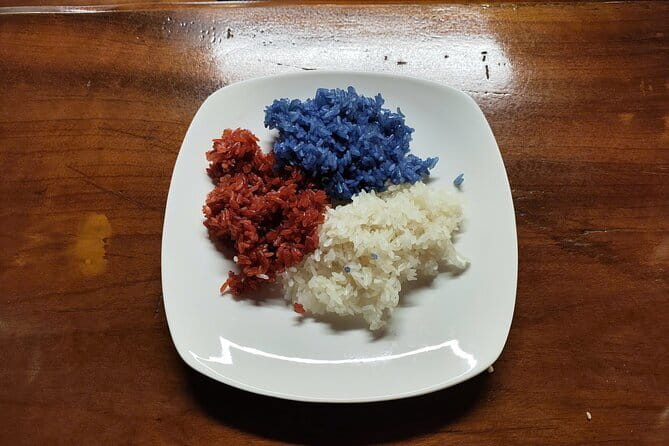
- Five-color sticky rice cooking class: you learn the process and then eat what you cook (with breakfast served).
- A small group pace (max 8): easier conversations, fewer bottlenecks on paths, and more time for questions.
- Guide support that feels calm and safety-minded: English is typically strong, and the team keeps the day organized.
- Meal-heavy day: breakfast, lunch, and dinner are included, plus bottled water and weather gear.
You can also read our reviews of more tours and experiences in Ha Giang.

Lung Cam Cultural Village trek: fruit gardens, timber forest, and daily life near houses
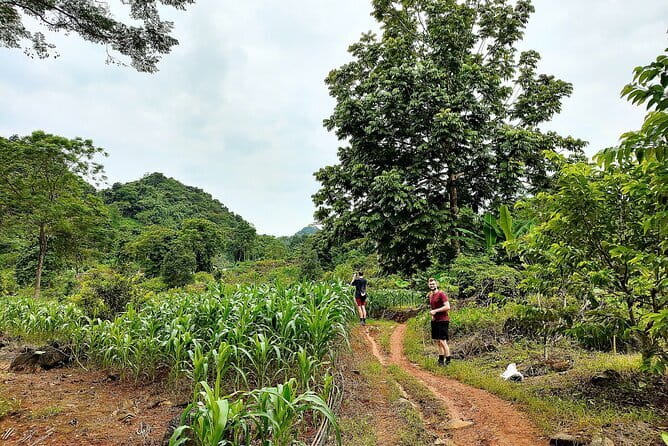
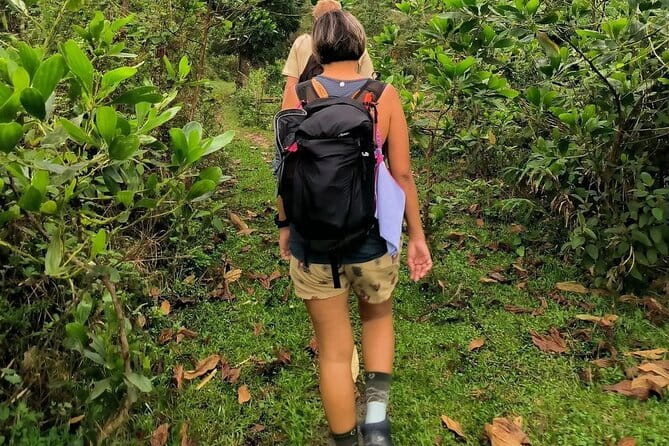
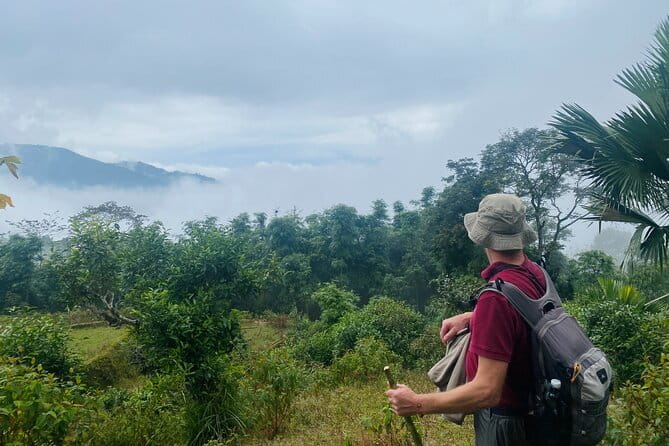
This is not a quick photo stop tour. You start by trekking in a small area near Ha Giang city, then head down the small roads toward a Han village. The pace is built for walking and talking, so you get a sense for how land is used and why.
One of my favorite parts is how the route mixes working landscapes with everyday life. You move through forest areas where locals grow trees for timber, so you can see that the greenery isn’t only scenic. It’s part of an income and maintenance plan that makes sense in a highland setting.
Then the trail shifts into fruit gardens. You’ll pass clusters of plants that locals cultivate—guava, custard apple, banana, dragon fruit, jackfruit, plum. Seeing these in a garden setting matters, because you understand what people actually eat and grow, not just what’s on a market shelf.
As you get closer to houses, the experience becomes more personal. You’ll see daily routines in a way that’s hard to get from a bus window: corn fields, sweet potato fields, and the small rhythms of life around home. It’s a good reminder that the highlands aren’t just a scenic backdrop. They’re workplaces and homes.
The big “why this tour is worth it” moment comes when you join in the garden work. The goal isn’t to make you a farm expert. It’s to create a shared moment—helping with the tasks that make the garden function, guided by local hosts. You learn faster when you’re doing something with your hands, and it usually leads to better conversations too.
Possible drawback: since this is a trekking-style visit for around 8 hours, you’ll want to be comfortable walking for long stretches. If you get worn out easily, bring water (bottled water is included) and plan to move slowly when the path gets rough.
Working with locals: what you’re really gaining in the garden
Garden experiences can go two ways. Either you’re treated like a spectator, or you’re treated like a helper. This tour aims for the second one.
When you work with locals, you learn the basics of how gardens are maintained and how seasons shape what grows where. You also learn the social side: who handles which tasks, how people communicate while working, and what people consider normal. That’s the stuff that makes a trip feel real.
If you care about cultural respect, this is a good format. You’re in someone’s environment, and the best way to honor it is to follow the guide’s lead and ask questions while staying out of the way. You don’t need fancy language. Curiosity and patience do most of the work.
You might also find the connection sticks longer because the day includes eating afterward. When you cook later, you’ll understand the day’s food theme more clearly. Even if you don’t connect every ingredient, you’ll at least remember where the plants and produce live in everyday life.
Stop for lunch and the rhythm of a long day

This tour is meal-heavy for a reason. After hours of trekking and garden work, it would be rough to rely on snacks alone. You’ll have lunch included during the day, plus bottled water to keep the pace comfortable.
A practical note: because the day runs long and involves moving outdoors, eat early when you can. Don’t wait until you feel shaky. If you’re the type who tends to forget lunch while you’re busy looking around, set your internal timer.
Also, this is one of those tours where the schedule structure actually helps. Meals break the day into manageable segments, and that usually makes it feel less exhausting even when the walking adds up.
Dragon Home cooking class: make five-color sticky rice and eat your results
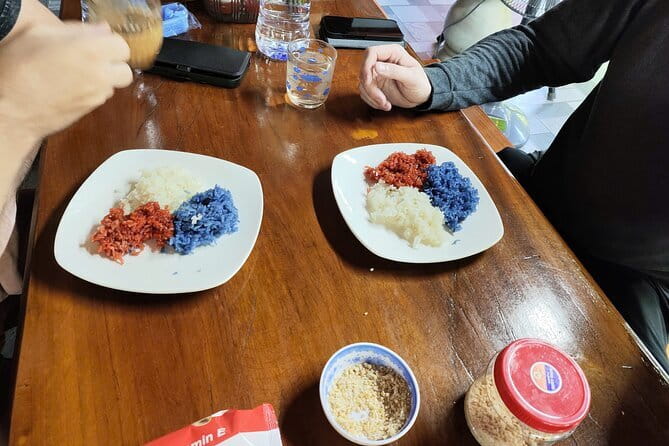
After the longer trekking/garden portion, you switch gears at Dragon Home in the Dragon Ecotourism area. This is where the day turns into a skill you can take home, because you’ll cook a Highland ethnic favorite: five-color sticky rice.
You’ll spend about 2 hours in the cooking class. The focus here is hands-on learning—how the rice is prepared, how the colors are handled, and how the dish comes together as something you can actually eat. Then you get breakfast with the food you made. That detail matters more than it sounds. Eating what you cook is a full part of the experience, not an afterthought.
A cooking class is often only “instructions + photos.” Here, it’s designed so you participate enough that breakfast feels earned. That’s great if you like food travel but don’t want a cooking class that stays too theoretical.
What to expect at this stop: you’ll likely spend time working at a station, so you’ll want to wear something comfortable and easy to move in. If you’re worried about heat, remember you’re outdoors earlier, then indoors or semi-covered for cooking—your body tends to appreciate the change of pace.
The guide and the group size: why small matters on rural days
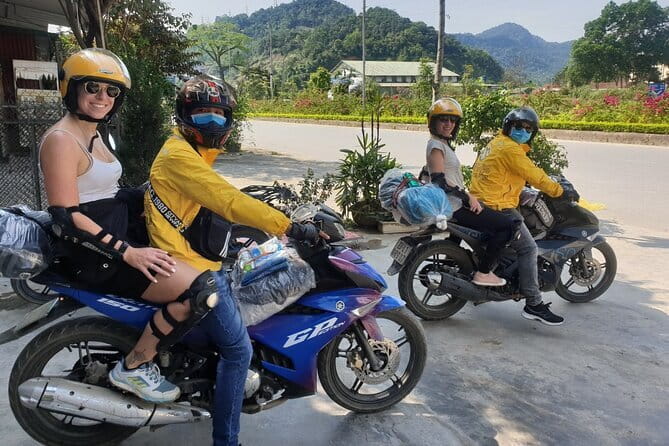
This tour runs with a maximum group size of 8 travelers. In practical terms, that means you’re less likely to feel like you’re in a conveyor belt. It also makes it easier for your guide to explain what you’re seeing and for you to ask questions without shouting.
Guides here are known for being communicative and English-friendly, with a relaxed, friendly approach. Some people have even highlighted the comfort of feeling safe with the team, especially when your day involves rural paths and longer walking.
If you’re assigned guide Ha, that’s a name that comes up for clear explanations and keeping people comfortable. And if your driver is Haung, people have pointed out his knack for capturing moments and making the experience feel smooth. Not everyone will get the same pairing, but the broader theme is consistent: you should feel looked after.
One more thing I value on group tours: fewer people means less pressure. You can pause to take a photo or ask a question without slowing down ten strangers behind you.
Bicycles for free: a simple add-on for seeing Ha Giang at your own speed
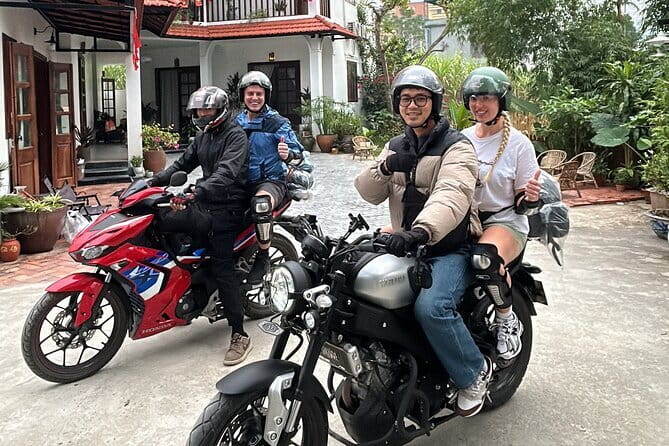
The tour description includes a nice bonus: borrow bicycles for free to visit the city. That can be a great way to round out your day if you still have energy after the trekking and cooking.
I like this because it creates flexibility. Maybe you want to wander markets, find a viewpoint, or just grab a coffee somewhere without waiting for a bus schedule. Bikes also let you experience the city’s texture at a slower pace than walking fast.
Just remember: you’ll have already spent much of the day moving outdoors, so don’t turn this into an extra endurance event. Use the bike time as a relaxed cooldown and focus on one or two nearby stops.
Included meals, rain gear, and the overnight room detail
This tour includes breakfast, lunch, and dinner, plus bottled water. It also includes rain gear: a raincoat or umbrella. That’s more than a comfort perk in northern Vietnam. Weather changes quickly, and being prepared keeps you from cutting the day short.
There’s also an overnight room included. That’s a detail worth planning for. Even though the tour itself runs around 10 hours, the package clearly expects you to stay for the night. So think of it as a day that can naturally transition into a follow-up evening in Ha Giang rather than a tour that ends and sends you immediately back home.
If you’re traveling from Hanoi or elsewhere, note that bus tickets to Ha Giang before the tour and buses after the tour aren’t included. You’ll want to line up your travel so you arrive in time for the 8:30 am start and so your departure matches the end back at the meeting point.
Price and value: why $70 can make sense for this much food and local time
At $70 per person, this is one of those prices that looks too good until you break down what you’re actually getting.
You’re paying for:
- A full-day guide presence
- Multiple meals (breakfast, lunch, dinner)
- Admission/tickets tied to the key stops
- Rain gear
- An overnight room
- A small group setup (max 8)
Most budget day tours charge less on paper but then hit you with extra costs for food, tickets, or transport. Here, meal coverage alone is a big part of the value, especially after you’ve been active all morning and early afternoon. Adding the cooking class matters too, because it includes instruction and breakfast served with your dish.
Is it “cheap” cheap? No. But is it “good value” for a day that mixes trekking, garden work, culture, and a full cooking class? That’s the right way to look at it. If you’d otherwise spend money on several separate activities, this format often wins.
Who should book this Ha Giang day trek with Dragon Team?
This tour is a strong fit if you want more than scenery. It suits you if you like:
- Agricultural and local life details
- Food experiences that end with a meal you made
- A calmer small-group pace rather than a big bus crowd
- Getting practical help in rural settings (like gardening work), not just sightseeing
It may be less ideal if:
- You dislike long walking days
- You want a purely sightseeing route with minimal physical effort
- You’re hoping for a short, light half-day
Should you book it?
If you like your travel days to include people, work, and food, I think this is a smart booking. The biggest reason is the combo: trekking through forest and fruit gardens, time working in a real garden setting, and then a cooking class where you eat what you cook.
Book this tour if you’re in Ha Giang and you want one high-quality day that feels grounded in daily life. Just make sure you’re ready for a long, active schedule and plan your transport so you’re not rushing before or after the 8:30 am start.
FAQ
What time does the tour start, and where do I meet?
It starts at 8:30 am and the meeting point is 93 Quyết Thắng, Ngọc Hà, Hà Giang, Vietnam. The tour also ends back at this same meeting point.
How long is the Ha Giang trek and cooking experience?
The duration is listed as about 10 hours.
What’s included in the price?
The tour includes breakfast, lunch, dinner, bottled water, raincoat or umbrella, overnight room, and a tour guide.
Is transportation to and from Ha Giang included?
No. Bus tickets to Ha Giang before the tour and leaving Ha Giang after the tour are not included.
How big is the group?
The maximum group size is 8 travelers.
What do I do on the first part of the tour?
You trek near Ha Giang city through areas including a forest used for timber and local fruit gardens, then you visit close to houses to see daily life, corn and sweet potato fields, and you work with locals in their garden.
What do I cook, and when do I eat it?
You take part in a cooking class for five-color sticky rice at the Dragon Ecotourism stop, and you have breakfast with the food you cook.
Can I cancel for a full refund?
Yes. You can cancel up to 24 hours in advance for a full refund. If you cancel less than 24 hours before the experience starts, the amount is not refunded.