REVIEW · PLAKIAS
Kourtaliotiko Gorge: Guided River Trekking with Lunch
Book on GetYourGuide →Operated by Cretan Explorer · Bookable on GetYourGuide
Cold water, big canyon, and a real escape. This guided Kourtaliotiko Gorge trek is built around swimming, safe jumps, and those unforgettable moments inside the waterfall cave in Rethymnon. I especially like the way the route favors natural pools and quieter paths, not a straight line of crowd-chasing.
Next, I like that the experience is practical, not just pretty: you’re kitted out with neoprene gear, helmets, poles, and phone protection, so you can focus on moving and cooling off. The last piece is the down-to-earth reward at Banana Garden, where you reset after getting wet and muddy.
One thing to consider: the price does not include the 5 euro cash entrance ticket (paid on site), and lunch includes food but not drinks. Also, it’s not a good fit if you have back/heart issues, recent surgery, mobility limits, or if you’re pregnant.
In This Review
- 5 things you’ll notice right away in Kourtaliotiko Gorge
- Why Kourtaliotiko Gorge feels more like a river day than a hike
- Entering the gorge: waterfall views, gear fitting, and the first cold shock
- The river trekking section: natural pools, small breaks, and photo moments
- The “away from crowds” route: what that really means on the ground
- Banana Garden: the exit from the olive grove and the lunch reset
- Gear, clothing, and footwear: what matters more than you think
- Price and value: what $112 really covers (and what adds up)
- Who this trek suits best (and who should skip it)
- Guide style: why the names matter here
- Photo tips for the cave waterfall and pool areas
- Should you book Kourtaliotiko Gorge river trekking with lunch?
- FAQ
- How long is the Kourtaliotiko Gorge guided river trek?
- What’s the price, and is there an extra entrance fee?
- What’s included in the experience?
- What languages are the guides available in?
- Do I need to bring my own swim gear?
- What should I bring for the tour day?
- Is hotel pickup available?
- Is the tour suitable for everyone?
5 things you’ll notice right away in Kourtaliotiko Gorge
- A real waterfall swim experience right inside the big cave area of the gorge
- Natural pools along the river that make the “river trekking” part feel like play
- Special paths away from crowds, so the gorge feels wild instead of staged
- Guided safety gear and support (neoprene suit, helmet, hiking poles, and more)
- A Banana Garden finish with a light lunch and a calmer, local stop afterward
Why Kourtaliotiko Gorge feels more like a river day than a hike
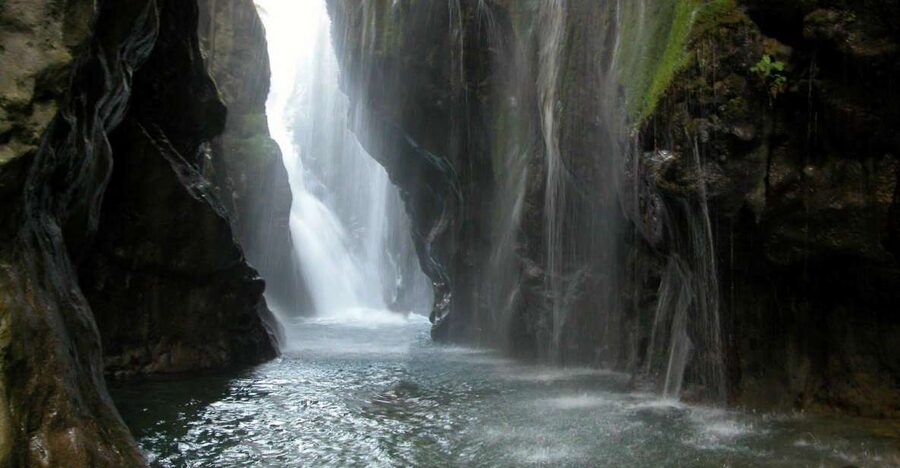
The Kourtaliotiko Gorge trek is marketed as a guided river adventure, and you can feel that in how the day is structured. It’s not just “walk to a viewpoint.” You spend real time with the water—at first with a cold splash, then with repeated dips into natural pools as you move downriver.
What makes this gorge stand out in Crete is the combination of scale and access. You get to see the huge waterfall action up close, then cool down in a way that would be hard (and risky) to repeat on your own. The guide’s job matters here: they keep you pointed at the best route through the gorge and help you handle the moments that require balance and timing.
You also get the kind of change in scenery that keeps your attention. Expect hidden forest stretches, plane trees around you, and those classic canyon walls that turn even ordinary steps into “how is this real?” moments.
Entering the gorge: waterfall views, gear fitting, and the first cold shock
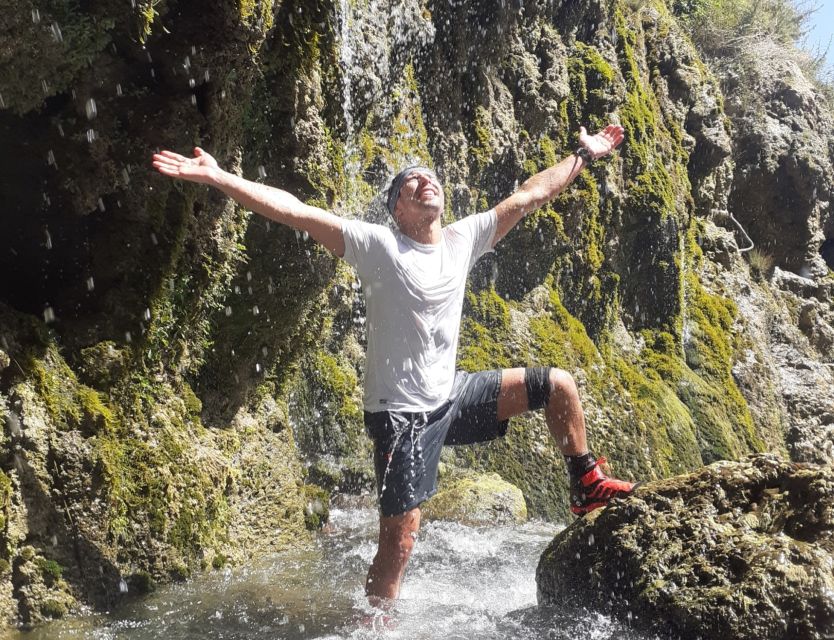
The tour starts above the gorge with a short briefing and then the gear. You’re given neoprene short-sleeve suits, helmets, walking sticks (hiking poles), and waterproof items for your phone and for carrying things. You’ll also want to be ready for the feel of the water right away—because the first big attraction is early.
Early on, you get an amazing view of the great waterfall. The flow never stops, and it’s the kind of roaring water that makes it hard to think about anything except getting your bearings. This is also where the tour builds excitement with a controlled moment: a small and safe jump to cool you down, in a spot described as perfect for photos.
From a value perspective, I like this start because it prevents the common problem of tours that save the best part for later. Here, the gorge’s biggest wow-factor hits soon, so the rest of the trek feels like a long continuation of the highlight, not a wait.
Practical note: there’s a big difference between seeing waterfalls and actually getting near them. Dress with the water in mind, not just the hike.
The river trekking section: natural pools, small breaks, and photo moments
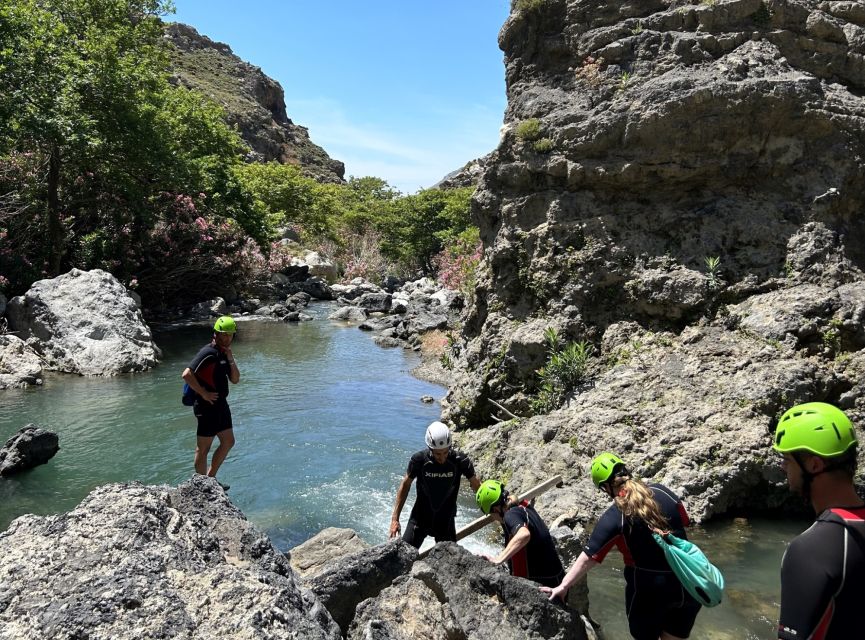
After the initial waterfall moment, you follow the river’s shore and canyon paths. The tour is designed to keep things moving for about 2 hours further into the gorge before you reach the olive grove exit point.
This part is where your day becomes a series of short stops rather than one continuous march. You’ll pass by natural pools and swim spots, with time to cool off and splash around along the shore. The water is part of the route, not an optional extra.
It’s also where the guidance shows up in details. You’re walking and moving through terrain where you’ll need sure footing, and sometimes you’ll want to leave the water to take a path. Having a guide is the difference between “strolling” and “getting pulled off the right route.”
For photos, I’d think in terms of short windows. The gorge rewards quick framing: waterfall backdrops, the cave area, and the pool reflections can be great, but conditions change fast with water flow and movement. The waterproof phone case and waterproof backpack are a big reason this works—so bring the phone you actually want to use for pictures.
One more tip from the reality of the trek: the recommended footwear is sports shoes or trekking-friendly shoes. People also mention trekking sandals or trainers that fit tightly, because you can’t always predict what you’ll encounter on the river bottom. If your shoes are loose, it gets annoying fast.
The “away from crowds” route: what that really means on the ground
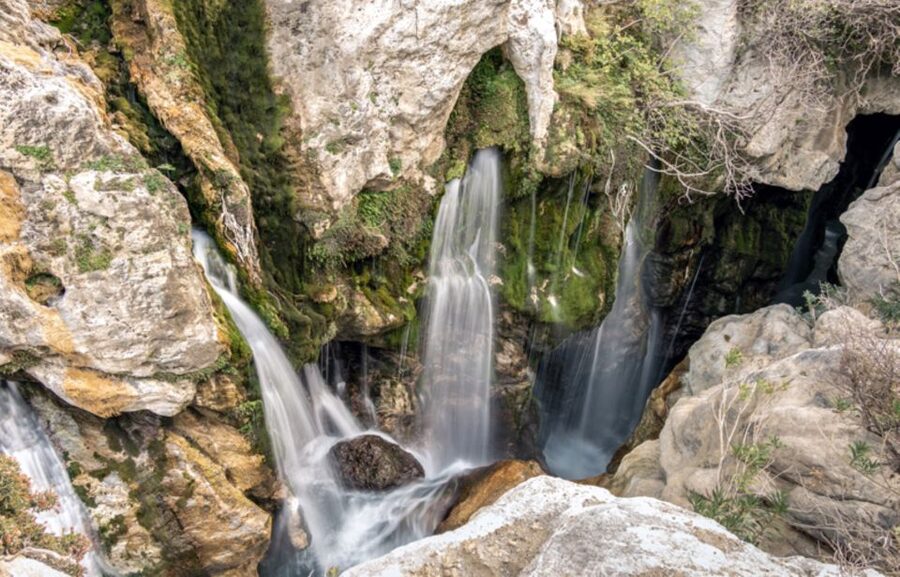
The tour highlights a special path away from crowds. In real life, this matters because gorge tours can get bottlenecked: people stopping at the same spots, the same timing, the same photos, and a lot of noise that drains the wilderness feeling.
With this trek, you follow the river and gorge paths with an experience guide, and you get stretches described as calmer and more scenic. Reviews mention the guide taking groups away from crowd patterns, and I take that seriously. When you’re surrounded by waterfalls and wet rock, you want space to move safely and time to enjoy the view without squeezing past strangers.
You’ll also see plane trees and the kind of shaded gorge vegetation that makes the trek feel less like a hot slog. That shaded stretch can be a big deal in Crete summer heat.
Banana Garden: the exit from the olive grove and the lunch reset
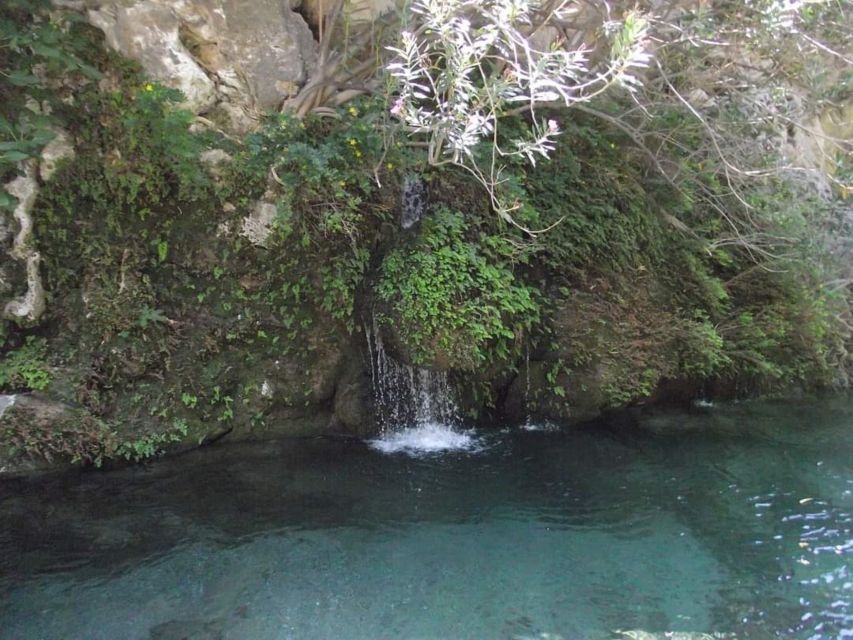
You trek for about 2 more hours into the gorge, then reach an old olive grove that marks the exit point. From there, you go to a place the tour calls Banana Garden—described as a hidden paradise on earth—where the pace shifts from active to social.
This stop is more than a “sit down and snack.” It’s where you recover. Your feet are wet, your clothes feel heavy, and your brain is done analyzing rocks. A light lunch after the trek is included, and reviews describe a satisfying spread like Greek salad, cold drinks, watermelon, and smoothies at Banana House/Banana Garden.
I like this ending because it closes the loop: the gorge is nature and movement, then you get local food and conversation without having to scramble for a meal afterward. It also helps you process what you saw while it’s still fresh.
Gear, clothing, and footwear: what matters more than you think
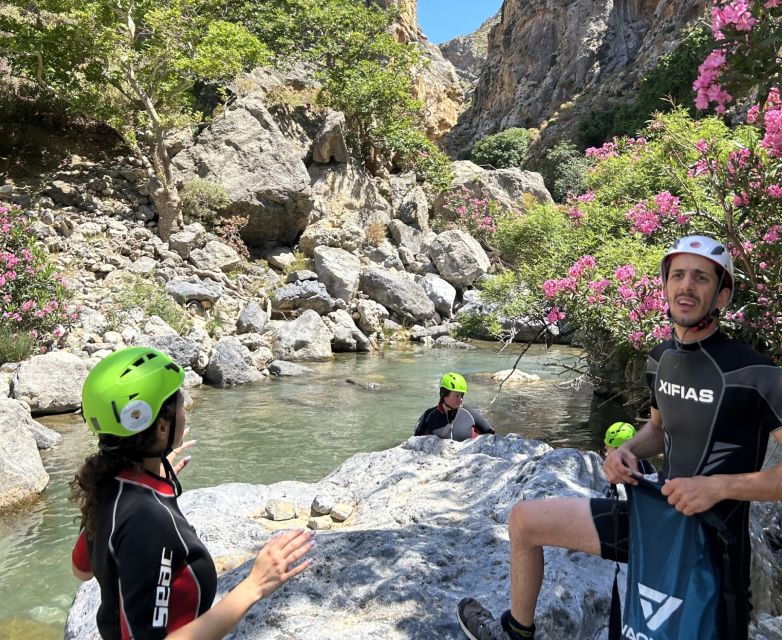
This is a water-focused trek. So the packing list isn’t “nice to have,” it’s what makes the day comfortable.
You’re told to bring:
- Swimwear
- Water
- Snacks (optional but useful)
- Sports shoes or comfortable shoes
- Towel
- Flip-flops
- Cash
- Sunscreen and practical basics (not explicitly listed, but you’ll feel the sun)
You’re also told that watershoes with soft soles are not suitable. That one line is easy to miss, but it matters. Soft, squishy soles can be unstable on river stones and slick rock edges.
One more practical item: you’ll get neoprene suits, so you should share your height and weight so the suit fits you well. Even if you’re “between sizes,” this is worth doing. A neoprene suit that fits right keeps you warmer and moves better, which helps with confidence when you’re stepping downriver.
Finally, your phone isn’t optional for many people, and the tour includes waterproof cases and waterproof backpacks. I’d bring your phone ready to use, then rely on the provided waterproof protection so you’re not constantly worrying about one accidental splash.
Price and value: what $112 really covers (and what adds up)
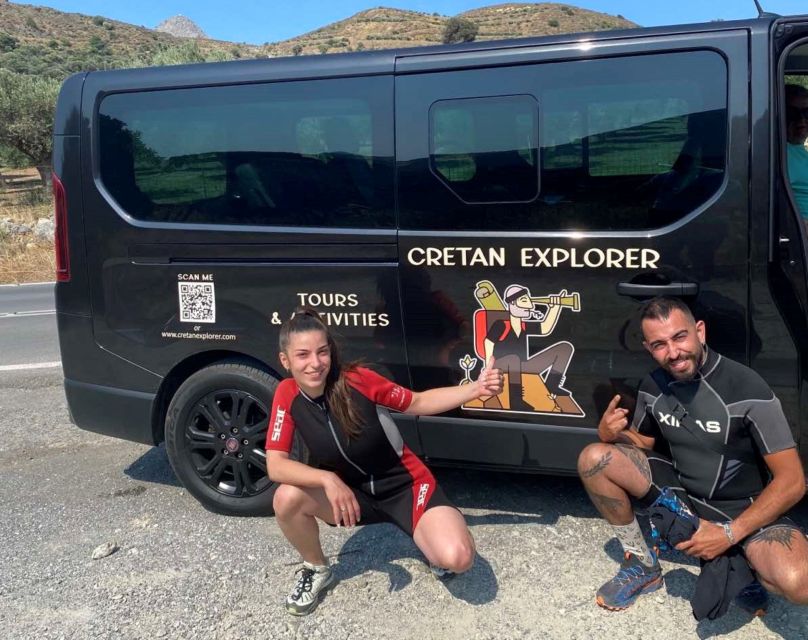
At $112 per person for about 5 hours, this tour can feel fair fast, especially once you look at what’s included.
Included highlights:
- Experienced guide
- Neoprene suits, helmets, and hiking poles
- Waterproof protection for mobile phones and waterproof backpacks
- A light lunch after the trek
- All transfers needed between the exit point and the entrance of the gorge
- Skip the line for the entrance ticket
- Optional hotel pickup around Rethymno and also in the Plakias area and nearby villages
What’s not included:
- A 5 euro per person entrance fee, paid in cash
- Drinks during the lunch
So the real math is: you’re paying for guidance, safety equipment, gear that gets you into the water comfortably, and transport that solves a classic gorge-trek problem (you exit in one place and need to get back to where you started). That’s why the extra 5 euro ticket is relatively minor compared to the overall package.
If you like low-stress planning, this bundle is strong. If you prefer to bring your own gear and do everything independently, you might find better budget options—but you’d lose the structured route and the protected swim access inside the cave area.
Who this trek suits best (and who should skip it)
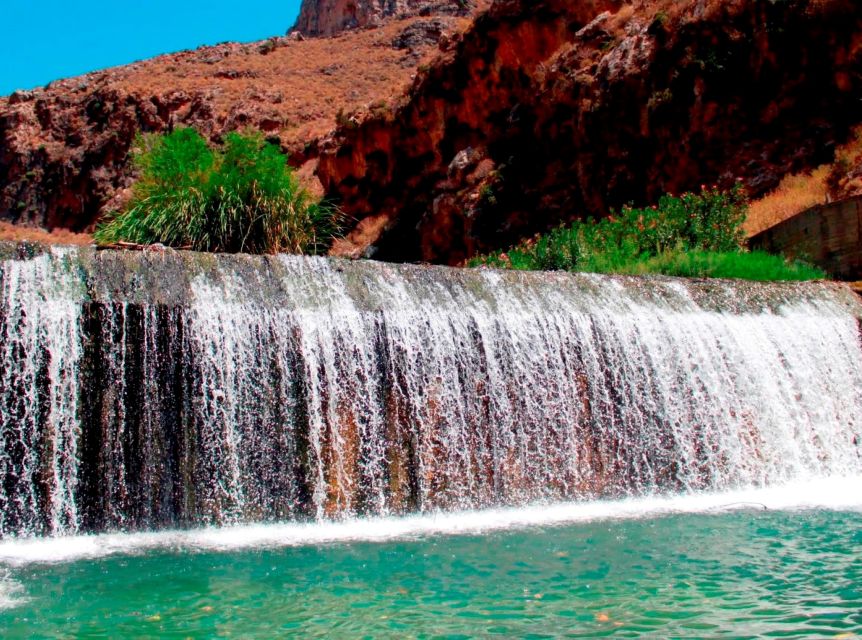
This is a moderate hike suitable for most fitness levels, but it’s still an active, wet environment. It’s a great match for:
- People who are comfortable walking on uneven ground near water
- Swimmers in spirit who want a controlled waterfall cave moment
- Travelers who want guide-led safety and a calmer route away from crowds
- Anyone who likes nature + photos + lunch afterward
It’s not suitable for:
- Pregnant women
- People with back problems
- People with mobility impairments
- People with heart problems
- Visually impaired people
- People with recent surgeries
- People over 70 years
Also remember that there’s a physical side to climbing and exiting. The day includes walking downriver and then getting back up to the car area after the gorge exit. The guides are there to help, but the environment is still the environment.
One review praises how the guide supported someone with a knee injury, which suggests the team takes individual needs seriously. Still, if you’re in any of the listed categories, don’t assume it will work.
Guide style: why the names matter here
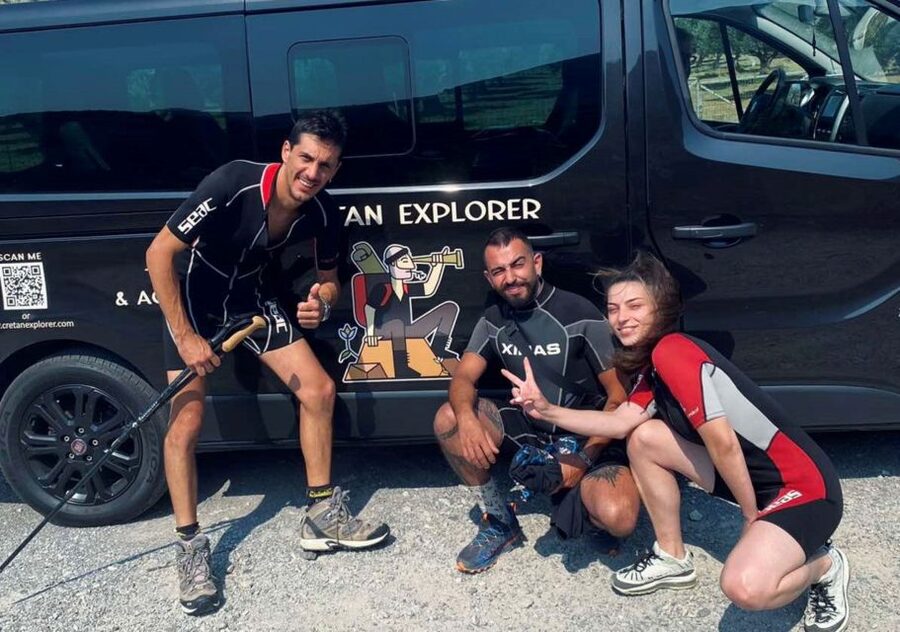
The guides show up in reviews as both professional and human—funny, kind, and careful about safety. Names that appear include Manolis and Alkis. That gives me confidence that you’re not getting a generic voice doing a script. You’re getting someone who knows the gorge route and can manage the water moments.
Also, guides help you avoid common mistakes, like taking the wrong path out of the gorge. One practical tip from experience: don’t go alone, because you might miss the exit or have to take a path out of the water. With a guide, you’re following the safer line the whole way.
Photo tips for the cave waterfall and pool areas
If you care about pictures, plan for two things: fast moments and wet gear.
- Use the waterproof phone case included by the tour so you can shoot without anxiety.
- Expect the waterfall cave area to be the main “wow frame.” It’s a magical swim moment, and it’s early in the experience.
- When you’re moving through pools, keep your shots simple. You’ll get more keepers from quick compositions than from stopping too long on slick edges.
- Bring your towel and be ready to dry off after swims. It improves comfort and helps you keep enjoying the day instead of shivering or wiping constantly.
Should you book Kourtaliotiko Gorge river trekking with lunch?
Yes, if you want a gorge day that’s active, guided, and built around real water time. The package value is strong because you get safety gear, waterproof equipment, transfers, ticket-line help, and a light lunch—all wrapped into a 5-hour outing.
I would book it especially if you:
- Want the best-of gorge moments early (waterfall view, safe jump, cave swim)
- Prefer a route that avoids crowds
- Like finishing with a real meal stop at Banana Garden
I’d skip it if you can’t handle wet uneven footing, or if you’re in any of the listed “not suitable” categories. Also budget in the extra 5 euro cash entrance fee and plan to bring what you need for drinks if you want something more than the included lunch.
If you’re ready for cold water, slippery stones, and a guide who keeps things controlled, this is one of the most memorable ways to spend a Crete day.
FAQ
How long is the Kourtaliotiko Gorge guided river trek?
The tour duration is 5 hours.
What’s the price, and is there an extra entrance fee?
The price is listed at $112 per person, and there is an additional 5 euro per person entrance fee paid in cash.
What’s included in the experience?
It includes an experienced guide, neoprene short-sleeve suits, helmets, hiking poles, waterproof cases for your phone, waterproof backpacks, a light lunch after the trek, and the transfers needed between the exit point and the entrance. Skip-the-line ticket entry is also included.
What languages are the guides available in?
The live tour guide is available in English, German, Italian, Spanish, and Greek.
Do I need to bring my own swim gear?
You should bring swimwear, a towel, and appropriate footwear. Sports shoes and a comfortable setup matter because you’ll be walking and getting in and out of the water.
What should I bring for the tour day?
Bring swimwear, snacks, water, sports shoes, cash, a towel, flip-flops, and comfortable shoes.
Is hotel pickup available?
Hotel pickup is optional. Pickup is listed as available around Rethymno, and also in the Plakias area (including Sellia, Mirthios, Lefkogia, and Mariou villages). You get exact details the day before.
Is the tour suitable for everyone?
No. It is not suitable for pregnant women, people with back problems, mobility impairments, heart problems, visual impairment, recent surgeries, or people over 70 years.