REVIEW · CUSCO
07 Day: Inca Jungle Adventure with Mountain Bike, Rafting, Zipline & Trek
Book on Viator →Operated by Inkayni Peru Tours · Bookable on Viator
Five thrills, one tightly run week.
This Inca Jungle Adventure mixes mountain biking, rafting, zipline, trekking, and Machu Picchu, so you’re not bouncing around Peru planning everything yourself. I especially like that your trip includes the heavy stuff—full-suspension bikes with helmets and gloves plus entrance fees—so you can focus on the fun. One thing to consider: the pace is fast, with early starts and real altitude changes, so you’ll want moderate fitness and patience for “go-go-go” days.
The payoff is a route that feels more like a journey than a checklist. You’ll move from Cusco’s 3,400 m altitude into the Sacred Valley, then down to the jungle towns before finishing with a guided Machu Picchu morning (with optional extra viewpoint tickets). If you want downtime every day, this might feel a bit action-heavy, especially on the hiking legs and during transfer-heavy days.
In This Review
- Quick Highlights to Know
- Why This Inca Jungle Route Feels Worth It
- Day 1: Cusco Arrival, Altitude Reset, and Group Orientation
- Day 2: Sacred Valley with Moray, Maras Salt Mines, and Chinchero
- Day 3: Malaga Pass Bike Descent to Santa María, Then Rafting
- Day 4: Trek Toward Santa Teresa with an Inca Trail Connection
- Day 5: Aobamba Valley Walk to Aguas Calientes and Intihuatana
- Day 6: Guided Machu Picchu Morning with Optional Huayna Picchu or Mountain
- Day 7: Train and Bus Back to Cusco, Airport Transfer
- Price and Value: What You’re Really Buying for $1,129
- Pacing, Altitude, and the Fitness Reality Check
- Safety, Guides, and How the Adventure Stays Fun
- What to Pack for Jungle-to-Machu Picchu Days
- Who Should Book This (and Who Should Skip It)
- Should You Book This Inca Jungle Adventure?
- FAQ
- How long is the tour?
- Where does the tour start?
- What activities are included?
- Are bike helmets and gloves provided?
- Are entrances and equipment included?
- How is Machu Picchu handled on the final action day?
- What about optional hot springs in Santa Teresa?
- What meals are included?
- Is this tour refundable if plans change?
Quick Highlights to Know
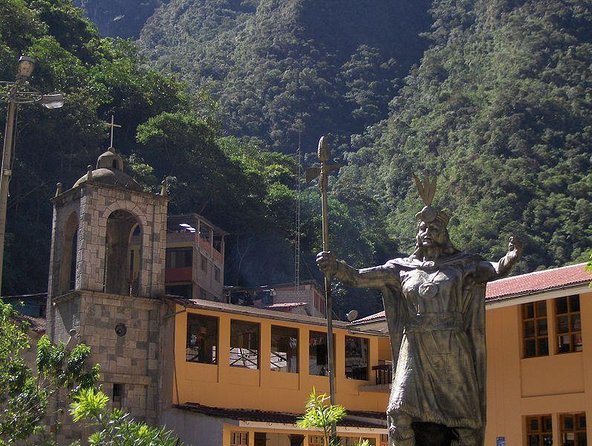
- Logistics handled for you: hotel pickup in Cusco and guided connections between activities
- Adventure gear included: full-suspension bikes plus helmets and gloves
- Multi-sport day 3: a downhill bike descent followed by Class II–III rafting with a safety kayaker
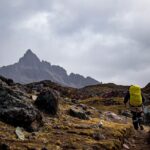
- Real hiking, not just a walk: trek days that start early and include canyon views and Inca-era trail sections
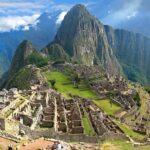
- Machu Picchu with an actual guide: guided walkthrough of temples, terraces, and storage areas
- Mixed lodging style: 3-star hotels plus two nights in Santa María/Santa Teresa hostels
Why This Inca Jungle Route Feels Worth It
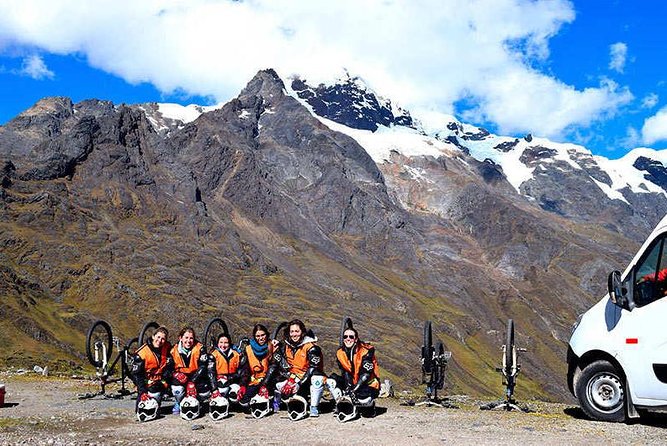
If your main goal is Machu Picchu, you could take a more direct route. But this plan adds a big, emotional bonus: you experience Peru’s different elevations in just a week. Cusco’s altitude acclimation day softens the jump. Then you drop into the Sacred Valley for Inca agriculture and salt history, and later you reach the warmer “jungle” region where rafting and the full-suspension bike make sense.
The smartest value here is that the tour bundles the hard-to-coordinate pieces. You’re not trying to line up bike rentals, a rafting operator, and a zipline at the right time while also handling trains and buses. Instead, your professional English-speaking guide and transportation plan stitch it together.
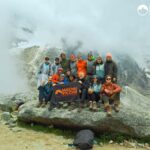
And the guides named in past experiences—people like Jonathan, Wilbert/Wilberth, Freddy (Papa Freddy), and Percy—are consistently praised for keeping the group feeling safe and cared for. A trip this packed runs best when the guide is calm, on time, and ready to adjust when conditions change.
You can also read our reviews of more tours and experiences in Cusco.
Day 1: Cusco Arrival, Altitude Reset, and Group Orientation
Your first day starts with the basics done right: an airport greeting in Cusco, then a transfer to your hotel. After that, the schedule gives you the one thing people often skip—time at altitude.
You’re at roughly 3,400 meters (11,000 feet). That rest day isn’t just “free time.” It’s your chance to acclimate so the next mornings feel doable. I like that the tour doesn’t pretend altitude is a small detail. You get time to explore Cusco casually, or just rest and hydrate.
Later, you meet your group to go over how the next days will run. This matters because the following days include early pickups (around 6:00 AM at times), multiple transport legs, and a mix of activities with different rules.
Day 2: Sacred Valley with Moray, Maras Salt Mines, and Chinchero
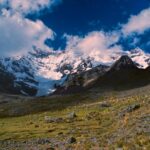
Day 2 trades jungle heat for big Inca views. You start with pickup at about 8:00 AM, then drive through the Sacred Valley. Expect changing scenery: snow-capped peaks, farmland, and Andean villages along the route.
The stops are chosen for variety, not just name recognition:
- Moray (about 3,500 m / 11,483 ft.)
The main draw is the amphitheater-like terraces. The Inca carved these circular depressions to experiment with growing conditions. It’s one of the best places to understand Inca agriculture without needing a textbook.
- Maras Salt Mines (about 3,380 m / 11,089 ft.)
Over 3,000 salt pools are still used. When you see it in person, it’s easier to grasp why salt mattered so much to trade and food preservation.
- Chinchero (about 3,762 m / 12,343 ft.)
This stop adds another angle on Inca life and the region’s traditions, with the payoff of higher-altitude views.
This day is a strong “set the context” day. You’re learning what the Incas engineered (food systems, labor, extraction) before you switch to modern adventure activities in the mountains and jungle.
Day 3: Malaga Pass Bike Descent to Santa María, Then Rafting
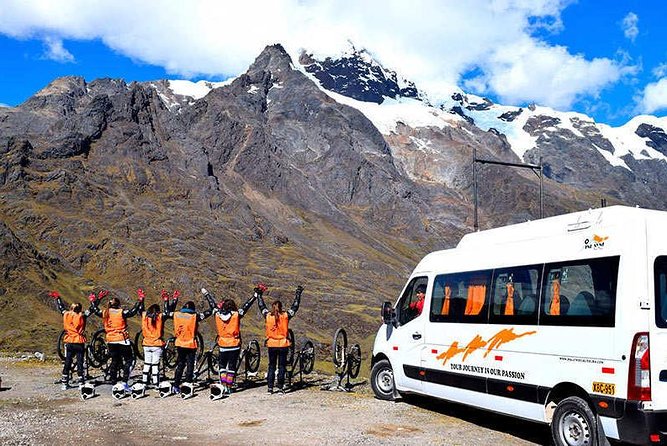
Day 3 is the adrenaline centerpiece. Your pickup is early—around 6:00 AM (exact time confirmed later). You drive for about 3 hours to Malaga Pass at roughly 4,350 m (15,190 ft.). Then you start the bike part: a descent ride lasting about 3 hours through villages, orchards, and river scenes.
This is where the full-suspension bikes matter. A rigid bike beats you up on uneven surfaces. With suspension, you can stay focused on steering and balance instead of constantly bracing.
You ride down to Huamanmarca at about 1,800 m, arriving around 1:30 PM. From there, a private bus takes you to Santa María at about 1,200 m.
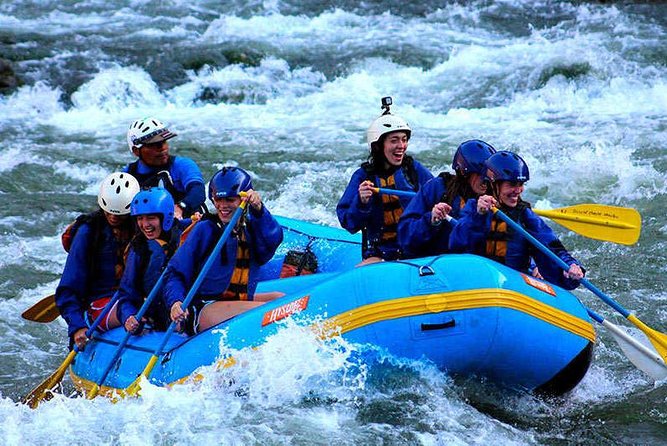
After a break and lunch, you do rafting for about 2 hours with Class II and III rapids. You’re guided and supervised by a professional safety kayaker, which is the kind of detail I like to see on paper: it signals attention to safety, not just excitement.
Dinner is included in Santa María, and you sleep ready for trekking next.
Day 4: Trek Toward Santa Teresa with an Inca Trail Connection
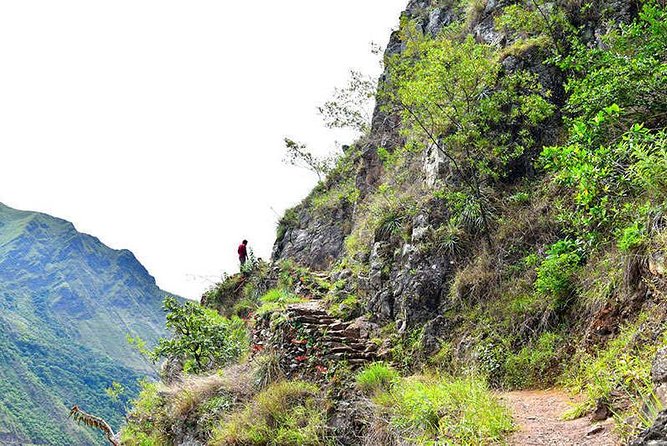
Day 4 is trekking day with a warm-up that’s actually part of the experience. After breakfast, you start around 6:00 AM with an uphill segment for about two hours. You’ll stop along the way to take in flora and fauna and learn from your guide.
One of the most memorable moments described is a visit to a local family’s home. You rest, enjoy fresh tropical fruit, and refill water supplies. That stop does two things: it breaks the physical grind and gives the day a human scale beyond just hiking.
Then you move along a historic Inca Trail section that once connected Machu Picchu and Vilcabamba. Your guide shares stories about Inca history and communication systems while you look out over the Huancarccasa Canyon.
Eventually, you descend to Quellomayo, where you get lunch and then relax in hammocks. That hammock break is more than a perk—it’s recovery time. After hours of walking, those short pauses are how you keep the rest of the week from feeling like a wall.
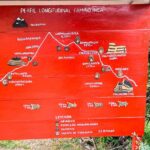
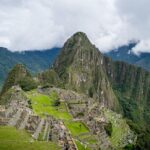
Day 5: Aobamba Valley Walk to Aguas Calientes and Intihuatana
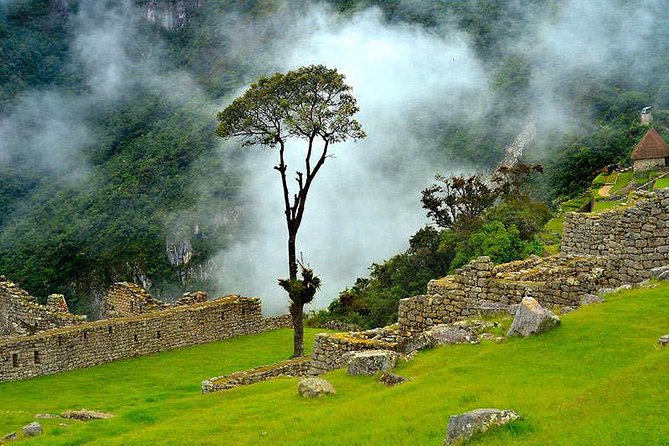
If Day 4 is about ascent and canyon views, Day 5 is about moving into the Machu Picchu zone on foot.
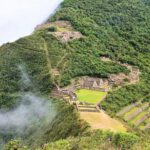
You begin around 6:00 AM after breakfast and hike roughly 3 hours through the Aobamba Valley. You’ll pass the Intihuatana sector, including a government control post, then continue on.
Lunch is included during the hike, which is important on a long day because it keeps energy steady instead of turning the afternoon into a scramble.
One of the listed highlights here is the ancient astronomical sundial used by the Incas, along with other structures near the citadel area. This is the “wait, this is why they cared about the sky” moment. It also gives the walking day a purpose beyond scenery.
The day runs about 4 hours total. You’ll arrive in Aguas Calientes, setting you up for Machu Picchu the next morning.
Day 6: Guided Machu Picchu Morning with Optional Huayna Picchu or Mountain
Machu Picchu works best when you’re not rushing. That’s why an early-bus plan is a big deal: you’ll board one of the morning buses from Aguas Calientes before entering the citadel.
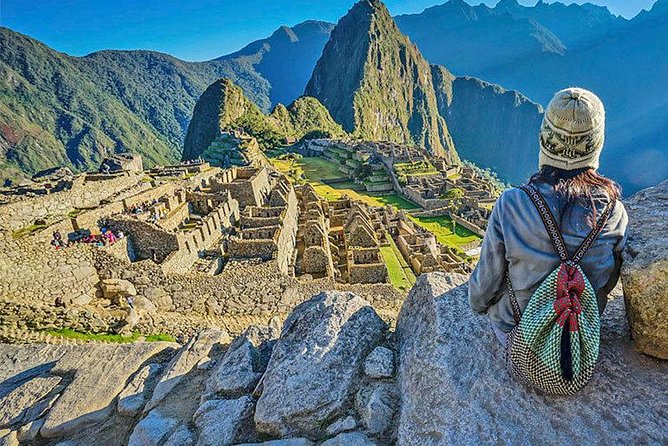
Your guide leads an in-depth tour, focusing on major areas like temples, ceremonial spaces, terraces, and storage structures. I like this approach because it turns the place from postcard images into a functioning “city layout” you can follow.
After the guided tour, you return to Aguas Calientes for a rest and lunch (not included). Then, in the afternoon, you take the train back toward Cusco (the route includes train plus bus return as part of the package).
Optional add-on: if you planned ahead and secured the extra ticket, you can climb Huayna Picchu or Machu Picchu Mountain for a totally different viewpoint of the site. Huayna Picchu has an extra listed cost of US$85.
Day 7: Train and Bus Back to Cusco, Airport Transfer
Your last day is designed to reduce stress. After breakfast and the rest of the transfer flow, you get dropped at Cusco Airport based on your flight schedule.
This is the part you’ll appreciate if you’ve ever ended a big tour and then had to figure out transport while exhausted. Here, your transportation is handled for you.
Price and Value: What You’re Really Buying for $1,129
At $1,129 per person for about seven days, the deal only feels like a deal if it covers the expensive pieces. This one does.
Here’s what’s included that typically costs extra when booked separately:
- All entrance fees (including the major sights across the route)
- Mountain bike gear: full-suspension bike, helmet, and gloves
- Rafting equipment plus the rafting operation
- Zipline
- Accommodation: three nights in 3-star hotels, plus two nights at hostels (Santa María and Santa Teresa), plus one night in a 3-star hotel in Aguas Calientes
- Most meals: breakfasts where listed, plus 3 lunches and 3 dinners as included
- Transport: pickup, intercity movements, bus to Machu Picchu, and the train and bus return back to Cusco
What’s not included is also clear. You’ll need to budget for:
- Single supplement: US$270
- Travel insurance (not included)
- Optional Huayna Picchu ticket (US$85) if you add it
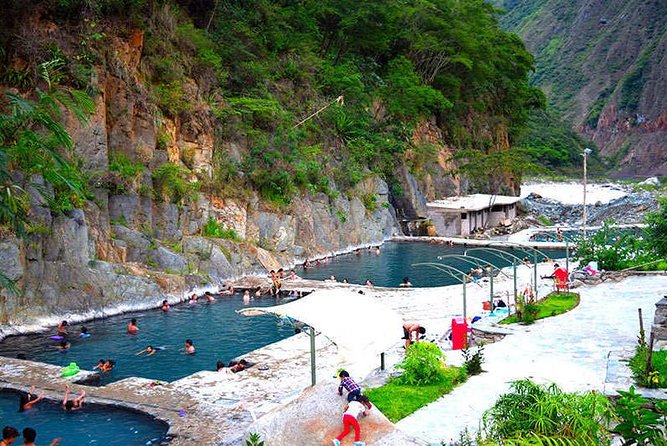
- Santa Teresa hot springs: extra US$5.00 per person
- International flights and internal flights not covered
In plain terms: you’re paying for an all-in adventure week with very little “admin time.” That’s the value.
Pacing, Altitude, and the Fitness Reality Check
This tour is listed for travelers with moderate physical fitness. That doesn’t mean “easy.” It means you don’t need to be a trail athlete, but you should be comfortable with:
- Early starts (several days around 6:00 AM)
- Long travel days with multiple switches: drive, bike, bus, trek, train
- Trekking segments that include uphill portions and canyon sections
- Altitude adaptation across days, starting with the Cusco rest day
If you’re sensitive to altitude, take the first day seriously. Hydrate. Go slow. Don’t treat acclimation like a checkbox.
Also note: you’ll sleep in a mix of accommodations, including hostels for two nights. If you need hotel-level quiet, pack earplugs or bring what helps you sleep.
Safety, Guides, and How the Adventure Stays Fun
This type of multi-activity tour lives or dies on safety practices. The rafting portion includes Class II and III rapids and a professional safety kayaker. That’s not just a romantic detail—it’s a key risk-control element.
You also get safety equipment for the tour’s included activities. Add in the fact that the tour uses an English-speaking guide, and you get a smoother day when rules matter (especially during rafting and zipline).
From guide feedback, people like Jonathan and Wilbert are highlighted for making everyone feel safe and for being attentive—timing, communication, and small fixes that keep the trip moving.
What to Pack for Jungle-to-Machu Picchu Days
You’re mixing cold-morning passes, hiking, biking, rafting, and then Machu Picchu bus mornings. So pack for layers and quick changes.
I’d focus on:
- Comfortable hiking shoes/boots you trust on uneven ground
- A light rain layer (you’ll be in humid jungle zones and on riverside routes)
- Sunglasses and sunscreen for high-altitude days
- A small daypack to carry water and essentials during hikes
- Dry socks for evening comfort in the trek towns
Also bring a small amount of cash for extras like hot springs. Hot springs are listed as optional in Santa Teresa.
Who Should Book This (and Who Should Skip It)
This is a great fit if you want:
- Adventure sports in one week without planning headaches
- A meaningful route to Machu Picchu that includes trekking and Inca-related stops
- A guided experience that explains what you’re seeing, from Sacred Valley sites to Machu Picchu terraces
Consider skipping or switching to something less packed if:
- You want lots of downtime
- You’re not comfortable with early starts and daily physical activity
- You get easily stressed by long transfer days and changing towns
Should You Book This Inca Jungle Adventure?
If you want Machu Picchu plus a full “Inca Jungle” adventure week, I think this is a strong option. The biggest reasons are practical: bike + rafting + zipline are built into one schedule, major entrances are included, and you’re guided throughout.
Book it if you’re the type who enjoys movement—biking downhill, paddling through rapids, and walking toward the next view. Pass if you’d rather do Machu Picchu as a slower, single-focus trip. This one is better for people who like their vacations with a pulse.
FAQ
How long is the tour?
It’s a 7-day adventure, with timing that may vary slightly by season and logistics.
Where does the tour start?
It starts in Cusco, Peru. Pickup is offered, including airport arrival transfer in Cusco.
What activities are included?
You get full-suspension mountain biking, rafting, zipline, and trekking to reach Machu Picchu, plus a guided Machu Picchu visit.
Are bike helmets and gloves provided?
Yes. The tour includes full suspension mountain bikes, plus helmets and gloves.
Are entrances and equipment included?
Yes. Entrance fees are included, and rafting equipment is also included.
How is Machu Picchu handled on the final action day?
You board a morning bus, enter the citadel, and take a guided tour. You can add Huayna Picchu or Machu Picchu Mountain if you secured the extra ticket in advance (extra cost listed).
What about optional hot springs in Santa Teresa?
Hot springs are an extra. The tour lists a fee of US$5.00 per person for the Santa Teresa hot springs.
What meals are included?
Breakfast is included in the accommodation as listed. The package also includes 3 lunches and 3 dinners.
Is this tour refundable if plans change?
No. The experience is non-refundable and cannot be changed for any reason.