REVIEW · KATHMANDU
Classic Everest Base Camp Trek
Book on Viator →Operated by icicles adventure treks and tours · Bookable on Viator
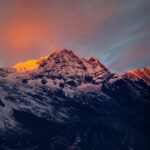
Everest Base Camp is the dream trek. What makes this one appealing is the blend of big-mountain scenery with real village life along the way, plus a company that seems to take organization seriously. You’ll move through alpine forests and glacier-river valleys while the prayer flags and monastery stops add a slower, human pace to the hard climbing.
I especially like the practical support baked in: private ground transport (including airport transfers) and trek gear provided (down jacket and sleeping bag), so you can travel lighter. The other big win is the way the trek is run with a guide and porters in a small, private setup—reviews consistently point to safety and smooth transitions. The one drawback to consider: the route is weather-dependent, and the itinerary is long, so you’ll want solid stamina and flexibility for high-altitude days.
In This Review
- Key highlights to know before you go
- Why this Classic Everest Base Camp trek feels more manageable
- Kathmandu prep at Ramada Encore, then straight to trek mode
- The Lukla flight step: the thrill and the reality
- Trekking days: alpine forests, glacier rivers, and the ups you’ll feel
- Monasteries and prayer flags: the quiet moments matter
- Your guide and porters: the support system you’ll lean on
- What’s included (and why it’s good value in practice)
- Big-ticket items you’re covered for
- Why these inclusions matter to you
- Price: $1,835.90 and how to judge if it’s fair
- What you’ll still need to budget for
- The real risks: weather, pacing, and the long timeline
- What to pack when gear is provided (but you still need your essentials)
- Should you book this Classic Everest Base Camp trek?
- FAQ
- What is the duration of the Classic Everest Base Camp trek?
- What is the price per person?
- Where does the trek start and when?
- Is pickup included?
- Is this a private tour?
- What trekking gear is included?
- Does the package include flights?
- What’s not included?
- How does cancellation work?
Key highlights to know before you go
- Private logistics from Kathmandu with airport transfers and all ground transport in a private vehicle
- Lukla to Kathmandu flight included, built into the trek plan
- Gear included for cold nights: down jacket, sleeping bag, plus a trekking map and certificate
- Permits and paperwork covered, including Sagarmatha National Park and TIMS
- Guide + porter support (1 porter for 2 people) to keep your hike manageable
- Culture on the trail via monasteries and prayer-flag moments, not just scenery photos
Why this Classic Everest Base Camp trek feels more manageable
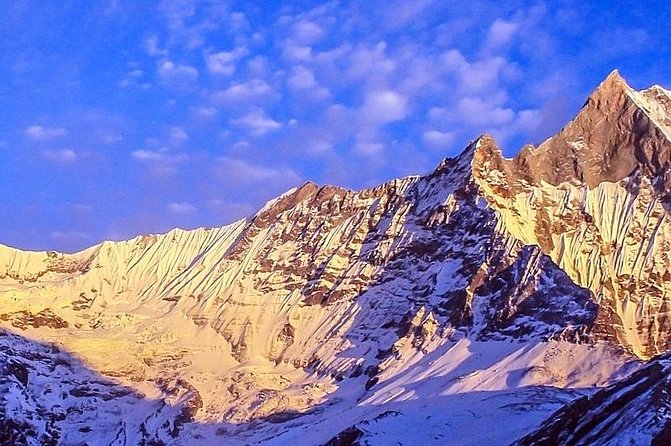
The Everest Base Camp trek is famous for a reason. You get huge views, big weather swings, and that steady feeling of earning your altitude with every step. What I like about this version is how it reduces the stuff that usually turns a dream trip into a stress test.
You’re not left to figure out the basics. The trek includes a deluxe hotel stay in Kathmandu (three nights, breakfast) and private transport so you’re not juggling taxis and timing right after a flight. Then there’s the gear: you’re provided a down jacket and sleeping bag, which can be a real money-saver and packing-saver. For many people, that alone makes the trek feel less intimidating.
The other thing I appreciate is that the trip is designed to be run as a tight unit. It’s listed as a private tour, meaning only your group participates. That matters on a trek where schedules, meals, and rest stops need to line up with weather and trail conditions.
You can also read our reviews of more tours and experiences in Kathmandu.
Kathmandu prep at Ramada Encore, then straight to trek mode
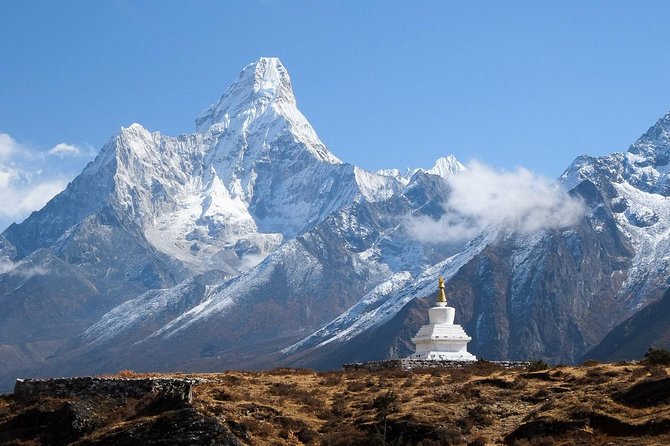
Your adventure starts in Kathmandu, with pickup offered and a start time of 6:45 am. You also get three nights at Hotel Ramada Encore Kathmandu with breakfast. That’s a solid way to land and reset—especially if you arrive the day before and need a good night’s sleep before the busy trek days begin.
Kathmandu is where you build your plan for what’s ahead. Even if you know nothing about gear or paperwork, you’ll usually get clued in quickly on what to pack, how to handle changing temperatures, and how the trekking days will flow. You’ll also want to use this time to get your body ready for walking after sitting around from flights.
One practical detail: you’ll receive a mobile ticket, which is convenient, and you’re covered for the main in-country logistics. That means less time “organizing” and more time arriving with energy.
The Lukla flight step: the thrill and the reality
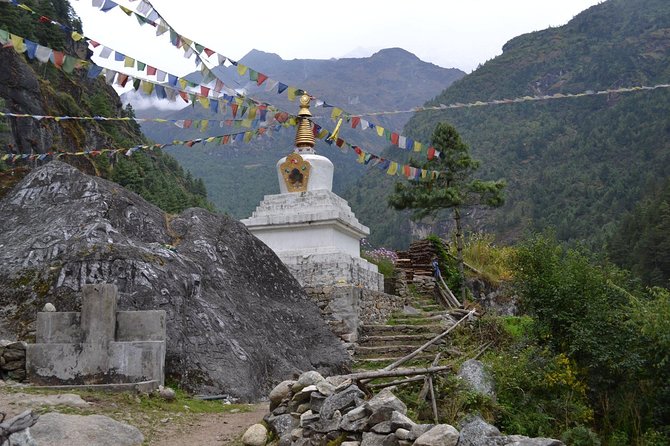
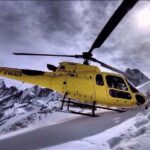
This trek includes the Lukla to Kathmandu flight with departure taxes. That matters because it lets you end in Kathmandu without needing to hike the entire way back. For a 24-day trek, that’s a relief.
That said, Lukla flights in Nepal are also their own special brand of unpredictability. The trip is explicitly described as requiring good weather, and the cancellation terms mention weather-driven changes. So your mindset should be: this is planned, but nature has the final vote.
What this does for you, though, is clarify the structure. Your trek has a start that’s focused on getting into the mountains, and your end includes a flight out. Instead of guessing logistics on your own, the trip operator handles that part.
Trekking days: alpine forests, glacier rivers, and the ups you’ll feel
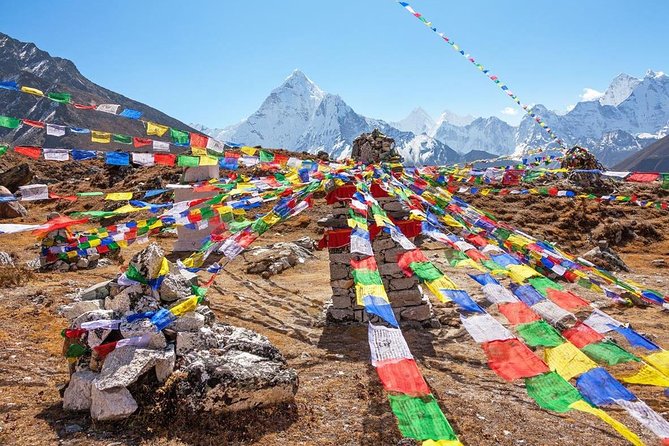
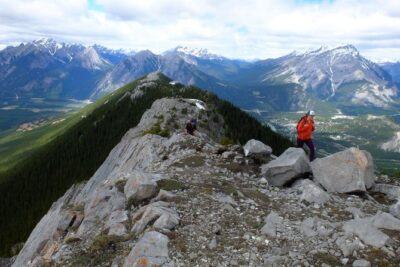
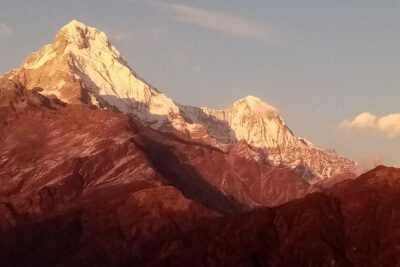
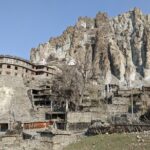
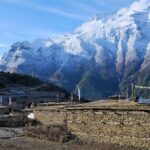
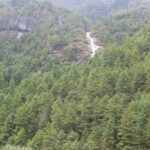
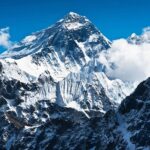
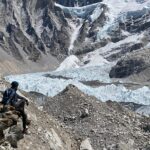
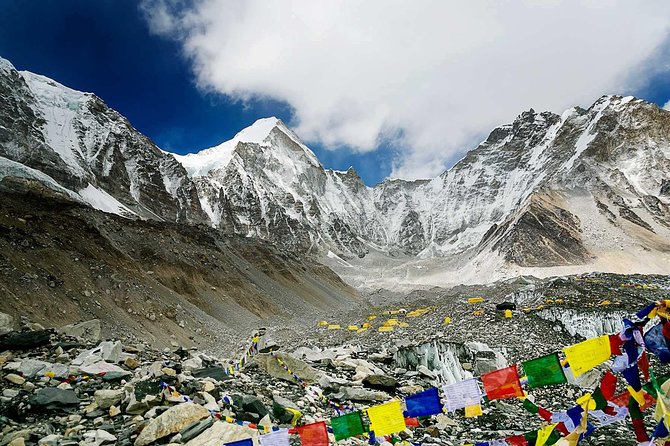
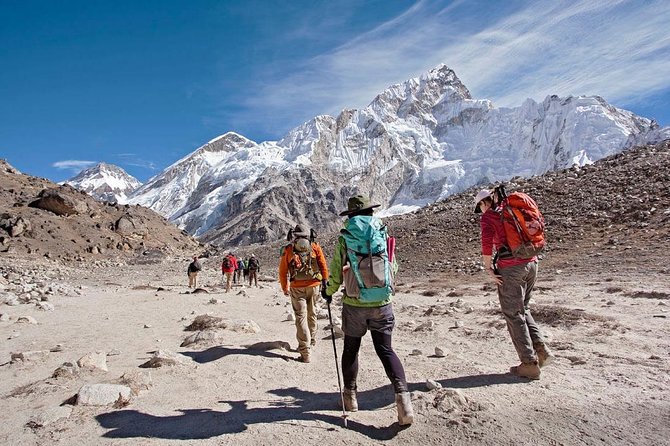
The heart of this experience is walking a classic Everest Base Camp route, with alpine forests and glacier rivers along the way and mountain views as your backdrop. The description is honest about what your body will go through: you’ll have plenty of ups and downs, and some moments can feel nerve-shaking.
Here’s the key way to think about it: on this kind of trek, it’s not just “fitness.” It’s rhythm. The climbs that feel scary early on often become manageable once you pace yourself, use the switchbacks wisely, and let your breathing settle. The nerve factor usually comes from steep grades, uneven footing, and the way cold air hits when you stop for breath.
Since the trek uses best-available lodge stays (twin sharing during trekking), you can also count on a consistent base each night. That’s part of why lodge-to-lodge trekking works for many people: you’re not constantly hunting for shelter or scrambling for basic supplies.
Monasteries and prayer flags: the quiet moments matter
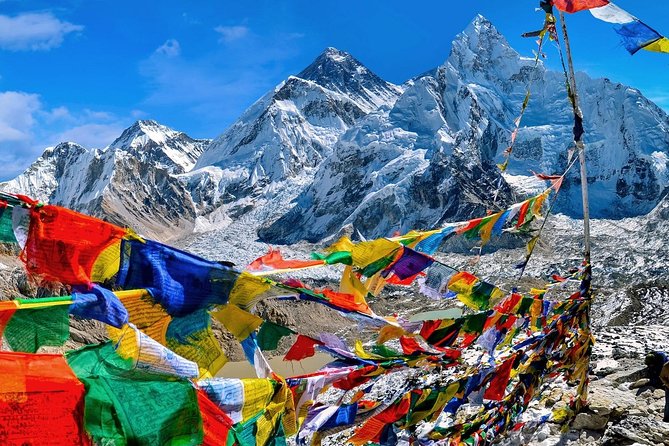
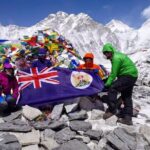
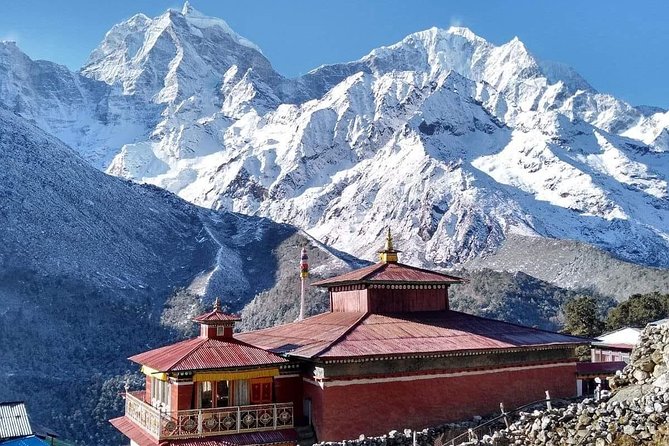
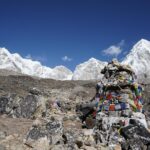
One thing I’d actually schedule mentally is the culture along the trail. This trek includes monasteries and plenty of prayer-flag moments. That may sound like a nice extra, but it changes how the days feel.
When the hiking is hard and the air gets thinner, the little pauses matter. A monastery stop gives you a chance to sit, look around, and remember you’re moving through living communities—not just a scenic route built for Instagram.
Those stops also help you understand the spiritual rhythm of the region. Prayer flags aren’t just decoration. They represent belief and daily practice, and you’ll notice the way locals treat them as part of the landscape you walk through.
Your guide and porters: the support system you’ll lean on
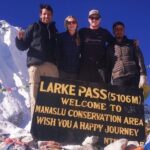
In reviews, the team support is a recurring theme, and you’ll see familiar names come up: guides like Ram, Prakash, Pooja, Lok, Nirjala, and Lal Kumar Tamang get specific praise. Assistants and porters also earn credit, including Dikesh, Sudip, Rez, Pren, Raj, and Prim in different trip accounts.
Now, you should treat names as a clue about the caliber of staff, not a guarantee. But the pattern is useful: people consistently describe the guides as friendly, capable, and safety-minded. That’s exactly what you want on a route where weather, trail conditions, and your body’s response can shift day to day.
Logistically, you get one guide and porters with a 1 porter for 2 people ratio. That’s a big deal for comfort. Your pack needs to be light enough to hike well, but heavy enough to carry your essentials. With porter support, you can aim for a smarter system: keep the things you need during the day with you, and let the rest ride.
Also included is a first aid medical kit. It’s not a guarantee against anything, but it’s a sign the operator planned for real-world trekking situations.
What’s included (and why it’s good value in practice)
Let’s talk value, not just a list.
Big-ticket items you’re covered for
- Three nights in Kathmandu at Hotel Ramada Encore Kathmandu with breakfast
- All ground transport in a private vehicle, including airport transfers
- Lukla to Kathmandu flight including departure taxes
- Trek accommodations from lodge to lodge (best available twin sharing)
- Down jacket and sleeping bag during the trek
- Trekking map and a trip achievement certificate
- Sagarmatha National Park permits and TIMS fee
- Staff costs: food, accommodation, salary, equipment, and accidental insurance for staff
- A duffle bag for trekking
- First aid kit and government taxes / office service charge
Why these inclusions matter to you
Providing the sleeping bag and down jacket can save both money and hassle. Cold nights are part of Everest Base Camp trekking, and buying bulky gear just for one trip is a common regret. With this plan, you arrive ready without playing gear roulette.
Covering permits and TIMS is another quiet win. Paperwork is not hard if you know what you’re doing, but it’s annoying if you don’t. Having it handled means you focus on steps, not forms.
The lodge-to-lodge setup also helps. You’re not constantly renegotiating where you’ll sleep. That keeps the trek’s pace steadier, which can help your energy.
Price: $1,835.90 and how to judge if it’s fair
At $1,835.90 per person (listed price), this trek isn’t the cheapest way to do Everest Base Camp. But it may still be a good deal depending on what you value.
Here’s how I’d judge the price:
1) You’re paying for logistics and staffing. Private transfers, guide service, porter ratio, and staff coverage are included. You’re not just renting a trail experience—you’re buying coordination.
2) Gear and permits are rolled in. If you were pricing those separately, the cost can rise fast. Down jacket + sleeping bag alone can be a noticeable expense if you don’t already own them. Permits and TIMS add up too.
3) Flights are part of the plan. The trek includes Lukla to Kathmandu with departure taxes. That’s a meaningful cost and a major scheduling element.
What you’ll still need to budget for
Not everything is covered. The listing says meals are not specified in the meal inclusions, and it also notes:
- WiFi internet during the trek is not included
- Cold drinks and snacks (like coke, water, fanta and snacks) are not included
So you should expect to spend extra on meals if they’re not fully included in the day-by-day plan you receive. If you hate surprises, ask for a clear meal breakdown before you commit.
The real risks: weather, pacing, and the long timeline
This is one of those trips where the “hard part” is both physical and logistical. The weather requirement is stated, and the cancellation terms include weather-based changes. That means your schedule should have breathing room.
Even if you’re well-trained, Everest Base Camp trekking is long (about 24 days). Over that time, pacing matters more than hero moments. You’ll want to plan for slow progress, frequent stops for breath, and consistent hydration.
Footwear and foot care matter too. The terrain includes uneven steps, and the trekking description points to nerve-shaking ups and downs. You’ll feel that in your legs and feet first, and your judgment second—so don’t race the schedule early on.
Also remember: this trek is listed as needing moderate physical fitness. That doesn’t mean you can coast. It means you should be comfortable hiking for hours, not that you’ll be doing a casual stroll.
What to pack when gear is provided (but you still need your essentials)
Since the down jacket and sleeping bag are included, you can skip some bulky items. Still, you’ll need personal basics.
Here’s a smart approach:
- Pack layers that you can adjust as temperatures change during the day and night
- Keep a day bag light and usable for quick stops
- Bring your own essentials for comfort and hygiene (even when lodges are included)
- Use the provided duffle bag system so your trek life stays organized
If you want the least-stress packing, aim for fewer items you’ll actually use. When every ounce matters, “just in case” becomes “just extra weight.”
Should you book this Classic Everest Base Camp trek?
Book it if you want Everest Base Camp without turning the trip into a DIY project. The best reasons are the private Kathmandu logistics, the inclusion of major permits, the covered lodge-to-lodge structure, and the big practical savings from having a down jacket and sleeping bag provided. If you also like culture—monasteries and prayer flags are part of the design—this trek gives you more than just mountain photos.
Skip it (or ask hard questions first) if you need guaranteed weather certainty or you don’t have flexibility for changes. Also confirm what “meals not specified” means for your specific departure so you don’t get surprised by daily costs.
If you’re ready for a serious walk, and you want a well-run crew to handle the moving parts, this one is easy to recommend.
FAQ
What is the duration of the Classic Everest Base Camp trek?
It’s listed as approximately 24 days.
What is the price per person?
The price is listed as $1,835.90 per person.
Where does the trek start and when?
It starts in Kathmandu, Nepal, with a start time of 6:45 am.
Is pickup included?
Pickup is offered, and airport transfers are included in the ground transport.
Is this a private tour?
Yes. It’s listed as a private tour/activity, so only your group participates.
What trekking gear is included?
The trek includes a down jacket and a sleeping bag during the trek, plus a duffle bag for trekking.
Does the package include flights?
Yes. The plan includes the Lukla to Kathmandu flight, including departure taxes.
What’s not included?
WiFi during the trek is not included, and cold drinks (like coke, water, fanta) and snacks are not included. Meals are not specified in the meal inclusions in the itinerary, so you should confirm the exact meal coverage for your departure.
How does cancellation work?
Free cancellation is offered if you cancel at least 24 hours before the experience starts. The listing also notes the trek requires good weather, and if it’s canceled due to poor weather, you’ll be offered a different date or a full refund.