REVIEW · KATHMANDU
Annapurna circuit Trek
Book on Viator →Operated by Nature Explore Trekking Pvt Ltd · Bookable on Viator
The Annapurna Circuit hits hard in the best way. You get a full run of Himalayan views plus local culture as the trail climbs, crosses a high pass, then drops into warmer valleys. It’s the kind of trek that feels like a whole region in one trip, not just a single hike.
I love that this package handles the heavy lifting: permits, guides, porters, meals, treated drinking water, and even key gear like a down jacket rental and a duffle bag. I also like the team focus on safety and practical care, with leaders such as Dinesh Karki and Deepak often mentioned for calm support when things get stressful on the trail.
One possible drawback: the highest point on this route reaches 5416m, and the long travel days plus altitude demand real preparation. If you rush your acclimatization or skip basic pacing, the mountains will answer fast.
In This Review
- Key highlights worth noting
- Annapurna Circuit: why this 12-day route is more than a checklist
- Price and value: what $998 covers (and what you still have to plan)
- Getting started in Kathmandu: pickup, timing, and first-night comfort
- From Kathmandu to Dharapani: the long drive that sets the pace
- Chame to Upper Pisang: stepping higher and learning the routine
- To Manang via the upper trail: why that 7 to 8 hours counts
- Acclimatization day in Manang: the smartest day you’ll have
- Yak Kharka to Thorong Base Camp or Thorong Phedi: getting ready for the pass
- Thong-la Pass to Muktinath: the highest drama, the biggest payoff
- Down to Marpha via Jomsom, then to Tatopani: the relaxing finish
- Guides and porter support: why it changes how you feel on tough days
- What to pack and how to prepare without overthinking
- Who this Annapurna Circuit tour fits best
- Should you book Nature Explore Trekking Pvt Ltd for the circuit?
- FAQ
- Where does the Annapurna Circuit trek start?
- How long is the trek?
- What is the highest altitude on this itinerary?
- Are airport transfers included?
- What about hotels during and after the trek?
- What meals and drinking water are included?
- Does the tour include permits?
- Is trekking equipment provided?
- Is Wi-fi available on the trek?
- What is the cancellation policy for a full refund?
Key highlights worth noting
- Well-managed logistics: airport pickup/drop, ground transport, and 3-star Kathmandu plus a Pokhara hotel night
- Altitude planning built into the route: an acclimatization day in Manang before the big pass section
- Guides and porters: experience-led trekking with dedicated sporting staff
- Permits included: Annapurna Conservation entrance permit and TMIS card
- Comfort details that help: treated drinking water, tea/coffee on the trek, and fresh fruit after dinner
Annapurna Circuit: why this 12-day route is more than a checklist
The Annapurna Circuit is famous because it gives you change. One day you’re walking through village life and terraced slopes. The next, the air thins and the mountains feel closer. By the time you’re near Thong-la Pass (5416m), the trek stops being sightseeing and becomes a real journey.
What makes this specific plan feel workable is that it doesn’t just jump upward. You climb gradually, you get a proper acclimatization day in Manang, and you cross the pass in a section that’s clearly treated as the main event. Then the trip doesn’t end with a summit push—it finishes with the long, satisfying down-valley feeling, including a drive to Tatopani and a return to Pokhara.
You also get a cultural mix as you move between areas with different religious traditions. That matters because trekking here isn’t only about views. It’s about the daily rhythms: prayer flags, small settlements, and the way the trail follows (and connects) communities.
You can also read our reviews of more tours and experiences in Kathmandu.
Price and value: what $998 covers (and what you still have to plan)
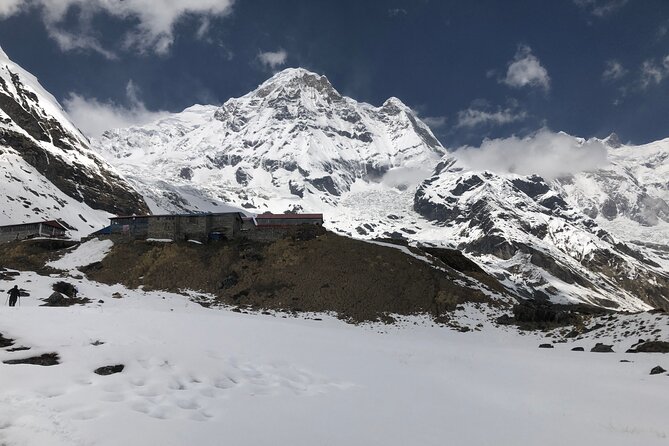
At $998 per person, this trek is trying to be a full service package, not just a route and a prayer. The best value pieces are the items that usually add up quickly when you book parts separately.
Included items that make a real difference:
- Airport picks up and drop in Kathmandu
- 3-star hotel in Kathmandu and one night hotel in Pokhara after the trek
- All ground transportation during the trek by local sharing bus or jeep
- Food (breakfast, lunch, dinner) plus tea or coffee on the trek
- Treated drinking water (plus the small but important habit of having it planned)
- Accommodation during the trek
- Annapurna Conservation entrance permit and TMIS card
- Experience guide and a porter (sporting staff)
- A down jacket rental (refundable after the trip), a duffle bag, and a T-shirt as a gift
What’s not included (so you don’t get surprised):
- International airfare
- Travel insurance
- Trekking equipment
- Extra nights in Kathmandu and Pokhara before or after the trek
- Wi-fi, laundry, extra snacks, cold drinks on the trail
- Tipping for staff
Here’s how I think about value for you: the included items remove decision fatigue. You’re not constantly figuring out logistics at every step. Your time goes to hiking, rest, and enjoying. But you still need to show up ready—especially with altitude awareness and basic gear you bring yourself.
Getting started in Kathmandu: pickup, timing, and first-night comfort
The trek starts with a 6:15 am meeting at Tribhuvan Airport. Pickup is offered, and the plan includes transfers into Kathmandu so you can settle before the first drive and trek day.
You’ll stay in a 3-star hotel in Kathmandu before heading toward the trail route. That’s a smart buffer. Long-haul flights and jet lag are real. Even with minimal downtime, a proper bed and a reliable shower make it easier to start calm rather than hurried.
Also note the trip uses a mobile ticket system, and you’ll have confirmation at booking. That reduces the chance of last-minute confusion.
If you’re sensitive to altitude or you’re arriving tired, this kind of early structure matters. It helps you build the habit you’ll need later: take it slow, eat on schedule, and don’t pretend you’re superhuman.
From Kathmandu to Dharapani: the long drive that sets the pace
Your first big movement is a drive to Dharapani via Besisahar, taking about 7 to 8 hours with a starting altitude around 2000m.
This is one of those days that feels deceptively simple. You’re not hiking yet, but you’re already transitioning your body into mountain conditions. Keep your expectations realistic: you’ll likely arrive with less energy than you think, because travel is tiring in its own way.
If you want this day to go smoothly, focus on basics:
- Keep hydrated
- Eat something before you feel hungry
- Wear layers so you can adjust as temperatures change during the drive
Then the first trek day lands you in the early rhythm. You’re walking for about 4 to 5 hours to reach Chame around 2600m. Chame is often a first “mountain town” feeling place on many circuits, with lodges and the trail life that gets you into the trekking mindset.
Chame to Upper Pisang: stepping higher and learning the routine
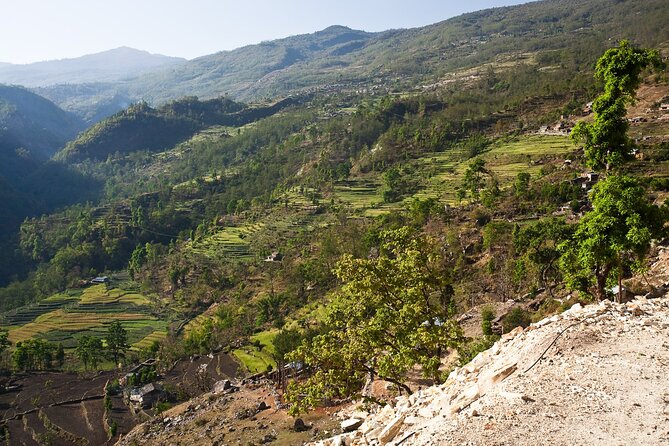
From Chame to Upper Pisang, the trek is another 4 to 5 hours and you reach around 3300m. This is where the circuit starts feeling like a true climb.
Upper Pisang has the vibe of a quieter mountain settlement, and it’s a useful stop because the route’s altitude rise becomes more obvious day to day. Your body starts to notice not just elevation, but exertion. A steady pace becomes your best friend.
This is also a good day for trail discipline. Don’t try to “win” the climb. Let your breathing find a pace you can repeat tomorrow. Tea/coffee during the trek and the included meals matter here, because they help you fuel regularly without having to negotiate snack options at every village.
If you’ve hiked before, you know how quickly people can overestimate their energy on day two. Here, that mistake gets punished faster.
To Manang via the upper trail: why that 7 to 8 hours counts
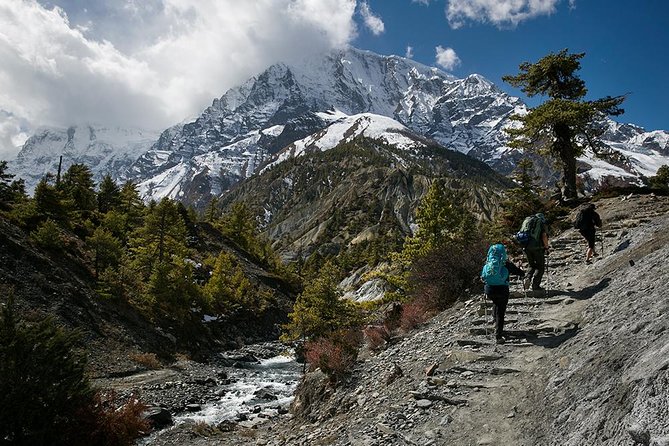
Your route to Manang via the upper trail is a long trek day—about 7 to 8 hours—reaching around 3500m.
This leg is important because it’s a bridge into the real acclimatization phase. It’s long enough that you’ll feel it, but it’s also a clear step toward stabilizing your altitude rhythm in the Manang area.
For you, the value of this segment is that it builds the groundwork for the next day off. When acclimatization comes after a meaningful trek, it feels like part of a plan instead of an extra day sitting around.
Acclimatization day in Manang: the smartest day you’ll have
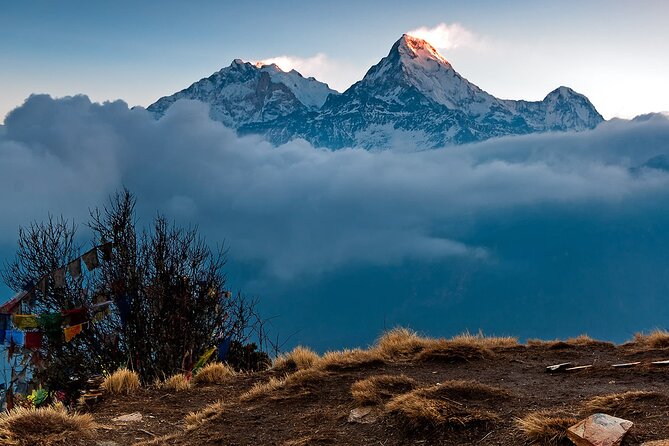
You get a dedicated acclimatization day in Manang. That’s not a filler day. It’s the day your body uses to adjust, so the high pass doesn’t feel like a surprise attack.
I like that this itinerary includes an acclimatization day because on high routes, it’s not a luxury. It’s a safety tool. It also helps you enjoy the scenery without constantly managing panic breathing.
Practical advice for this day (without making it complicated):
- Keep moving gently if you feel good, but don’t sprint
- Drink water regularly
- Eat, even if your appetite is slightly lower at altitude
After this, you go again—this time toward Yak Kharka.
Yak Kharka to Thorong Base Camp or Thorong Phedi: getting ready for the pass
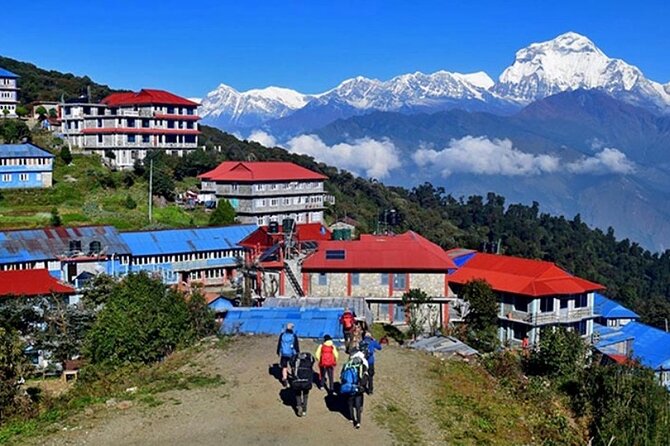
From Manang, you trek about 3 to 4 hours to Yak Kharka around 4060m. Yak Kharka is a classic staging stop in many circuit routes because it helps you sleep higher and keep your body in the altitude zone.
Then comes the next big setup step: to Thorong Base Camp or Thorong Phedi, about 3 to 4 hours, reaching around 4500m.
This part matters because it sets your position for the pass crossing day. If you’ve ever seen how the morning of a high pass can feel long, you already know why this staging is valuable. You don’t want a “go-go-go” scramble because your last night was too low or you arrived exhausted.
This is also where your packing choices matter. Layers, a warm hat, and gloves can be the difference between tolerable cold and miserable cold. You won’t be freezing in your sleep, because the lodges are part of the plan, but the walking can still get chilly.
Thong-la Pass to Muktinath: the highest drama, the biggest payoff
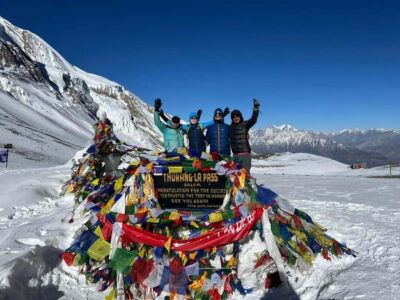
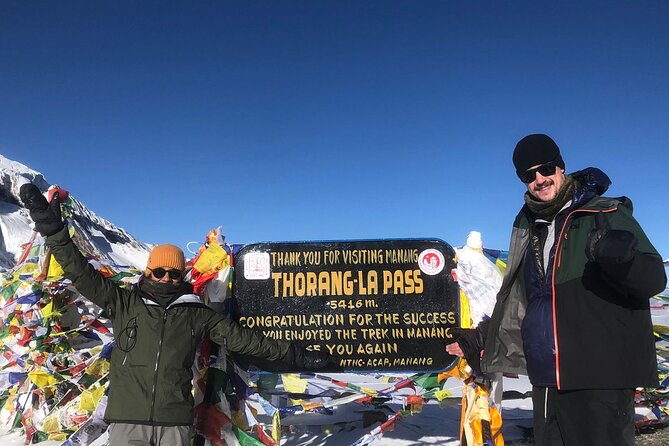
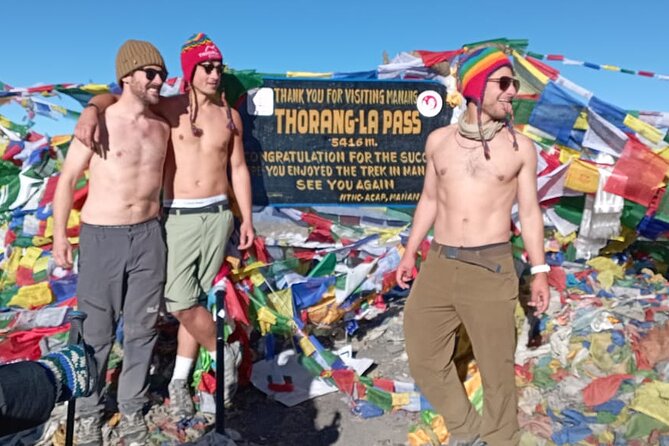
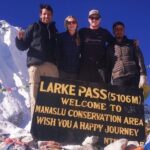
The main crossing is a long day: about 7 to 8 hours, trekking over Thong-la Pass at around 5416m, then descending to Muktinath around 3800m.
This is the hardest segment on the itinerary, and it’s the one you plan for the most. It’s not just about legs. It’s about breathing, pacing, and staying focused when the altitude makes everything feel slower.
The good news: the itinerary gives you a route that clearly treats this day as the pivot point. After you cross, you drop into lower altitude again and the trip changes mood.
Muktinath itself is known for its spiritual atmosphere and is one of the key cultural landmarks on the circuit. Even if you don’t care about the religious sites specifically, the feeling of reaching a place with deep meaning is real. It turns the pass day from a physical challenge into a milestone moment.
Down to Marpha via Jomsom, then to Tatopani: the relaxing finish
After Muktinath, the trek continues toward Marpha via Jomsom, about 6 to 7 hours with an altitude around 2650m.
This section is your reward for making it through the pass. The air feels thicker. Your mind feels clearer. You can start appreciating the trail rather than just surviving it.
Marpha is also where the circuit can start feeling distinctly different from the higher sections—more settled, more valley-like. It’s a helpful contrast before the trip wraps with a drive.
Then you drive to Tatopani, about 5 hours, at around 1190m. From there, you drive back to Pokhara in about 6 hours, reaching around 740m. That long return day can be tiring, but it’s also a proper ending. You’ll feel the relief of being off the trail for good.
And you get that one night hotel in Pokhara, which helps you land back in normal life.
Guides and porter support: why it changes how you feel on tough days
The most praised part of booking this kind of trek isn’t the route itself. It’s the people handling the route.
In the team’s past trek leadership, names like Dinesh Karki and Deepak come up often, along with porters such as Nara, Ram, Tej, and Ram being mentioned for hands-on support. The consistent theme is practical care: knowing trails well, staying alert, and helping keep people safe.
You can feel this kind of support most during the harder stretches: altitude discomfort, fatigue, and the moments when someone needs extra attention. If your group includes different fitness levels, guidance and pacing matter even more, because one fast hiker can drag the pace up for everyone else.
I also like that you have a dedicated porter (sporting staff) as part of the plan. That means you’re not stuck carrying everything when your legs are already working against elevation and fatigue.
One more human note: multiple groups describe the guides making them feel like they were looked after from start to finish. That matters because a circuit trek can feel lonely if you’re not mentally ready. A good team turns it into shared effort instead of isolated suffering.
What to pack and how to prepare without overthinking
The trip includes a Nature Explore trek down jacket (refundable after the trip), plus a duffle bag and a T-shirt gift. That helps a lot with cold-weather layering. Still, you’ll need your own core trekking gear (the itinerary doesn’t include trekking equipment).
Here’s the kind of preparation that pays off most:
- Bring solid layering for big temperature swings
- Bring footwear that’s already broken in
- Plan for altitude pacing—slow is not a weakness here
- Keep your water routine steady
Since you’re hiking up to 5416m, treat that as a non-negotiable reality check. If you have any history of altitude issues, talk to a medical professional before you go. And if you feel symptoms that worry you, you should speak up right away.
Who this Annapurna Circuit tour fits best
This trek is best for people with moderate physical fitness who want a structured route rather than trying to DIY the entire circuit. It’s also a good fit if you like having meals, accommodation, and permits handled so you can focus on walking and acclimatizing.
It’s less ideal if:
- You’re expecting an easy stroll. This route includes long days and real altitude.
- You want lots of independent freedom. You’ll be moving on a set schedule.
- You rely on Wi-fi or laundry services while hiking. Those aren’t part of the plan.
If you’re traveling with a group and want the experience to stay private (only your group participate), this setup can feel comfortable. Just remember that the ground transport may still be in local sharing vehicles, since that’s how route travel works in Nepal.
Should you book Nature Explore Trekking Pvt Ltd for the circuit?
If you want a well-run Annapurna Circuit with clear logistics, included permits, and a team built around support, I’d say this is a strong option to consider. The biggest reason is not the brochure. It’s the fact that the essentials are already covered: lodging, food, drinking water plan, guide and porter support, and an itinerary that respects acclimatization.
I’d think twice if you’re not prepared for the reality of Thong-la Pass or if you don’t want to invest in altitude-friendly pacing. Also, make sure you’re ready for the items not included, especially travel insurance and trekking equipment.
If you’re set on doing the circuit and you want fewer loose ends, booking makes sense. You’ll spend your energy on the trail, not on solving the trip.
FAQ
Where does the Annapurna Circuit trek start?
The trek starts at Tribhuvan Airport in Kathmandu, Nepal, with a meeting time of 6:15 am.
How long is the trek?
The duration is listed as about 12 days.
What is the highest altitude on this itinerary?
The highest point is Thong-la Pass at about 5416m.
Are airport transfers included?
Yes. Airport pickup and drop are included.
What about hotels during and after the trek?
You get a 3-star hotel in Kathmandu and one night in Pokhara after the trek.
What meals and drinking water are included?
Breakfast, lunch, and dinner are included, along with tea or coffee during the trek and treated drinking water.
Does the tour include permits?
Yes. The Annapurna conservation entrance permit and a TMIS card are included.
Is trekking equipment provided?
No. Trekking equipment is not included.
Is Wi-fi available on the trek?
No. Wi-fi is not included on the trek.
What is the cancellation policy for a full refund?
Free cancellation is offered, and you can cancel up to 24 hours in advance for a full refund. If you cancel less than 24 hours before the start time, the amount paid is not refunded.