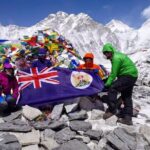
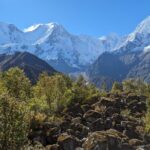
Everest Base Camp starts with a short flight. This trek takes you from Kathmandu to Lukla, then walks you through the Khumbu villages toward the 5,364 m world of Everest Base Camp, with constant mountain fixes on clear days. I like how the schedule is built around real trekking rhythms, not just checkboxes.
Two things I really like: first, the promise of cozy lodge stays each night on the route, so you’re not stuck gambling with camps in bad weather. Second, the acclimatization built into the middle of the trek, especially around Namche Bazaar, where you get time for shorter hikes and a chance to steady your breathing.
One possible drawback: the trek depends on Lukla flights, and weather can force delays. Add altitude to the mix, and you’ll want to treat every day as a slow, careful progression, not a race.
In This Review
- Key highlights worth your attention
- The Big Idea: What Everest Base Camp Delivers Beyond the Photos
- Day 1: The Lukla Flight and the Dudh Kosi Trail Into Phakding
- Day 2: Namche Bazaar Starts Calling, With Sagarmatha National Park in the Mix
- Day 3: Namche Acclimatization Day and Optional Hikes That Actually Help
- Day 4: Tengboche Monastery, Long Forest Steps, and the Everest Look-Down Moment
- Day 5: Pangboche to Shomare—Prayer Walls, Last Permanent Village Energy
- Day 6: Thugla Ridge and Lobuche—Memorials at Altitude
- Day 7: Gorakshep to Everest Base Camp and the Icy Reality
- Day 8: Kalapatthar (5,545 m) for the Everest South Face View
- Day 9: Pheriche Down to Namche—Ama Dablam Views and Village Rhythm Returns
- Day 10: Lukla Approach Day—Easy Walk, Still No Time to Slack
- Day 11: Fly Lukla to Kathmandu, Weather Included
- Price and Logistics: Is $1,350 Good Value for EBC?
- What’s Included vs. What You’ll Want to Bring (or Budget)
- Unique Path Team Support: Flexibility You Can Feel in the Middle of the Trek
- Who Should Book This Everest Base Camp Trek
- Should You Book This Everest Base Camp Trek?
- FAQ
- How long is the Everest Base Camp trek?
- Where does the trek start and where does it end?
- Are the domestic flights included in the price?
- What meals are included during the trek?
- What altitude or medical equipment is included?
- Does the trek include a porter?
- What permits are included?
- What is the maximum group size?
- What is the cancellation policy?
Key highlights worth your attention
- Lukla gateway: A short domestic flight puts you close to the trail fast, then you walk the Khumbu the traditional way.
- Namche acclimatization day: You get built-in breathing room plus optional hikes for better altitude management.
- Tengboche monastery views: A memorable cultural stop with big-sky mountain views.
- Base Camp plus the Icefall zone: The final trekking push brings you into the Everest Base Camp area at 5,364 m.
- Kalapatthar (5,545 m) payoff day: Your highest point on the trek for dramatic Everest angles.
- Support that adjusts: The operator is known for staying responsive and flexible when weather or timing shifts.
The Big Idea: What Everest Base Camp Delivers Beyond the Photos
Everest Base Camp is one of those trips where the setting does a lot of the work for you. Even before you reach the high points, you’re walking through Sherpa villages, forest trails, river crossings, prayer flags, and ridges where the air gets thin enough to change your pace. If you’ve only ever seen Everest from a screen, the real shock is how consistently Everest-linked peaks show up in your day—often in the same hour that you’re negotiating a steep step or a muddy stretch.
This trek also rewards a sensible mindset. The route is designed for gradual gain through a sequence of mountain corridors: Dudh Kosi River early on, then the Khumbu valleys and ridges as altitude climbs. You’ll spend time around key stops like Namche Bazaar and Gorakshep, which matter because altitude is not just a number on a brochure. It’s your legs, your sleep, and your appetite that tell you what you need.
You should also know the vibe. You’re not going to a luxury resort. You’re going to lodges, hot tea, simple meals, and shared trekking logistics. If you show up expecting smooth, you’ll be annoyed. If you show up expecting real Himalayan travel, you’ll probably love it.
You can also read our reviews of more tours and experiences in Kathmandu.
Day 1: The Lukla Flight and the Dudh Kosi Trail Into Phakding
Day 1 is all about getting to the trailhead without wasting days on overland travel. You fly from Kathmandu domestic airport to Lukla in about 35 minutes, then meet the guide, trekking staff, and porters and start walking past Lukla town. The early part keeps things manageable with some ups and downs, plus mountain views in the distance.
From there, you follow the trail near the Dudh Kosi River to Phakding. This is a good day to learn your own rhythm. The walking is not easy at altitude, even if the route description sounds friendly. You’re getting your body used to moving while breathing a little harder.
Practical tip: treat today like a warm-up, not a victory lap. If you go too fast, you’ll feel it later around higher passes and ridges.
Day 2: Namche Bazaar Starts Calling, With Sagarmatha National Park in the Mix
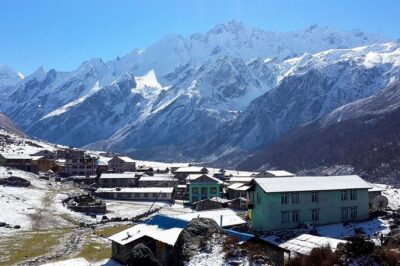
Day 2 moves through a classic Khumbu scene: woodland with pines and rhododendron trees, bridge crossings, and gradual climb toward Namche Bazaar. You cross into Sagarmatha National Park around Monjo, then keep winding uphill along the river bed sections and forest trail segments.
One thing I appreciate here is that you’re not just trekking uphill blindly. On a clear day, you’re also seeing peaks such as Kusum Khanguru, Kwangde, Tharmasarku, and eventually the big Everest-linked view as the climb tightens. It’s motivating to earn the views instead of driving to them.
By the time you reach Namche, it’s check-in, regroup, browse, and relax. Lodges in Namche are set up for trekkers, with enough comforts to help you reset. If you’re thinking about gear (gloves, lip balm, batteries, socks), Namche is where you’ll notice what you forgot.
Day 3: Namche Acclimatization Day and Optional Hikes That Actually Help
Day 3 is a rest and acclimatization day, not a “sit in a room” day. The route includes options that can improve how you feel later, especially if you’ll be sensitive to altitude.
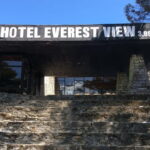
You can take a short hike to a viewpoint and visit the museum that explains the area’s flora, fauna, geography, and Sherpa history and culture. You can also choose the Everest View Hotel area via the old airstrip at 3,880 m, or a half-day detour to Khumjung and Khunde for monasteries and village life.
Here’s why this matters for you: altitude is easier when you change altitude gently and deliberately. These short outings help your body adapt while keeping your energy. They also break the monotony of lodge nights, which is important because the middle of the trek can otherwise feel repetitive.
This is also where the operator’s human touch shows up. In multiple accounts, the team behind Unique Path Trekking Expedition Pvt. Ltd is described as highly responsive and flexible, and you’ll appreciate that if you need small route adjustments.
Day 4: Tengboche Monastery, Long Forest Steps, and the Everest Look-Down Moment
After Namche, the trek continues along a scenic trail with big mountain glimpses and a mix of downhill and uphill. You head toward Phungetenga for lunch, then tackle a steeper climb through forest sections with views of Thermasarku and Kangtenga.
The day’s anchor is reaching Tengboche, home to the famous monastery. Even if you’re not a temple person, this stop works. It’s a clear cultural moment with prayer time observations, and the surrounding views of peaks like Everest and Ama Dablam are the kind you remember in the dark when you’re trying to sleep at a higher lodge.
Downside: Tengboche days can feel long when the climb stacks up. If you’re prone to getting discouraged when legs get heavy, remember that the monastery stop is a payoff point.
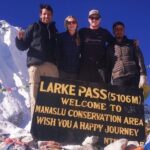
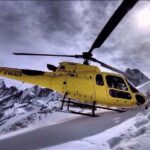
Day 5: Pangboche to Shomare—Prayer Walls, Last Permanent Village Energy
Day 5 shifts from Tengboche down toward river gorge sections and back into climb territory. You’ll pass settlements like Deuboche, cross bridges over the Imjatse River gorge, and walk through rows of prayer flags and mani walls as the route progresses.
You’ll reach Pangboche, described as the last permanent village on the route toward Everest Base Camp. This is a subtle but important psychological marker. Once you’re past the last larger village rhythm, the days can feel more exposed and quiet.
From Pangboche, you climb to Shomare, a temporary village serving lodges and teahouses. It’s a good example of the trek’s style: you’re sleeping in simple high-altitude infrastructure while still having enough support to keep moving safely.
The information provided doesn’t give every detail of the day’s farthest stop, but it does clearly set up a gradual move toward Dingboche and Pheriche areas, which are later altitude zones you’ll build toward.
Day 6: Thugla Ridge and Lobuche—Memorials at Altitude
Day 6 starts with a slow climb through prayer flags and Buddhist monuments, over trails that pass ridges with sweeping views of snow-capped peaks. You reach Thugla (Dugla) for lunch, which sits at a junction of sorts where trails join and the pacing steadies.
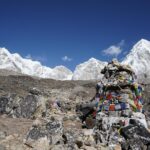
Then comes a steep climb (less than an hour to the ridge top), with views toward Ama Dablam north face, and areas like Tawache and Cholatse. This is also where you’ll find memorials for late mountaineers who died climbing Everest and other peaks in the region.
To me, this is one of those moments that makes the trek feel serious, not just scenic. It’s also a reminder: at high altitude, you respect the mountain and you respect the plan.
You then continue onward to Lobuche, sleeping at a lodge after a hard-but-organized day.
Day 7: Gorakshep to Everest Base Camp and the Icy Reality
Day 7 is described as quite hard due to altitude gain, with “tremendous views.” The route reaches Gorakshep, a high area known for lodges and for being essentially the last stepping-stone toward the Base Camp zone.
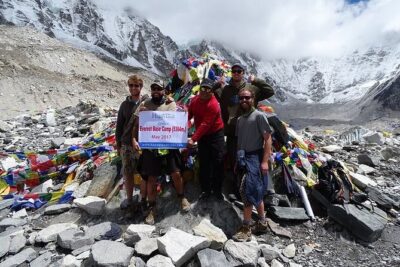
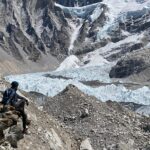
From Gorakshep, you walk along moraine and icy paths to reach Everest Base Camp at 5,364 m. This is the highlight, but also the moment where your body may feel like it’s working at the edge.
After time at Base Camp, you return back to Gorakshep for overnight. That return matters: you’re not just there for a photo—you’re there long enough to feel the place, then you manage your energy on the way back down to sleep.
Day 8: Kalapatthar (5,545 m) for the Everest South Face View
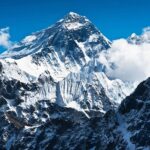
This is the day many people picture when they think of Everest: the climb to Kalapatthar. You start with a steep uphill climb to 5,545 m, aiming for some of the best viewing angles of Mt. Everest and the surrounding peaks.
The information provided specifically calls out views of the south face of Everest and a huge stretch of other high snow-covered peaks. You’ll want to treat the summit as a careful effort. Take short steps, drink water, and keep your breathing calm.
Then you go down hard—steep downhill back toward Gorakshep—and continue onward toward Thugla and eventually Pheriche for the night. This is a classic trade-off day: a massive payoff followed by legs that feel like you’ve never owned them before.
Day 9: Pheriche Down to Namche—Ama Dablam Views and Village Rhythm Returns
Day 9 starts with leaving Pheriche and heading downhill through Panbuche valley, with strong views toward Ama Dablam and other famous walls and ridges such as Nuptse and Lhotse. After crossing the Panbuche bridge, you reach Tengboche Monastery again, then continue through Phungtenga and climb up toward villages like Luvisa and Shanasa.
You end at Namche Bazaar. By now, the trek has a different feel. The altitude is still real, but your body knows the routine. Instead of “What is this?” it becomes “How do I manage this comfortably?”
Day 10: Lukla Approach Day—Easy Walk, Still No Time to Slack
Day 10 is described as a leisure and easy last day walk to Lukla, following the Dudh Kosi River through villages such as Benkar, Tuc Tuc, and Phakding. Then you reach Choplung, where the trail from Jiri and Lukla joins, and you finish with the last part climbing to Lukla.
Even if the day is easier on paper, altitude and fatigue can still slow you. Keep an eye on footwear and blister care. This is not the day to discover your socks have opinions.
Day 11: Fly Lukla to Kathmandu, Weather Included
Day 11 ends with an early morning flight from Lukla to Kathmandu. The trek notes that flights can get delayed due to bad weather, which is not a minor detail in this part of Nepal.
If you’ve built your trip around a strict onward connection, you’ll want buffer time in Kathmandu. The trekking operator’s included logistics help you get back to the Thamel area for hotel transfer, but they can’t erase mountain weather.
Price and Logistics: Is $1,350 Good Value for EBC?
At $1,350 per person, this trek is priced for what you’re actually getting: a full guided high-altitude trek, domestic flights both ways with airport tax, three meals a day during the trek, and a long list of permits and trek management items.
Here’s where value shows up in real life:
- Domestic flights are included, which saves time and makes the trip workable in an 11-day window.
- Lodge-style accommodation during the trek is included as twin-sharing private rooms.
- Mountain safety tools are included: first aid medical kit and an ox meter to check pulse and oxygen saturation at higher altitude.
- Gear support reduces cost: four-season sleeping bag and down jackets are provided if necessary.
- Permits and paperwork are included: TIMS, Sagarmatha-related entry permits, and the Pasang Lamu rural municipality entry permit.
Now the flip side, so you can plan honestly:
- Kathmandu lodging and meals are not included.
- Drinks in the mountain are not included, and you may pay for hot, cold, and alcoholic beverages separately.
- Your personal equipment is not included, and a mountain porter is not included.
- Travel and rescue insurance is not included, even though helicopter rescue is arranged via your insurance.
So the question isn’t just the sticker price. It’s whether you’re willing to cover what’s excluded and still come out with a comfortable, supported trek. For many people, the included flights plus gear plus permits is what makes the price feel fair.
What’s Included vs. What You’ll Want to Bring (or Budget)
Based on the provided details, you’ll be covered for a lot of the big-ticket trip parts:
- Ground transportation by tourist vehicles
- Three trek meals daily (breakfast, lunch, dinner)
- Trekking map and basic trip documentation items
- Guide services (English-speaking, plus local guide tax coverage)
- Medical kit and ox meter
- Sleeping bag and down jacket use if you need it
- Permits and national park entry paperwork
- Emergency helicopter rescue arrangement, paid by your insurance company
What you should budget or plan for:
- Kathmandu accommodation and meals before/after the trek
- Drinks in the mountain
- Your personal gear (clothing, daypack, trekking poles if you use them, water bottle system, rain layers)
- Mountain porter (explicitly listed as not included)
- Tips for trekking staff and driver (tipping is expected)
- International airfare and travel insurance
A simple rule: if you want your pack light and your pace steady, start thinking about porter support early. Not because you’re weak—because at altitude, fatigue steals your judgment.
Unique Path Team Support: Flexibility You Can Feel in the Middle of the Trek
The operator behind this trek is Unique Path Trekking Expedition Pvt. Ltd, and multiple accounts highlight a theme: flexibility with real communication. The owner Babu is described as quick to respond with planning questions and helpful during day-to-day changes, and several guides and staff names show up across experiences: Ishwor, Shyam, Ambar, Suresh (as guides), and porters like Kumar and Bheen.
Here’s why that matters to you: Everest country punishes rigid plans. Lukla flights can be delayed, and trail timing changes happen when weather and altitude demand it. A team that can adjust without panicking makes the trek calmer.
So if you’re the type who appreciates a clear plan but also wants someone to handle the curveballs, this is a good fit.
Who Should Book This Everest Base Camp Trek
This trek is best for you if:
- You have moderate physical fitness
- You’re comfortable with long walking days at altitude
- You want lodge comfort and built-in acclimatization support
- You’d rather have flights, permits, and route structure handled than arrange it all yourself
It may be less ideal if you:
- Hate the idea of flight delays in the Lukla window
- Need a totally predictable schedule down to the hour
- Don’t have any interest in altitude pacing and acclimatization
Also, the group size cap is 25 travelers. That usually keeps things from feeling like a cattle drive while still maintaining a social trekking vibe.
Should You Book This Everest Base Camp Trek?
If your goal is the classic Everest Base Camp experience with Lukla flight access, solid mid-trek acclimatization, and support that can handle real-world weather shifts, I’d say it’s a strong booking candidate. The included value is meaningful: flights, meals, permits, gear support like sleeping bags and down jackets, and an ox meter plus medical kit.
If you’re very sensitive to altitude or you’re short on flexibility for flight delays, take extra care with pacing and scheduling buffer days in Kathmandu. For most people, the trek feels doable when you treat it as a gradual climb with smart rest, not a forced march.
FAQ
How long is the Everest Base Camp trek?
It’s listed as 11 days (approx.).
Where does the trek start and where does it end?
You start in Kathmandu, Nepal, fly to Lukla to begin trekking, and then fly back from Lukla to Kathmandu at the end.
Are the domestic flights included in the price?
Yes. Both ways domestic flight tickets from Kathmandu/Lukla/Kathmandu with airport tax are included.
What meals are included during the trek?
You get breakfast, lunch, and dinner each trekking day (breakfast and dinner listed as 11, lunch listed as 11).
What altitude or medical equipment is included?
The package includes a first aid medical kit and an ox meter to check pulse, heart rate, and oxygen saturation at higher altitude.
Does the trek include a porter?
A mountain porter is not included.
What permits are included?
Included permits and paperwork include the Pasang Lamu rural municipality entry permit, TIMS, and Everest national park entry permits (described as all necessary paper works and permits).
What is the maximum group size?
The trek has a maximum of 25 travelers.
What is the cancellation policy?
You can cancel up to 24 hours in advance for a full refund. Canceling less than 24 hours before the start time is not refunded.