REVIEW · MARAGUA BOLIVIA
Sucre: 2 days trek in Inca Trails and the Crater de Maragua
Book on GetYourGuide →Operated by Jalq'a Tours · Bookable on GetYourGuide
A two-day trek that feels like three worlds. You start on a 12th-century Inca trail, then head into Maragua Crater for viewpoints and wildlife time.
What I like most is how the hike mixes big scenery with specific, human stops—like the weaver visit in Niño Mayo and the walk through Majada’s community. The other win is the variety: river-flat sections, steep climbing, and an easier scenic finish that still delivers.
One consideration: the pace can be a bit brisk at times, so if you like long photo breaks, plan to move smart and keep your camera ready.
In This Review
- Key points at a glance
- From Sucre to the Trailhead: How the Day 1 Start Really Works
- Inca Trail + Chaunaca + Socapampa: The First 16 Kilometers
- Maragua Crater at Night: Viewpoints, Devil’s Throat, and Wildlife
- Sleeping in a Shared Room: Comfort vs. Real Trek Value
- Day 2: Exiting the Crater, Then Straight Into Niño Mayo
- Dinosaur Footprints + a Weaver Stop: Why Those Two Stops Matter
- Majada in the Colorful Mountains: The 5-Kilometer Finale
- Guides and Pace: What You Can Expect from Jalq’a Tours
- Price and Value: $124 for Two Days of Inca Trail + Crater Time
- What to Pack (So Day 1 Doesn’t Beat You)
- Who This Trek Suits Best (and Who Should Skip It)
- Extending to 3 Days: Tumpeca Adds Rock Paintings and More Trail
- Should You Book This Trek?
- FAQ
- Where is the meeting point for this 2-day trek?
- How do you travel from Sucre to the start of the hike?
- What distances are involved on each day?
- What meals are included?
- Are entry tickets included?
- Do I need to bring water?
- What language will the guide speak?
- Where do you spend the night?
- Can this trek be extended to more days?
Key points at a glance
- Inca stone paths plus river walking plus a real uphill push toward Maragua Crater
- Devil’s Throat viewpoint inside the crater, with a focus on birds and other local wildlife
- Niño Mayo dinosaur footprints you reach on the second morning, early and fresh
- A stop with a local weaver to understand traditional textile methods
- A small-group trek capped at 10 people with bilingual guides (Spanish/English)
From Sucre to the Trailhead: How the Day 1 Start Really Works
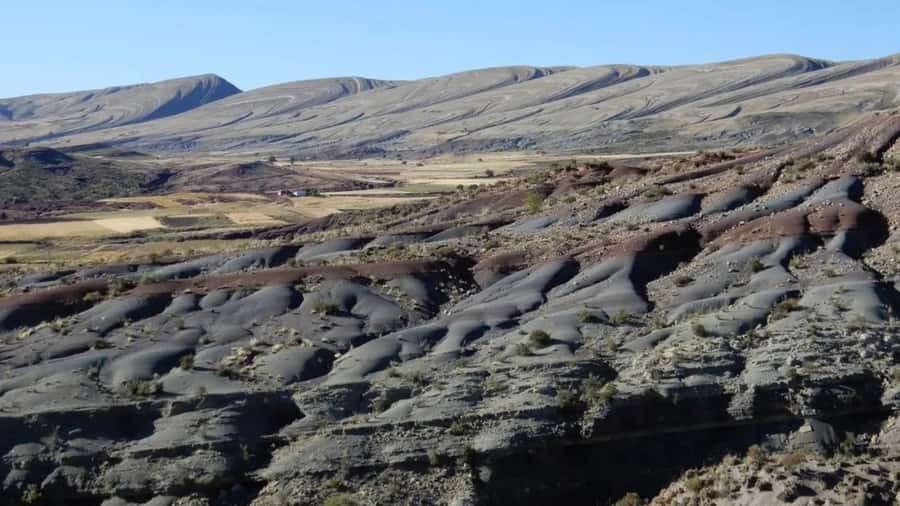
This trek is built around a straightforward plan that gets you out of Sucre and into the first walking sections without wasting daylight. You meet at the main entrance of Estadio Patria on German Mendoza Street at 8:00 am. From there, you’ll take public transport to Chataquila, with some waiting time depending on how full the bus gets.
If you’re the kind of traveler who likes a clear rhythm—meet, ride, walk—this format helps. It also means you get a full first day that’s not just “marching until you camp.” You’re given distinct trail segments with different walking styles, so your body doesn’t get stuck in one repetitive mode.
And a small but important detail: you’re not doing this solo. The tour runs as a small group (up to 10). That’s a big deal on a trek like this, because you can actually ask questions without the guide disappearing into the crowd.
Inca Trail + Chaunaca + Socapampa: The First 16 Kilometers
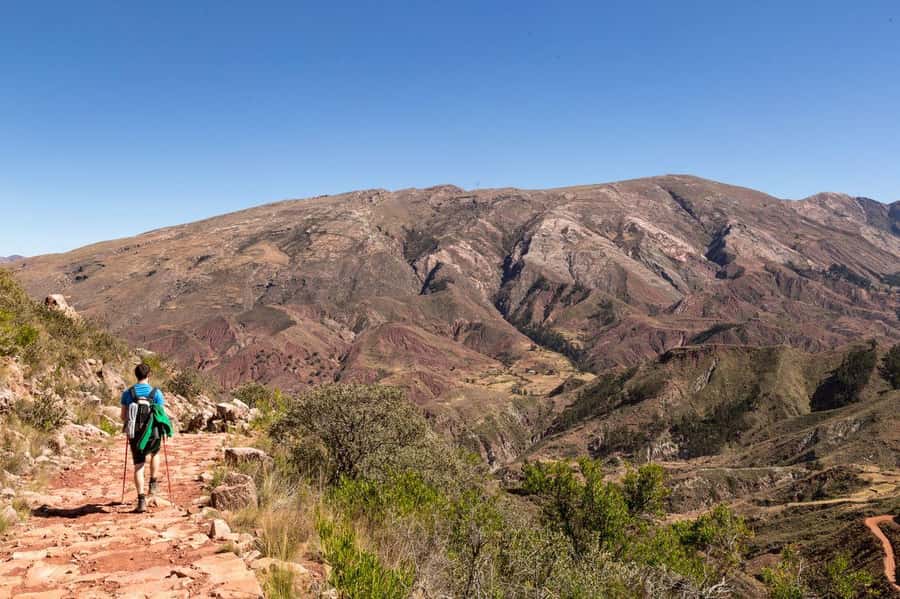
Day 1 is around 16 km and it comes in three parts, which matters because the terrain changes your effort level.
First section: a descent along Inca stone paths. Even though it’s going down, you still need decent footing. Those stones can be slippery or uneven, especially if there’s damp ground or wind-driven mist.
Second section: you follow a river on mostly flat terrain, with short gentle ups and downs. This is the “breather” phase—less grinding, more steady walking. It’s also where you can get your bearings and enjoy the change in views as the river corridor opens up.
Third section: an ascent around the mountains, starting with a steep climb and then continuing along the slopes until you reach the Maragua Crater area. This is where you’ll feel the altitude and effort. If you’ve ever had a trek that saved the hardest climb for “right after the best view,” this one follows a similar logic.
Along the way you pass through the Chaunaca and Socapampa area, which helps break up the walk so it doesn’t feel like one long line on a map. The goal is simple: move through classic Inca-style trail engineering, then transition into the dramatic crater terrain for your first night.
Meals help you stay on track. Lunch and dinner are included on the first day, plus you’ll get fruit. That means you can keep your pack lighter by not planning extra food stops mid-walk.
Maragua Crater at Night: Viewpoints, Devil’s Throat, and Wildlife
By the afternoon, you’re walking from Socapampa toward the Maragua Crater, and you spend the first night inside/within the crater area (you’ll sleep in a shared room). This is one of those places where the walking is only half the story. The other half is what you see once the group settles and you look outward.
Inside the crater, you can do activities including visiting viewpoints like the Devil’s Throat. This is where the tour leans into “look around” time, not just “keep walking.” From that viewpoint, you can observe local wildlife, especially birds.
I like this kind of stop because it gives your legs a break while your eyes stay busy. It also encourages slower observation—scanning the slopes, looking for movement, and noticing how the crater shape affects what you can see.
One practical note: night in a crater region can feel colder than you expect. Bring layers even if the daytime sun is strong. And bring a flashlight so you’re not stuck rummaging around in the dark.
Sleeping in a Shared Room: Comfort vs. Real Trek Value
The overnight is in a shared room. This isn’t sold as a boutique stay, and it isn’t. It’s functional, and it keeps the trek focused on the walking and the sights rather than upgrading lodging.
The tradeoff is clear: you’re paying for access, guiding, transportation, and meals more than you’re paying for comfort. At $124 per person for two days, the value comes from the combination of:
- guide support (including bilingual guiding)
- entry tickets
- transport from Sucre and back
- included meals (breakfast/lunch/dinner as specified)
- and the fact you’re getting into a crater area that would be harder to stitch together on your own
If you’re expecting hotel-level quiet and plush beds, you may feel disappointed. If you’re happy with a bed you can sleep on after a long day, this kind of setup makes sense.
Day 2: Exiting the Crater, Then Straight Into Niño Mayo
Day 2 starts early, with breakfast and lunch included. The morning rhythm matters here. You walk from your lodging to the dinosaur footprints area in Niño Mayo, and the early start gives you better light and less crowds on the trail (even if the trail doesn’t look crowded, the general rule holds).
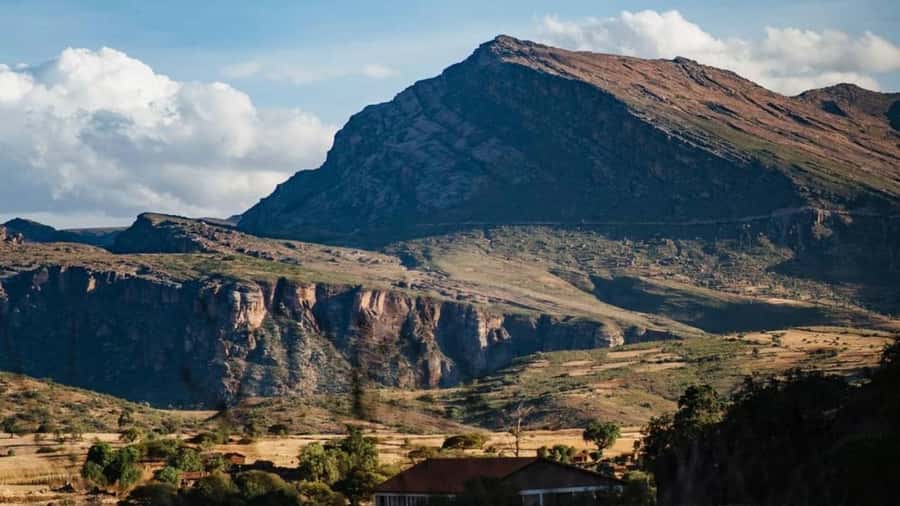
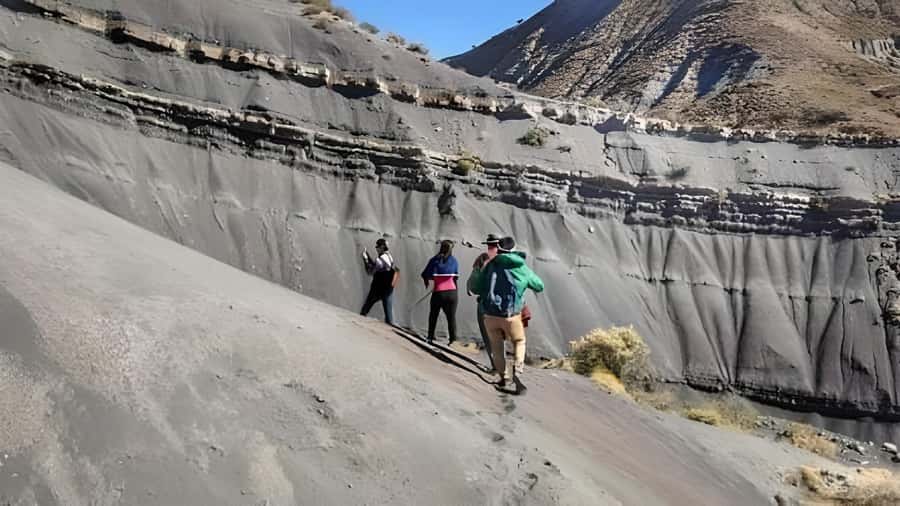
Before you reach the footprints, there’s a key phase: to exit the crater, you hike uphill until you reach a viewpoint where you can see the entire crater landscape. That viewpoint step is both a physical warm-up and a mental reset. You get your widest perspective before the trail eases.
From there, the hike becomes easier with short ups and downs leading to the dinosaur footprints. The segment from the footprints to Majada is described as easy but scenic, which is a great recipe for a final day: enough movement to feel like you did the hike, but not so much that you arrive crushed.
Dinosaur Footprints + a Weaver Stop: Why Those Two Stops Matter
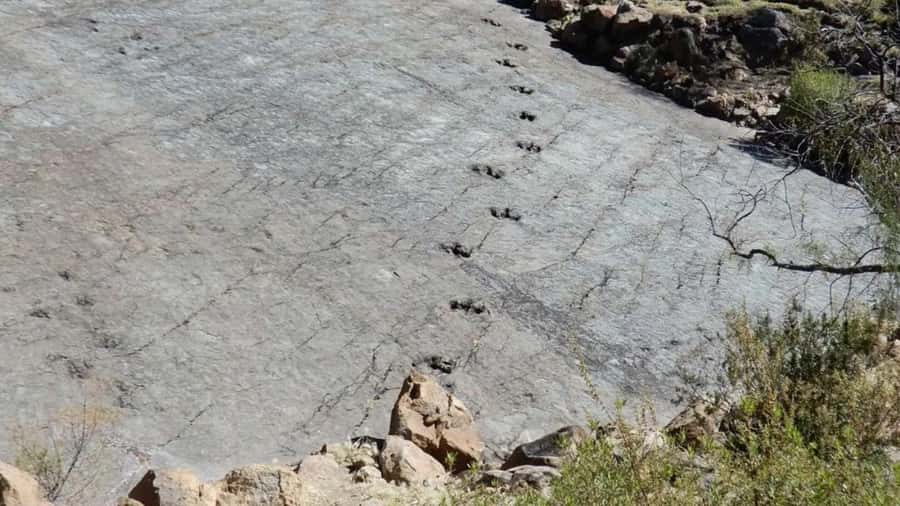
The dinosaur footprints at Niño Mayo are the headline. You’re hiking to an actual natural feature, not just “a scenic viewpoint with a sign.” That makes the experience feel concrete. You’re walking to something you can point to and spend a few minutes really studying.
Then the tour adds a human layer. You visit a local weaver and learn the secrets of the textile art of the community. This stop is valuable because it turns “culture” from a vague word into a skill that lives in real daily work.
I especially like when guides connect what you see on the trail to what people do off the trail. Textiles are one of those art forms where patterns, techniques, and materials often carry meaning over time. Even if you only catch part of the story, you’ll come away with a better respect for why these communities care about the craft.
Majada in the Colorful Mountains: The 5-Kilometer Finale
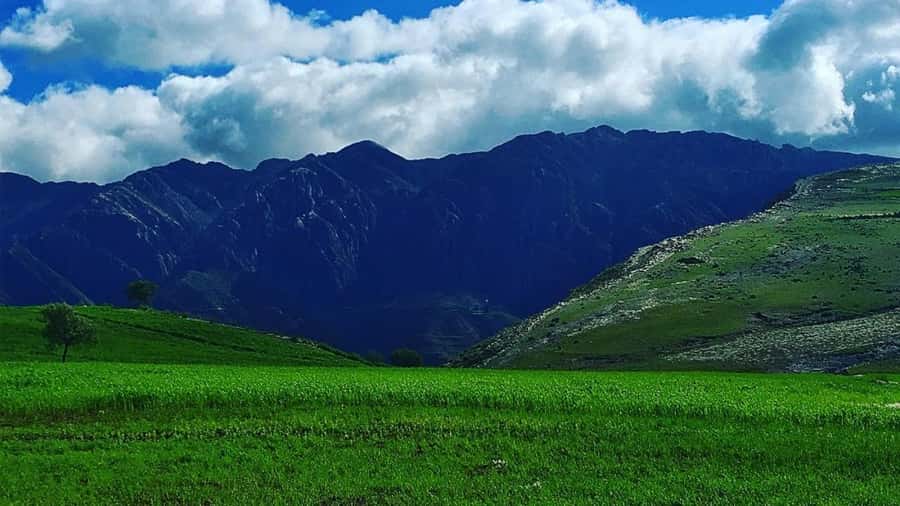
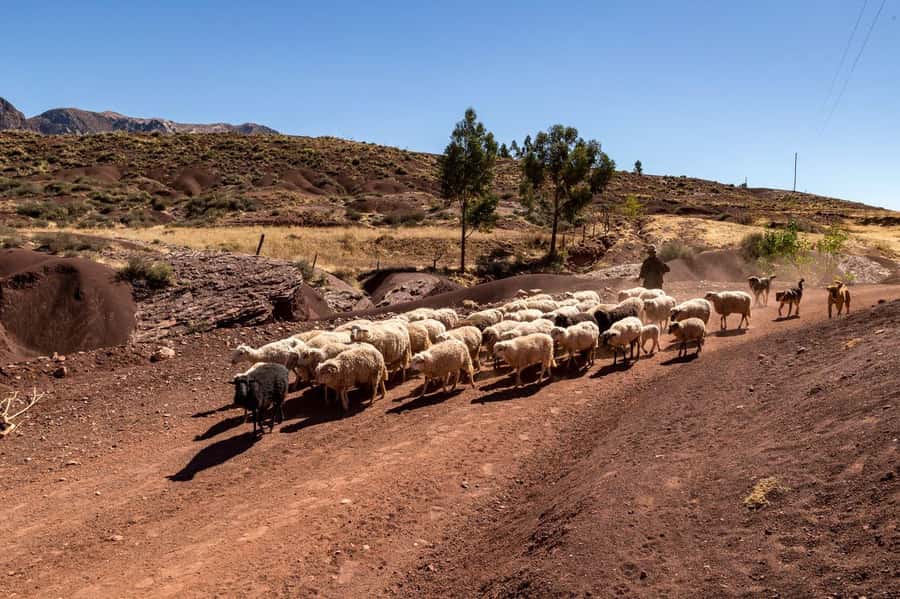
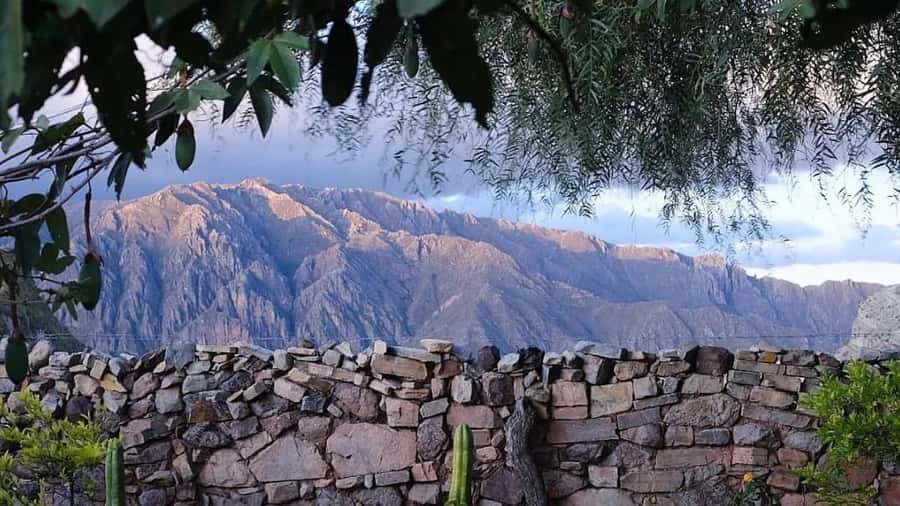
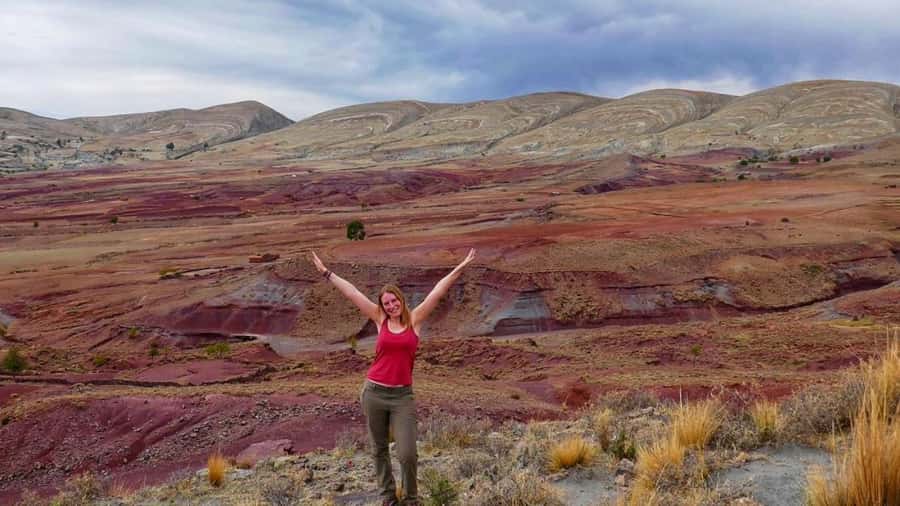
After the weaver stop, you continue on to Majada, a small village area reached after about a 5-kilometer walk. You’ll cross colorful mountain terrain and enjoy views of the Frailes Mountains.
This part is about the walk quality as much as the destination. Because it’s easier than Day 1’s hardest climbing, you’ll have more energy to look up, notice shapes in the mountains, and enjoy the changing light.
After about two hours of walking, a private vehicle is waiting to take you back to Sucre. That handoff is practical: you finish the hike on foot, then transition back to comfort without needing to figure out transport yourself.
Guides and Pace: What You Can Expect from Jalq’a Tours
This trek is guided by professionals, and the company behind it is Jalq’a Tours. The info also notes that the team includes former guides from CondorTrekkers—so you’re not getting a “random local with a map” situation.
You’ll get a professional hiking guide in Spanish and English, with French available depending on guide availability. With hikes like this, language matters. It’s not just about understanding instructions. It’s about getting the story behind trail names, geology, and local practices.
A small timing note from real-world experience: some guides can move quickly to keep the schedule tight. If you want extra photo time, try to stay organized—pause on the easiest sections, and don’t lose the group while you’re switching lenses.
If you prefer a steady, efficient walk with clear explanations, you’ll probably love the format. If you need long breaks every 20 minutes, you’ll have to be more intentional about when you ask for them.
Price and Value: $124 for Two Days of Inca Trail + Crater Time
At $124 per person, this is not a budget “just transport me” deal. It’s closer to: you’re paying for a guided trek with access, meals, and the logistics that otherwise eat your time.
Here’s what you get that affects value:
- Entry tickets are included
- Transport from Sucre is handled (public bus to the start area, plus private transport back at the end)
- Overnight is included in a shared room
- Meals are included (1 breakfast, 2 lunches, 1 dinner) and fruits
- A professional guide comes with you, bilingual (English/Spanish)
What’s not included also matters for planning. Water isn’t included. Snacks aren’t included. Basic hygiene items like wet wipes, toilet paper, soap, and toothpaste are not included either. You’ll want to pack smart, especially for the crater area where you’ll be grateful for wipes and dry supplies.
If you plan well, the cost feels fair because you’re not paying extra for the core elements of the experience. If you don’t plan, you can end up spending on water and snacks anyway. That’s the only real way this price can feel “off.”
What to Pack (So Day 1 Doesn’t Beat You)
You’re given a list of what to bring, and honestly, it’s solid. The trek includes climbs, uneven stone paths, and crater viewpoints—conditions where gear makes or breaks the day.
Bring:
- Hiking shoes
- Sun hat and sunglasses
- Sunscreen
- Rain gear (weather can change)
- Water (it’s not included)
- Flashlight (for night in the crater area)
- Waterproof bag for essentials
- Change of clothes
- Swimwear (included because there’s an activity option listed—so at least consider it)
- Passport or a copy (passport copy accepted)
Also pack the basics you’ll regret forgetting: personal medication and a safe way to carry it.
One more tip: use a waterproof bag or liner even if the forecast looks fine. If you hit mist or brief rain, it’s an easy way to keep your socks and charging gear intact.
Who This Trek Suits Best (and Who Should Skip It)
This is a real hike. It’s not just a gentle walk with viewpoints.
It’s not suitable for:
- children under 10
- pregnant women
- people with mobility impairments
- people afraid of heights
- people over 95
If you’re comfortable with uphill sections and uneven terrain, this trek is a strong fit. If you like hikes where you get both natural features and community visits, you’ll likely enjoy it even more.
This is also a good pick if you want an itinerary that feels purposeful: Inca trail segments on Day 1, crater viewpoints and wildlife time, dinosaur footprints and a textile lesson on Day 2, then Majada and the Frailes Mountains finish.
Extending to 3 Days: Tumpeca Adds Rock Paintings and More Trail
If you have extra time, there’s an optional extension to a 3-day trek with 2 nights. It includes a visit to the Tumpeca area, where you can find rock paintings, geological formations, ancient trails, forests, and local culture from surrounding communities.
That extension can be a great way to slow down and add more variety. But it’s also more time on your feet, so only choose it if you’re comfortable stretching your hiking window.
Should You Book This Trek?
I’d book this trek if you want a guided two-day hike that connects classic Inca trail travel with something more unusual: Maragua Crater viewpoints and dinosaur footprints. The guide-led pacing, bilingual support, included meals, and small group size keep it from turning into a logistics headache.
I would not book it if you’re deeply sensitive to heights or you need a very relaxed pace with lots of long stops. The itinerary includes climbing, and some segments are steep—so your comfort level matters.
If you want the most success, pack for sun and rain, bring water, and keep your expectations aligned: this is about trail time, crater views, and community culture, not about comfort lodging.
FAQ
Where is the meeting point for this 2-day trek?
You’ll meet at the main entrance of Estadio Patria on German Mendoza Street in Sucre.
How do you travel from Sucre to the start of the hike?
You take a public bus from Sucre to Chataquila, and the waiting time can vary depending on how many passengers there are.
What distances are involved on each day?
Day 1 is approximately 16 kilometers. Day 2 is approximately 12 kilometers, including the walk from the crater area to Niño Mayo and onward to Majada.
What meals are included?
Lunch and dinner are included on the first day. On the second day, breakfast and lunch are included. Fruits are also provided.
Are entry tickets included?
Yes, entry tickets are included.
Do I need to bring water?
Yes. Water is not included, so you’ll need to bring it.
What language will the guide speak?
The guide speaks English and Spanish. French is available depending on guide availability.
Where do you spend the night?
You spend the first night in the Maragua crater area in a shared room.
Can this trek be extended to more days?
Yes. There’s an option to extend to 3 days and 2 nights, including the Tumpeca area with rock paintings and additional trails.