REVIEW · USHUAIA
USHUAIA: TREKKING IN LAGUNA DE LOS TÉMPANOS AND VINCIGUERRA GLACIER
Book on GetYourGuide →Operated by Explore Tierra del Fuego · Bookable on GetYourGuide
Glacier country starts with muddy silence. This trek in Ushuaia mixes peat bogs and native forest with big glacier views at Laguna de los Témpanos. I like the small-group pace and how the plan gets you up close to the ice, not just looking at it from far away.
Two things I really like: you get a true guided mountain outing with proper gear support (trekking poles and crampons if necessary), and the best moments land right where your feet are—standing by the lagoon and eating lunch near the ice. One thing to consider is that ice-cave-style views (and the more dramatic “internal river” details) can be season-dependent, so you may not see everything described outside colder months.
You’re also signing up for effort. Plan for a tough hike—about 14 km round trip—plus changing weather in Tierra del Fuego can make the day feel longer.
In This Review
- Key highlights you’ll care about
- From Andorra Valley peat bogs to treeline: how the hike sets the mood
- The ascent break at the thawing waterfall: where you catch your breath
- Laguna de los Témpanos: the moment the ice takes over
- 20 minutes along the lagoon edge: when you feel the glacier’s power
- Ice caves and internal rivers: what’s real, what’s seasonal
- Vinciguerra Glacier section: why this part matters even before the lagoon
- Gear and footwear: the difference between fun and misery
- Transfers, timing, and the small-group feel (up to 10)
- Lunch by the glacier: why this stop is a big part of the value
- Price and what you’re paying for ($170 per person)
- Who this trek is best for (and who should skip it)
- Should you book this tour? My straight answer
- FAQ
- How long is the tour?
- Is the hike difficult?
- What’s included in the price?
- What should I bring?
- What languages are the guides?
- What group size is this?
- Is it cancellable if my plans change?
Key highlights you’ll care about

- Vinciguerra + Laguna de los Témpanos in one day: you go from glacier terrain to the lagoon where the ice feels closest
- Andorra Valley peat bogs to treeline: the route builds from wetlands into the harder climbing zone
- Glacier-side lunch: you pause right at the action, not back at a lodge
- Small group of up to 10: more attention from the guide and less crowding in tight spots
- Season can change what you see in the ice: ice caves and certain ice features are not guaranteed year-round
From Andorra Valley peat bogs to treeline: how the hike sets the mood

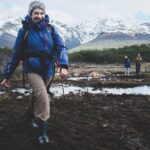
This excursion has a clever rhythm. It doesn’t rush you straight to the glacier. Instead, you start in the Andorra Valley, crossing peat bogs—a Fuegian landscape that looks soft and quiet, but feels alive underfoot. The wet ground, the thawing river cutting through, and the constant presence of cold water create a view that’s more atmospheric than scenic-card perfect.
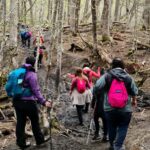
Then you shift into the native forest, where the air often feels cooler and the footing becomes more “trail” than “mud.” The climb is gradual at first, but it steadily leads you toward the limit of vegetation—the point where the environment starts to strip things down. That transition is a big part of why this trek works: you’re not only moving uphill, you’re moving into harsher conditions where the glacier dominates the story.
What I like about this approach is that you get payoff in layers. Even before the lagoon, you’re already experiencing what makes Tierra del Fuego distinct: wetlands, forest, rivers, and that sense of a place still being shaped by ice.
You can also read our reviews of more tours and experiences in Ushuaia.
The ascent break at the thawing waterfall: where you catch your breath
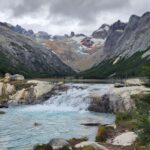
Halfway through the effort, you reach a zone where the guide lets the scenery do the talking. You come out in front of a thawing waterfall, then take a short rest by the stream. This pause matters more than it sounds. Climbing in cold regions tends to make people go too fast at the start. A planned stop keeps you from burning energy too early.
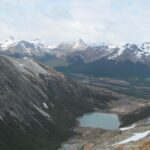
From there, you start to see parts of the glacier. It’s not the full “ice giant” moment yet, but you get enough of a tease to focus the last push. If the weather is gray or rainy, this is also when the guide’s decisions matter. You’ll often find the group settling into a steady pace for the final, most demanding climb.
Laguna de los Témpanos: the moment the ice takes over

The last ascent is the heavy lift. It’s described as the most demanding part of the day, and you feel that truth when the trail narrows your options: keep your rhythm, watch your footing, and trust the guide’s timing.
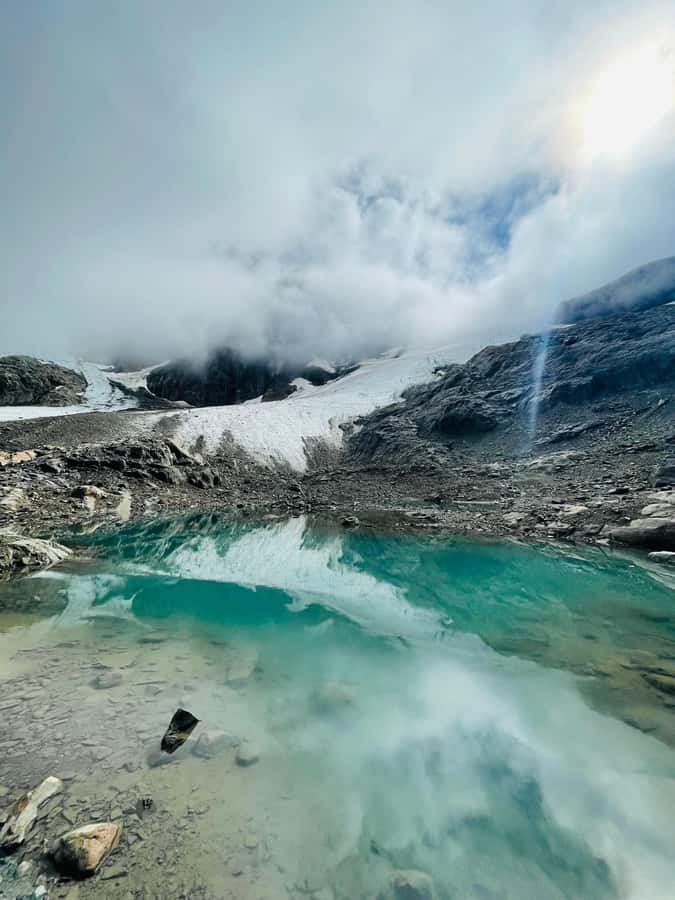
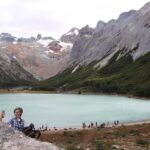
Then you arrive at the lagoon—Laguna de los Témpanos—and the experience shifts from “walking to a view” to “standing inside the landscape of ice.” There’s time to take photos and appreciate the lagoon, including the ice mass across the water—the kind of scene that makes you stop thinking in terms of distance and start thinking in terms of scale.
One practical thing: the day is paced so you don’t just sprint to the best spot. You also get that brief moment to appreciate what’s happening in the water and along the ice edge. This is where the day starts to feel genuinely special, because you’re no longer distant from the glacier. You’re close enough that details become part of the story.
20 minutes along the lagoon edge: when you feel the glacier’s power
After the initial lagoon time, there’s a shorter walk—about 20 minutes along the lagoon—to reach the foot of the glacier. This segment is important because it transitions you from looking at ice to being near it.
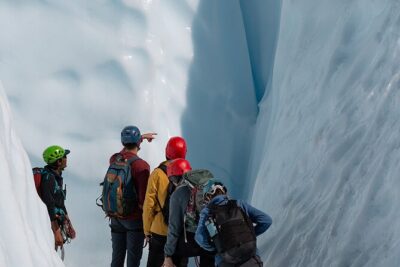
At the glacier edge, you can feel the cold reality in a more direct way. You’ll be able to see crevasses, and you’ll have chances to observe features formed by the glacier’s movement and melt. The description also notes the idea of internal river sounds and ice caves—those details can be spectacular when conditions line up, but your actual experience depends on season and the day’s conditions.
You’ll also learn something useful here: glaciers are not static. Even when the view looks still, ice has structure—cracks, channels, pressure lines—and meltwater is always part of the system. That’s why this “close to the ice” section is the heart of the tour.
Ice caves and internal rivers: what’s real, what’s seasonal
This is the one area where you should set expectations clearly. The experience description highlights ice caves formed in the millenary glacier and the idea of hearing internal rivers. In colder, winter-leaning conditions, you’re more likely to encounter dramatic features like caves and strong auditory signals near melt channels.
But in warmer seasons, you may still see big glacier presence—crevasses, ice edges, and the lagoon view—just without the same access to certain cave-like spaces or the same level of internal flow detail. One visitor experience specifically flagged that those more cave-and-river moments may not appear in all seasons, even when the glacier is visible and impressive.
So here’s the practical takeaway for you: treat the ice caves and internal river moments as a bonus, not a checklist item. If you come focused on what will be consistent—close glacier contact, crevasses, and lagoon views—you’ll leave happy even if the ice is a little less dramatic that day.


Vinciguerra Glacier section: why this part matters even before the lagoon
The glacier experience doesn’t start at Laguna de los Témpanos. You also spend time at Glaciar Vinciguerra with a guided hiking approach. The goal is to connect you to Fuegian glacial terrain early, so that when you reach the lagoon later, you understand what you’re looking at.
This matters because it turns your photos from random scenery into meaningful shots. You’ll pay more attention to ice texture, melt patterns, and how the glacier interacts with the surrounding terrain and water. On a long day with lots of walking, that kind of context keeps you engaged and helps the “why” land in your brain, not just your camera roll.
Gear and footwear: the difference between fun and misery

This tour includes trekking poles and crampons if necessary. That’s a big deal for safety and comfort. In cold, wet places, it’s easy to underestimate how quickly your footing can become unreliable. The guide planning and the included traction tools make the outing feel less like a gamble.
Still, they require you to bring the basics: warm clothing and trekking boots (mandatory). I strongly suggest taking this seriously. If your boots aren’t made for uneven ground and potentially slippery conditions, you’ll feel it during the last ascent and along the glacier edge. A long hike punishes uncomfortable shoes fast.
Also, the tour is set for people who can maintain pace. Plan for a full day of walking—roughly 7 hours on the move, with transfers adding up to a total duration of 450 minutes. If you’re the type who hikes in sneakers “just to get by,” this is not that day.
Transfers, timing, and the small-group feel (up to 10)
The day runs on a simple rhythm: pickup in Ushuaia, a van ride, time on the glacier trek, then another van ride back. The transfer time is about 30 minutes each way, and the operator notes door-to-door pickup from your accommodation. For many people, that’s one of the biggest hidden values. You avoid the hassle of figuring out parking or timing your own transport in a place where weather can change fast.
Group size is limited to 10 participants. That small number isn’t just for social comfort. It affects how the guide can manage safety during steep, icy, or crowded-feeling moments. It also makes it easier for everyone to hear instructions and check-in about how the group is doing.
There’s also live guiding in Spanish and English, so you’re not left piecing together the meaning of what you see. In cold terrain, the best guides do more than narrate—they help you feel confident step to step.
Lunch by the glacier: why this stop is a big part of the value
You’ll enjoy your box lunch in a glacier-foot zone—sitting next to the ice. This isn’t a random “eat and leave” moment. It gives you a chance to rest your legs while staying mentally in the highlight. When your lunch has this kind of setting, you’re not just fueling up—you’re getting that last burst of awe before heading back down.
And the timing helps. You eat after reaching the glacier edge, so you’ve already earned the pause. Plus, you’re in the area where you can still observe ice details while you’re rested enough to look closely rather than rush past everything.
Price and what you’re paying for ($170 per person)
At $170 per person for a long guided mountain day, the value comes from three bundles that add up quickly:
- Guides specialized in mountain terrain, for a hike that includes a glacier edge experience
- Transfers from your accommodation in Ushuaia
- Included support gear (trekking poles, and crampons if needed) plus a box lunch
If you were to recreate this on your own—finding a guide, securing correct equipment, and coordinating safe access—you’d likely spend more than the ticket price. Also, the hike length and difficulty mean the guide’s presence has real value. This is not a casual walk where you can freestyle your way through.
My practical advice: compare this price to what you’d pay for a standard tour without glacier-side access or without the guided safety infrastructure. Here, you’re paying for the whole system, not just scenery.
Who this trek is best for (and who should skip it)
This excursion is aimed at adults and older kids, with a clear limitation: not suitable for children under 12 and not suitable for wheelchair users. It also requires good physical condition for walking pace in the mountains over 14 km round trip.
So this is best for you if:
- you enjoy hiking with a real climb, not just easy scenic walking
- you want a guided glacier experience with close viewing time
- you’re comfortable dealing with cold and variable weather
If your hiking experience is light or you tend to feel wiped out after moderate walks, I’d think twice. This day is longer than it looks on paper, and the last ascent is the kind that turns “I can do it” into “I should’ve trained more.”
Should you book this tour? My straight answer
Book it if you want a focused, guided day that gets you close to glacier reality—Vinciguerra, then Laguna de los Témpanos, then glacier-edge time where you can see crevasses and observe ice features. The combination of small group, included guiding, and a lunch stop right next to the action makes it feel like more than a drive-by tour.
Skip or reconsider if you’re chasing a guarantee of ice caves and internal river effects. Those dramatic details can depend on the season, and you might not get the exact version described. Also skip if your footwear and fitness aren’t ready for a tough 14 km round trip.
If you’re prepared for effort and flexible on which ice moments you’ll catch, this is one of those Ushuaia days that leaves a strong impression for the right reasons: you walked to it, you rested at it, and you saw the glacier up close.
FAQ
How long is the tour?
The total duration is about 450 minutes, including transfers. The guided hiking time at the glacier is described as around 7 hours.
Is the hike difficult?
Yes. You need good physical condition and the ability to sustain a walking pace in the mountains for about 14 km round trip.
What’s included in the price?
Transfers, specialized mountain tour guides, a box lunch, and trekking poles. Crampons are included if necessary.
What should I bring?
Warm clothing and weather-appropriate clothing are required, and trekking boots are mandatory for the activity.
What languages are the guides?
The live tour guide speaks Spanish and English.
What group size is this?
It’s a small group limited to 10 participants.
Is it cancellable if my plans change?
There is free cancellation up to 24 hours in advance for a full refund.