REVIEW · ANCHORAGE
Matanuska Glacier Adventure Trek
Book on GetYourGuide →Operated by NOVA Alaska Guides, Whitewater Rafting & Glacier Tours · Bookable on GetYourGuide
Glaciers have a way of stealing your breath. What I like most here is that you do not need previous glacier experience, thanks to a 1:4 guide-to-client ratio and high-end gear. The second big win is the route: you go beyond the Ice Falls area to reach harder-to-access parts of the Matanuska Glacier instead of only doing the usual quick look. One thing to plan for: this is not a stroll, and you’ll need the fitness to hike 6+ miles over uneven, steep ground.
This trek runs about 6 hours total, with a short van ride, a safety briefing, and then roughly 5 hours on the glacier with your guide team. Also, the glacier park entrance fee is separate, and it’s privately run, so you’ll want to budget for it before you go.
In This Review
- Key Things That Make This Trek Worth It
- From NOVA Alaska Guides to the Glacier: How the Day Flows
- Why Going Past Ice Falls Changes the Whole Experience
- Safety Briefing and Gear: How You Make a Tough Day Feel Controlled
- The 5-Hour Guided Glacier Walk: What You’ll Actually Be Doing
- Fitness Requirements: The Honest Reality Check
- Price and Value: What the $225 Covers (and What It Doesn’t)
- Getting There Without Losing Time
- What to Pack for a Cold, Wet, Moving Day
- Crowds, Conditions, and Glacier Etiquette
- Should You Book This Trek?
- FAQ
- How long is the Matanuska Glacier Adventure Trek?
- Do I need prior glacier experience?
- What fitness level do I need?
- How many hours do we spend on the glacier?
- What is included in the $225 price?
- Is the glacier park entrance fee included?
- Are there any age or health restrictions?
- Are drones allowed?
- What do I need to bring?
- Is transportation from Anchorage included?
Key Things That Make This Trek Worth It
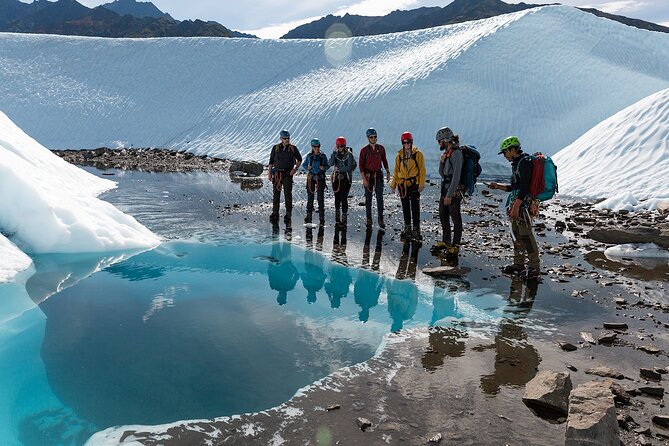
- Beyond Ice Falls on foot: You push farther into the glacier so the day feels longer and more satisfying.
- Small group, real instruction: A 1:4 guide ratio means you’re not just following a line of people.
- Top gear included: You show up and get fitted with what you need, not a rental pile of mystery equipment.
- Built for effort: It’s tailored to your group’s abilities, but you still need stamina for 6+ miles.
- Hard-to-reach glacier features: You’ll spend time away from the crowd magnets.
- Potential rappel moments: Some hikers get an added adrenaline bump from rope techniques during the hike.
From NOVA Alaska Guides to the Glacier: How the Day Flows
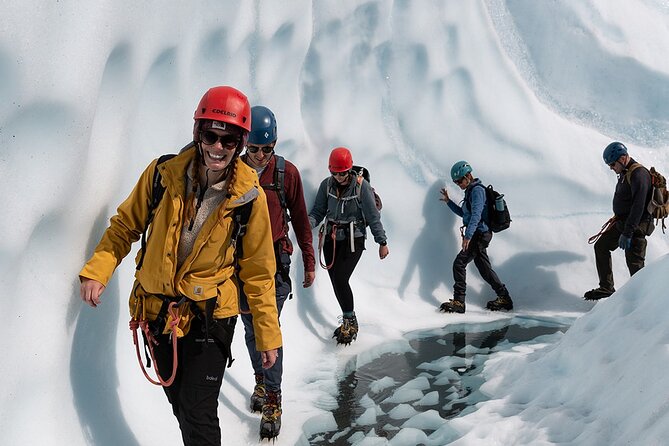
The day starts at NOVA Alaska Guides in the Matanuska area (meeting at Mile marker 96.5 Glenn Hwy, near Hick’s Creek Bridge). You then hop in a van for about 15 minutes to the glacier staging area. It’s short and simple, which matters because the real time cost is later—once you’re moving on ice.
When you arrive, expect a 15-minute safety briefing before you step onto the glacier. This is where the guide team sets expectations for how the day will feel: movement on uneven ice, keeping spacing, and how you’ll handle steep inclines and slick surfaces. If you’re worried about being the “new person,” that briefing is your first clue that this tour is structured for first-timers who are physically ready.
Then you get the main block of time: about 5 hours on the glacier with your guide. In other words, you’re not spending half your day in transit or standing around. You’re out there learning the glacier by foot and moving as a group with guidance, step by step.
You finish with another 15 minutes back to NOVA Alaska Guides. If you plan dinner that night, you’ll probably feel like you earned it—because you did.
You can also read our reviews of more tours and experiences in Anchorage.
Why Going Past Ice Falls Changes the Whole Experience
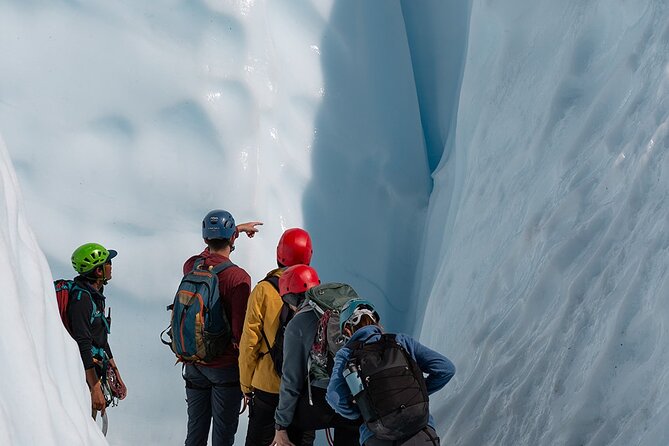
Most people hear glacier tour and picture the first big photo spot. Here, the emphasis is different. You’re intentionally routed beyond the main terminus area often called Ice Falls, heading toward the inner working parts of the Matanuska Glacier where the ice world looks and feels more complex.
What that means for you: you’re not just walking past impressive ice. You’re moving through a constantly shifting environment where cracks, ridges, and ice formations show the glacier doing its job. The glacier is a 26-mile-long advancing valley glacier in the Chugach Mountains, roughly 100 miles north of Anchorage. It constantly moves and reshapes itself during the summer season, so the details can vary day to day.
You also get the psychological benefit of doing something more demanding. When the route pushes farther, the day has weight. That’s why it feels intense and intimate rather than quick and crowded. You still get the wonder, but you also get the satisfaction that comes from earning it.
Safety Briefing and Gear: How You Make a Tough Day Feel Controlled
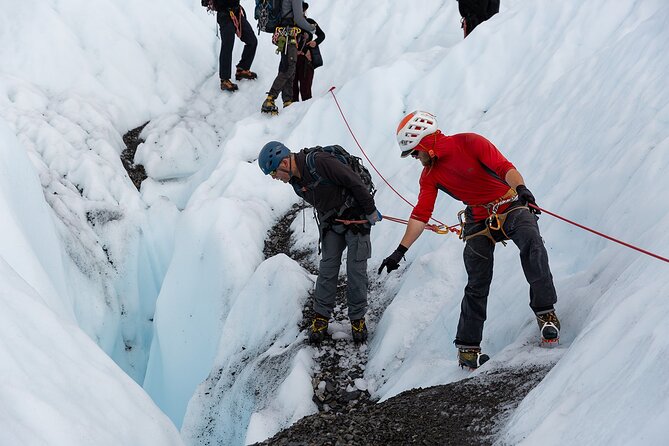
This trek is physically demanding, but it’s not thrown at you with zero support. You’ll have an instructor/guide with gear provided, and the guide ratio (1:4) is a big deal on glacier routes. With fewer people per guide, you get more hands-on adjustments and clearer pacing.
The gear piece matters because glacier walking isn’t just about being brave. It’s about having the right traction and knowing what to do when conditions change—wet ice, slick patches, or steep angles where your stride needs to be precise. You’ll also want clothing that works in real Alaska weather, not just “looks warm.”
I like that the tour encourages you to think in layers. Bring a personal backpack to stash extra layers, a rain layer, snacks, and anything you need for comfort. The goal is simple: you keep moving and keep your temperature steady instead of overheating, chilling out, or pulling your focus off the ground under your feet.
One small note from the human side: the route can include rope techniques. Some hikers describe rappelling as an added fun part of the day. If you like structured adrenaline—this can be a highlight. If you dislike heights, talk with your guide during the briefing so they can explain exactly what’s involved on your specific route.
The 5-Hour Guided Glacier Walk: What You’ll Actually Be Doing
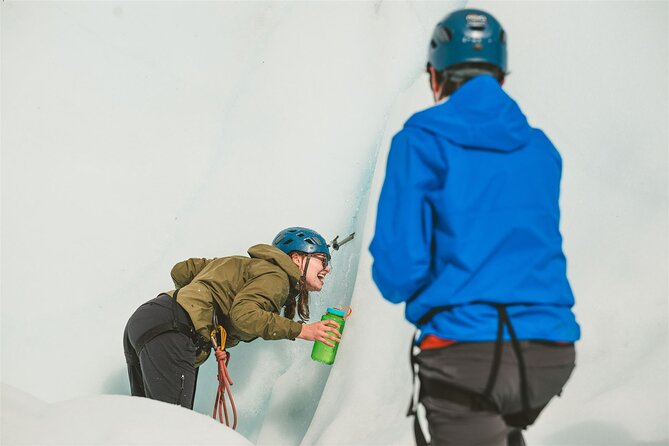
Once you’re on the glacier, your job is to hike, pay attention, and follow your guide. The tour is described as one of the longer and more intense glacier days NOVA offers, and that shows up in how the time is used.
You’re going beyond the more frequented area and into the glacier’s heart, exploring out where you’ll find unique formations and harder-to-reach features. That’s the key difference from short glacier experiences. Here, you’re spending enough time in the ice terrain to notice how the glacier changes underfoot—how the surface texture shifts, how formations appear at different angles, and how moving deeper changes your sense of scale.
Expect challenging terrain: uneven ground, occasional steep inclines, and a surface that doesn’t behave like a trail. You’re also given guidance tailored to your group’s abilities and desires. That tailoring is part of what makes the day manageable for people who are new to glacier travel but fit enough to do the work.
This is also where the guide names can matter for your expectations. On past trips with Thomas and Betsy, hikers highlight how the guides kept the experience enjoyable while still moving at a glacier pace. That kind of balanced leadership is what you want: instruction that helps you stay safe and a vibe that keeps you engaged while you work.
One more practical reality: this is glacier weather. Even when the air is clear, the conditions can turn cold fast, especially with wind and wet surfaces. Your best “view enhancement” tool is staying comfortable enough to keep hiking without fighting your own clothes.
Fitness Requirements: The Honest Reality Check
This tour is marketed as no prior glacier experience required—but it’s still a workout. Here’s what matters most:
- You need to be able to hike at least 6+ miles
- You should feel comfortable with challenging, uneven terrain and steep inclines
That combination is why the day is so intense. It also explains why the tour isn’t suitable for everyone listed by the provider, including children under 12, people with heart problems, and people over 65. There are also weight limits (under 99 lbs / 45 kg and over 250 lbs / 113 kg) where safety and gear fit become constraints.
How to decide if you’re right for this: think about the last hike that left you pleasantly tired, not wiped out. If you routinely get through long walks with hills and can keep moving when your legs are burning a bit, you’ll probably do well. If you get winded climbing stairs, this may feel like too much.
And yes, you’ll be cold sometimes. The fix is preparation, not toughness. Dress to handle wind and damp, and bring the layers you’ll actually need once you’re moving for hours.
Price and Value: What the $225 Covers (and What It Doesn’t)
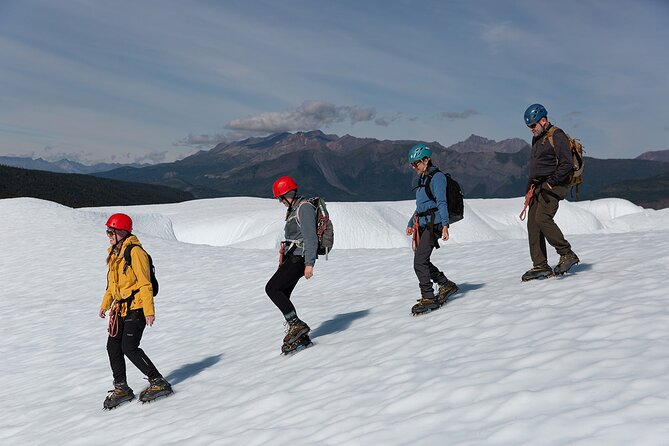
At $225 per person for a 6-hour trek, the headline price is only part of the math. The glacier park entrance fee is separate, and it’s a big one: the Matanuska Glacier Park is privately owned, charges at the gate every time, and Alaska State passes do not apply.
You’ll pay at check-in:
- Adults (17+): $55
- Teens (13–16): $25
- Alaska residents, military, and seniors (65+): $30
So for a typical adult non-resident, your total baseline is $225 + $55 = $280, before any snacks you buy and gratuity for the guide. Food and drink aren’t included either.
Is it still good value? For me, yes—because you’re paying for a small team, professional instruction, and time on the glacier that goes beyond the quick photo route. The 1:4 ratio means more attention and less waiting. The included gear reduces hassle and risk. And the fact that the route reaches farther into the glacier means you get a full day’s worth of glacier character instead of a short hit.
If you’re trying to save money, you’ll have cheaper glacier walks. If you want a glacier day that feels like you earned your photos and you understand what you’re seeing, this price starts to make sense.
Getting There Without Losing Time
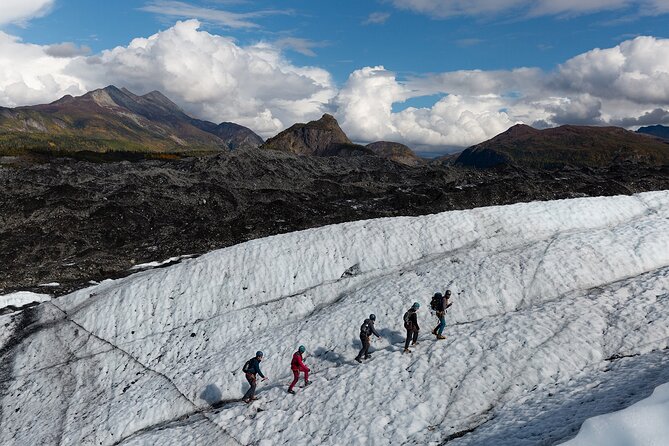
Transportation to and from Anchorage is not included, so you’ll want to plan your own logistics for that portion. The trek includes a trip shuttle between the start point and the glacier area (the short van ride during the day).
For the meeting point, follow the driveway instructions at the camp entrance: turn into Trailhead Rd at Hick’s Creek bridge, follow the loop under the bridge, and continue to the camp entrance. It’s the kind of thing where arriving 10–15 minutes early saves stress, because once the briefing starts, the day runs on schedule.
Also, there’s a no drone policy on the glacier. You should assume you won’t be flying anything even if you have the gear. It’s not worth the risk or the argument—plan for photos the normal way.
What to Pack for a Cold, Wet, Moving Day
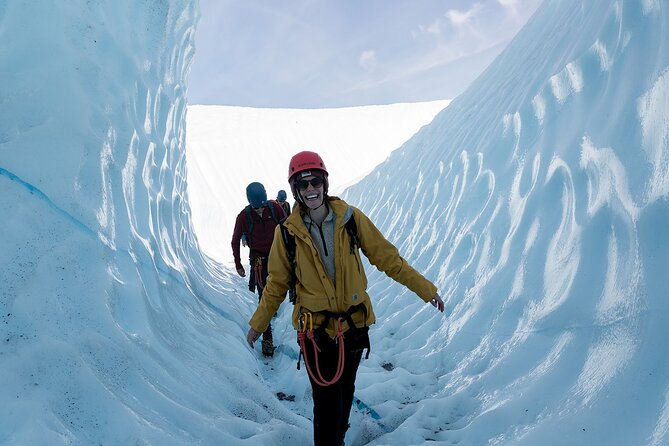
Even with gear provided, you’ll want to bring the stuff that keeps you warm and functional for hours.
Recommended items include:
- Warm clothing
- Sunglasses
- Sunscreen
- Water (the tour notes you can drink glacier water or carry your own)
Bring a personal backpack so you can access layers fast. Add rain protection, extra layers, and snacks. A camera is obvious, but the real tip is to also pack the small comfort items: gloves, a hat, and anything that helps you keep hiking instead of fiddling with cold hands.
One more practical thought: glacier surfaces can be bright, even when it looks overcast. Sunglasses and sunscreen help you keep your focus instead of squinting through every step.
Crowds, Conditions, and Glacier Etiquette
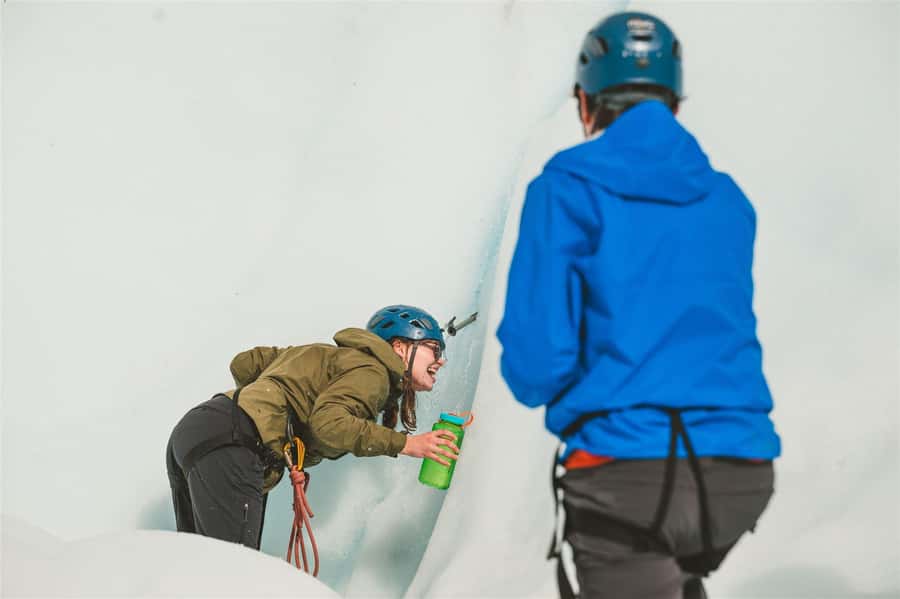
This trek intentionally takes you away from the most crowded areas. That’s great for your photos, but it also improves the experience by reducing the “everyone stops, everyone crowds in” energy.
The glacier environment is active and changing. You’re not there to play tourist in a static museum. You’re there to move safely in a living system that shifts and reshapes through the summer.
So listen closely, keep your spacing, and follow guide cues. If you’re the type who likes to wander, this is a good reminder that the safest plan is always the guided one.
And again: no drones. If you want aerial shots, you’ll need to plan for that off-glacier or accept that the day is about walking and learning the ice up close.
Should You Book This Trek?
Book it if you want a glacier day that’s longer, more instructional, and more physically real—one that goes beyond the easy terminus viewpoint into the glacier heart. It’s a strong pick if you can hike 6+ miles, handle uneven terrain, and you’re okay with an intense half-day that rewards effort.
Skip it if your idea of glacier travel is a relaxed walk, or if you’re concerned about steep inclines and sustained hiking. Also, pay close attention to the provider’s limits around age, heart conditions, and weight—this trek is built for safety and fit.
If you match the physical requirements, I think you’ll appreciate what makes this experience different: the small group size, the high-end gear, and the fact that you don’t just see the glacier—you work your way deeper into it.
FAQ
How long is the Matanuska Glacier Adventure Trek?
It runs for about 6 hours total, including the van ride, safety briefing, and the guided time on the glacier.
Do I need prior glacier experience?
No prior experience is required. The trek is designed for people who can meet the physical demands.
What fitness level do I need?
You should be able to hike at least 6+ miles and be comfortable on challenging, uneven terrain with steep inclines.
How many hours do we spend on the glacier?
You’ll have a guided tour on the glacier for about 5 hours, after a 15-minute safety briefing.
What is included in the $225 price?
Included are the guided adventure trek (6 hours), an instructor, all gear provided, and a trip shuttle.
Is the glacier park entrance fee included?
No. You must pay the Matanuska Glacier Park entrance fee at check-in because it is privately owned. The listed regular adult fee is $55.
Are there any age or health restrictions?
It’s listed as not suitable for children under 12, people with heart problems, and people over 65.
Are drones allowed?
No. There is a no drone policy in place for the glacier.
What do I need to bring?
Warm clothing, sunglasses, sunscreen, and water are specifically recommended. You may also want a backpack for extra layers, rain gear, snacks, and camera items.
Is transportation from Anchorage included?
No. Transportation to and from Anchorage is not included.