REVIEW · CENTRAL VIETNAM
Pu Luong Amazing Trekking Village,Rafting,Swimming, Lunch on Boat
Book on Viator →Operated by Divi Travel · Bookable on Viator
Pu Luong feels like a calm, hands-on day outdoors. I like the small group setup and the chance to get involved with silk weaving rather than just watching from the sidelines. You’ll also spend real time on the trails and on the water, finishing with lunch on the boat. One drawback to plan for: it’s only about 4 hours, so you won’t have the luxury of lingering everywhere.
This is the kind of half-day trip that balances practical movement with local culture. It starts with pickup at 8:30 AM from Pu Luong Retreat (Thành Lâm, Bá Thước District), then you head out past rice fields and into Pu Luong Nature Reserve area villages—Lan Village and Chieu Lau Village—before reaching Cham Stream for rafting.
The guides (English-speaking, local) can turn the day into more than sightseeing. If your guide is someone like Nga or Lila—names mentioned in past experiences—you can expect energetic explanations, good English, and lots of local context. The only real catch is that the trekking portion is active, and there’s water time, so good footwear and basic comfort matter.
In This Review
- Key highlights at a glance
- 8:30 pickup, A/C transport, and why the group size matters
- Lan Village silk weaving: more than a look-and-leave stop
- Chieu Lau Village waterwheels: farming’s old tech in real use
- The 4 km trek to Cham Stream: easy enough for most, still bring energy
- Cham Stream bamboo rafting: calm water time, real scenery, no rushing
- Lunch on the boat: why this is better than just eating
- Swimming time: fun if you’re prepared, optional if you’re not
- English-speaking local guidance: where your questions get answered
- Price and value: $35 for transport, entries, lunch, and rafting
- Timing: how the day flows without feeling hectic
- What to bring for a comfort-first morning
- Who should book this Pu Luong half-day?
- Should you book Pu Luong Amazing Trekking Village, Rafting, Swimming, Lunch on Boat?
- FAQ
- What is the duration of the Pu Luong trek and rafting tour?
- What time does the tour start?
- Where do I meet for the tour?
- Do I need to arrange transportation to the sites?
- Is lunch included?
- Is bamboo rafting included?
- Is swimming part of the experience?
- Are entry fees included?
- How big is the group?
- What’s not included in the price?
- Can I cancel for a refund?
Key highlights at a glance

- Silk weaving practice at a Thai household in Lan Village, not just a photo stop
- Ancient waterwheels and everyday farming routines around Chieu Lau Village
- A 4 km trek to Cham Stream with a stop at a local home for hospitality
- Bamboo rafting on Cham Stream through rice paddies and forested areas
- Lunch on the boat, served while you’re still in the flow of the day
- Swimming time during the water portion, so bring swim-ready basics
8:30 pickup, A/C transport, and why the group size matters
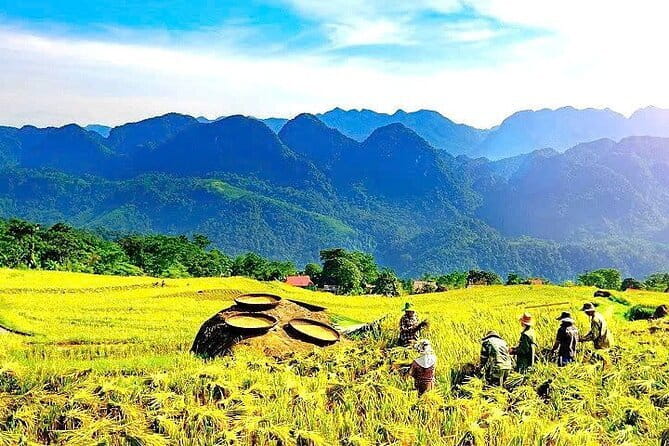
You start early—8:30 AM—with pickup at Puluong Retreat, Thành Lâm, Bá Thước District, Thanh Hoa. From there, an air-conditioned vehicle takes you through the drive toward Pu Luong Nature Reserve. For a short tour, that matters. You lose less time to transfers, and you arrive ready to move.
The max group size is 12 travelers, which is a sweet spot for a half-day. It keeps the pacing from feeling rushed and makes it easier to ask questions while you’re walking through village areas or listening to explanations. It also helps on the water portion, where fewer people means smoother managing of the boat experience.
This tour runs about 4 hours, so think of it as a focused “greatest hits” morning: weaving and farming, then trekking and rafting. If you’re the type who likes deep, slow village time, you may feel the time pressure. If you want a full slice of Pu Luong without eating the whole day, it’s a strong match.
Lan Village silk weaving: more than a look-and-leave stop

The first big cultural stop is Lan Village, where you visit a Thai household for silk weaving. The wording matters here: you’re not just there to watch. You get to observe the process and even try weaving yourself.
That “try it” piece is what makes this stop worth your time. Watching adults make threads and patterns is one thing. Using the loom—however briefly—helps you understand why the work takes patience and technique. It also turns the visit into a real conversation with your guide and the household members.
If you’re hoping for variety in what you learn, this stop can deliver. Some past experiences highlight that you may also see cotton and textile processing details up close, plus a more personal feel to the demonstration (rather than a staged factory tour). Expect questions about daily life, how materials are handled, and why silk matters locally.
Practical tip: silk weaving can be surprisingly hands-on, so keep sleeves comfortable and be prepared to get slightly messy in the workshop setting.
Chieu Lau Village waterwheels: farming’s old tech in real use
After Lan Village, the tour continues to Chieu Lau Village, where you see ancient waterwheels and traditional farming methods in action. This is one of those moments where the scenery is nice, but the real value is the system you’re witnessing.
Waterwheels are not just historic ornaments. In places like this, they represent how people have worked with seasonal water and irrigation needs over generations. Seeing it while your guide explains the role it plays in farming makes it more than a “cool artifact” photo.
You’ll likely connect it to what you saw earlier in the morning. Silk weaving ties to daily household production. Waterwheels and farming tie to daily food production. Put together, those two village experiences help you understand Pu Luong as a place where work and culture are continuous, not separate.
The 4 km trek to Cham Stream: easy enough for most, still bring energy
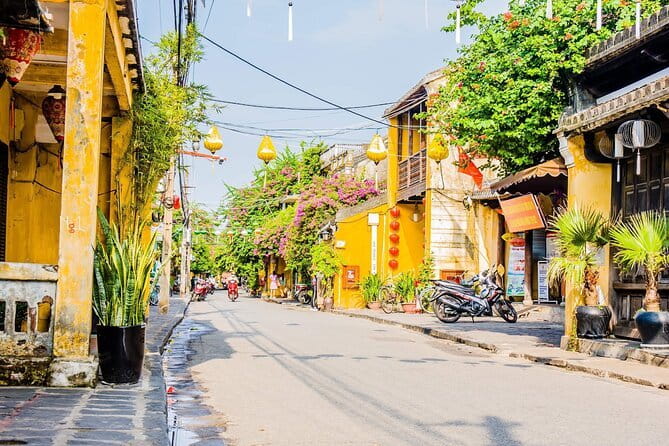
At around 10:00 AM, you start a 4 km trek toward Cham Stream. The pace is framed as manageable for most travelers, and it’s designed for a half-day itinerary. Still, it’s a trek: you’ll be walking through countryside paths, which means uneven footing and some effort.
The trek includes a short pause at a local home for regional hospitality. Tea and friendly conversation are often the centerpiece of this kind of stop, and it’s exactly the moment that makes the morning feel local instead of scenic-only. This is where you may get a better feel for how villagers live and what daily routines look like in this area.
One more reason I like trek + rafting together: it prevents the day from feeling like “one activity after another.” Your legs wake up on the trek, then the water portion becomes a natural reset.
If you’re traveling with kids or anyone who’s sensitive to walking, check your group’s comfort level. A 4 km walk isn’t extreme, but it is long enough that shoes and hydration matter.
Cham Stream bamboo rafting: calm water time, real scenery, no rushing

By around 10:45 AM, you arrive at Cham Stream for bamboo rafting. This is one of the tour’s core selling points: a guided float that pairs movement with scenery, plus you get a boat set-up built for the area.
Bamboo rafting also changes the feel of your day. Instead of walking past viewpoints, you drift. That drifting gives you time to look, listen, and talk—especially with a guide who can explain what you’re seeing along the route.
You’ll float past lush forested areas, rice paddies, and village settings as you go. Some past experiences also mention additional moments like animal feeding or quick local interactions, depending on timing and route flow. Even if those details vary, the rafting section is still the biggest “feel Pu Luong” portion of the itinerary.
If you want the practical side: you’ll be in water-adjacent conditions, so expect splashes. Bring a change of clothes if you can, and keep valuables secured.
Lunch on the boat: why this is better than just eating
Lunch is included, and it’s served as lunch on the boat. This is a big deal for value and for mood. Many short tours “include lunch” but it becomes a rushed, unrelated meal at the end. Here, eating is part of the experience.
When you’re mid-raft and still surrounded by the stream environment, lunch feels like a natural pause rather than a separate obligation. It also helps keep timing smooth: the day’s rhythm stays consistent from trek to rafting without you having to transfer to a restaurant and wait.
What to note: the tour includes bottled water on the tour, but drinks are not included beyond that. So if you prefer juice, soda, or coffee with your meal, plan to pay extra.
Food-wise, included lunch is a strong point because you avoid decision fatigue. For a short half-day tour at a set start time, not having to hunt for food is a real convenience.
Swimming time: fun if you’re prepared, optional if you’re not
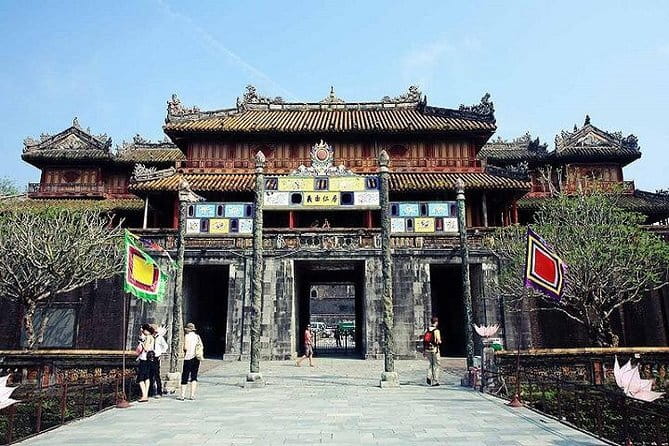
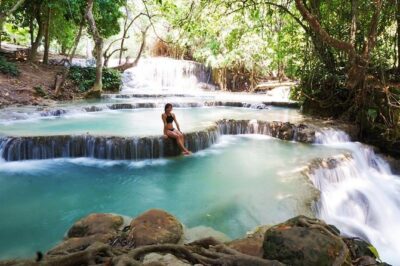
This experience includes swimming as part of the water segment. Some prior experiences specifically mention swimming at a waterfall area during the day, which suggests there can be a natural spot to cool off during the rafting portion.
That said, the key for you is preparation. If you like water activities, this can be the most memorable part of the morning. If you’re cautious around cold water or current, you can treat swimming as optional and focus on the rafting and scenery instead.
Practical items to bring:
- Swimwear you can wear under clothing (or quick-dry layers)
- A small towel or quick-dry cloth
- Water-friendly footwear if you have it
Also, keep in mind that you’ll be doing both walking and water time in the same half-day. A dry layer for the ride back can be a lifesaver, especially on humid days when you cool off.
English-speaking local guidance: where your questions get answered

What makes this tour feel “worth it” isn’t only the activities. It’s how the guide connects dots—people, plants, customs, and the meaning behind what you’re seeing.
Past experiences highlight guides who speak English very well and keep conversations going in a natural way. Some guides are described as fun, energetic, and full of details, including tips about local plants and everyday customs. That kind of guidance turns what could be a checklist morning into a story-driven walkthrough of village life.
If you care about learning, ask questions during transitions:
- How silk weaving fits into household life
- What the waterwheel is used for and how it affects farming
- What daily routines look like in the villages you pass
With a max group size of 12, you’re not competing with a crowd for attention. You’ll have enough time to ask and understand.
Price and value: $35 for transport, entries, lunch, and rafting
At $35 per person, this half-day tour can be a solid value—mainly because several expensive pieces are bundled together.
Included basics you’d otherwise pay for or arrange:
- Air-conditioned vehicle pickup/transfer
- Entry fees
- Guided tours with English-speaking local guides
- Bamboo rafting boat
- Lunch on the boat
- Bottled water on tour
Not included:
- Drinks (beyond the bottled water)
- Gratuities
- Personal expenses
For a short 4-hour morning, what helps is that you don’t have to coordinate multiple vendors. You get culture + activity + meal in one package, with built-in timing (8:30 start, back by around 12:15).
Booking demand can also be a factor. This tour is commonly booked about 29 days in advance, which usually means it doesn’t sit on the shelf for long. If you’re planning around a tight Vietnam schedule, I’d book earlier rather than gambling on last-minute availability.
Timing: how the day flows without feeling hectic
Here’s how the structure works in your favor:
- Morning drive to Lan and Chieu Lau areas
- Village experiences before you go out to the stream
- Trek to Cham Stream at about 10:00 AM
- Arrival for rafting around 10:45 AM
- Lunch during the float, then finishing close to 12:15 PM
That sequence matters because it keeps each part from feeling out of place. You don’t arrive at the stream too early and wait around. You don’t tackle the longest walking segment after lunch. Your energy stays aligned with the activities.
Also, since it ends back at the meeting point, you can plan the rest of your day with confidence.
What to bring for a comfort-first morning
Even though the tour is designed for most people, you’ll benefit from packing for a mixed day: walking, hands-on weaving, and water time.
Bring:
- Comfortable walking shoes (for the 4 km trek)
- A change of clothes (optional but smart)
- Sunscreen and a hat (you’ll be outdoors)
- Swim-ready basics if you want to use the swimming time
- A small waterproof pouch or zip bag for phone and small items
If you’re sensitive to sun or humidity, this is a morning where shade is limited. Your guide can help you pace, but you still want to arrive prepared.
Who should book this Pu Luong half-day?
This tour is a good fit if you:
- Want Pu Luong Nature Reserve without committing to a full day
- Like a mix of culture + active outdoors
- Enjoy small-group touring and conversational guiding
- Are comfortable with a short trek and some water activity
It may be less ideal if you:
- Want a super slow, long village hangout with lots of free time
- Don’t like any walking, even moderate walking
- Prefer meals off-site and sit-down restaurant time over lunch on a boat
For families, it can work well too. One of the strongest signals from past experiences is that it can be great with kids, because the day includes hands-on and water moments, not just sitting in a vehicle and taking pictures.
Should you book Pu Luong Amazing Trekking Village, Rafting, Swimming, Lunch on Boat?
I’d book it if you want one morning that feels genuinely Pu Luong: silk work, farming traditions with waterwheels, a real walk through the countryside, then drifting on Cham Stream with lunch included.
I would not book it if your top goal is maximum relaxation with no walking or if you need lots of time in each village. The tour is efficient by design, and efficiency is the point.
If you’re on the fence, here’s the decision shortcut:
- If you can handle a 4 km trek and you’re open to swimming, this is an easy yes for value.
- If you want a longer day or deeper village time, pair it with another Pu Luong experience later—or add an extra night in the area so you can slow down.
FAQ
What is the duration of the Pu Luong trek and rafting tour?
It runs for about 4 hours.
What time does the tour start?
Pickup starts at 8:30 AM.
Where do I meet for the tour?
You meet at Puluong Retreat, Thành Lâm, Bá Thước District, Thanh Hoa, Vietnam.
Do I need to arrange transportation to the sites?
No. An air-conditioned vehicle is included, and pickup is offered.
Is lunch included?
Yes. You get lunch on the boat.
Is bamboo rafting included?
Yes. The tour includes bamboo rafting along Cham Stream, with a boat provided.
Is swimming part of the experience?
Yes. Swimming is included as part of the tour.
Are entry fees included?
Yes. Entry fees are included.
How big is the group?
The maximum group size is 12 travelers.
What’s not included in the price?
Drinks, gratuities, and personal expenses are not included.
Can I cancel for a refund?
Yes. It offers free cancellation, and you can cancel up to 24 hours in advance for a full refund.