REVIEW · SA PA
Discover Sapa Trekking with optional Cultural Homestay
Book on GetYourGuide →Operated by Chan Giang · Bookable on GetYourGuide
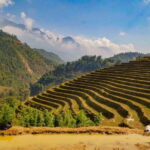
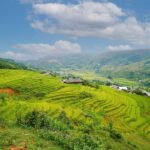
Rice terraces set the pace.
This 1-day Sapa trek links Y Linh Ho, Lao Chai, and Ta Van with a flexible route (5–11 km), plus the option for a cultural homestay to meet locals and see daily life up close. You’ll start in town at 9 AM, hike through classic rice-field scenery and village paths, then finish around 3 PM with transport back to Sapa so you can catch your bus to Hanoi.
Two things I genuinely like: the trip focuses on real village life, not just viewpoints, and the lunch is included at a local stop in the Lao Chai area. Second, your guide can tailor the day to your pace and questions, and English support makes it easier to understand what you’re seeing.
The main drawback to plan for is simple: you’re walking. Conditions can get muddy and slippery, so you’ll want proper shoes and rain gear, and the tour isn’t a match for people who want easy, flat strolling.
In This Review
- Key Points at a Glance
- Rice Terraces, Villages, and a Day That Actually Feels Local
- Meeting at Sapa Stone Church: When Your Day Starts
- Y Linh Ho Village Stop: Photos, Shops, and Village-Path Walking
- Lao Chai Lunch: A Real Break in the Middle of the Hike
- Ta Van Village at the End: Dzay Life and Time to Look Around
- Route Length and Difficulty: Pick Your Effort (5 to 11 km)
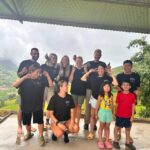
- The Guide Makes the Day: Chan Giang, Chan, Sung, and Vu
- Optional Cultural Homestay: What Changes When You Stay Overnight
- What to Bring for a Muddy, Mountain Day
- Value for $20: A Quick Reality Check
- Who Should Book This Trek (and Who Should Skip It)
- Should You Book It? My Simple Decision Checklist
- FAQ
- How long is the Sapa trek?
- What time does the trek start?
- Where does the tour start, and where does it end?
- How far will I walk?
- Is lunch included?
- Do I need to bring drinking water?
- Is the guide available in English?
- What if I need to cancel?
Key Points at a Glance
- Off-the-beaten village route connecting Y Linh Ho → Lao Chai → Ta Van
- Distance options (5–11 km) with difficulty levels so you can pick your effort
- Hmong and Dzay culture in daily context, not staged stops
- Included traditional lunch during the trek with mountain views
- English-speaking guide who adjusts the route to your pace
- Optional cultural homestay for an extra evening with a local family
Rice Terraces, Villages, and a Day That Actually Feels Local
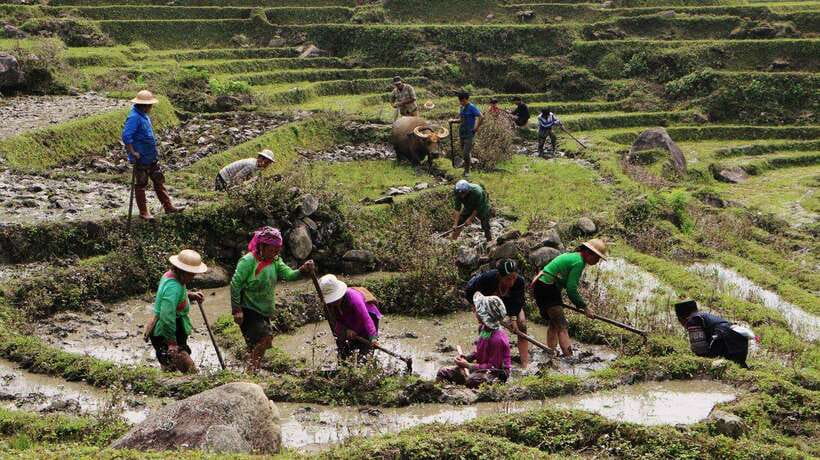
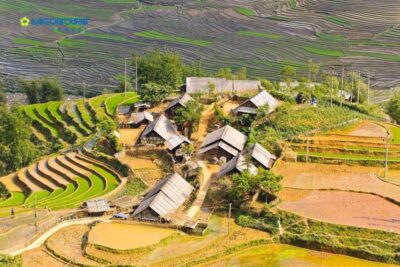
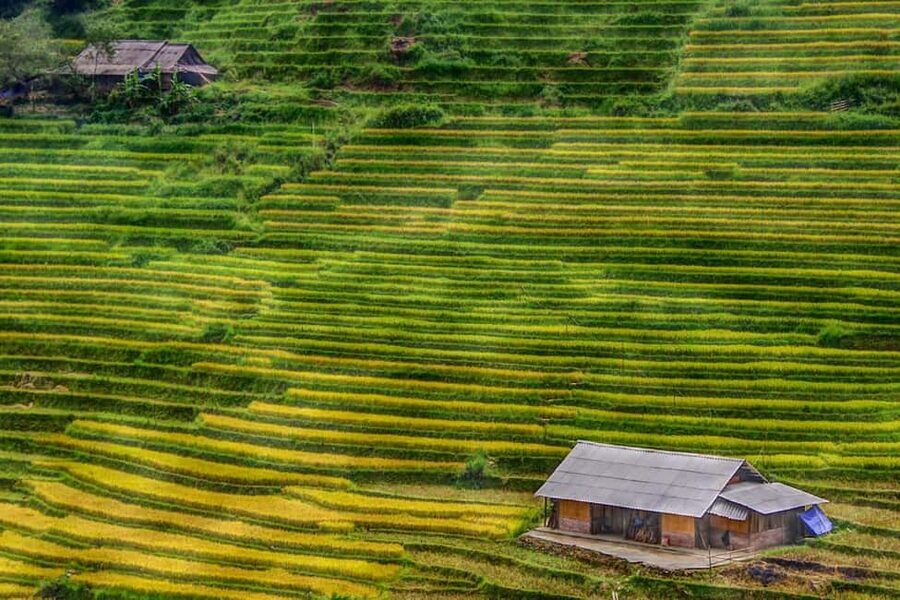
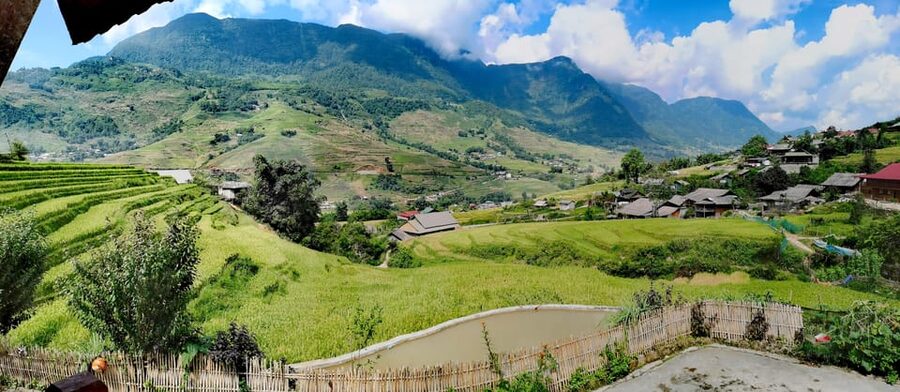
Sapa can turn into a photo line if you’re not careful. This experience keeps you moving through villages and field paths, where you’ll spend time in communities like Lao Chai and Ta Van instead of racing from one crowded viewpoint to the next. You come away with a better sense of how people farm, live, and celebrate—especially around rice season.
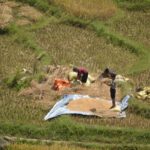
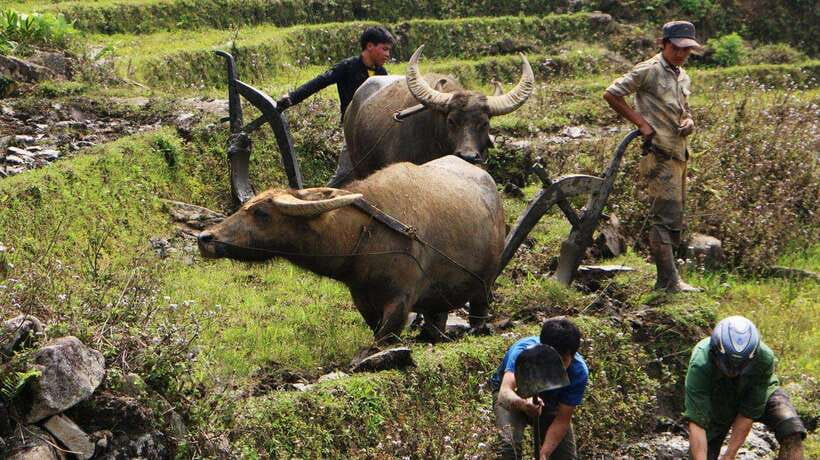
What makes it feel more authentic is the way the day is built around people’s routines. You’re not just looking at terraces; you’re walking the edges of daily life and learning what the land means for Hmong and Dzay communities. If you go during harvest season, you may see rice planting or harvesting at work, which makes the scenery feel alive rather than static.
You can also read our reviews of more tours and experiences in Sa Pa.
Meeting at Sapa Stone Church: When Your Day Starts
You begin at Sapa Stone Church with a 9 AM start. The tour meets you in Sapa town or at your hotel, but the stated meeting point is the church, so treat that as your anchor to avoid confusion. From there, you’ll head toward the first village area and settle into the walking rhythm.
Timing matters here. The trek window is long enough to feel like a real hike, but it’s still built so you can get back to Ta Van around 3 PM and return to Sapa with time for onward travel. That balance is great if you want Sapa culture without losing your whole day.
Y Linh Ho Village Stop: Photos, Shops, and Village-Path Walking
Your first village stop is Y Linh Ho (Bản Ý Linh Hồ). Expect a mix of guided explanation and time to look around: photo stops, guided touring, sightseeing walks, and a bit of local shopping. The route here is usually the first test of trail conditions, so I’d put your attention on footwear early.
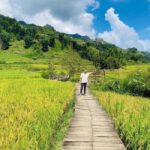
This stop is also where you’ll feel the contrast between “tourist Sapa” and the places where people live year-round. You’re walking off the main routes and along paths that connect homes, fields, and small community spaces. If you’re the type who likes asking questions, this is a good moment to slow down and listen.
Practical note: the Y Linh Ho stretch can get wet, especially outside dry season. Mud doesn’t ruin the day, but you’ll want shoes that grip, and you’ll appreciate rain gear when the air gets damp.
Lao Chai Lunch: A Real Break in the Middle of the Hike
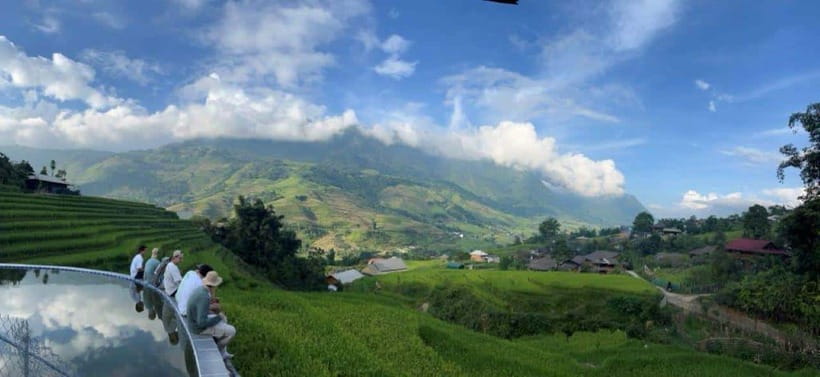
Then you head to Lao Chai village for lunch (about 1 hour). The tour includes lunch, served at a local Hmong family restaurant. Even when the main attraction is the walk, this is one of the parts that tends to make the day feel complete.
I like that lunch is built into the trek instead of tacked on at the end. It keeps you from racing, and it lets you rest while you’re still in the village setting. Based on what people say about the experience, the meals are good and the view from the lunch spot can be a highlight.
Also worth knowing: vegetarian options can be accommodated. If you eat vegetarian, mention it ahead of time so the guide can plan the right meal.
Ta Van Village at the End: Dzay Life and Time to Look Around
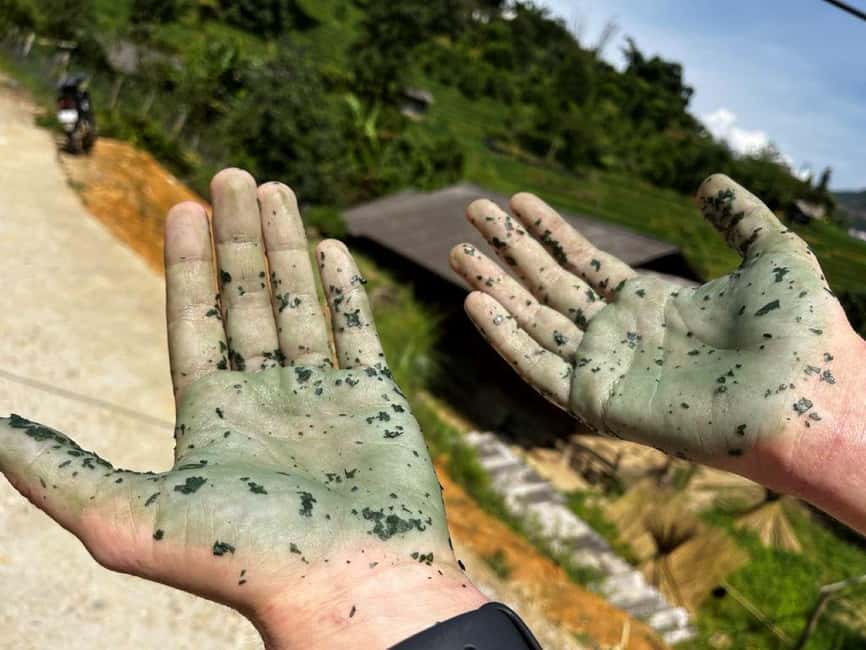
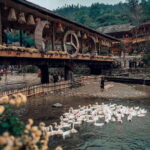
Your final village stop is Ta Van (about 1.5 hours). Expect guided touring, photo time, and a relaxed walk around the village area, plus another chance for local browsing. This is a strong finish because Ta Van has a calm rhythm that’s easy to absorb after hours of trekking.
It’s also where the cultural thread becomes clearer. Ta Van is home to the Dzay people, and the guide’s explanations can help you connect what you saw earlier in Lao Chai and Y Linh Ho to what you’re seeing here. You’ll still be moving, but the pace usually feels more conversational near the end.
After Ta Van, you’ll get transport back to Sapa. The goal is to return with enough margin to catch your Hanoi bus, so plan your evening timing around that.

Route Length and Difficulty: Pick Your Effort (5 to 11 km)
One of the best things about this tour format is that you’re not locked into a single level. Routes run about 5–11 km, with difficulty options from easier strolls to more challenging treks. In plain terms: choose shorter if you want more time for village talk and photos, choose longer if you want bigger legs and stronger views.
It’s still a hike, not a sightseeing stroll. People often describe parts as muddy or slippery, and the terrain can include steep or uneven sections. If you go for the longer option, you might encounter extra trail features such as bamboo bridges and waterfall crossings, which can turn a “regular trek” into a memorable set of moments.
If you’re worried about a tough scramble, you can take your cues from your guide on safer path choices. One smart tip from the field: when a steep section looks rough, ask whether there’s a route that avoids the worst scrambling. Staying upright is the win.
The Guide Makes the Day: Chan Giang, Chan, Sung, and Vu
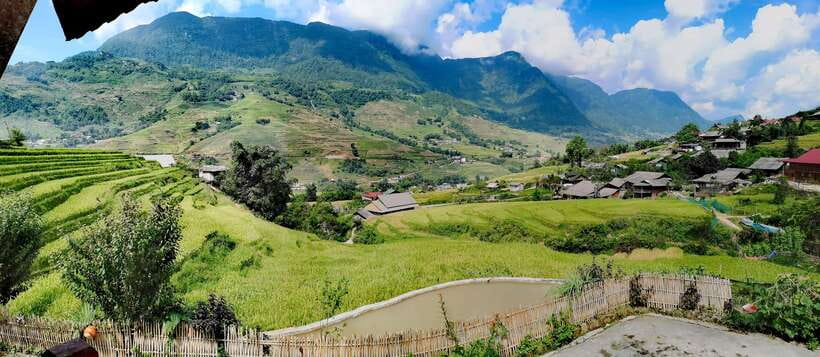
This experience shines when the guide is great at two things: explaining what you’re seeing and adjusting to your body. The local guide leader is Chan Giang, and the day’s guiding can include people like Chan, Sung, and Vu in the operator’s team. Names vary by departure, but the pattern stays the same: English is strong, and the guide pushes the conversation beyond facts on a sign.
Here’s what that means for you: you’ll get context for rice farming, ethnic traditions, and village life without feeling like you’re trapped in a lecture. Many people love the fact that the route is shaped around them—matching pace and comfort—so you aren’t left behind or dragged along.
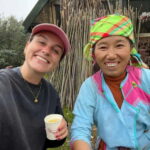
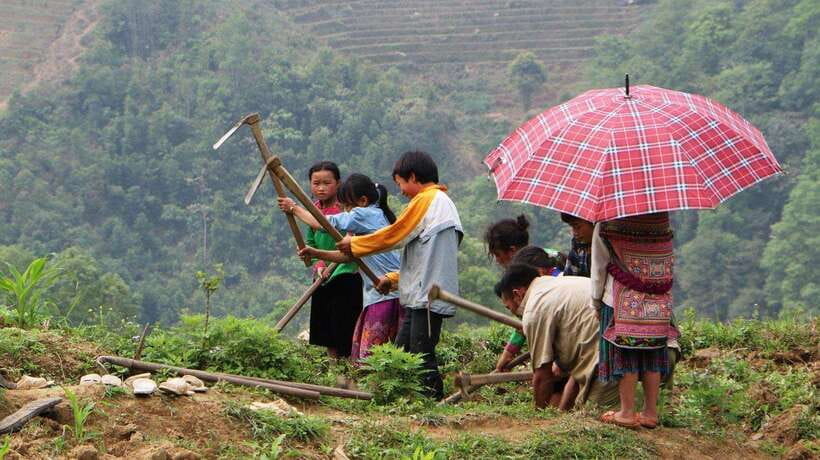
On wet days, a good guide also helps you read the ground. People describe getting support from local Hmong women and even children who help with footing when the trail gets slippery. That’s not just kindness; it’s part of how these communities move through daily outdoors work.
Optional Cultural Homestay: What Changes When You Stay Overnight
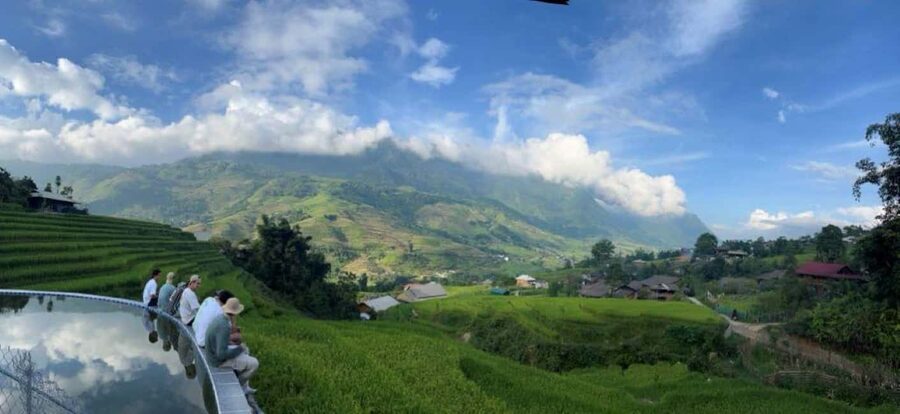
The homestay option is for when you want more than a morning-and-afternoon taste of village life. You’ll hike as usual, then you can extend the experience with a cultural homestay where you’ll enjoy warm hospitality and get a closer look into Hmong life.
The big difference is time. A day trek gives you a view of daily life. An overnight homestay gives you a chance to see how routines continue after the main tourist hours fade. If you like conversations, family-style sharing, and learning from everyday moments, the overnight option is where the experience deepens.
Just be aware of the tradeoff: staying overnight adds commitment, and you’ll want to pack like you’re spending the night, not just a day walk.
What to Bring for a Muddy, Mountain Day
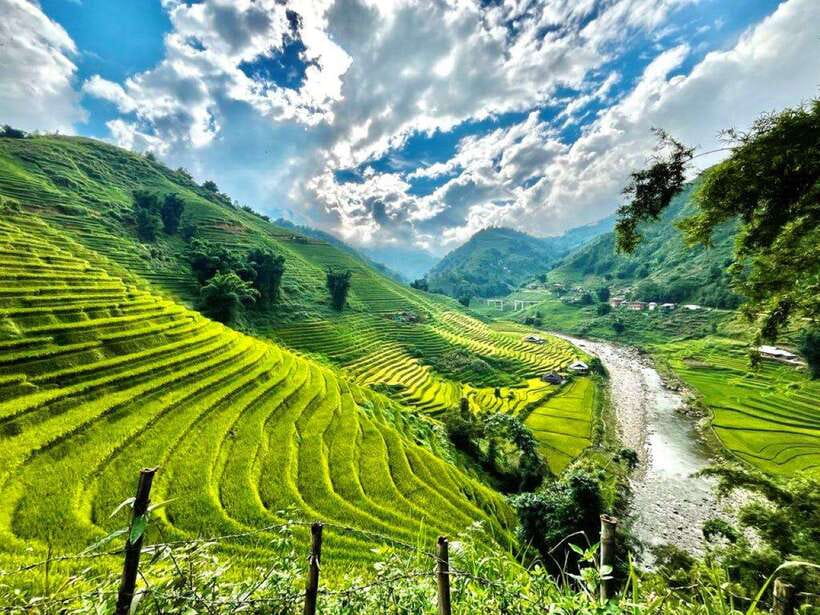
Your packing list here is practical, and I’d treat it as a baseline. Comfortable shoes are non-negotiable. Add trekking shoes or boots if you have them, plus rain gear because weather can shift fast in the hills.
From the tour guidance, bring:
- A sun hat, sunglasses, and sunscreen
- A camera and a charged smartphone
- Drinks (water is not included)
- Rain gear and a plan for mud
- Trekking gear if you use it
One small but important tip from real-world conditions: some starting points can include gumboots or extra footwear support when trails are especially wet. Even if you’re offered help, you’ll still benefit from having your own shoes that grip.
Value for $20: A Quick Reality Check
At $20 per person, the value is strongest when you compare what’s included versus what you need to supply yourself. You get a guided trek, lunch, and transport back to Sapa after the hike. That’s a lot for the price, especially because the guide’s job isn’t just route-leading; it’s cultural explanation and pacing.
What’s not included is also worth budgeting for:
- Drinks and water
- Pick up outside Sapa city
- Trekking shoes/boots
- Any extras you choose to buy while walking through village stops
So the best way to think about the price is this: you’re paying for an experience built around walking, local context, and food in the middle—not just a bus ride with a quick photo stop.
Who Should Book This Trek (and Who Should Skip It)
This is a great match if you:
- Want a less touristy route through real villages
- Like walking enough to feel a day of effort
- Care about culture and conversation, not just scenery photos
- Want English support with a local guide who can answer questions
Skip it if you have limitations listed by the operator. The activity is not suitable for people with heart problems or high blood pressure. It’s also not suitable for wheelchair users. The tour info also lists non-swimmers, people with lactose intolerance, and a few other medical or safety categories (like haemophilia or certain diving circumstances) as not suitable. If any of those apply to you, double-check with the operator before booking.
Should You Book It? My Simple Decision Checklist
Book this tour if you want a full day’s worth of Sapa that feels grounded in community life: rice terraces, village paths, included lunch, and a guide who can explain what you’re seeing in clear English. The optional cultural homestay is a smart upgrade if you want to spend more time learning from the same families instead of just passing through.
Don’t book it if you’re looking for an easy sit-and-watch experience, or if muddy hills and longer walking time will be a problem. Bring the right shoes, set realistic expectations for trekking effort, and you’ll get one of the best values in Sapa for cultural learning plus real hiking.
FAQ
How long is the Sapa trek?
The trek is about 5.5 hours.
What time does the trek start?
The journey begins at 9 AM.
Where does the tour start, and where does it end?
It starts at Sapa Stone Church and ends back at the meeting point (with transport back to Sapa included after the trek).
How far will I walk?
Routes are available in a range of about 5–11 km, depending on the route and difficulty level you choose.
Is lunch included?
Yes. Lunch is included, and it’s served at a local stop in the Lao Chai area.
Do I need to bring drinking water?
Yes. Drinks and water are not included, so you’ll want to bring them.
Is the guide available in English?
Yes. The tour includes a live guide who speaks English.
What if I need to cancel?
You can cancel up to 24 hours in advance for a full refund.