REVIEW · MARRAKECH
Trekking in Morocco / Toubkal Ascent 2 Days (Summer)
Book on Viator →Operated by Trekking in Morocco · Bookable on Viator
That first summit day is the whole point. This 2-day Toubkal climb is a practical way to hit North Africa’s highest peak (4167m) without wrestling tents, logistics, or route-planning. You start near Imlil (1740m), spend the first night at the Neltner Refuge area (3207m), then wake up early for the push to the top.
I especially like how much the operator handles: transport from Marrakech, dinner/breakfast, a local guide, and even mules to carry food and bags. The other big win is the pace that’s built around real conditions—some people handle altitude better than others, and the guides are used to adjusting for that, including helping with altitude issues (I saw this in multiple guide-focused comments, including help from Hassan Toudaoui).
The main thing to consider is simple: day 2 is a long day—10 to 12 hours of walking with early starts and a high-altitude summit. If you’re not used to steep hikes or you’re worried about altitude, this is the part you should think through first.
In This Review
- Key things I’d bet on before you go
- Why This 2-Day Toubkal Ascent From Imlil Works in Summer
- The practical target: a real summit, not a sightseeing walk
- Getting to Imlil and the First Climb Toward Neltner Refuge
- Refuge night: plan for cold, even in summer
- Night at the Refuge or Tent: What 3200m Feels Like
- How to make the night work for you
- Summit Morning to Toubkal Peak: Timing, Pace, and Weather Reality
- The summit experience is short by design
- When weather changes your plan
- Guides, Mules, and Meals: Why This Feels Safe and Low-Friction
- What that means for you on the trail
- What to Pack for a Summer Toubkal Trek (and What You Can Rent)
- Age and fitness expectations
- Marrakech Pickup, Small-Group Energy, and the Human Side of the Hike
- Price and Value: Is $174.49 for Two Days Actually Fair?
- Who Should Book This Toubkal Summer Trek (and Who Should Skip It)
- Should You Book This Toubkal Summer Trek?
- FAQ
- What time does the trek start?
- How long is the trek?
- Where do we sleep during the trek?
- What’s included in the price?
- What do I need to bring?
- Is there free cancellation?
Key things I’d bet on before you go
- Small group size (max 15): more personal guiding and less waiting around.
- Mules carry your stuff: you hike with less weight than you would on a DIY trek.
- Day-1 to Day-2 altitude gain: you sleep around 3200m, then go for the 4167m summit early.
- Summit time depends on weather: you typically get about 30 minutes at the top when conditions cooperate.
- Food and lodging included: dinner, breakfast, and refuge/tent accommodation are handled for you.
- Guides like Hassan and the team: multiple comments highlight supportive, experienced guidance (Hassan Toudaoui, Mohamed the cook, and Mohamed Toudoui).
Why This 2-Day Toubkal Ascent From Imlil Works in Summer
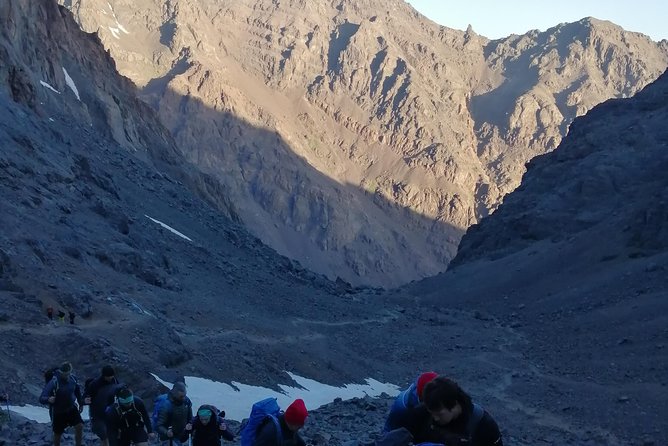
Toubkal is one of those climbs that sounds heroic on a postcard and then proves real in your legs. In summer, the big difference is that days can be warmer, but mornings and evenings at altitude still bite. This trek is built around that reality: you do the altitude step-by-step, then go for the summit early, when the mountain is calm and your body is fresher.
What makes this itinerary feel workable is that you’re not trying to “figure out” Morocco from scratch. A guide sorts the route, the logistics, and the flow of the group. You show up, hike, eat, and sleep. That’s not flashy, but it’s exactly how you want your first Toubkal experience to go.
Also, this is a good option if you want a challenge without it turning into a multi-week expedition. Two days is intense, but it’s the shortest version of the classic Toubkal story. If you want the mountain and don’t want to lose half your vacation to camp-building, this style fits.
You can also read our reviews of more tours and experiences in Marrakech.

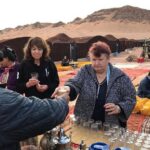
The practical target: a real summit, not a sightseeing walk
The goal here is not “nice views and photos.” It’s earning the summit. You’ll spend a chunk of the day walking, and you’ll feel that altitude once you’re up high enough. Plan for that mental shift. When you do, the experience becomes satisfying in a very direct way: top of the peak, down to lunch, back to Imlil.
Getting to Imlil and the First Climb Toward Neltner Refuge
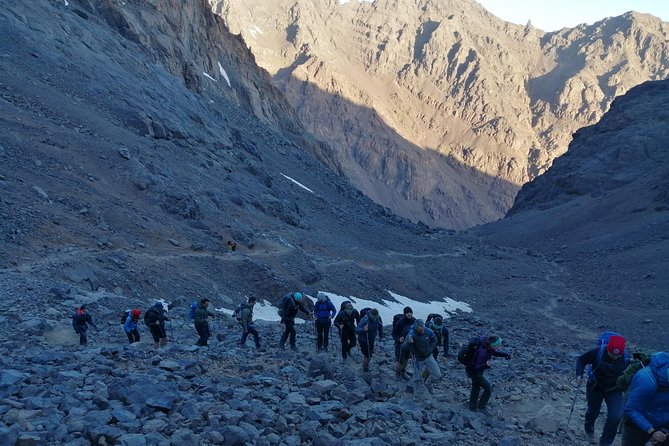
Day 1 starts with a pickup around 8:30am. From there, you’re headed to Imlil (1740m), the common launch point for Toubkal treks. You’re not wasting time on transfers once the hike begins, which matters because your summit day is so time-critical.
The walk on day 1 is about 5 hours 30 minutes toward the Neltner Refuge at 3207m. That’s a big altitude change in one day, so it’s also the first real test of your hiking rhythm. The good news: your guide chooses the best route for the group and keeps you moving safely.
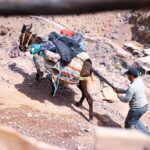
You’ll also have mules for carrying supplies and baggage, which is a quiet lifesaver. Without mules, you’d likely hike with a heavier pack, spend more energy managing it, and fatigue faster—especially at altitude. With the mule support, you can focus on your footing and breathing.
Refuge night: plan for cold, even in summer
At the end of day 1, you’ll sleep at the refuge itself or in a tent, depending on conditions. The exact setup varies, but the altitude doesn’t. At around 3200m, expect temperature swings. Even if the daytime feels pleasant, nights can get chilly fast.
What you’re aiming for on this night is not comfort. It’s recovery. Sleep, eat, and try not to overthink the summit morning. If you’re the type who starts worrying at 9pm, try turning that worry into a checklist: water, layers, and a calm start.
Night at the Refuge or Tent: What 3200m Feels Like
This is where you learn the difference between “I can hike” and “I can hike at altitude.” The first time you feel the thin air, it’s not dramatic like a movie. It’s more like your body asks for a slightly slower pace than your brain wants to give.
Multiple comments in the available feedback point to guides who handle altitude issues thoughtfully—one highlight included help for altitude sickness, with guides knowing what to do and keeping encouragement going. That matters because altitude discomfort can show up even for fit people.
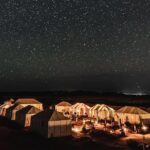
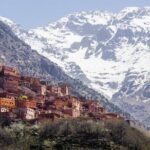
How to make the night work for you
You can’t control the altitude, but you can control your behavior:
- Keep your effort steady on day 1 so you arrive at the refuge without burning out.
- Dress in layers. Bring warm clothing and a hat; nights at 3200m can surprise you.
- If you’re renting gear, do it before you reach the mountain. Don’t wait until you’re already committed on the trail.
In terms of included comfort, you get dinner and breakfast, plus accommodation at the refuge or tents. Drinks are not included, so if you have preferences, that’s something to keep in mind.
Summit Morning to Toubkal Peak: Timing, Pace, and Weather Reality
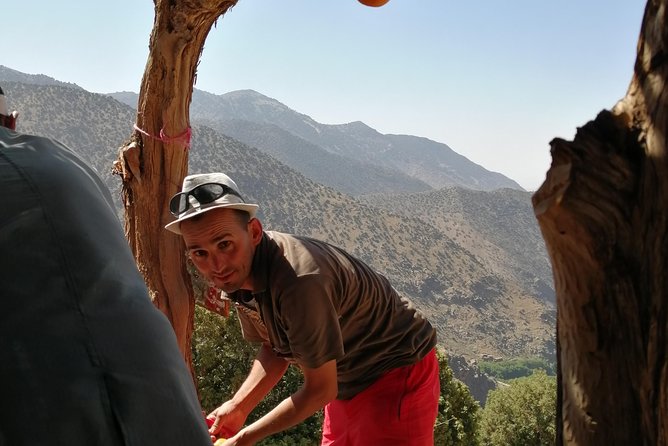
Day 2 is the payoff. You start early, hike to the top at 4167m, and then descend back down to the refuge for lunch before finishing in Imlil.
The walking time is 10 to 12 hours total. That’s long enough that it can feel like two hikes stitched together—one to the summit and one to recover your legs on the way down. You’ll want to keep your pace controlled early, because pushing hard on the ascent usually costs you on the descent.
The summit experience is short by design
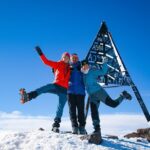
You won’t hang around at the top all day. Typically you get around 30 minutes at the summit, and the rest of the time is walking and managing energy. That short summit window is part of the rhythm: go early, enjoy the view, then get moving while you still have good stamina.
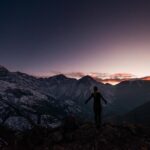
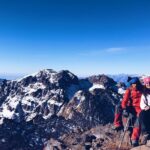
The views are the reason people come: the Atlas Mountains, and on clear days, the surrounding desert environment. Even if weather changes the exact look, you’ll get that big “wow, we’re high” feeling when the terrain opens up.
When weather changes your plan
Toubkal is weather-sensitive. In practical terms, that means the summit attempt depends on conditions, and the guide may adjust the day if things aren’t safe. One set of comments described having to turn back due to bad weather. The takeaway for you is to bring a mindset that prizes flexibility: this is a mountain first, not a scripted checklist.
Guides, Mules, and Meals: Why This Feels Safe and Low-Friction
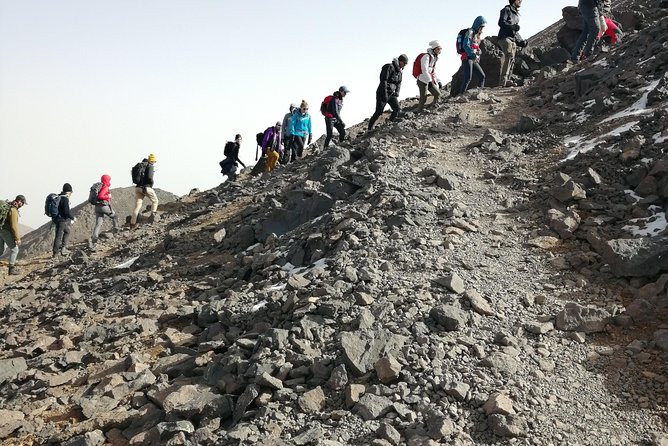
One reason I like operator-led treks in Morocco is that the work disappears from your hands. Here, you’re getting a local guide, plus mule support for your bags and food, and meals included (dinner and breakfast, plus lunch twice according to the inclusions list).
In the feedback you can see real names tied to the experience:
- Hassan Toudaoui is mentioned for being helpful, answering questions, and keeping the climb manageable.
- Mohamed Toudaoui (the owner) comes up along with guidance and coordination.
- Mohamed is mentioned as the cook, which tells you the food logistics are taken seriously, not improvised.
What that means for you on the trail
When guides handle the route and timing, you stop guessing and start hiking. When mules handle the heavy work, you stop hauling unnecessary weight. When meals are included, you’re not constantly budgeting for small things while your energy is already under pressure.
If you’re planning this trek as your first Moroccan mountain experience, this approach reduces the stress that can otherwise drain the fun.
What to Pack for a Summer Toubkal Trek (and What You Can Rent)
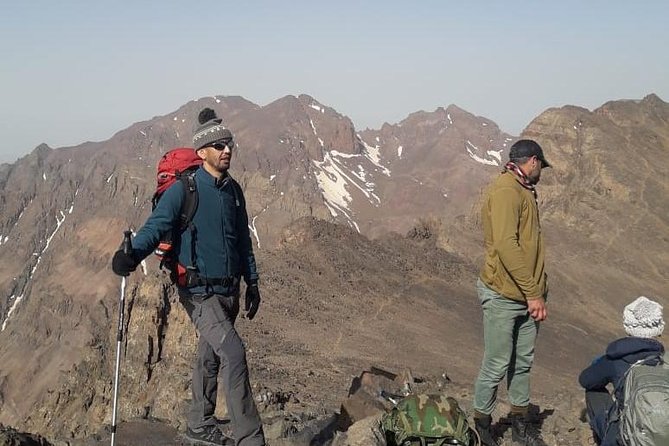
The tour asks you to bring a serious set of trekking items because day 2 climbs high, and nights are cold at altitude. You’ll want:
- Walking boots
- Jackets and warm clothing
- Gloves and a hat
- Sun protection: sunscreen and sunglasses
- Down jacket
- Head torch
- First aid kit
- Sleeping bag
Some gear can be rented in an equipment shop if you don’t want to carry everything. That can be useful if you’re flying in from somewhere with limited luggage space.
A quick reality check: even in summer, plan for temperature swings. Think: warm in the sun, cold in the shade, and colder after you stop walking.
Age and fitness expectations
This trek is described as great for people over age 14, with a hiking component you should take seriously. You’re also told to have moderate physical fitness. If you’re already hiking regularly, you’ll likely feel challenged but not overwhelmed. If you’ve mostly done flat city walks, start training now.
Marrakech Pickup, Small-Group Energy, and the Human Side of the Hike
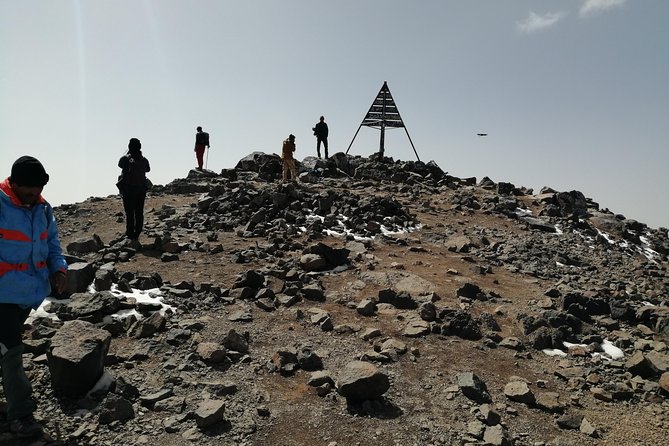
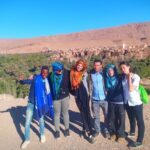
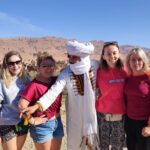
Even if the mountain is the headline, the social piece matters on a 2-day climb. A maximum of 15 travelers keeps the group small enough for real conversation and group support, without turning into a crowded bus in hiking boots.
You’ll also likely meet people who have different reasons for coming: a personal milestone, a first summit, or a bucket-list moment. That shared effort turns into a kind of quick camaraderie. The “two days together” format is short enough that it stays friendly rather than forced.
And yes, there’s something reassuring about knowing your transport is handled. Round-trip transfer means you’re not stuck negotiating rides after a long day.
Price and Value: Is $174.49 for Two Days Actually Fair?
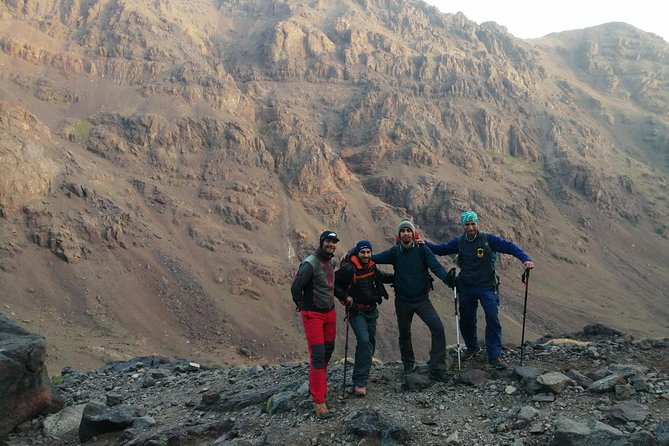
At $174.49 per person, you’re paying for a package that includes the parts that usually cost time and energy if you DIY it: transport from and back to Marrakech, a local guide, mule support, refuge/tent accommodation, and meals (dinner and breakfast, plus lunches listed in the inclusions).
You’re not paying for luxury. Drinks aren’t included, and tips are not included. But the big-ticket practical items are covered. For many people, that’s the real value: you trade money for planning time, safety support, and a smoother experience.
The best way to judge value is to compare this to what you’d spend and what you’d have to arrange yourself: transport, guide time, mule use, and where to sleep. If you’re traveling on a schedule and you want a clear start and finish, a guided package like this often ends up being the cheaper option in time—even if the raw dollar amount looks “small” compared to some luxury tours.
Who Should Book This Toubkal Summer Trek (and Who Should Skip It)
This trek fits you if:
- You want a challenge but not a long expedition.
- You’re comfortable with long hiking days and steep terrain.
- You prefer a small group and a guide-led plan.
- You’d rather show up with boots and layers than organize tents, routes, and mule logistics.
You might rethink if:
- You’re very concerned about altitude and you’re not used to high-elevation hiking.
- You struggle with stamina on long days (remember: 10–12 hours on day 2).
- You don’t want to carry the required gear and you also don’t plan to rent what you’re missing.
Should You Book This Toubkal Summer Trek?
If your goal is a real, big-mountain summit experience without turning your trip into a logistics project, I’d say yes. The inclusions are strong for the money—guide, meals, refuge/tent, mules, and Marrakech transport—and the summit plan is built around a doable schedule: early start, short summit window, then descent for lunch and a return to Imlil.
Book it if you’re ready to work for that view and you can handle a long day on your feet. Consider it carefully if altitude anxiety or endurance is your weak spot—but don’t assume you’re locked out. The guidance and pacing approach (including help mentioned for altitude issues) is a big part of why this trek is more manageable than DIY.
FAQ
What time does the trek start?
The start time is 8:30am.
How long is the trek?
It’s a 2-day trek with about 5 hours 30 minutes hiking on day 1 and 10 to 12 hours of walking on day 2.
Where do we sleep during the trek?
You’ll stay at the refuge or in tents around the Neltner Refuge area (3207m) on day 1.
What’s included in the price?
Included are dinner, breakfast, transport from and back to Marrakech, a local guide, accommodation at refuge or tents, mule to carry bags and food, and lunch (2).
What do I need to bring?
Bring a sleeping bag, walking boots, jackets, warm clothes, hats, sunscreen, sunglasses, gloves, down jacket, head torch, and a first aid kit. Some equipment can be rented.
Is there free cancellation?
Yes. Free cancellation is available if you cancel up to 24 hours in advance for a full refund.
If you tell me your hiking background (how many days you’ve hiked in the last year, and whether you’ve done altitude before), I can help you gauge whether this 2-day format will feel like a fun challenge or a slog.