REVIEW · KATHMANDU
Everest Base Camp Trekking
Book on Viator →Operated by Trek Mania Nepal · Bookable on Viator
Everest is close enough to feel. I love the payoff of Kala Patthar for that summit-scale panorama, and I also like how the trek explains Sherpa life through stops like the Sherpa Culture Museum and Tengboche. The main drawback to plan around is weather and altitude: Lukla flights can be unpredictable, and this trek asks you to take acclimatization seriously.
This is built as a private, guided experience with real support—licensed guide, permits, lodge stays, and most meals included—so you can focus on walking, breathing, and soaking in the mountains. If you want a classic Everest Base Camp route with a sensible pace and a strong sense of place, this one fits well.
In This Review
- Key points before you go
- Everest Base Camp Trek: why it grabs you by the heart
- Price and value: what $1,300 covers (and what it doesn’t)
- Getting there right: Kathmandu to Lukla via Ramechhap
- Days 1–3: Phakding, Namche Bazaar, and acclimatization that actually helps
- Days 4–7: Tengboche, Dingboche, Lobuche—monasteries and thin-air discipline
- Days 8–9: Gorak Shep, Kala Patthar, then Everest Base Camp
- Days 10–12: the descent to Namche, Lukla flights, and Thamel time
- Who this trek is best for (and who should think twice)
- Should you book this Everest Base Camp trek?
- FAQ
- What months are best for this Everest Base Camp trek?
- How long is the Everest Base Camp trekking experience?
- Is pickup available, and is this a private tour?
- What’s included in the price besides the guide?
- What should I budget for that is not included?
- If flights or dates are affected by weather, what happens?
Key points before you go
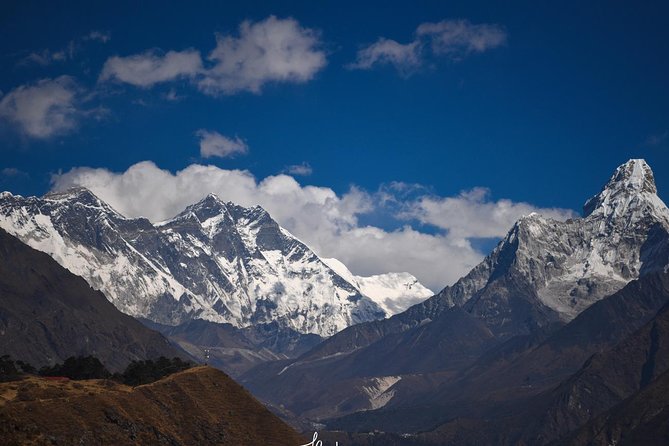
- Kala Patthar around 5,550–5,600m for one of the clearest summit views in the region
- Sherpa Culture Museum + Tengboche Monastery add meaning beyond the photos
- Private guide and licensed leadership with porter support mentioned in feedback (Moti/Lakbar appear often)
- Sagarmatha National Park permit + local tax included, so you’re not chasing paperwork
- Meals, hotel in Kathmandu, and gear rental reduce the usual scramble
- Lukla flight weather risk is real, so flexibility matters
Everest Base Camp Trek: why it grabs you by the heart
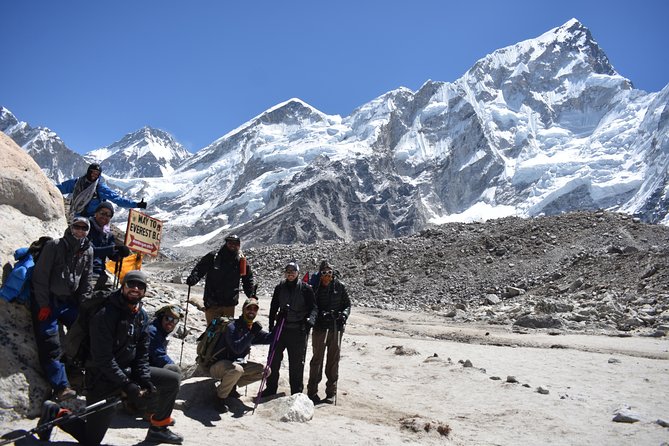
Everest Base Camp is one of those goals that feels famous for a reason. But what makes this route work is the mix of raw altitude effort and small, human moments that keep showing up. You’ll walk through Sherpa villages and prayer markers, cross suspension bridges, and pass working spots like mani walls and water-powered prayer wheels. Then, when you finally stand near the Khumbu Icefall area, the scale lands in a way that’s hard to explain until you’re there.
I also like the way the itinerary builds understanding as you go. You’re not just hiking toward a view. You’re also learning what the mountains mean locally—especially with cultural stops in Namche Bazaar and at Tengboche Monastery. That context makes the whole experience feel more grounded.
One practical note: even with a smooth schedule, this trek is still high-altitude walking. Your comfort depends on how well you follow the acclimatization days and take the climbs step-by-step.
You can also read our reviews of more tours and experiences in Kathmandu.
Price and value: what $1,300 covers (and what it doesn’t)
At $1,300 per person, the big question is value. Here’s what you’re getting that usually costs extra on Everest-style treks:
Included value highlights
- Domestic flights Kathmandu → Lukla → Kathmandu (as listed in the plan)
- Private transportation in Kathmandu-area transfers
- Permits: Sagarmatha National Park permit and the Khumbhu Pasang Lhamu Rural Municipality tax
- Licensed guide (government-licensed)
- Accommodation during the trek plus a hotel in Kathmandu
- Meals (12 breakfasts, 12 lunches, 12 dinners)
- Trekking gear rental basics: duffle bag, sleeping bag, down jacket (returned after the trek)
This is a lot of the stuff that can quietly inflate the true cost of a trek. By rolling it in, you can budget more calmly and spend your time preparing for the climb instead of sourcing gear and permits last minute.
What’s not included (so you don’t get surprised)
- Drinks (you’ll pay for those on the trail)
- Extra nights and extra meals if your schedule changes
- Personal expenses like laundry and charging electronics
- Travel insurance / rescue costs
- Airport/departure tax, Nepal visa, and international airfare
- Hot & cold shower (not included)
- Tips for your guide
If you’re already budgeting for insurance and you’re okay with paying for drinks on the trail, the $1,300 feels more like a “covered package” than a starting price.
Getting there right: Kathmandu to Lukla via Ramechhap
The trek’s first reality check happens before your boots even hit dirt. You’ll travel from Kathmandu to Ramechhap by road (about five hours). Ramechhap is used as an alternative gateway during peak seasons, which matters because it can reduce pressure on the usual flight flow.
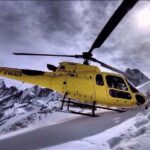
Then you’ll connect via flight—moving through Lukla’s famously short, high runway environment. The plan specifically calls out that weather can make flights unpredictable. That’s not just a dramatic detail; it affects pacing and sometimes which day you start hiking.
Why I think this route is still a good value
- The tour includes the flight segments and the transfers, so you’re not left trying to coordinate logistics at the last moment.
- You’ll have a guide to help translate delays and shifts into an actual workable plan.
What you should do
- Pack for possible changes. You can’t control mountain weather, but you can control how calmly you react when plans adjust.
Days 1–3: Phakding, Namche Bazaar, and acclimatization that actually helps
Day 1: Ramechhap → Lukla → Phakding
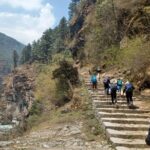
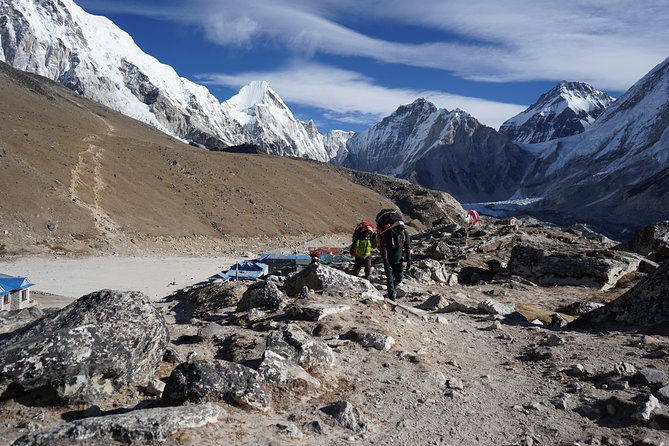
You’ll start with the road trip up to Ramechhap early, then fly onward and hike into Phakding. The trail from Lukla is a gentle entry: farmland, Sherpa villages, suspension bridges, and Buddhist prayer elements like mani stones. Phakding sits by the Dudh Koshi River, which makes the first day feel like a real warm-up rather than a sudden altitude shock.
Day 2: Phakding up to Namche Bazaar
This is one of your first big climbs. You’ll pass through Monjo, where the Sagarmatha National Park entrance check happens. The trail stays relatively scenic and not overly technical, with pine forests, small Sherpa settlements, and waterfalls along the way.
After Monjo, you’ll go to Jorsale, then push up to Namche Bazaar. The final segment is demanding and includes a famous high suspension bridge crossing the confluence of the Dudh Koshi and Bhote Koshi rivers. Mid-ascent, you may catch your first clear glimpse of Everest, along with Lhotse and Nuptse—that’s the moment that reminds you why you’re here.
Day 3: Namche acclimatization + optional hikes
Acclimatization days are where people either respect the process—or rush it and pay later. This day is clearly built for slowing down.
You’ll explore Namche Bazaar (it’s described as a historic trading hub) and visit the Sherpa Culture Museum. I like this stop because it gives meaning to what you’re seeing: tools, clothing, mountaineering history, and the Sherpa connection to the mountains.
You also have side-hike options from the Namche area:
- A hike toward the Hotel Everest View area for big panoramic views
- A walk to Khumjung and Khunde, including monasteries and local village life
One more thing I appreciate: in feedback, guides like Moti and Ram show up repeatedly and get credited not only for safety and organization, but also for mood and motivation. On Day 3, that matters because a good acclimatization day is part body work, part mental work.
Days 4–7: Tengboche, Dingboche, Lobuche—monasteries and thin-air discipline
Day 4: Phunki Thanga → Tengboche
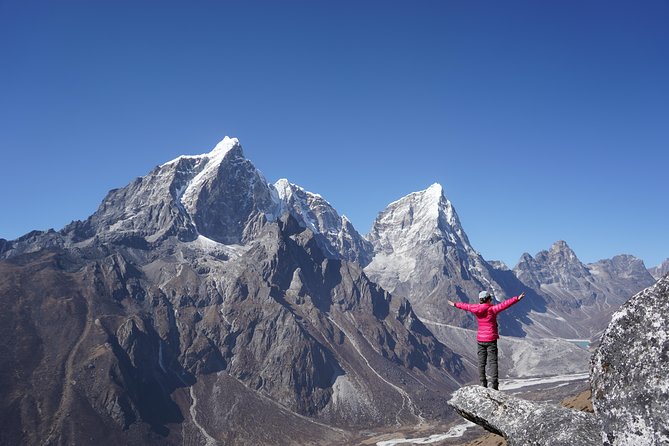
After leaving Namche, you’ll walk through rhododendron and pine forest before reaching Phunki Thanga, tied to the Tenzing Norgay Sherpa and Edmund Hillary legacy. From there, you get a strong viewpoint set—Ama Dablam, Lhotse Shar, Taboche, Kangtega, and Thamserku are called out.
You then pause near the line of seven water-powered prayer wheels. That’s one of those details that feels small until you realize how much spiritual life is wrapped into daily paths here.
Later you’ll reach Tengboche, the spiritual centerpiece. Visiting Tengboche Monastery is a highlight on this route because it’s described as the largest and most significant monastery in the Everest region. Even if you’re not religious, it’s a calm checkpoint that breaks up the physical grind.
Day 5: toward Dingboche
Early on, you’ll attend morning prayer ceremonies at Tengboche, then continue through areas like Deboche. The itinerary points out Ama Dablam views along the way and passes a trail with big rock shelters that historically protected porters and ponies before lodges existed.
You arrive at Dingboche, which is a classic high-altitude village stop on the Everest timeline. The air feels different here, and the walking rhythm becomes more about steady effort.
Day 6: Dingboche acclimatization moment
Day 6 stays around Dingboche. The focus is on a stone wall stretching along fields, explained as something that grew from farmers piling rocks during fieldwork. It’s a reminder that this region isn’t just for trekking—it’s lived in.
This is the kind of quiet stop that helps your body adapt. It also gives you time to notice how daily life changes with altitude.
Day 7: Dingboche → Lobuche
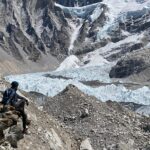
You’ll walk mostly along the moraine, reaching places like Dughla before continuing to Lobuche. The itinerary notes views can be hazy, which is normal here. Even if the mountain is hiding, the day still feels dramatic because you’re walking through glacial-shaped terrain.
The consideration: altitude walking is never just one thing. Even if the trail is “mostly along” a route, your breathing changes everything. Plan on slow steps and frequent check-ins with your guide.
Days 8–9: Gorak Shep, Kala Patthar, then Everest Base Camp
Day 8: Gorak Shep and Kala Patthar
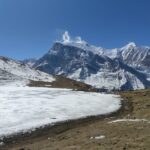
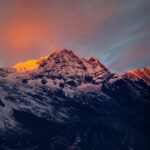
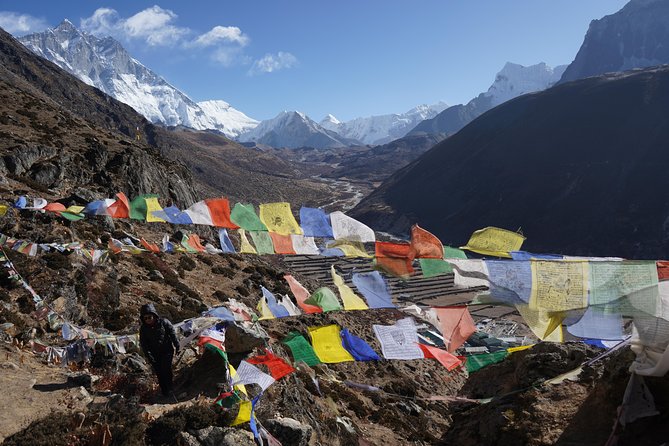
You start early with a trek from Lobuche to Gorak Shep. The description is clear: a desolate, glacially shaped area, thin air, and a sense that each step costs more than it did lower down. You’re still chasing views, with Pumori, Nuptse, and hints of Everest appearing through the distance.
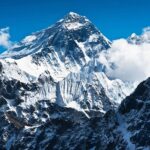
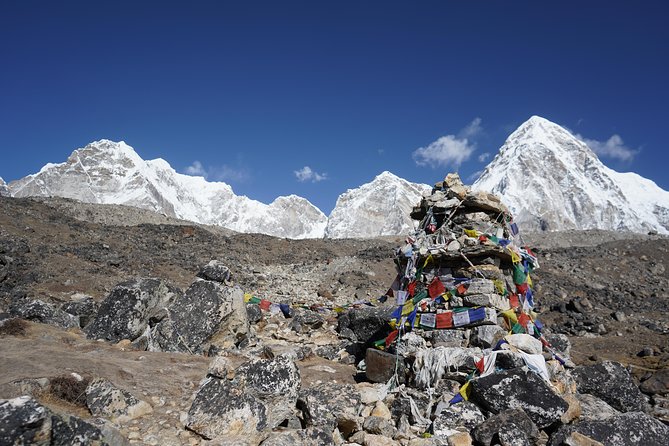
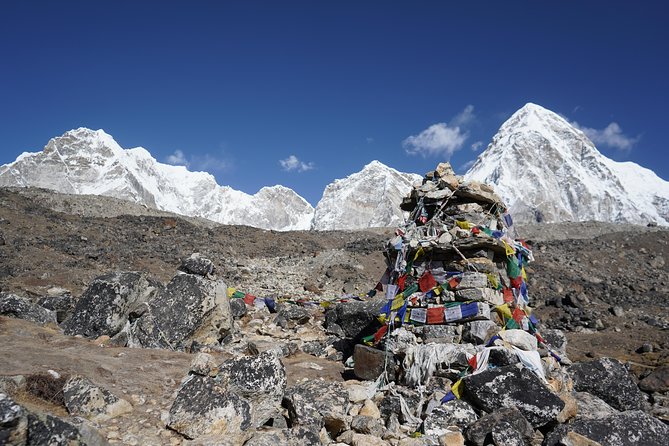
Then comes Kala Patthar at about 5,550m (rounded in some places to 5,600m). This climb is described as steep and steady over loose rock and dusty switchbacks. What you’re aiming for is direct visibility and a famous 360-degree panorama—Everest dominated, with Lhotse, Nuptse, Pumori, and Ama Dablam around you. From Base Camp itself, the summit isn’t directly visible; Kala Patthar is the trade that makes the summit-view possible.
Practical tip
- Start slowly and keep your pace “boring.” Kala Patthar punishes fast hiking because it forces your breathing to spike.
Day 9: toward Everest Base Camp
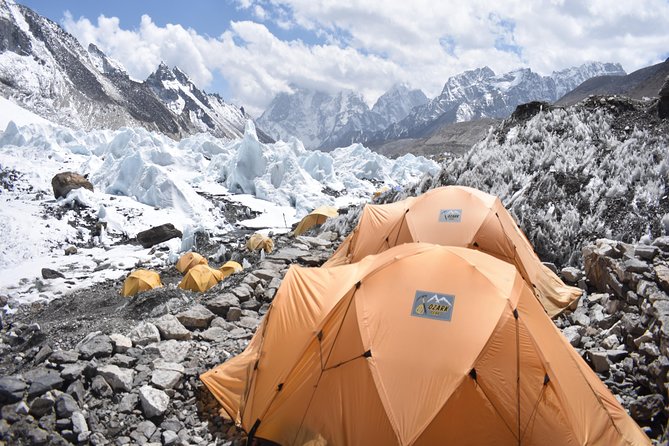
You’ll wake early and head out for Everest Base Camp (5,364m). The plan calls out slippery sections and narrow snow bluffs, so your footing matters. Once you reach Base Camp, the emotional payoff is described as unmatched—standing near the Khumbu Icefall, with expedition tents filling the glacier during climbing season.
There’s also an important reality: you don’t always see the summit from Base Camp. But the huge presence of ice, the scale of the route, and the historic significance make the moment feel monumental anyway.
In feedback, the most praised “human” support shows up here. People credited guides like Moti, Bhim, Ram, and Him for keeping trekkers calm and motivated. That’s exactly what you need on Day 9, when your brain wants to rush and your body needs steady control.
Days 10–12: the descent to Namche, Lukla flights, and Thamel time
Day 10: Tengboche → Namche Bazaar
You return via Tengboche and then down to Namche Bazaar. The itinerary describes a gentle descent through wooded paths and small Sherpa villages. This is easier than the climb days, but it still takes care—descents can strain knees if you go too fast.
Day 11: Namche → Lukla
Another long walking day returns you to Lukla. Your goal is to arrive with enough energy for the flight back, since weather can still play a role.
Day 12: Lukla → Kathmandu, then Thamel
Finally you fly back to Kathmandu and head for shopping time around Thamel. The trek ends, but you’ll likely feel like you’re still in mountain mode—sleep, photos, and a strong urge to talk through every day.
Also, keep in mind you return to Kathmandu with a hotel stay included, so you can reset without searching for accommodation.
Who this trek is best for (and who should think twice)
This Everest Base Camp trek is a strong match if you:
- Want a classic EBC route with an acclimatization day in Namche and another around Dingboche
- Like having cultural context, not just elevation
- Prefer a private guided experience with permits and meals organized
You should think twice if:
- You’re not comfortable with altitude walking and the idea that weather can impact flights
- You expect the trek to feel like a vacation stroll. This is work, just with world-class views.
For fitness, the plan says moderate physical fitness is appropriate. Translate that to real life: you should be able to hike for long stretches and handle steep sections at altitude without panicking.
Should you book this Everest Base Camp trek?
If your goal is a well-organized, guided Everest Base Camp experience where your logistics are handled (permits, flights, guide, meals, gear basics), this is a solid choice for the price. The most convincing part for me is the combination of big summit-area views (Kala Patthar and Base Camp) and cultural stops that explain what you’re passing through.
I’d book if you can travel in the listed best months: March, April, May, September, October, and November. And I’d book with the right mindset: respect acclimatization, move slowly on the steep parts, and expect weather to be part of the deal on the Lukla side.
FAQ
What months are best for this Everest Base Camp trek?
The trek is best in March, April, May, September, October, and November.
How long is the Everest Base Camp trekking experience?
It’s listed as about 12 days.
Is pickup available, and is this a private tour?
Yes. The plan includes private transportation, and it’s a private tour/activity, meaning only your group participates.
What’s included in the price besides the guide?
The included items list domestic flights (Kathmandu–Lukla–Kathmandu), permits (Sagarmatha National Park Permit and Khumbhu Pasang Lhamu Rural Municipality Tax), accommodation during the trek, a hotel in Kathmandu, meals (12 breakfasts, lunches, and dinners), and gear rental (duffle bag, sleeping bag, down jacket). It also includes private transportation.
What should I budget for that is not included?
The list of not included items covers drinks, extra night accommodation and meals, personal expenses (like laundry and device charging), travel insurance/rescue costs, airport/departure tax, Nepal visa and international airfare, hot & cold shower, and tips for your guide.
If flights or dates are affected by weather, what happens?
The experience requires good weather. If it’s canceled due to poor weather, you’ll be offered a different date or a full refund.