REVIEW · SA PA
Full Day Trekking Lao Chai-Ta Van and Cat Cat Village
Book on GetYourGuide →Operated by VN CHARM TOURISM CO,LTD · Bookable on GetYourGuide
Your day in Sapa starts with a real trek, not a quick look-and-vanish tour. You’ll walk through the Muong Hoa Valley, cross rice-terrace paths, and meet two ethnic communities along the way—Black Hmong in Lao Chai and Dzay people in Ta Van—before finishing with Cat Cat Village and a waterfall stop.
Two things I especially like about this trip are the combination of scenery + culture (not just one or the other) and the fact you get an English-speaking local guide who actually explains what you’re seeing. One possible drawback: it’s a walking day with multiple uphill/downhill sections, so bring hiking shoes and keep your pack light.
If you’re lucky with your guide, even better. One guide name that came up in this experience is Nguyen Thanh Chung, praised for giving clear support and being easy to reach when questions popped up during the walk.
In This Review
- Quick hits before you go
- What you’re really signing up for: a full-day hike with local rhythm
- Morning timing from Sapa: start early, pack light
- Stop 1–3: Y Linh Ho, Muong Hoa Valley, and your first rice-terrace views
- Lao Chai (Black Hmong): village time that feels tied to the trail
- Ta Van (Dzay): calmer village time before the mid-day switch
- Lunch in Sapa: a solid meal, but don’t expect it to steal the show
- Afternoon Cat Cat Village: daily life, a valley waterfall, and French-era power history
- The best moment: trekking to the waterfall
- The people and guides: where this tour earns its high rating
- Value check: is $46 worth it for a full day?
- Who should book this trek, and who should choose something easier
- What to bring so the day feels comfortable
- Should you book Full Day Trekking Lao Chai–Ta Van and Cat Cat?
- FAQ
- What’s the price and duration of this trekking tour?
- Where do you get picked up, and what time does the tour start?
- How long and how far is the hiking in the morning and afternoon?
- Is lunch included?
- What’s included in the tour price?
- What should I bring and is the tour wheelchair-accessible?
Quick hits before you go
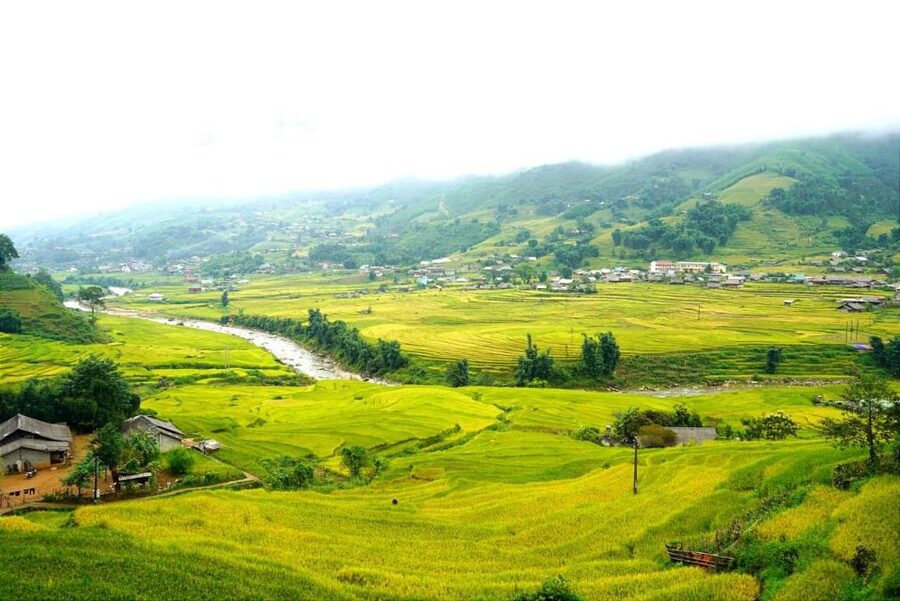
- Muong Hoa rice terraces: long enough to feel like a trek, with repeated photo stops along the way
- Two villages, two cultures: Black Hmong in Lao Chai, then Dzay life in Ta Van
- French-built power station ruins: your Cat Cat waterfall stop includes a little history (and great scenery)
- Cat Cat’s valley setting: a village tucked in a deep valley near the foot of Fansipan Peak
- Craft shopping happens on the trek: you may get better, brighter handmade options directly from local women during the walk
- Small-group feel (sometimes): at least one departure was run as a small group, which makes it easier to hear the guide
What you’re really signing up for: a full-day hike with local rhythm
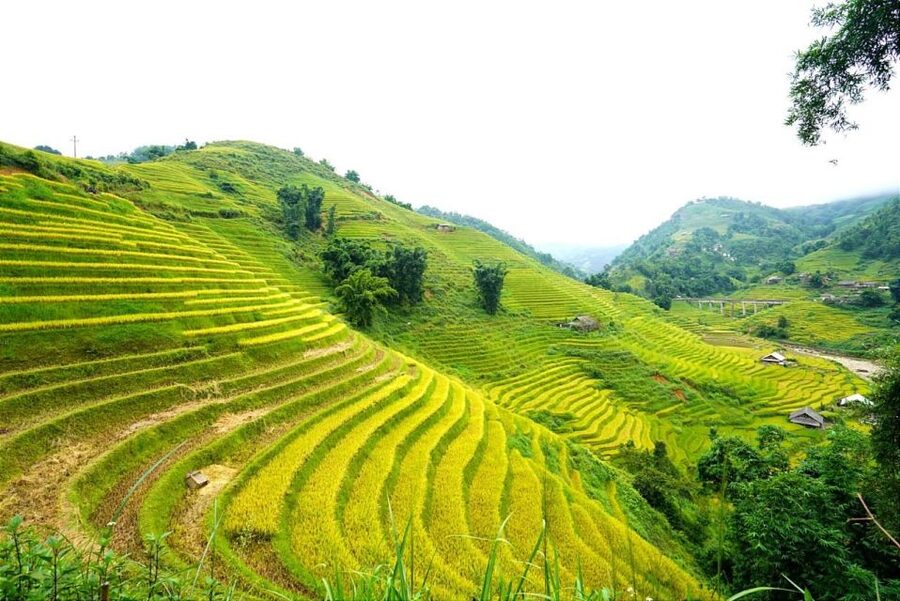
This tour is built around walking, with scenic stops and village time woven into the route. The morning is where the work happens: you start from Sapa, drive out toward Y Linh Ho, and then hike along rice terraces and the Muong Hoa Stream. The afternoon adds another leg down into Cat Cat Village and back up toward Sapa.
That structure matters because it changes the feel. A lot of Sapa tours are “one village, lots of photos, back to town.” This one keeps you moving, so you see how the communities connect to their environment: fields above, stream paths below, and villages built into steep terrain where the views are always part of daily life.
You’ll also notice the tour gives you time with guides, not just free wandering. The itinerary includes guided time at Lao Chai, Ta Van, and Cat Cat Village, so you’re not left guessing what you’re looking at.
You can also read our reviews of more tours and experiences in Sa Pa.



Morning timing from Sapa: start early, pack light
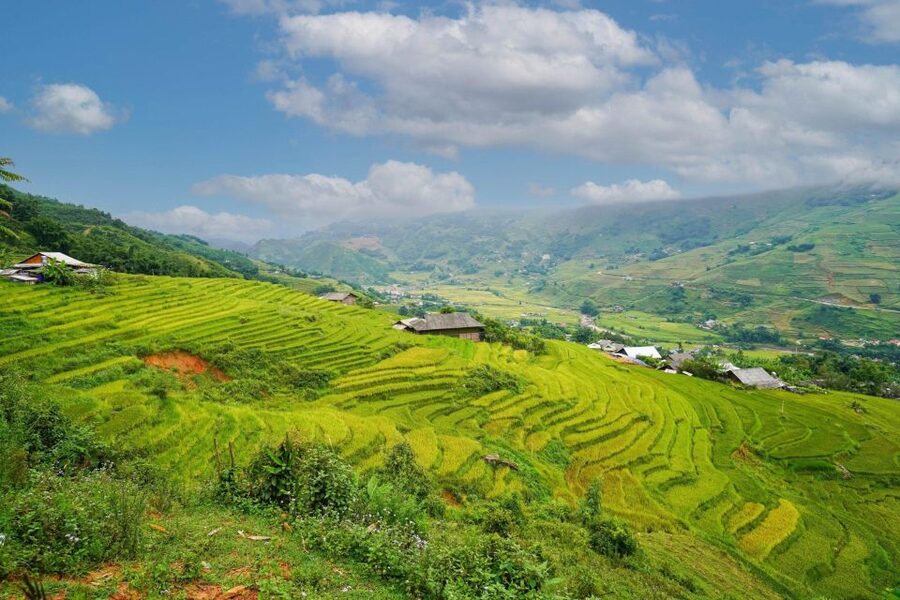
Pick-up happens from your hotel in Sapa around 7:45–8:00 (a common pickup point listed is Sapa Charm Hotel). Before you leave, plan for a light pack. The trek includes a longer walking segment in the morning (about 9 km total, roughly 4 hours), so bulky bags will feel annoying fast.
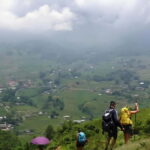
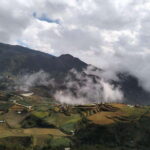
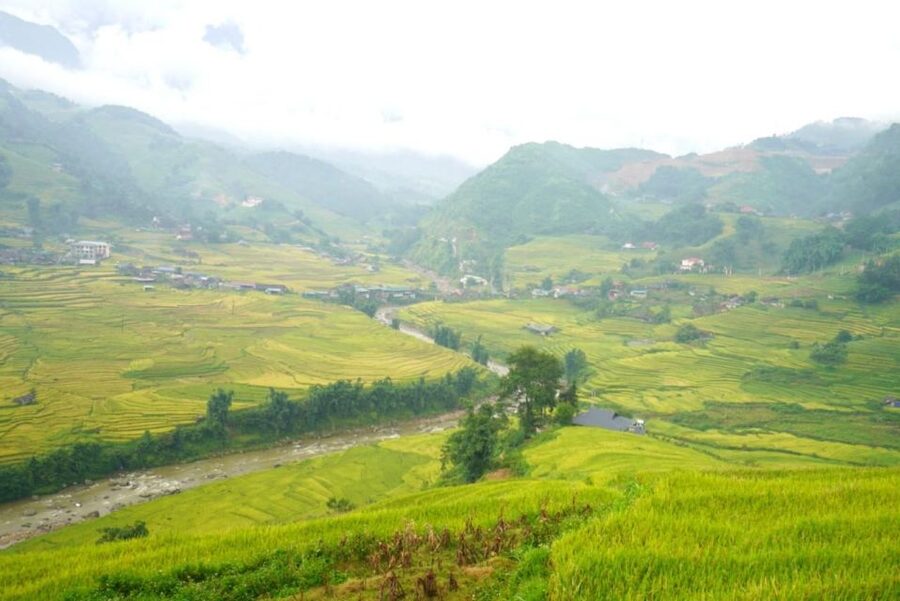
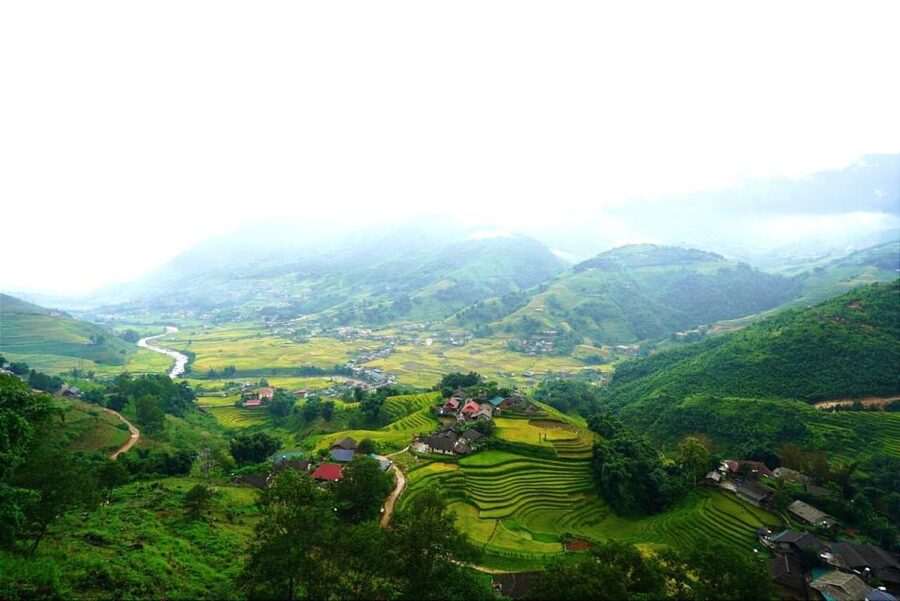
Then you’ll take a short drive to Y Linh Ho and start walking. This is where you begin to see why the Muong Hoa Valley is famous. You get panoramic views over rice terraces, and the route follows natural lines in the valley: stream edges, path bends, and ridgelines that open up for photos.
Practical tip: wear shoes you trust on uneven ground. The itinerary mentions hiking and sports shoes, but either way, you want grip and ankle comfort.
Stop 1–3: Y Linh Ho, Muong Hoa Valley, and your first rice-terrace views
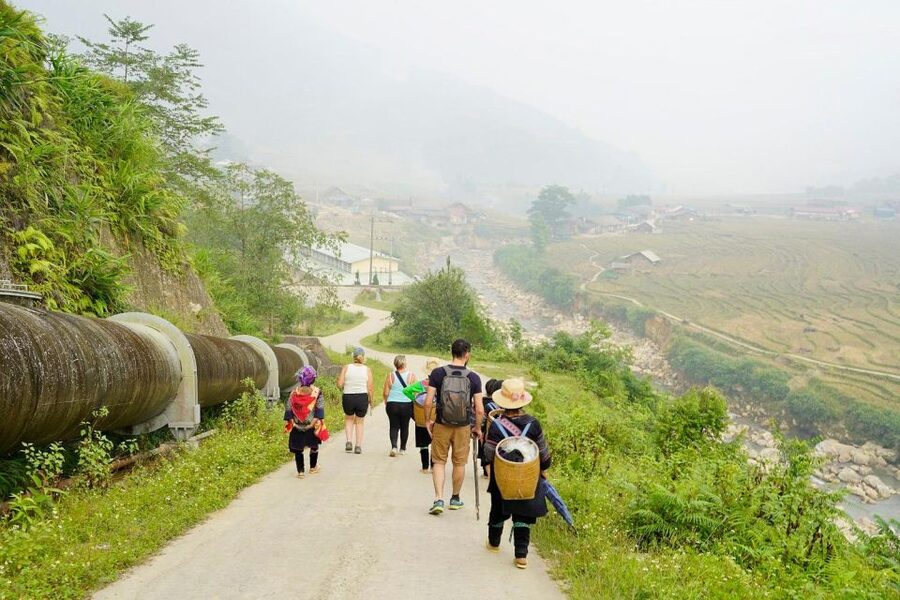
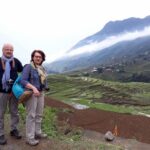
After the drive, your morning includes a photo stop and a guided look around Muong Hoa Valley. You’ll also spend time walking near the stream area before the route starts focusing on Lao Chai and Ta Van.
Why this part works: you get a warm-up that’s already scenic. If you’re new to Sapa trekking, this segment helps your legs adjust before the villages.
The trade-off: it can get busy with photos. If you’re the type who wants quiet, bring patience and pick moments when the group pauses for a breath.
Lao Chai (Black Hmong): village time that feels tied to the trail
Next comes Lao Chai Village, home to Black Hmong people. The route includes about 1.5 hours of break time, photo stops, and a guided visit, plus hiking along the way with scenic views.
What makes Lao Chai worth your time is that it sits inside the valley’s working landscape. You’re not just entering a tourist stop; you’re arriving at a community connected to the ridges, fields, and the path system that the day’s trek follows. Your guide’s explanations help you connect those dots instead of treating everything as random scenery.
From a practical angle, this is also one of your first chances to buy handmade items if you want them. In an experience that matched this itinerary, the best craft-buying was recommended during the trek with local women from the villages, with the quality described as better and more interesting than many options later in town or even at Cat Cat.
Consideration: take cash with you. The tour description doesn’t frame money handling, but it does specifically say to bring cash, and village selling is part of the daily rhythm here.
Ta Van (Dzay): calmer village time before the mid-day switch
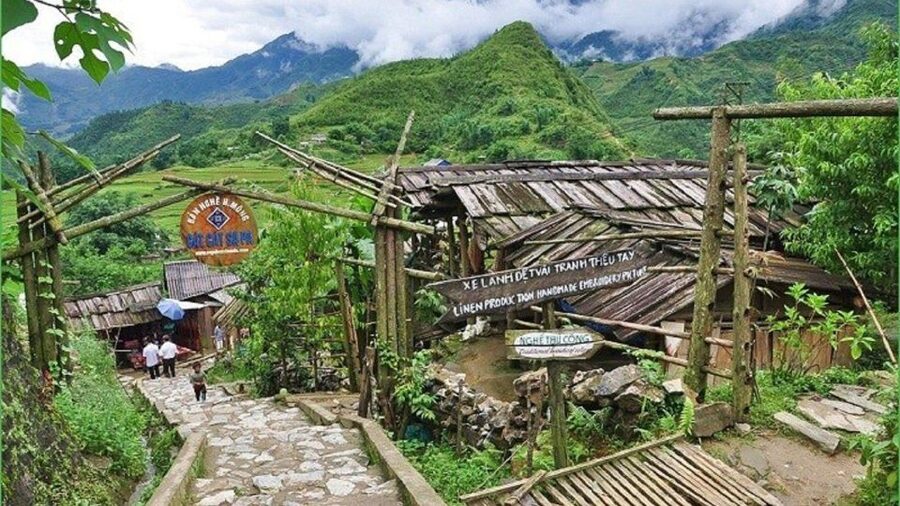
After Lao Chai, the walk continues to Ta Van Village, home of the Dzay ethnic group. You’ll get around 75 minutes here, with breaks, photo moments, and guided time.
Ta Van is a good counterbalance to the morning’s constant views. You can slow down here—listen, watch, and get a different feel than the rice-terrace edges and stream-side walking.
Then comes the handoff: bus pickup at Ta Van Bridge and a ride back toward Sapa. Lunch time happens after this transition.
Why this break matters: trekking days can feel relentless if you don’t get a proper reset. The bus switch also means you don’t have to repeat the entire ascent back immediately after the hardest part of the morning.



Lunch in Sapa: a solid meal, but don’t expect it to steal the show
Lunch is included, and it’s described as eating at a local restaurant. That’s a plus for real food you can’t easily replicate in a hotel buffet.
That said, one real-world account tied to this kind of day noted lunch being in a more “hotel-like” setting and feeling less special than the walk itself. Translation: treat lunch as fuel, not the highlight.
Afternoon Cat Cat Village: daily life, a valley waterfall, and French-era power history
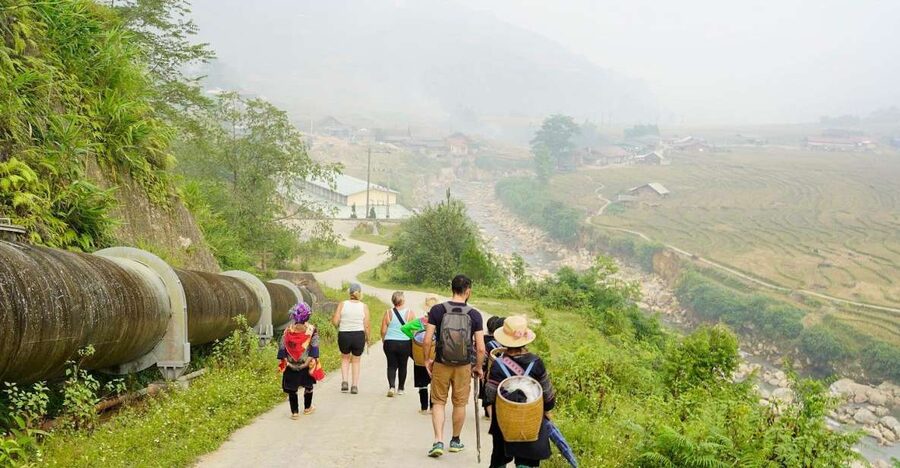
In the afternoon, you start around 14:30 with a walk down to Cat Cat Village. The village is associated with Black Hmong people and sits near the bottom of a deep valley at the foot of Fansipan Peak.
Expect around 2.5 km of trekking (about 2 hours) plus village time. Your local guide shows you daily life activities, and you’ll have breaks and free time too.
The best moment: trekking to the waterfall
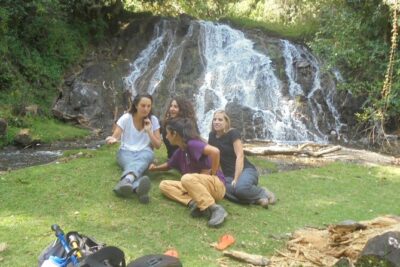
A key part of the Cat Cat section is the walk to a waterfall area. The itinerary notes the waterfall stop connects to a hydraulic power station built by the French.
This matters because it gives the stop more context than scenery alone. You’re seeing how water, engineering, and settlement patterns intersect in a place that’s naturally steep and dramatic.
You’ll also get time for photos with the bridge and waterfall, then trek back up the hill toward Sapa. The uphill return is where you’ll feel the day’s total effort, so pace yourself in the morning and you’ll thank yourself later.
Practical tip: sunglasses and sunscreen are listed for a reason. Even on cloudy days, the valley can still reflect light strongly, especially during open terrace views and bright afternoon angles.
The people and guides: where this tour earns its high rating

This experience is rated very highly, and the common thread is the guide quality. You’re not just dropped off. You’re led, explained to, and kept moving safely through the route.
One name that came up is Nguyen Thanh Chung. In that account, he was praised for solving issues that came up and for being easy to contact via WhatsApp, with good advice during the trek.
You’ll feel the difference when the guide can explain why people live here, how daily tasks fit the terrain, and what you’re seeing in the villages. It turns the day from a photo checklist into a story you can actually follow.
My advice: if you have questions, ask them during stops. The timing is built for short moments of conversation, not one long Q&A session at the start.
Value check: is $46 worth it for a full day?
For a $46 per person day that includes AC transportation, an English-speaking local guide, entrance tickets, and lunch, the value is pretty strong—especially if you consider what Sapa trekking costs when you hire privately.
Where you get your money’s worth:
- Distance + time: you’re on foot for meaningful stretches (morning ~9 km, afternoon ~2.5 km), not a token walk
- Multiple villages: Lao Chai, Ta Van, and Cat Cat in one day
- Guided understanding: cultural context is included, not left to guessing
- Included lunch: saves you the “where do we eat now” scramble
Where to stay realistic:
- You’re paying for a schedule-heavy day. If you want a slower, lounge-on-a-terrace kind of trip, this one will feel intense.
Also, beverages aren’t included. Build in extra money for water and drinks as needed during the day.
Who should book this trek, and who should choose something easier
This is a great pick if you want:
- Active days with real walking time
- Cultural interactions tied to place, not just sightseeing
- Views that come from moving through the valley, not standing on one fixed viewpoint
It’s probably not your best match if:
- You dislike uphill returns. The afternoon trek includes hiking back up from the valley area.
- You need wheelchair accessibility. The tour is listed as not suitable for wheelchair users.
If you’re traveling with kids or anyone with limited mobility, you’d likely need a gentler alternative.
What to bring so the day feels comfortable
The tour lists a useful pack. Stick close to it:
- Hiking shoes (most important)
- Sunscreen, sunglasses, camera
- Outdoor clothing and hiking pants (the valley can change in feel during the day)
- Cash for village items
- First aid kit (basic, but helpful)
You might also want to plan around the fact you’ll be walking for hours with only the day’s included breaks. If you personally need it, consider bringing extra water or snacks beyond lunch, since beverages aren’t included.
Should you book Full Day Trekking Lao Chai–Ta Van and Cat Cat?
I’d book this if you want a Sapa day that feels like you actually walked through the Muong Hoa Valley and met communities along the way. The best part isn’t only the views—it’s the way the itinerary connects rice terraces, stream paths, and village life, then ends with the waterfall stop that includes French hydraulic power history.
Don’t book it if you want a relaxed pace, or if you’re not ready for a steady hiking day with an uphill finish in the afternoon.
If you do book, my final nudge is simple: bring cash for crafts, wear proper shoes, and ask your guide questions at Lao Chai and Cat Cat. That’s when the day turns into more than pictures.
FAQ
What’s the price and duration of this trekking tour?
The tour costs $46 per person and runs for 1 day.
Where do you get picked up, and what time does the tour start?
Pick-up is from your hotel in Sapa around 7:45–8:00. The starting location listed includes Sapa Charm Hotel.
How long and how far is the hiking in the morning and afternoon?
In the morning, the trek is about 9 km and lasts around 4 hours. In the afternoon, the trek to and around Cat Cat Village is about 2.5 km and lasts about 2 hours.
Is lunch included?
Yes. Lunch at a local restaurant is included.
What’s included in the tour price?
Included items are an AC bus (Sapa to Y Linh Ho to Sapa), an English-speaking local guide, lunch, and entrance tickets to indicated sites.
What should I bring and is the tour wheelchair-accessible?
Bring items like hiking shoes, sunscreen, sunglasses, a camera, outdoor clothing, and cash. The tour is listed as not suitable for wheelchair users.