REVIEW · SA PA
1-Day Sapa Long Trek – Rice Field Terrace, Ethnic Culture
Book on GetYourGuide →Operated by Cat ba memories · Bookable on GetYourGuide
Sapa treks hit different when villages join you. I love the terraced rice views and the home-cooked lunch with a Hmong family, and I like how the day blends scenery with real village time. The only real catch: expect a long, uneven walk, and in wet weather the paths can turn muddy and slippery fast.
You start at 9:00 AM in Sapa town with hotel pickup, and you stay in a small group (up to 10) with a local guide who speaks English and Vietnamese. Early on, you’ll head up toward a ridge view of Fansipan, often called the Roof of Indochina, before dropping into Muong Hoa Valley where the rice terraces roll down the hills like steps made for hiking.
By mid-afternoon, you’re in Ta Van village for a quieter, more cultural finish, including incense making. There’s also a clothing stop around the middle of the trek where you can see how traditional handwoven fabrics and natural dyes are used to create the kind of textiles you usually only notice in market stalls.
In This Review
- Key highlights that make this trek worth your day
- Starting from Sapa town at 9:00 AM and finding your bearings on Fansipan
- Muong Hoa Valley rice terraces: where the walking finally feels like the reward
- Y Linh Ho and the river-bridge moment that makes the valley feel real
- Lao Chai Sang lunch: the kind of food that actually tells you something
- The textiles and natural dye stop around 2:00 PM
- Ta Van village in the afternoon: incense making and slower village time
- How hard is a long trek like this, really?
- What $24 gets you: value that’s more than just the price tag
- What to pack so the day stays comfortable (and not miserable)
- Who should book this trek, and who should skip it
- Should you book the 1-Day Sapa Long Trek?
- FAQ
- What time do we start the trek?
- How long is the experience?
- Is pickup and drop-off included?
- How big is the group?
- What languages do the guides speak?
- Is lunch included?
- Do we visit Ta Van village and learn incense making?
- Is the trek rain or shine?
- What should I bring?
- What is the cancellation and payment flexibility?
Key highlights that make this trek worth your day
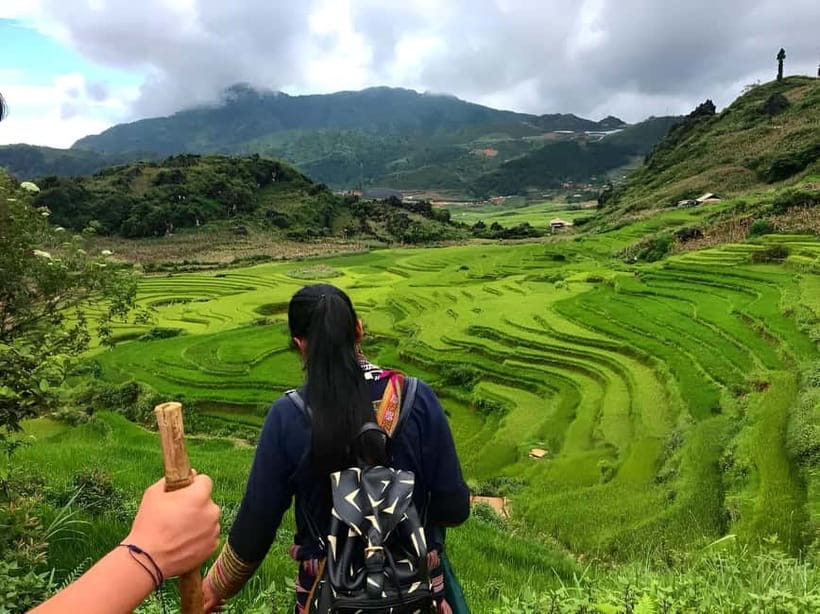
- Fansipan ridge views early on give you context for where you are in the Hoang Lien Son range
- Muong Hoa Valley rice terraces with river crossings and mountain backdrops that feel genuinely rural
- Lao Chai village family lunch served family-style in a mountain home setting
- Traditional textiles stop focused on handwoven cloth and natural dyes
- Ta Van incense making in a village setting that’s calm and hands-on
- Route flexibility with local pacing so you can choose easier or steeper paths when conditions change
Starting from Sapa town at 9:00 AM and finding your bearings on Fansipan
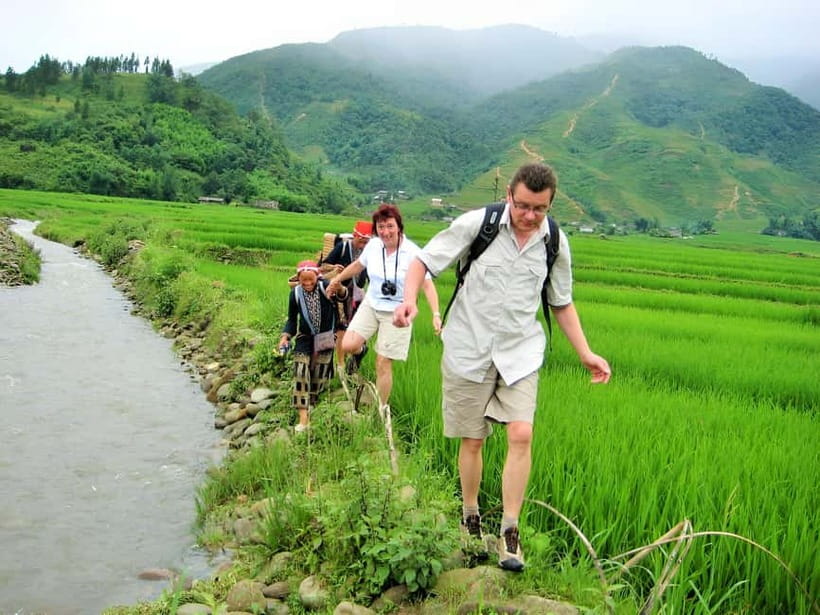
The day begins in Sapa town around 9:00 AM, with pickup from your hotel location in the area. If you’re staying outside town, you can still join, but you’ll likely need to reach a listed meeting point (or arrange a pickup with a fee). Either way, the goal is simple: get you hiking without wasting half your morning on logistics.
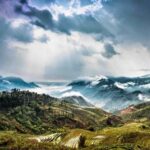
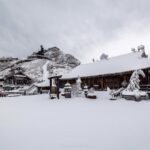
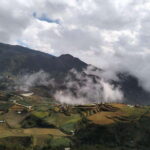
Before you go deep into the fields, you’re guided up to a quiet ridge for panoramic views toward Fansipan. Even if you never plan to climb the mountain itself, this moment helps you understand the terrain you’re about to walk—steep valleys, layered ridgelines, and how the region’s weather can change by the minute. It’s also a nice mental reset: you get the big picture before you put in the work.
From there, the trek transitions into descent, moving you from ridge air into Muong Hoa Valley. This is when the walk starts to feel less like a hike and more like moving through someone else’s daily life—fields, streams, and villages appear at a human scale, not a postcard scale.
You can also read our reviews of more tours and experiences in Sa Pa.
Muong Hoa Valley rice terraces: where the walking finally feels like the reward
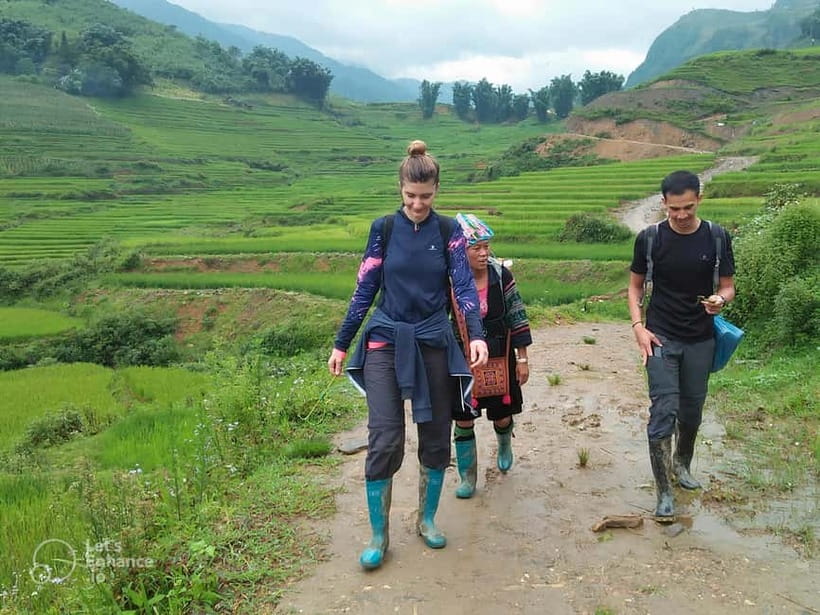
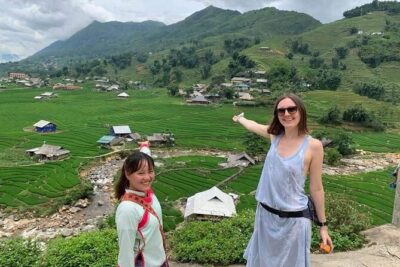
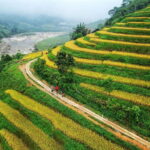
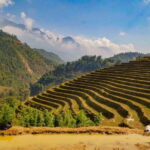
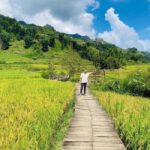
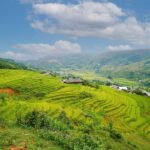
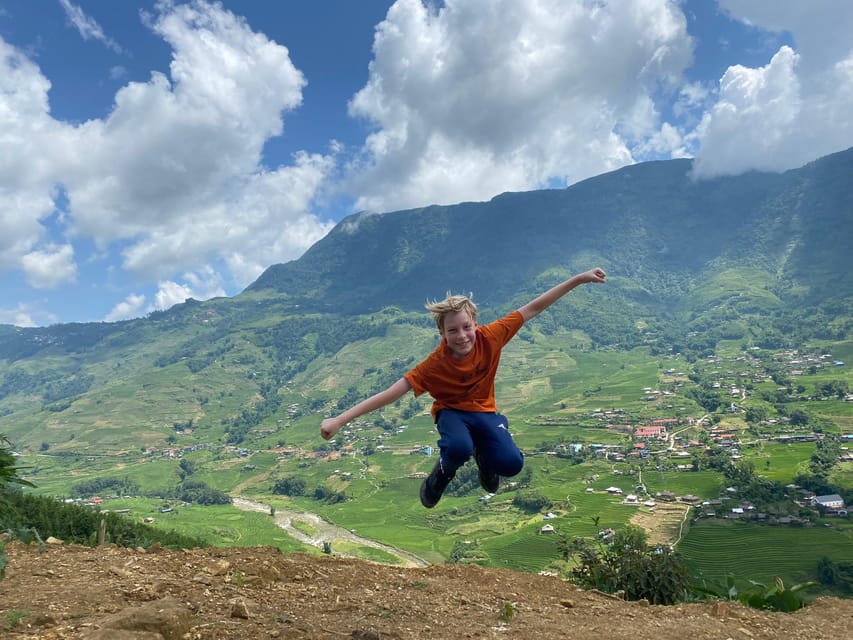
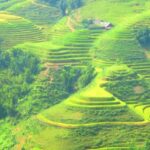
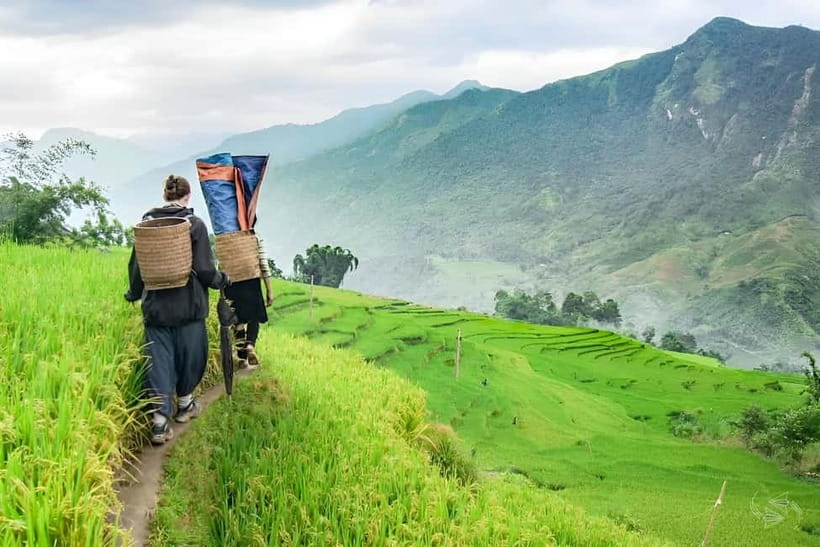
Muong Hoa Valley is the heart of the day’s scenery. After the ridge view, your path drops down into the valley where rice terraces stretch across slopes and spill water through the fields in a steady rhythm. You’ll hear rural life in the background—footpaths, rustling plants, and the kind of quiet that only exists where people grow food close to where they live.
This is also where your pace becomes your choice. Some sections feel manageable and scenic; other sections feel steeper because you’re walking terrace edges and switching elevations. In wet conditions, the ground can get soft or slick. That doesn’t ruin the experience, but it does mean you should be ready to slow down and step carefully rather than power through like it’s a treadmill.
One more practical point: guides often take detours onto less-crowded paths when possible. That helps you avoid the constant stop-start feel and lets the terraces look bigger and more peaceful. It’s part of why the day can still feel personal even though it’s a guided group trek.
Y Linh Ho and the river-bridge moment that makes the valley feel real
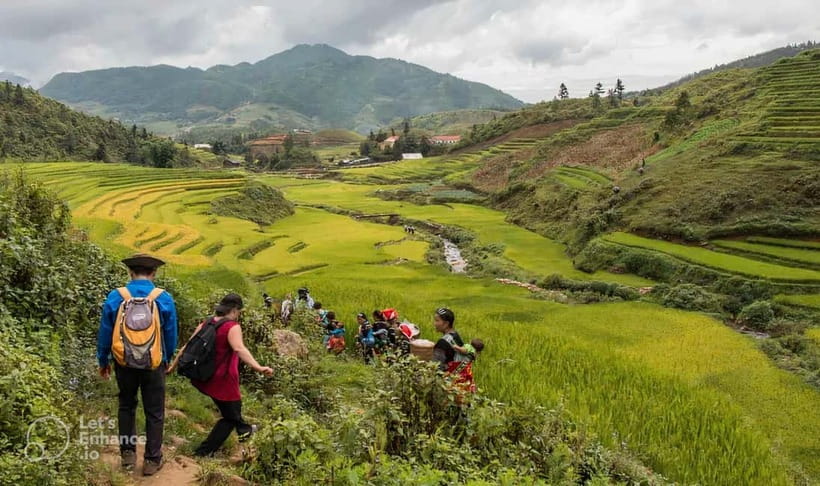
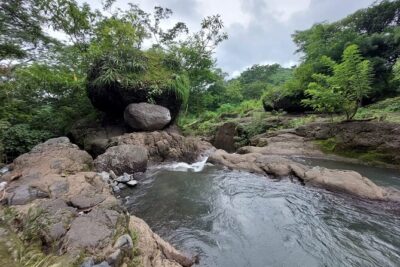
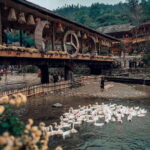
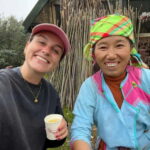
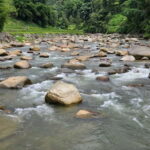
Around late morning, you reach Y Linh Ho, a Hmong village beside a clear river. The river crossing is one of those small moments that changes the atmosphere. Once you cross a wooden bridge, you’re no longer just hiking through scenery—you’re moving deeper into village territory where daily life is close enough to see.
This segment matters because it breaks the day into “before villages” and “inside village country.” If you want your Sapa experience to be more than viewpoints, this is the part that helps.
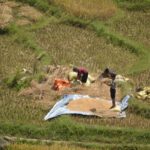
The walk continues through open rice fields with towering peaks around you, and it can feel like time slows down. Still, keep your expectations realistic: this is a working countryside, not a theme park. You’ll see farming rhythms, paths used by locals, and sometimes villagers who are curious and friendly.
Lao Chai Sang lunch: the kind of food that actually tells you something
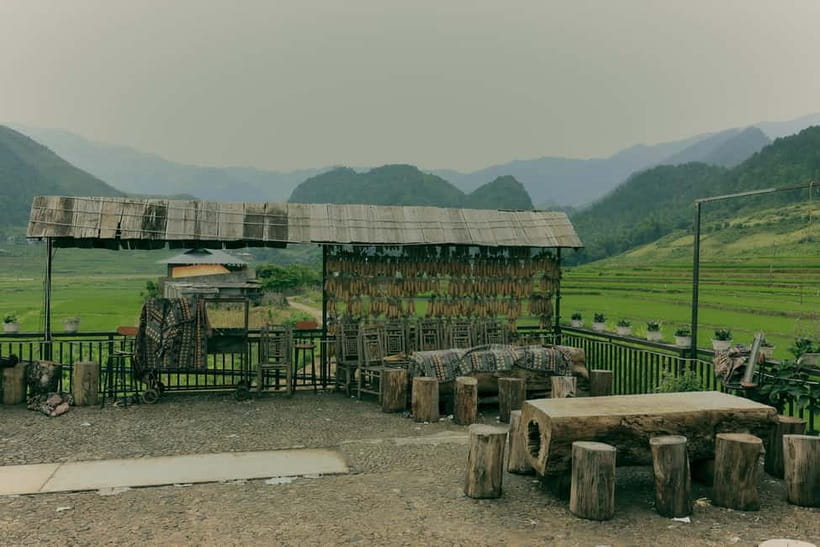
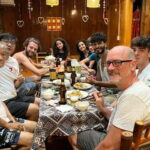
By around lunch time, you arrive at Lao Chai Sang for a home-cooked meal with a welcoming Hmong family. This is a major reason the day works. You’re not just eating near a scenic spot; you’re eating in a simple mountain home setting where the meal comes from local kitchens.
Family-style lunch usually means you’ll get a shared set of dishes rather than a single plated item. Portions can be generous, and you can ask for dietary restrictions and allergies ahead of time so the meal is adjusted where possible. If you’ve had your share of tourist lunches that taste like “fine dining but far from local,” this one is different because it’s built around what families actually cook and serve.
One more useful note: lunch is also a pause for your body. After ridge-to-valley walking, your legs appreciate the break. And after the meal, you’ll be in a better mood to enjoy the next cultural stop instead of just rushing through it.
The textiles and natural dye stop around 2:00 PM
After lunch, the day shifts from terraces to craft. Around 2:00 PM, you visit a local stop where the Hmong people make traditional clothing using handwoven fabrics and natural dyes. This is hands-on culture, not museum culture.
In addition to the clothing-making story, you might also see related textile processes, like indigo dye work, depending on the route and what’s happening during your visit. The best part is that you get the meaning behind the colors and methods, not just a quick look at finished scarves.
I like this stop because it connects to what you see afterward. When you’ve watched cloth being woven or dyed, it’s easier to understand why the textiles are so central to identity in the region. And it makes the market experience later feel less like shopping and more like understanding what you’re actually buying.
There’s a trade-off, though. When locals join you during the walk and later around villages, you may be offered handmade items for purchase. It isn’t wrong, but it can feel pushy if you’re tired or just trying to focus on scenery. If that happens, keep it simple: smile, say you’re not buying today, and move on with your guide’s pace.
Ta Van village in the afternoon: incense making and slower village time
By about 3:00 PM, you reach Ta Van village for the afternoon part of the trek. This is often the calmer section, when the day starts to feel like a cultural walk rather than a mission to cover distance.
One of the standout highlights here is the traditional art of incense making. It’s the kind of activity that gives you something to watch closely—small steps, careful handling, and explanations that help incense feel tied to everyday village life instead of something abstract.
You’ll also have time for photos and a guided visit around Ta Van. This is when you’ll notice how the villages sit in relation to the hills: houses, paths, and small production spaces woven into the terrain. Even when the weather is cloudy, the shapes of the valley hold your attention.
When the trek finishes, your driver is usually waiting to take you back to Sapa town. The timing matters because you don’t end the day stranded in the countryside—you get a clean return to town while daylight still hangs around.
How hard is a long trek like this, really?
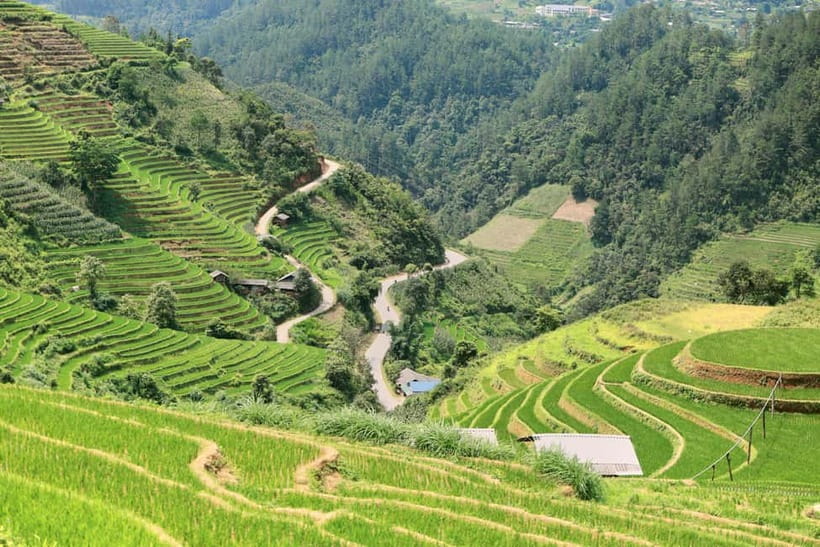
This isn’t a flat, casual stroll. It’s a proper day trek through villages and terrace paths, with uneven ground and some climbs. Based on past experiences shared with the operator, expect a walking distance in the rough range of 12–15 km, with some routes pushing higher—often above 1100 m at the highest point.
In dry weather, it feels challenging in a good way. In wet weather, it can feel more intense because mud adds friction problems and slippery sections. You’ll also be on trails with roots, stones, and narrow edges. If you’re worried about balance, treat this as a “slow and steady” day, not a “finish fast” day.
The good news: the guides often adjust routes and pacing. You may get choices for easier or steeper paths depending on how the group feels and what the ground is doing. In a small group, that flexibility matters. It turns a stressful hike into something you can actually enjoy.
What $24 gets you: value that’s more than just the price tag
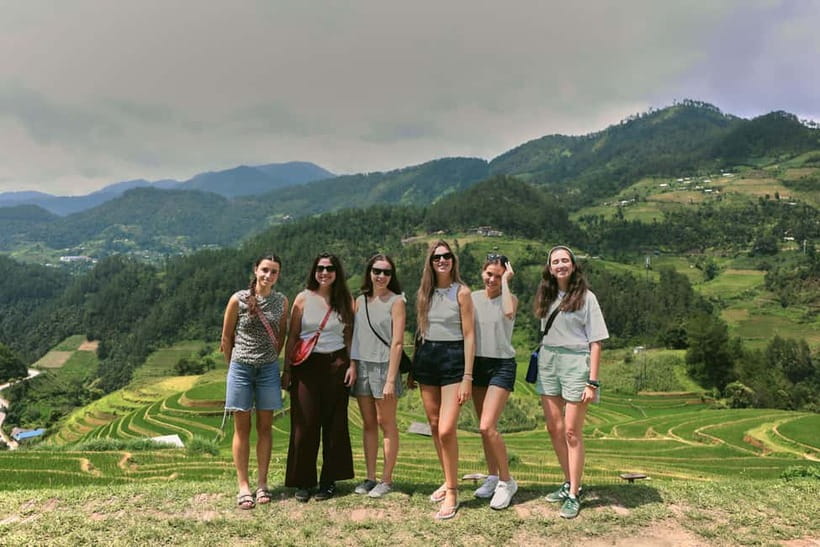
At about $24 per person, the value is mostly in the mix: guide time, local village access, and food included. You’re not just paying for a scenic walk. You’re paying for transportation between Sapa and village areas, a local Hmong guide, and village entrance fees that are already covered.
Lunch is included and is home-cooked, which tends to be where these tours save you money compared to eating on your own while trekking. You also receive rain ponchos or rain coats and a small bottle of water, which helps you keep the day comfortable when the weather flips without warning.
If your version of the experience includes Fansipan trekking, additional items may come into play, like Fansipan national park entrance fees (for Fansipan trekking only) and a picnic lunch at a rest stop on the mountain (for Fansipan trekking only). For Fansipan days, you may also need to send passport photos for national park registration, and cable car descent is an option if it’s included in your route details (extra fees may apply). If you’re unsure whether Fansipan is part of your chosen route, confirm before you go.
One more value point: transport quality. The pickup/drop experience is rated highly, with 94% of past guests giving transport a perfect score, so you’re not fighting chaos at the start or end.
What to pack so the day stays comfortable (and not miserable)
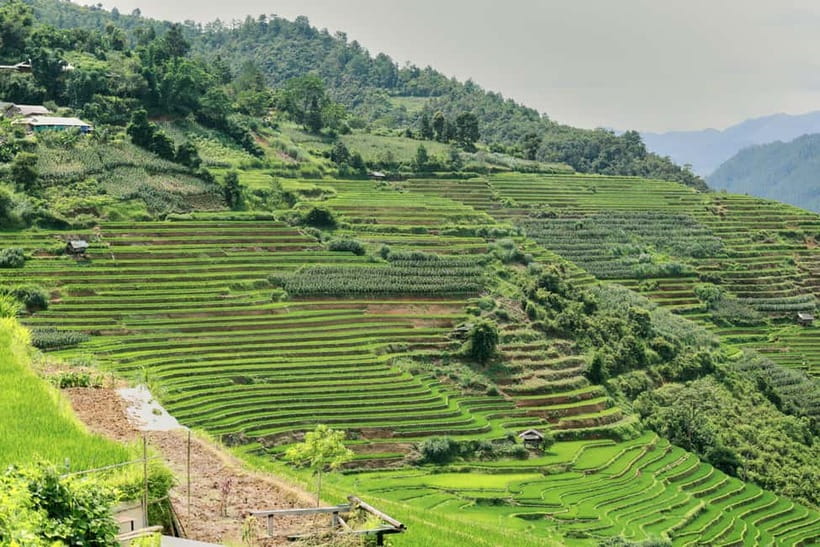
Pack for both sun and wet weather. Bring a sun hat, hat, hiking shoes, insect repellent, and toiletries. If you’ve got proper hiking boots with grip, use them. Flat sneakers can work for some people on dry days, but wet trails turn grip into safety.
Also pack sunscreen and sunglasses. In the mountains, even when it feels cool, the light can still be strong.
You’ll be provided rain ponchos/rain coats and a small water bottle, but you should still carry your own water if you tend to drink a lot. The day is long enough that you’ll notice dehydration.
Not allowed items include weapons or sharp objects, and nudity is prohibited. It’s mostly a common-sense rule set, but it’s good to know.
Finally, consider cash if you’re the type who might buy small crafts. Some villagers who accompany you may try to sell items, and having a few bills makes the interaction easier if you choose to purchase.
Who should book this trek, and who should skip it
This tour is best for people who like a guided hike with culture built in. If you’re comfortable walking 12–15 km on uneven ground and you enjoy meeting locals, you’ll probably have a strong day.
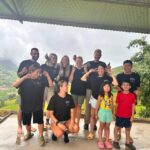
It’s also a good fit for first-timers to Sapa who want structure without feeling stuck in a bus. The small group format helps you move at a human pace and ask questions in real time—especially with local guides who speak both English and Vietnamese.
It may not be suitable if you have back problems, mobility impairments, heart problems, or other pre-existing medical conditions. The experience also isn’t set up for wheelchair users and isn’t ideal for visually impaired travelers or people who are afraid of heights.
If any of those apply, it’s worth looking for a gentler option with less uneven terrain.
Should you book the 1-Day Sapa Long Trek?
Book it if you want Sapa that feels lived-in: rice terraces, village time, a home-cooked meal, and an afternoon cultural finish with incense making in Ta Van. The small group size and local guide focus make it feel personal, and the included lunch and entrance fees help keep the day good value.
Skip it or choose a different plan if you hate mud, get uncomfortable on steep uneven paths, or you need an easy walk. Also, if you want only big views with minimal village interaction, this may feel like more people time than you expected.
If you go, do it ready to walk slowly and pay attention. This is the kind of day where the best moments often come when you stop rushing.
FAQ
What time do we start the trek?
Pickup and departure from Sapa town begin in the morning, with the trek experience starting at 9:00 AM.
How long is the experience?
The trek lasts about 7 hours.
Is pickup and drop-off included?
Yes. Pickup and drop-off are included for accommodation within Sapa town. If you’re outside Sapa town, you can request pickup with a fee or meet at one of the listed meeting points in town.
How big is the group?
The group is small, limited to 10 participants.
What languages do the guides speak?
The live guide provides English and Vietnamese.
Is lunch included?
Yes. You get a home-cook lunch included as part of the experience. If your route includes Fansipan trekking, a picnic lunch on the mountain rest stop is included for that option.
Do we visit Ta Van village and learn incense making?
Yes. The experience includes Ta Van village, with a visit that includes learning the traditional art of incense making.
Is the trek rain or shine?
Yes, the trek runs rain or shine. You’ll want to bring a raincoat during the wet season.
What should I bring?
Bring a sun hat, hat, hiking shoes, insect repellent, and toiletries. Comfortable clothes and sun protection are also important for mountain weather.
What is the cancellation and payment flexibility?
You can cancel up to 24 hours in advance for a full refund. There’s also a reserve now & pay later option, letting you book and pay later to keep plans flexible.