REVIEW · SA PA
From Hanoi: Sapa 3-Day Medium Trek and Limousine Trip
Book on GetYourGuide →Operated by Crossing Vietnam Tour · Bookable on GetYourGuide
Sapa’s mountain air changes your pace fast. This 3-day Hanoi to Sapa trek experience strings together Black Hmong, H’mong, Zay, and Red Zao villages, with Muong Hoa Valley views that feel close enough to touch. I especially like how the day-by-day structure keeps you moving through real village life instead of just passing photo stops.
One consideration: the homestays can be rustic, with limited privacy and simpler facilities than you’ll be used to in town. If you prefer hotel comfort and quiet at night, plan accordingly.
In This Review
- Key highlights worth your attention
- From Hanoi to Sapa: the limousine ride that sets your day up
- Day 1 in Sapa: Sin Chai (Black Hmong) and a night of simple comforts
- Day 2 through Muong Hoa Valley: Y Linh Ho, Lao Chai, and Ta Van
- Day 3 in the Red Zao area: terraces, bamboo forest, and a waterfall pause
- Homestays in Ta Van: rustic comfort, shared realities
- Guide quality: why Jo, Ai, and May made the difference
- Dealing with “helpful” sellers on the trail
- Weather, altitude, and what to pack for Sapa’s cold swings
- Price and value: is $165 worth it?
- Who should book this Sapa medium trek?
- Should you book? My decision checklist
- FAQ
- What’s the trekking distance like on this Sapa 3-day trip?
- How long is the drive from Hanoi to Sapa?
- Where do pickups happen in Hanoi?
- What villages and areas are included across the three days?
- Are meals included?
- Is the homestay comfortable like a hotel?
- What should I bring for weather and altitude?
- Are there entrance tickets included?
- Should I expect people to approach me during the trek?
Key highlights worth your attention
- Sin Chai (Black Hmong) trek just southwest of Sapa for a grounded look at everyday village routines
- Muong Hoa Valley walking route with big viewpoints and a suspension-bridge crossing
- Ta Van homestay night with village homes and a slower evening in the valley
- Lao Chai and Y Linh Ho village stops that break up the hike with culture and lunch breaks
- Giang Ta Chai (Red Zao) day featuring terraced rice, bamboo forest, and a waterfall stop
- A guide-led pace that can adjust to your hiking level, helped by strong local knowledge
From Hanoi to Sapa: the limousine ride that sets your day up
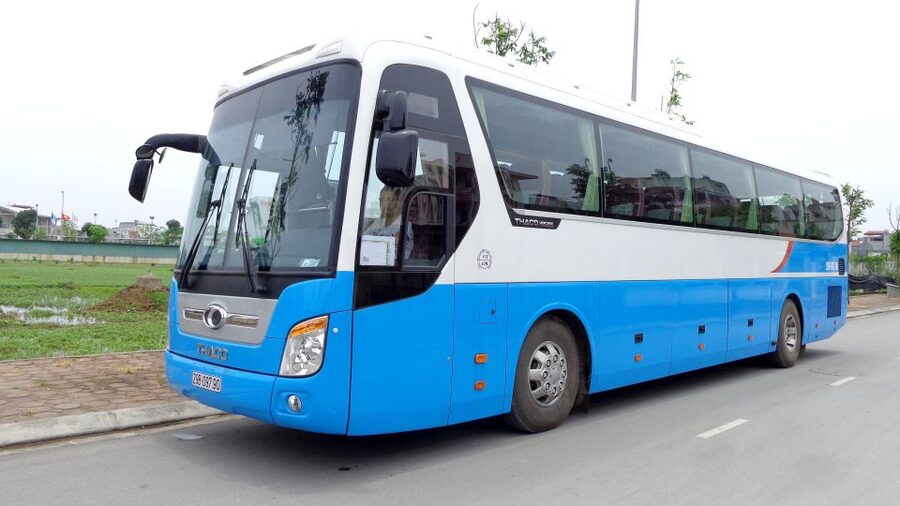
The trip starts with a hotel pickup in Hanoi’s Old Quarter around 6:30–7:00am. You’ll board a modern, air-conditioned limousine and head to Sapa in about six hours, with two scheduled stops for snacks and bathroom breaks.
Here’s the practical side: these early departures matter because Sapa is higher and weather changes quickly. If you’re the type who hates rushing, this timing is still a good fit, because you’ll have a full day once you reach town, not just a half-morning. Also, the ride is often comfortable enough that you can arrive feeling human, not wrung out.
A heads-up from real-world experience: pickup can feel slightly confusing if everyone isn’t clearly briefed right away, and some departures can run late. Nothing ruins the trip, but it can affect how quickly you start the first walking portion after you check in.
You can also read our reviews of more tours and experiences in Sa Pa.

Day 1 in Sapa: Sin Chai (Black Hmong) and a night of simple comforts
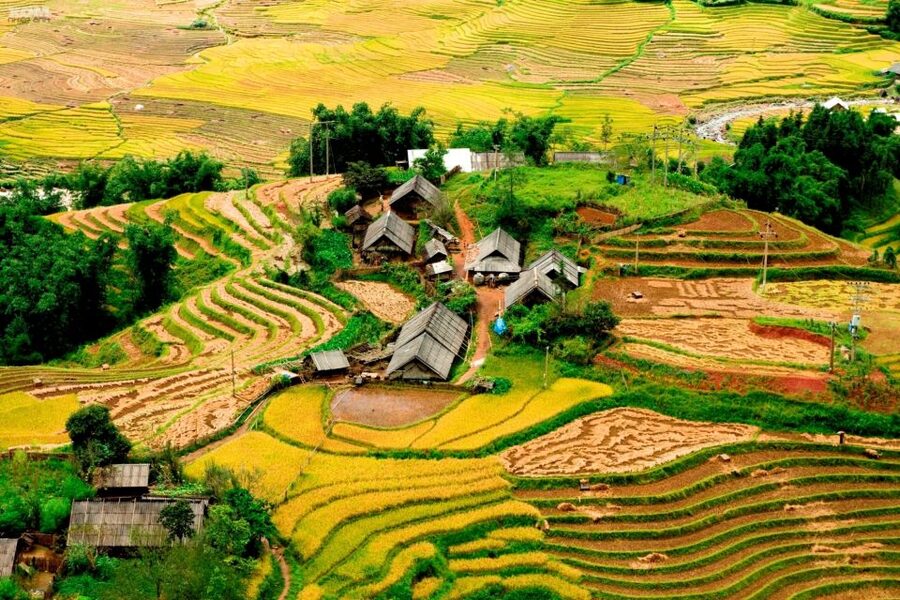
Once you arrive in Sapa, you’ll have lunch at a local restaurant, check in, and get some downtime before your guide pulls you back out.
Your first hike is a medium effort trek to the southwest of Sapa, around 4 km, visiting Sin Chai village of the Black Hmong. Sin Chai is described as rustic and more than 2 km from the center of Sa Pa town, which is a big part of the appeal. You’re not just seeing a view—you’re seeing how people live when the roads thin out.
When you’re done hiking, you return to your hotel to freshen up and get ready for dinner. That first night in Sapa is also a chance to ease into the town atmosphere. One of the nicer touches is the option to explore by night with roasted corn and baked eggs by a charcoal fire, plus time for shopping if you want it.
Practical note: if the weather is damp, your first trek may feel colder than you expect. I’d dress as if you’ll get cool mid-hike, even if the morning looks fine.
Day 2 through Muong Hoa Valley: Y Linh Ho, Lao Chai, and Ta Van
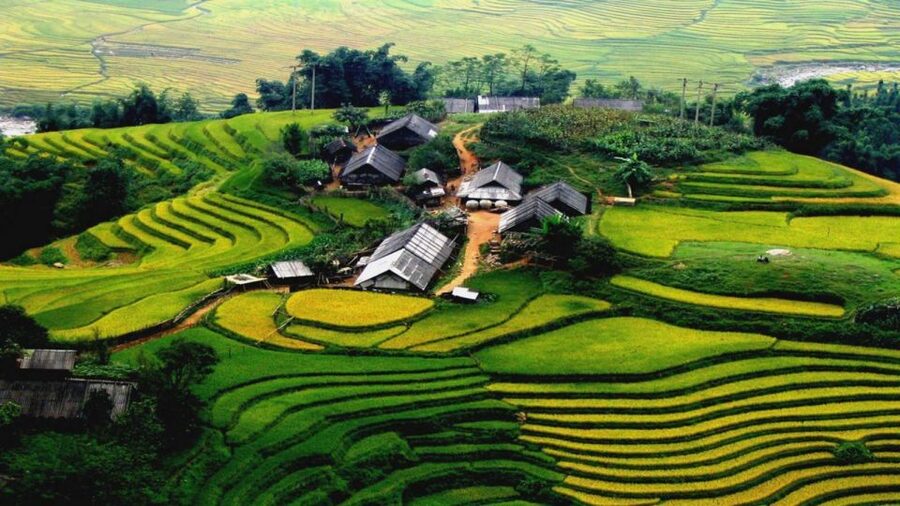
Day two is where the scenery really takes over.
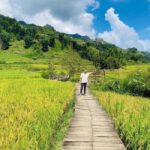
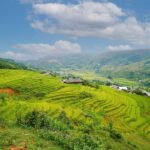
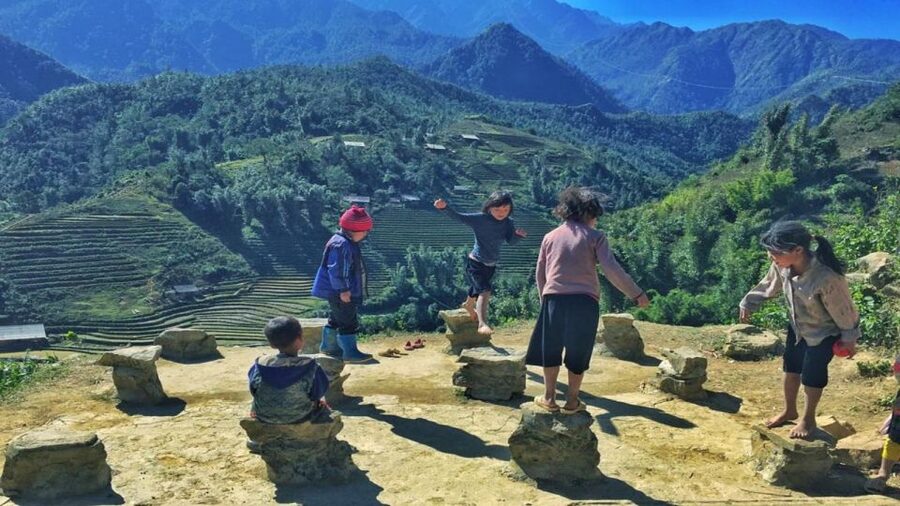
You begin with breakfast, then check out and head toward Muong Hoa Valley. You walk along the main road south for about an hour, then you leave the road for a footpath downhill into the valley. This is the kind of route where the walking feels like part of the view—one moment you’re dealing with trail, the next you’re looking up at the Hoang Lien Son mountain range.
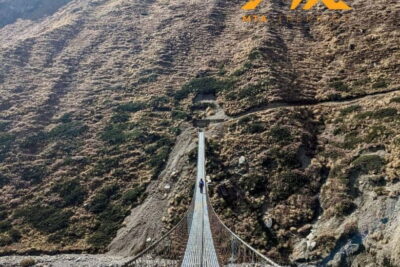
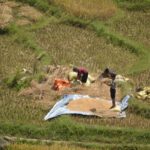
One of the signature moments is crossing a suspension bridge to Y Linh Ho village. This is where you can see H’mong families doing daily work. In a good guide-led format, this stop doesn’t feel like a show. It’s more like you’re quietly present while the day carries on.
After a lunch break, you continue for about two hours following the trail through hills to Lao Chai, another H’mong village. From there, the route follows the river bank to Ta Van, home to Zay people.
The payoff is that by late afternoon you’re not just “done with hiking.” You’re in the valley with a homestay evening in Ta Van village, with time to visit local homes and take in the slower rhythm of the area.
If your hiking energy is strong, you’ll love this day. If you’re a careful walker, it’s still doable—just expect uneven ground and don’t count on a fast pace.
Day 3 in the Red Zao area: terraces, bamboo forest, and a waterfall pause
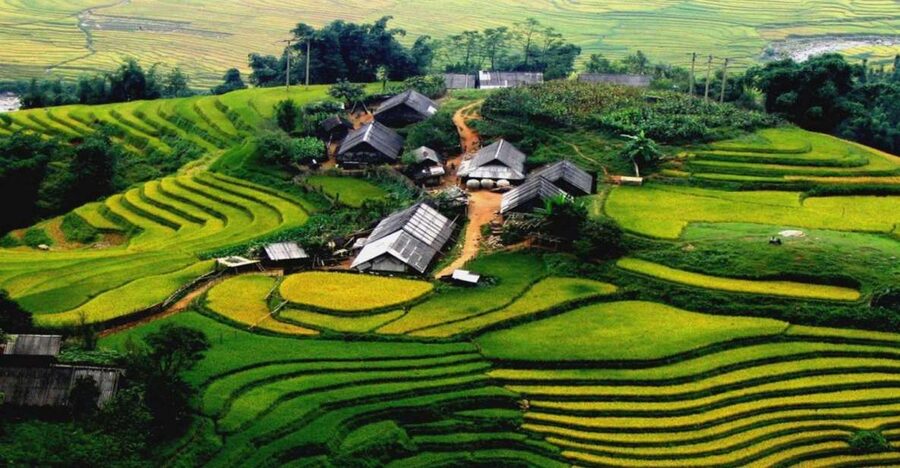
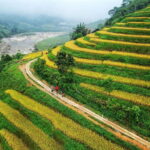
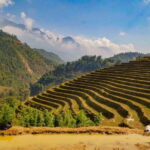
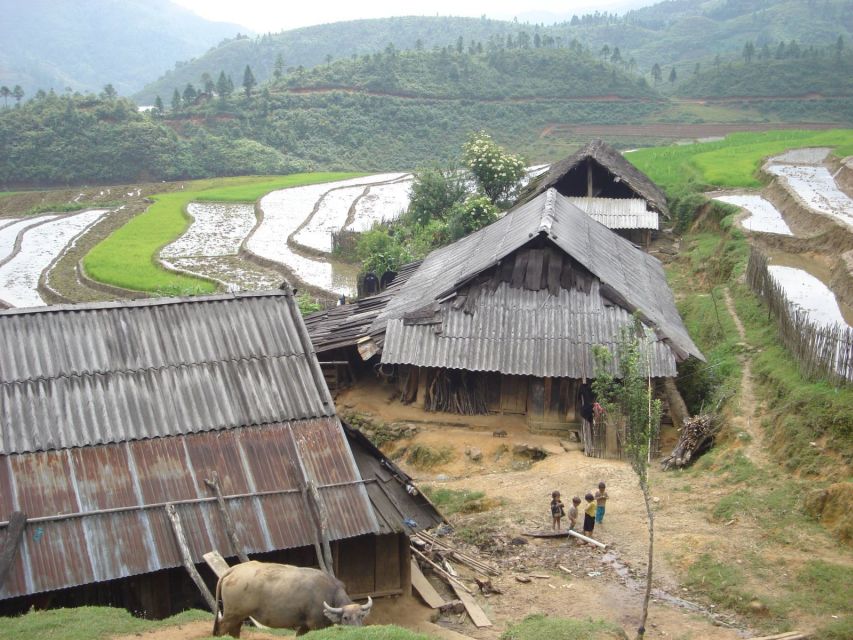
You leave Ta Van after breakfast and take the trail uphill, passing terraced rice fields and small hamlets connected to the H’mong community.
After the terraces, the route pushes into a bamboo forest. This is a nice change of pace, because the air can feel different under the trees, and the trail tends to feel more sheltered than the open valley paths. You’ll reach a waterfall, where there’s time to relax before continuing.
Then it’s about 30 minutes to Giang Ta Chai village, home to the Red Zao. Lunch is served nearby, followed by time to relax before the return to Hanoi.
The ride back leaves at around 2:00pm by limousine and takes about five to six hours, traffic-dependent, arriving in Hanoi roughly 8:30–9:30pm.
That timing is one reason this trip works well for many people: you get a full final day in the mountains, but you’re not stuck on a late-night return bus.
Homestays in Ta Van: rustic comfort, shared realities
Homestays are the heart of this experience—and also the part you should mentally prepare for.
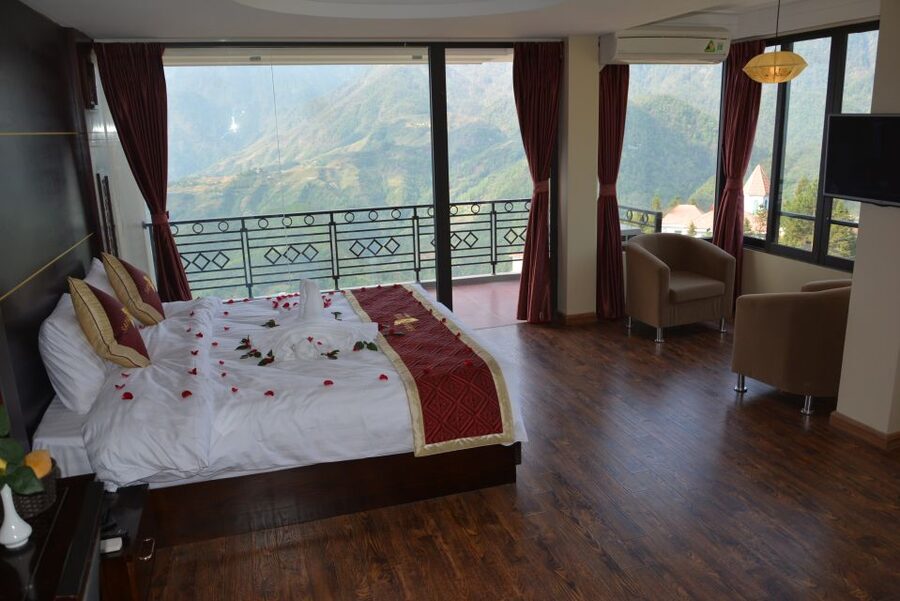
The tour is clear that homestay facilities won’t match Sapa hotels. In practice, that can mean simpler sleeping areas, shared bathrooms, and lots of sounds from shared space. In one firsthand account, a homestay setup was described like a dorm with mattresses on the floor and limited privacy, with a shared bathroom serving a larger group. That isn’t guaranteed for every stay, but it’s the reality you should be ready for.
So what does that mean for you?
- Bring expectations for limited privacy.
- Plan for cooler temperatures at night (Sapa is often cold from about September to March, and fog can show up in December through March).
- Pack for practical comfort, especially footwear. The tour specifically points you to comfortable shoes and trekking shoes.
If you can handle basic accommodations in exchange for meeting families and sharing meals, the homestay night is a big reason to book.
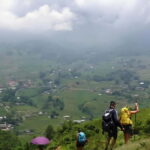
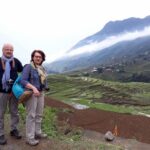
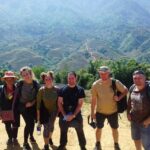

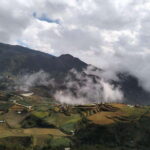
Guide quality: why Jo, Ai, and May made the difference
A tour like this lives or dies on the guide. This one is built around an English-speaking local guide in Sapa, and the difference shows up quickly.
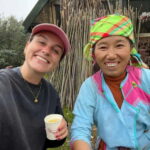
Guides such as Jo, Ai, and May are highlighted for local knowledge and good pacing. Jo is described as friendly and personable, keeping a steady rhythm and clearly communicating timing—like when you’ll arrive at each place, how baggage transfers work, and when meals happen. Ai is noted for adapting to hikers’ difficulty levels and offering helpful, practical support if something feels too much.
Then there’s May, who kept energy high even with rainy misty conditions, still delivering stunning views when the weather cleared.
The key takeaway for you: the trek isn’t just a route on paper. It’s a human rhythm—how fast you walk, when you stop, and how you understand what you’re seeing. If you’ve ever felt like you’re just herded from stop to stop, this format is designed to avoid that.
Dealing with “helpful” sellers on the trail
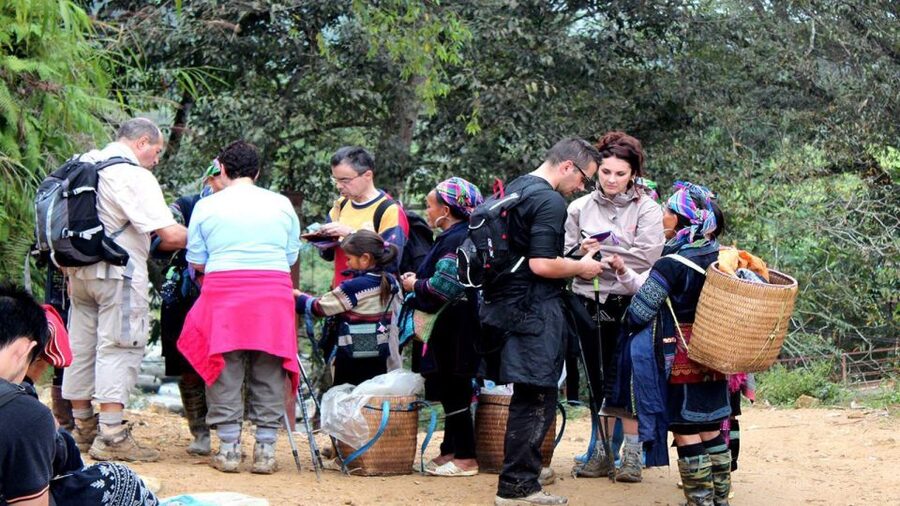
One topic the tour directly flags: ethnic people may try to accompany you throughout the trekking way to ask for money or sell items at high prices. The advice is simple and firm: ignore them and stick to the guide.
This matters because when you’re tired, cold, and staring at terraces, it’s easy to get distracted. If someone is walking with you, it can feel polite to engage. The tour’s position is that you shouldn’t. Your guide’s job is to keep the hike safe and on track.
I’d also treat this as a planning issue, not a personal insult. You’re there for the landscape and village life, but on their terms—and with the guide’s direction.
Weather, altitude, and what to pack for Sapa’s cold swings
Sapa can be unpredictable. The trip notes you should bring warm clothes, including a scarf and hat or cap, because it’s normally cold from September to March. Fog is also possible due to altitude in December, January, February, and March.
Beyond that, the practical packing list is straightforward:
- Trekking shoes (or at least solid hiking footwear)
- Sunglasses and sun cream (yes, even when it’s cool)
- Insect repellent
- Cash in Vietnam Dong (banking systems in Sapa can be unreliable)
- Medicine if you might need it
You’ll also want to dress in layers so you can adjust when sun breaks through the clouds. And if you’re prone to altitude issues, don’t ignore it—Sapa is higher than Hanoi.
Price and value: is $165 worth it?
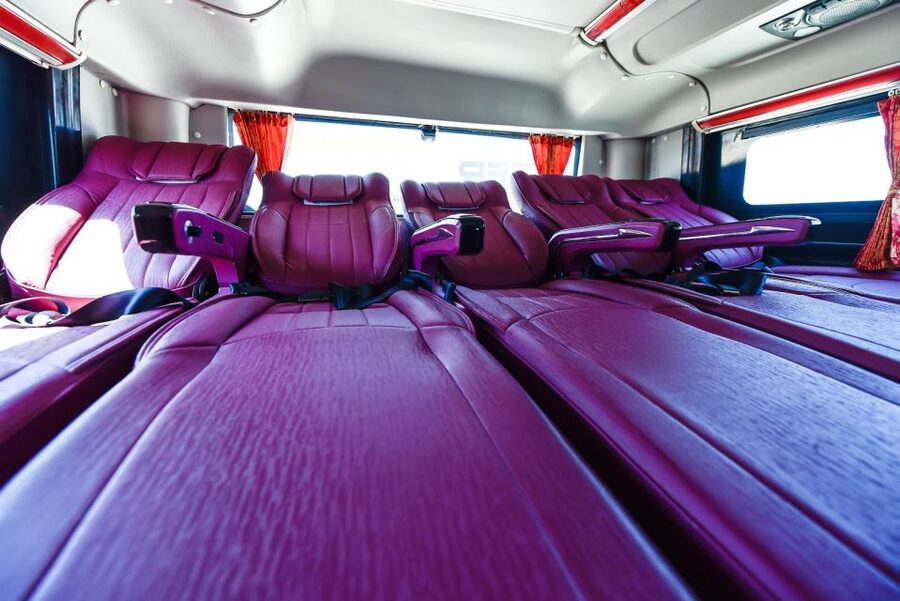
At $165 per person, you’re paying for more than a “walk.” This price includes:
- Modern air-conditioned limousine Hanoi–Sapa–return
- On-the-ground transport in Sapa with an experienced driver
- English-speaking local guide
- Meals: 2 breakfasts, 3 lunches, 2 dinners
- Entrance tickets to indicated sites
- 2 nights accommodation (homestay/hotel depending on the option)
What isn’t included is equally clear: beverages and personal expenses.
So where’s the value? For most people, it’s the bundling. You’re not organizing transport, guides, meals, and access points separately. And because the route includes homestays and village walking, you’re also buying the local guidance that helps you understand what you’re seeing—and keeps the trek flowing.
If you already planned to hire a guide and cover meals, this price can feel more reasonable quickly. If you were hoping for a self-guided hike with zero structure, you’ll want to compare the cost against your own comfort level.
Who should book this Sapa medium trek?
This is best for you if you want:
- Guided village walking with real cultural stops
- Rice-terrace and valley views without a long multi-day climb
- A mix of Sapa town time plus at least one homestay night
It’s also not for everyone. The trip notes it isn’t suitable for people with mobility impairments, and it says the trek is not recommended for older guests or children due to the 9-kilometer walking distance.
If you’re an active traveler who can handle uneven trails and cold weather swings, this is a strong match.
Should you book? My decision checklist
Yes, consider booking if you can handle rustic lodging and you want a structured but flexible hiking experience led by a strong local guide. Guides like Jo, Ai, and May show how much the day improves when someone knows the area and manages timing well.
Skip or reconsider if:
- you need hotel-level privacy and quiet every night,
- your group struggles with cold weather and basic hiking logistics,
- or you’re relying on a step-free experience (this isn’t designed for mobility impairments).
If you do book, read the packing cues closely, bring proper footwear, and remember the on-trail rule: stick with your guide when “companions” appear.
FAQ
What’s the trekking distance like on this Sapa 3-day trip?
The trek is described as not recommended for older guests or children because it covers about 9 kilometers. Wear comfortable trekking shoes and plan for uneven paths.
How long is the drive from Hanoi to Sapa?
The limousine ride from Hanoi to Sapa takes about six hours, with two stops for snacks and restroom breaks.
Where do pickups happen in Hanoi?
Pickup is included at your accommodation in Hanoi Old Quarter.
What villages and areas are included across the three days?
You’ll visit Sin Chai, walk through Muong Hoa Valley, stop around Y Linh Ho, Lao Chai, Ta Van, and on the final day reach Giang Ta Chai with a waterfall stop.
Are meals included?
Yes. The trip includes 2 breakfasts, 3 lunches, and 2 dinners. Beverages are not included.
Is the homestay comfortable like a hotel?
No. The tour notes homestay facilities are not the same as in Sapa hotels, and they can be quite rustic.
What should I bring for weather and altitude?
Bring warm clothes (including a scarf and hat/cap), trekking shoes, sunglasses, sun cream, and insect repellent. The trip also recommends bringing medicine and cash in VND.
Are there entrance tickets included?
Yes. Entrance tickets to indicated sites are included.
Should I expect people to approach me during the trek?
Yes, the tour warns that ethnic people may try to accompany you to ask for money or sell items. The guidance is to ignore them and stick to the guide.