REVIEW · ARUSHA
5 Days Marangu Route Kilimanjaro Trekking
Book on Viator →Operated by Mafie Adventures · Bookable on Viator
Five days up Kilimanjaro can feel unreal. The Marangu Route is popular for a reason: it’s the “tourist route” with sleeping huts along the way, plus a straightforward rhythm that helps you focus on the climb. Add pickup from Moshi and a route that reaches classic viewpoints, and you get a trek that’s easier to plan than the wilder options.
Two things I like a lot: the way this trip handles logistics (equipment, meals, accommodation, porterage), and the human side of it. One review highlighted a guide named Walter who was patient and made the experience feel comfortable, even when plans were changing last minute.
The main thing to consider is effort and timing. The summit stage is brutal, with a final ascent starting around midnight and very long days, and you’ll also need to plan for gear rentals since climbing gear and a sleeping bag aren’t included.
In This Review
- Key things to know before you go
- Marangu Route: huts, the “tourist route,” and what that changes
- Getting to the mountain: pickup from Moshi and the gate day-one focus
- Day 1: rainforest to Mandara Hut, then Maundi Crater views
- Day 2: Mandara Hut to Horombo Hut through timberline and moor zones
- Day 3: long day to Kibo Hut via Last Water point and the saddle
- Day 4: the midnight summit climb to Uhuru Peak and back to Kibo Hut
- Day 5: Horombo back down to Mandara Hut, rainforest return, and the Moshi celebration
- Price and value: what you’re really paying for at about $1,800
- Group size, privacy, and why a private setup can feel calmer
- Who this Marangu trek suits best (and who should rethink it)
- Practical packing and readiness tips (based on what’s included vs not)
- Should you book this 5 Days Marangu Route trek?
- FAQ
- How long is the Kilimanjaro Marangu trek?
- Where does the trek start and end?
- What time does the trek start?
- What’s included in the tour price?
- What gear do I need to arrange myself?
- Are park admission tickets included?
- Can I cancel or change the booking after purchase?
Key things to know before you go
- Marangu is the hut route: fewer “tent survival” worries, because this is the path known for sleeping huts.
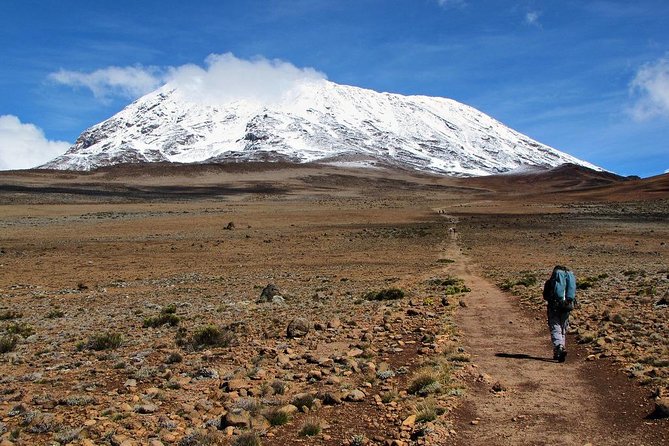
- You’ll climb through distinct zones: rainforest, then timberline, then heath/moor, then the crater-rim cold.
- Summit night starts around midnight: expect the early wake-ups and the slow, steady grind.
- Meals and essentials are built in: breakfasts, lunches, and dinners are included, plus cooking setup and mattresses.
- Porterage is included: you’re not carrying everything yourself.
- A professional driver/guide is part of the deal: private tour for your group, with local support.
Marangu Route: huts, the “tourist route,” and what that changes
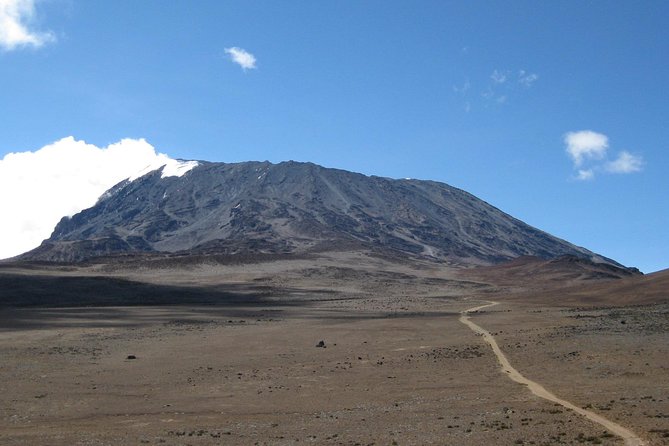
Kilimanjaro has multiple routes, but Marangu is the one people keep picking when they want a plan that feels… doable. It’s known as the Tourist Route and also the Coca-Cola Route, mainly because it’s the most popular route and because sleeping huts exist along the way. That matters because it changes how you experience the mountain. You’re still doing serious altitude work, but you’re not managing every weather detail at camp the way some other routes force you to.
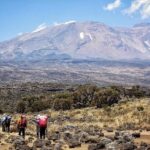
Also, this route is built around stages with clear landmarks and hut-to-hut pacing. You’re hiking dense rainforest early on, then you transition into higher zones (timberline, heath, and moor). That step-by-step change is useful for your body and your head: you can anticipate how the air will feel and how the trail will shift.
One more practical note: you’re not starting from a random trailhead. Your climb begins with transportation from Moshi to the Marangu gate, after paperwork. That kind of setup reduces chaos on day one, and on Kilimanjaro, less chaos is a big deal.
You can also read our reviews of more tours and experiences in Arusha.
Getting to the mountain: pickup from Moshi and the gate day-one focus
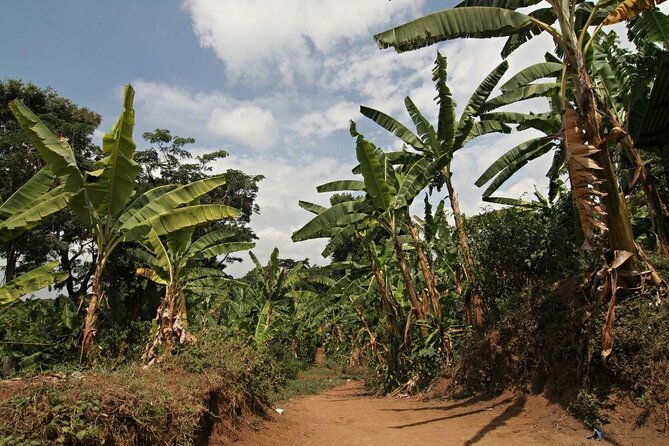
Your trek starts with collection from your lodge in Moshi and transfer to the Marangu gate. Once the paperwork is done, you begin the hike through dense rainforest—the kind of start that’s humid, green, and alive with sound.
You also get a first taste of the bigger picture when primates show up. The trail is known for impressive vegetation, and that early jungle feeling helps you settle in. It’s not just scenery; it’s a steady introduction to hiking at altitude while your body is still mostly at baseline.
This first leg covers about 8.3 km (5.2 mi) and takes around 5 hours to reach Mandara Hut. That’s a good opening day because it’s long enough to warm up your hiking routine, but not so punishing that you burn matches too early.
Day 1: rainforest to Mandara Hut, then Maundi Crater views
On day one, the goal is simple: get moving and land at Mandara Hut. The rainforest hike is about rhythm—short climbs and steady walking—while you watch the trail carve through thick vegetation.
After resting at the hut, you go to Maundi Crater for views. It’s one of those moments where the mountain starts showing you why the effort matters. From there you can enjoy a view toward the Kenyan interior. Even if you’re not the photo-every-two-minutes type, you’ll likely want to pause. This is the kind of payoff that makes the next days feel clearer.
You’ll spend roughly 5 hours total on day one, and the day includes an admission ticket that’s listed as free. That may sound like a small detail, but it’s part of what makes the total package more predictable.
Day 2: Mandara Hut to Horombo Hut through timberline and moor zones
Day two stretches longer—about 12.5 km (7.8 mi) and around 9 hours. The morning starts with early breakfast, then you leave Mandara Hut behind and head toward timberline.
Once you pass the timberline, the hike changes character. The route moves into the heath and moor zone, and the air feels different. This is where many people begin to notice altitude more. The trail isn’t just steep—it’s steady, and your breathing becomes the main “meter” you’re watching.
About 4–6 hours after leaving Mandara Hut, you reach Horombo Hut at roughly 3700 m. The views from the hut area are a highlight: you can look out toward Mawenzi and Kibo, and you also see the broader plain of the Masai steppe.
This day is the first big mental shift. You go from lush rainforest into an environment that looks higher, colder, and more exposed. If you plan well—take your time, drink water, and keep moving steadily—you’ll arrive at Horombo better set up for the tougher stage ahead.
Day 3: long day to Kibo Hut via Last Water point and the saddle
Day three is described as long and tough. It runs about 9.5 km (5.9 mi) but takes around 7 hours—because altitude and terrain slow everything down.
The trail passes the Last Water point, then continues to the saddle. Those two landmarks matter because they’re reminders of how the mountain manages resources. When water points are limited, you need to pace your intake. It’s not about racing; it’s about being smart with your body and with what’s available.
The saddle is a nearly vegetation-less plateau that connects the route toward the main summit area. From there, you hike onward to Kibo Hut, where you usually arrive in about 5–6 hours.
At Kibo Hut, you’ll have an early evening meal and an early night. This is important training for the summit reality: your sleep matters, and a short night later on can be easier if you start day four well-rested.
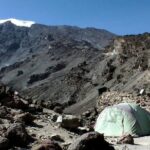
Day 4: the midnight summit climb to Uhuru Peak and back to Kibo Hut
This is The Big Day. You begin the final ascent around midnight, and it’s long and strenuous. Even if you’ve been fine so far, this is the stage where the mountain asks for patience.
You pass Hans Meyer Cave at about 5220 m, and then the climb slowly but surely rises toward the crater rim. At sunrise, you reach Gillman’s Point at 5681 m. The big reward here is that the sun gradually warms the land—after cold nighttime walking, that warmth feels like a switch flipping in your favor.
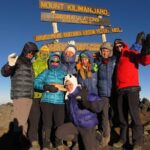
Then you hike another 1–2 hours and reach Uhuru Peak at 5895 m. At that point, the effort becomes real in a new way. It’s not just altitude; it’s accomplishment.
After reaching the peak, you descend back to Kibo Hut, where a warm meal awaits. You’ll then get about 1–2 hours before continuing down to Horombo Hut.
This day is physically demanding and time-heavy. You’re not just climbing; you’re moving in a sleep-deprived window, and you’re working against cold. If you’re someone who panics when plans get tough, this is where you’ll want a steady guide and a plan for how you’ll pace yourself.
Day 5: Horombo back down to Mandara Hut, rainforest return, and the Moshi celebration
Day five is the finish, and it still takes effort. You cover about 20.8 km (12.9 mi) in roughly 8 hours.
You pass through the heath and moor zone on the way to Mandara Hut at around 2700 m. A warm lunch is waiting there—exactly what you want after days of early starts and controlled energy.
Soon, you transition back into tropical rainforest, and that return to greenery can feel like relief. After about 6 hours trekking, you reach the Kilimanjaro National Park Gate at around 1860 m.
Then you say goodbye to your mountain guides and take a short transfer back to your hotel in Moshi. Once you’re there, you can shower, rest, and celebrate your summit.
That last day matters more than people expect. Descending can still stress your body—especially knees and ankles—so your payoff isn’t only emotional. It’s also that your body finally gets to reset.
Price and value: what you’re really paying for at about $1,800
The listed price is about $1,800.16 per person for a roughly 5-day trek. On paper, that number can feel high, but Kilimanjaro isn’t “just hiking.” You’re paying for a package that includes a lot of the pieces that usually cost extra or create headaches on your own.
Here’s the value angle that stands out:
- Camping equipment and cooking setup are included (tents, mess tent, mattress, cooking equipment).
- Accommodation and meals are included: 4 breakfasts, 5 lunches, and 4 dinners.
- Porterage is included, which is a practical benefit (you’re not lugging everything up and down at altitude).
- All taxes/VAT, parking fees, and rescue fees are included, so fewer surprise add-ons.
- You get a professional driver/guide and support for the key transitions.
What isn’t included is also important. Climbing gear (available for rent), a sleeping bag (available for rent), and accommodation before and at the end of the tour are not included. Bath towels and tips aren’t included either.
So my advice is simple: treat the price as paying for a fully managed trek, then budget separately for what your body needs at high altitude (sleeping bag rental, weather-ready layers). If you walk in underpacked, the “saves money” plan can quickly become an emergency gear run.
Group size, privacy, and why a private setup can feel calmer
This is a private tour/activity, meaning only your group participates. Private doesn’t automatically mean luxurious, but it often means you get smoother communication—especially when timing is tight and everyone needs to stay coordinated through long days.
The tour also includes pickup, and the operator uses a mobile ticket. Those details don’t sound romantic, but on summit week, small friction (finding the right place, confirming times) is the enemy.
Start time is listed as 1:30 am. Combine that with the summit stage starting around midnight and you get one clear takeaway: you’re waking up early, and you’ll want to plan your rest and hydration around that reality.
Who this Marangu trek suits best (and who should rethink it)
This trek says most travelers can participate, which fits with why Marangu is popular. The hut-based approach can make the experience easier to manage than routes that require carrying more camp gear.
I’d especially recommend it if you:
- want predictable sleeping arrangements (huts instead of tent camping),
- like having food and cooking handled for you,
- want porterage so you can focus on moving steadily,
- value a guide who keeps things steady and supportive (including patients in tough moments, like the experience described with Walter).
If you dislike early mornings and long days, you may struggle with the summit plan. Day four is the clearest example, plus day two and day five also run long. Also, if you’re someone who hates renting gear, double-check what you already own—since sleeping bag and climbing gear are not included.
Practical packing and readiness tips (based on what’s included vs not)
Since the package includes camping equipment and some core trek support, you can plan a lighter personal load. But you still need to cover the items that aren’t included.
Focus on:
- Climbing gear and sleeping bag rental (listed as available for rent).
- Personal items you’ll want daily (souvenirs are irrelevant on the mountain, but basics like your own toiletries and essentials matter).
- Don’t assume bath towels are provided.
And here’s a human tip that matters: one review described the guide team helping with gear/clothes the person didn’t bring. That’s encouraging, but don’t rely on that as your only plan. Instead, use it as a safety net: bring what you can, rent what you must, and keep your packing realistic.
Should you book this 5 Days Marangu Route trek?
If you want a well-run Kilimanjaro plan with huts, meals, porter support, and a structured climb, this Marangu trek makes a lot of sense. The biggest selling points are the route design (hut nights and clear stages) and the package approach (meals, equipment, and professional support handled for you).
I’d book it if you’re ready for an early summit push and you want a route that’s popular because it works for many people. I’d reconsider if you hate long days, dislike very early wake-ups, or you’re not willing to rent key high-altitude gear like a sleeping bag.
If you do book, prepare for the summit stage mentally: the start time and midnight push mean you’ll earn your peak with patience, not speed.
FAQ
How long is the Kilimanjaro Marangu trek?
It’s listed as 5 days (approx.).
Where does the trek start and end?
It starts in Arusha, Tanzania, and the activity ends back at the meeting point.
What time does the trek start?
The listed start time is 1:30 am.
What’s included in the tour price?
The tour includes camping equipment (tents, mess tent, mattress, and cooking equipment), parking and rescue fees, all taxes/VAT, accommodation, a professional driver/guide, porterage, and meals (4 dinners, 4 breakfasts, and 5 lunches).
What gear do I need to arrange myself?
Climbing gear and a sleeping bag are not included, but both are available for rent. Personal items and bath towels are also not included.
Are park admission tickets included?
Admission ticket access is listed as free for the days shown.
Can I cancel or change the booking after purchase?
No. The experience is non-refundable and cannot be changed for any reason.