REVIEW · ARUSHA
7 Days Machame Route Trek Mount Kilimanjaro
Book on Viator →Operated by Rupia Adventure · Bookable on Viator
That altitude grin starts early. This 7-day Machame Route climb from Arusha mixes rainforest wildlife, big altitude steps, and a crack-at-the-ice approach toward Kilimanjaro’s summit area. You’ll hike with an expert guide, sleep in tents, and follow a route designed to help you adjust before the final push.
I especially like the way the schedule supports acclimatization rather than just pounding upward. I also like the Machame Route’s “big changes” day to day—lush rain forest, then moor and heath, then dry alpine desert with Kibo in view.
One thing to consider: this is a serious physical challenge with cold, early mornings, and a night ascent that starts around midnight. If you’re not already comfortable hiking long days, you’ll want to plan training and gear carefully—because Kilimanjaro does not negotiate.
In This Review
- Key things to know before you go
- Why the 7-day Machame Route feels like a real challenge
- Meeting in Arusha: getting set up for the mountain
- Day 1: Machame Camp and the rainforest first impression
- Day 2: Shira Camp and the big shift in altitude feel
- Day 3: Shira Plateau to Lava Tower, then Barranco Valley
- Day 4: Barranco Wall and the “hands on” moment
- Day 5: Barafu Camp and the dry desert grind
- Day 6: Midnight start to Stella Point, then Uhuru Peak
- Day 7: Mweka Gate, farewell ceremony, then back to Arusha comfort
- The guides and crew: the “how” behind the success rate
- Price and value: $2,200 per person, and where the money goes
- Who this trek suits best (and who should think twice)
- Booking checklist: what to do so the mountain feels fair
- Should you book this Machame 7-day trek?
- FAQ
- What time does the trek start?
- Where does the trip begin?
- How long is the trek?
- What route is it?
- How big is the group?
- Where do you sleep overnight?
- Is pickup included?
- How does the itinerary handle acclimatization?
- What happens on summit day?
- What if the trip is canceled due to weather?
- What is the cancellation policy?
Key things to know before you go
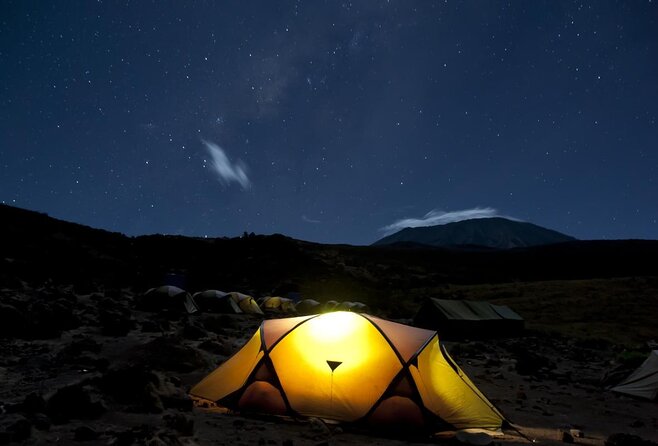
- Machame Route pacing designed for acclimatization, including climbs with minimal sleeping altitude jumps
- Wildlife-rich rain forest where you might spot colobus monkeys near camp areas
- Expert guiding plus crew support on the mountain, from start to finish
- Tented overnight stays that feel adventurous but require cold-weather readiness
- High points on summit night, including Stella Point then Uhuru Peak at 5,895m
- Small group size with a maximum of 4 travelers
Why the 7-day Machame Route feels like a real challenge
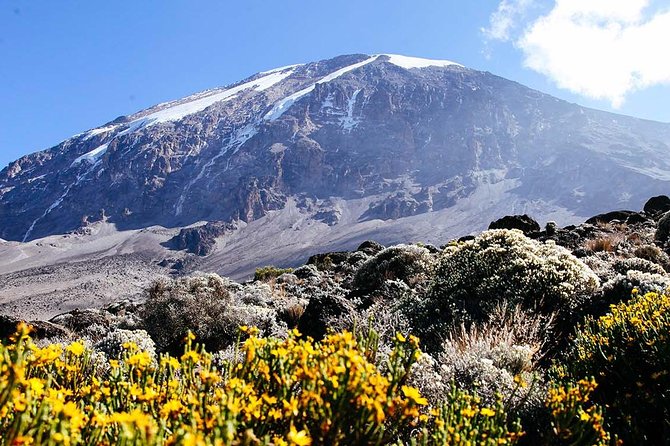
Kilimanjaro looks simple on paper. Walk uphill. Get higher. Take photos. Then reality shows up: thin air, cold nights, and long stretches where your motivation has to do some heavy lifting.
The Machame Route helps because it doesn’t treat altitude like a checkbox. The itinerary includes gradual exposure and planned recovery, so your body has chances to adapt. That matters because your goal isn’t just to “try.” It’s to give yourself the best shot at getting to the summit area.
Also, the route has variety built in. Day 1 starts in lush rainforest with ancient trees and primeval ferns. Day 2 shifts toward drier moor and heath. Then later you’ll be walking through a very dry, desert-like setting where the mountain dominates your left side for long hours. That visual change helps your brain cope with the grind—your eyes keep finding something new.
You can also read our reviews of more tours and experiences in Arusha.
Meeting in Arusha: getting set up for the mountain
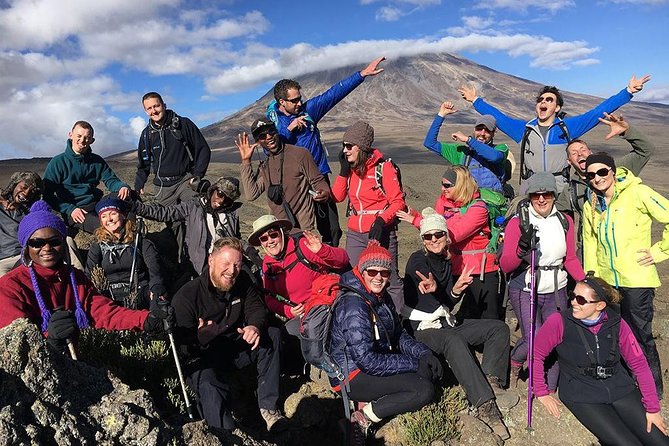
You start at 8:30am with pickup offered from your hotel in Arusha. After breakfast, you’ll transfer to the Kilimanjaro National Park gate for the required paper work. That sounds administrative. It’s also where the mountain becomes real.
You’ll head toward Machame Camp on Day 1 for your first hiking day. This opening day is long enough to wake up your legs, but it’s also the warm-up phase where you’ll learn how your pace feels in motion. If you tend to start too fast, this is where you catch that habit early.
One small travel detail that matters: you get a mobile ticket, and confirmation is received at booking. Small wins like this reduce stress when you’re juggling flights, packing, and cold-weather prep.
Day 1: Machame Camp and the rainforest first impression
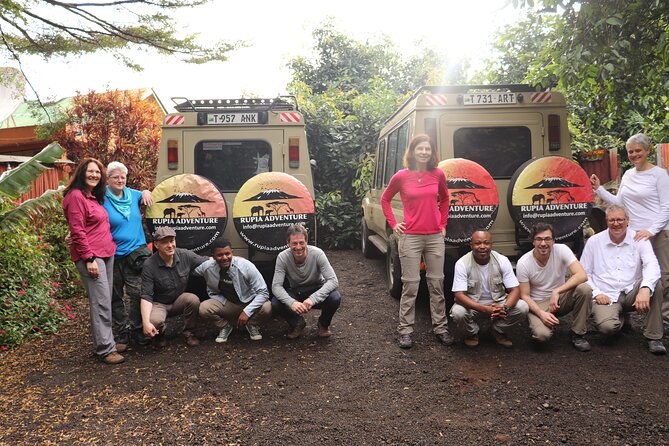
Today’s hike is about 5 to 6 hours to Machame Camp. The big win is the environment. You’ll move through rainforest with large, old trees and lots of ferns. The route also includes chances to spot endemic plants like Impatiens kilimanjari.
And yes, wildlife can show up. You might spot black-and-white colobus monkeys peeking through the leaves. It’s not a guaranteed safari-style “everybody see the animals” moment, but the habitat is right for it, so you’ll be looking up and around more than usual.
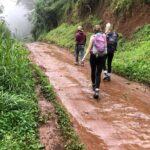
Practical thought: rainforest hiking often means damp feet and slippery ground. Your first day is a great time to find a rhythm and test what works—sock choice, boot comfort, how quickly you need to drink. After arriving, you’ll relax, stretch, and enjoy a hearty meal before sleeping in your tent. This is where the “adventure” part becomes physical. You’ll feel it tomorrow.
Day 2: Shira Camp and the big shift in altitude feel
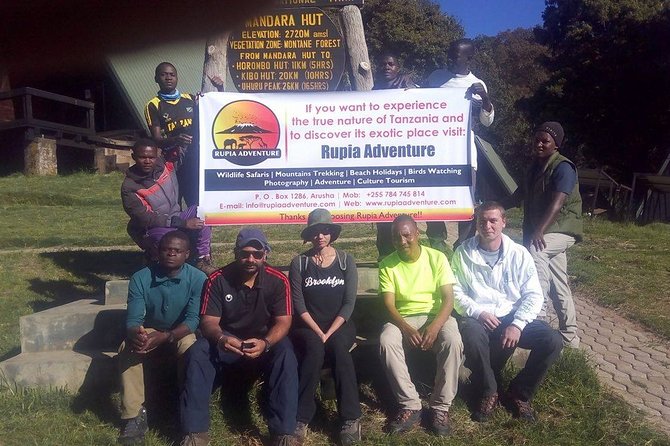
You start early, not because it’s an extra-long day, but because you want to reach Shira Camp around mid-afternoon. The point isn’t speed. It’s timing.
As you hike, the scenery shifts dramatically. You move from lush, green rainforest into dry moor and heath land. The ground and plants change, and so does how your body feels. In the rain forest, you can hide your effort behind the shade. In open moor and heath, the sun and wind feel more direct.
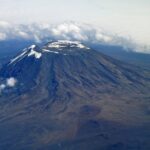
When you arrive, you’ll get that classic Kilimanjaro view, with the glacier of Kibo glinting in the golden light. You’ll eat and sleep in a tent again. By this point, you’re likely to notice you’re breathing a bit more consciously during climbs and less sleepily on the trail.
Day 3: Shira Plateau to Lava Tower, then Barranco Valley
Day 3 is where the acclimatization logic becomes the headline. You’ll climb roughly 700m, but you’ll sleep not much higher than the previous night. That’s a smart compromise—your body gets altitude exposure without turning the night into a shock.
You’ll start at Shira Plateau, work your way up to Lava Tower (4,640m) for a rest, then continue through the Barranco Valley to Barranco Camp. The walking time is about 6 to 7 hours.
The Barranco Valley keeps your mind busy with alpine desert distractions, including small lobelia plants and giant senecio. Even if you’re not a plant nerd, it helps to have something to focus on besides “how much farther?”
If you want one tip: on a day like this, keep your pace steady and avoid the urge to sprint when the trail gets easy. This isn’t the day for hero moments. It’s the day for arriving feeling capable for the next climb.
Day 4: Barranco Wall and the “hands on” moment
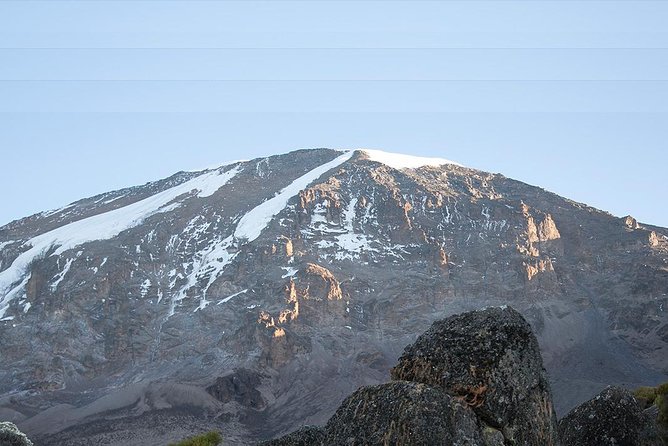
Today you’ll face the Barranco Wall. Some sections require using your hands for grip, but you’re not doing technical climbing. Your guide is with you, so you’re not figuring it out alone.
The walking time is shorter—about 3 to 4 hours—and that’s intentional. The route uses ascents and descents to continue acclimatization while giving you time to reset mentally and physically.
After the wall, you’ll walk along the ridge, taking in a mix of desert conditions and pockets of vegetation. Eventually you’ll reach Karanga Camp and settle in for dinner and overnight.
A practical note: the wall section can feel intimidating even when it’s not hard-climb terrain. The best strategy is to keep your focus on your footing and let your guide handle pacing and safety. If you’re nervous, that’s normal—then you do it anyway.
Day 5: Barafu Camp and the dry desert grind
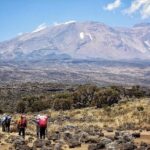
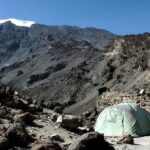
Day 5 starts with waking to sunlight on Kibo’s summit. Breakfast first, then you’ll trek to Barafu Camp. Expect very dry, desert-like terrain for most of the day, with Kibo visible off to your left as a constant reminder of what’s coming.
This day takes around 3 to 4 hours to reach camp. Once you arrive, you’ll have an early dinner and overnight, because the real highlight is only a few short hours away.
This is also a day for logistics in your own body. You want to be fueled, warm enough for night conditions, and ready to sleep without fighting cold air. If you’ve ever felt your motivation drain at nightfall, this is where you plan against it—mentally and with gear.
Day 6: Midnight start to Stella Point, then Uhuru Peak
Around midnight, you’ll be woken with warm tea and biscuits. Light is limited—moon and headlamps help you see the trail. Your final ascent is about 5 to 7 hours to Stella Point on the crater rim.
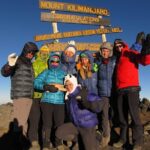
Then it’s another 1 to 2 hours onward to Uhuru Peak (5,895m). You’ll catch the sunrise over the African landscape and see snowy peak areas where glaciers sparkle in the light.
After photos and that moment of accomplishment, you’ll start the descent back toward Barafu Camp, where your team waits. This is a good time to remember something simple: climbing up is hard, but descending can feel worse because your legs take the punishment.
A small reality check: you might feel shaky or emotionally flooded at altitude. That’s normal. The key is to keep moving in a steady way—no sudden stops, no rushing. Your breath and steps do the work.
Day 7: Mweka Gate, farewell ceremony, then back to Arusha comfort
After a scrumptious breakfast, you’ll take part in a traditional farewell ceremony from your mountain crew. Then you begin the final descent down to Mweka Gate, taking about 2 to 3 hours.
You’ll trek through rainforest again, which is a relief after the barren air of higher elevations. You may get another chance to spot colobus monkeys before reaching the gate.
Once you’re met at the gate, you’ll be transferred back to your hotel for a long shower and a relaxed day by the pool. You’ll feel like you earned that comfort. Because you did.
The guides and crew: the “how” behind the success rate
This trip leans hard on the quality of the human team: guides, cooks, porters, and the whole operation that keeps you safe and fed. The route only works because people manage your pace, weather timing, and daily transitions.
The reviews attached to this kind of climb consistently praise the guides and crew focus on summit success and individual pacing. Names that have come up include Gideon and Laurent for one Machame climb, Emanuel and Meshack in another group, and Frank and Emanuel being singled out for making it happen. Other guide names you may see associated with successful trips include Mathias (leader), Julius, and Johnny. Some groups also describe meeting a consultant for pre-climb briefing and gear checks at places like Mvuli Hotel in Arusha.
My takeaway for you: pick a departure knowing you’re not doing this “solo with a map.” You’re trekking with a team whose job is to keep you moving and adjusting.
Price and value: $2,200 per person, and where the money goes
At $2,200 per person, this isn’t a bargain-basement trek. But it’s not random pricing either.
What you’re paying for:
- A structured acclimatization route over 7 days
- Tented overnight stays and mountain meals
- An expert guide and coordinated crew support
- Park entry procedures and day-to-day logistics from Arusha
- A small maximum group size of 4 travelers, which can mean more attention per person
Where you should be honest with yourself: summit success depends on your health, pacing, and altitude response. The trip can give you a fair shot, but you’re still the one doing the hiking.
If you’re choosing between shorter routes and this 7-day Machame plan, this itinerary’s pacing approach is the value hook. It’s the difference between “rushing altitude” and “learning your body while you go.”
Who this trek suits best (and who should think twice)
This experience is listed as suitable for most travelers, but let’s translate that into real life. You should strongly consider it if you:
- Can handle long hiking days with changing terrain
- Want a serious physical goal with structured acclimatization
- Are comfortable sleeping in tents in cold, high-altitude conditions
- Want expert guidance rather than trying to wing it
You might rethink if you:
- Get injured easily on uneven ground or steep descents
- Hate early starts and a midnight wake-up
- Haven’t trained for 6–7 hour hiking days at altitude
One more thing: “maximum 4 travelers” usually means a small group feel, but it doesn’t magically remove the workload. It mainly changes attention and pacing flexibility.
Booking checklist: what to do so the mountain feels fair
I’d treat this trek like a mission plan. Not overcomplicated. Just prepared.
Before you go:
- Plan for cold nights and cold mornings. You’re sleeping in tents and hiking at altitude.
- Bring gear that handles wet rainforest sections and dry, dusty alpine terrain.
- If your doctor has cleared it, think about altitude medication discussions early (the trip doesn’t promise medical specifics; you should decide with your clinician).
On the mountain:
- Keep your pace calm on acclimatization days.
- Drink consistently even when you don’t feel thirsty.
- Trust the guide when weather and timing change. This route depends on good conditions.
Should you book this Machame 7-day trek?
If you want a classic Kilimanjaro route with a real acclimatization plan, this Machame itinerary is a strong choice. The combination of rainforest-to-desert variety, planned altitude exposure, and the climb structure (Lava Tower, Barranco Wall, Barafu, Stella Point, then Uhuru Peak) is built for people who want the best odds—not just the loudest brag.
I’d book it if you can commit to training and you’re okay with tents, cold, and long days. If you’re looking for a relaxed “walk in the park” holiday, this is not that. But if you want a tough, meaningful climb with a team that focuses on getting you to the top safely, this is the kind of trip that sticks with you long after your legs stop complaining.
FAQ
What time does the trek start?
The meeting time is listed as 8:30am.
Where does the trip begin?
You’re picked up at your hotel in Arusha after breakfast, then transferred to the Kilimanjaro National Park gate for paperwork.
How long is the trek?
It’s a 7-day trek (approx.).
What route is it?
It’s the 7 Days Machame Route on Mount Kilimanjaro.
How big is the group?
The tour has a maximum of 4 travelers.
Where do you sleep overnight?
You’ll use tents for overnight stays on the Machame Route.
Is pickup included?
Yes, pickup is offered.
How does the itinerary handle acclimatization?
The schedule includes acclimatization-focused climbing, including a day where you climb roughly 700m but sleep not much higher than the previous night, plus additional ascent/descent adjustments on the route.
What happens on summit day?
You’ll start around midnight for the final ascent to Stella Point, then continue to Uhuru Peak (5,895m). After that, you descend back toward Barafu Camp.
What if the trip is canceled due to weather?
This experience requires good weather. If it’s canceled due to poor weather, you’ll be offered a different date or a full refund.
What is the cancellation policy?
Free cancellation is offered. You can cancel up to 24 hours in advance for a full refund, but cancellations less than 24 hours before the start time are not refunded.