REVIEW · ARUSHA
13 Days Adventure in Tanzania – Trekking and Wildlife Safari
Book on Viator →Operated by Rupia Adventure · Bookable on Viator
Big wildlife and mountain grit in one swing.
This Tanzania package pairs classic Northern safari sightings with a tough, scenic hike on the Machame Route, from the gate up toward the icy top. You start in Arusha, then spend time chasing animals across top parks and testing your stamina on changing altitude day after day.
What I really like is the way the safari portion is built for variety, not just one-bounce wildlife viewing. You get time in Serengeti National Park with a strong shot at the big five, then Tarangire for big elephant numbers, and the Ngorongoro Crater for its concentrated animal viewing.
One drawback to plan for: this isn’t a casual trip. You’ll want real fitness for the Machame climb, and the experience depends on good weather, which can affect what’s possible on mountain days.
In This Review
- Key things to know before you go
- Northern Tanzania in One Trip: Serengeti, Tarangire, and Ngorongoro
- Safari days are about timing, patience, and realistic expectations
- Machame Route: gate to camp and the altitude reality
- From rain forest to moorland to the icy top
- Arusha start and small-group pacing (pickup included)
- Price and logistics: judging the real value of $3,000
- Fitness reality check: who should (and shouldn’t) choose this
- The customer service vibe: personal support matters
- Should you book this Tanzania safari plus Machame trek?
- FAQ
- Where does the tour start?
- How long is the experience?
- What does the itinerary include for wildlife?
- What is the trekking route on the mountain?
- What is the maximum group size?
- Is pickup included?
- When does the experience start?
- What is the price per person?
- What if the weather is bad or you need to cancel?
Key things to know before you go
- Serengeti + Tarangire + Ngorongoro in one plan means you’re not betting everything on a single park
- Big Five focus in Serengeti, with additional big-five potential at Ngorongoro
- Machame Route is described as altitude-driven and mentally demanding, not a stroll
- Colobus monkeys and moorland plants are part of the trek’s natural story along the way
- Small group (max 4 travelers) helps keep the pace and attention more personal
- Good weather matters, so be ready for nature to steer the schedule
Northern Tanzania in One Trip: Serengeti, Tarangire, and Ngorongoro
If you’re chasing wildlife in Northern Tanzania, this plan makes a lot of sense. You’re building your game-viewing chances across three different ecosystems instead of spending all your time in just one place. That matters because animal movement and visibility change fast from park to park.
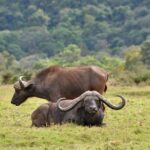
Serengeti is the headline for classic safari drama. The way this itinerary is set up aims at seeing all the big five, which is a big deal for many first-timers. When you’re hunting the full set, you want multiple days and strong park coverage, not just a half day drive.
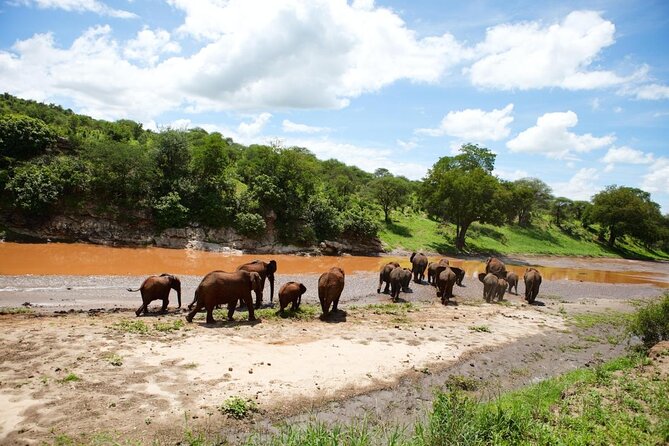
Then Tarangire shifts the focus in a useful way. This park is highlighted for huge numbers of elephants, so you’re getting a different kind of viewing than you’d expect from the Serengeti’s open-plains feel. Elephants are not just a “nice-to-have” here; they’re a core part of the point.
Finally comes Ngorongoro Crater, locally called the garden of animals. That nickname tells you what the park experience is aiming for: concentrated viewing in a relatively contained space. When you add it to Serengeti and Tarangire, you’re basically stacking chances for sightings, especially for the big five.
You can also read our reviews of more tours and experiences in Arusha.
Safari days are about timing, patience, and realistic expectations
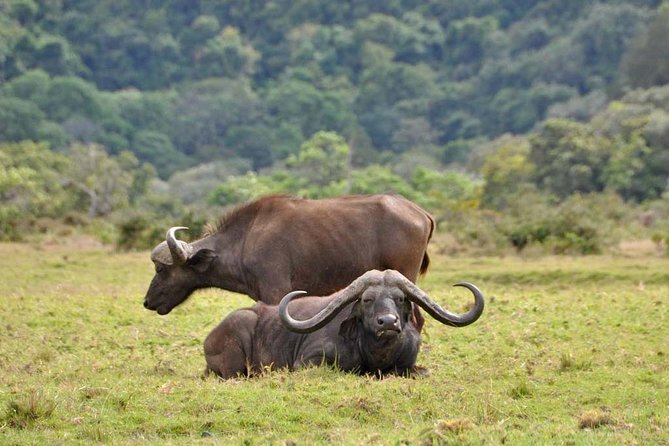
This trip is clearly built around big wildlife moments. Still, I think the best way to enjoy a safari like this is to treat sightings as a mix of luck, effort, and strategy—then you stay happy even on slower hours.
Here’s how I’d think about it. Serengeti is where you’re going for the big-five target, so you’ll want to be ready to spot subtle things: a movement at the edge of a plain, fresh tracks, a change in animal behavior near a watering area. Ngorongoro’s concentrated viewing can make animals feel closer and more predictable, but it still depends on the day’s conditions.
Your advantage in this package is that it doesn’t lock you into one style of viewing. You’ve got open plains time, elephant time, and crater time. That mix helps you avoid the letdown of repeating the same “type” of wildlife day after day.
Also, because the safari is paired with an actual multi-day trek afterward (or alongside it, depending on your exact schedule), you’ll enjoy wildlife more if you manage energy carefully. I like to keep one rule: do something flexible each day, but don’t overdo it at night. You need your sleep for mountain altitude planning.
Machame Route: gate to camp and the altitude reality
The trekking portion starts with Machame Gate (1,790m) and the first named stop is Machame Camp (3,010m). Those numbers aren’t trivia. They’re your early warning sign that this is altitude work, even before the “hard part” begins.
This package specifically frames the Machame Route as a test of will power, fitness finesse, and mental strength. That sounds intense because it is. The good news is that the trek is also described as giving you a little help from altitude changes for acclimatization. In real life, acclimatization isn’t magic, but it is one of the best tools you have to improve your odds of feeling strong later.
The route’s planning also matters for your mindset. You’re moving through multiple altitude zones, and that means your body will keep asking for the right pace. If you go too fast early, you pay for it later. If you go steady, you set yourself up to handle the climb’s later challenges.
The “lady luck” line in the description is a reminder that mountains don’t follow scripts. Even when you do everything right, conditions and timing can shift. The best approach is to show up prepared, then accept that nature has the last word.
From rain forest to moorland to the icy top
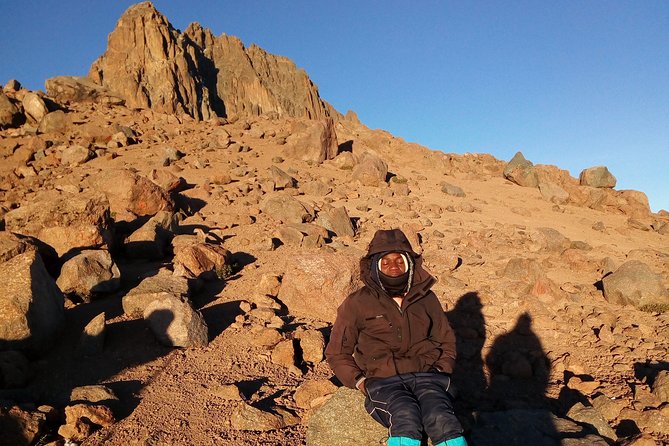
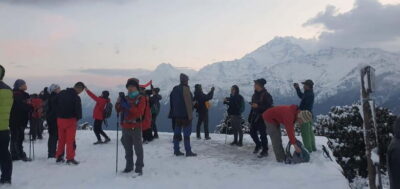
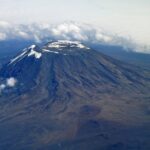
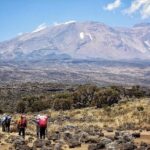
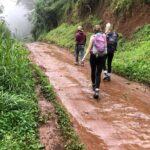
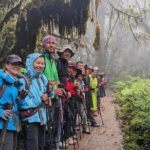
One of the most appealing parts of this trekking plan is the variety of what you walk through. The Machame Route here is described in a way that reads like a living textbook: you start in lush rain forest where colobus monkeys roam, then move into heath and moorland with ferns and ericas, and eventually reach the icy caps of the mountain top.
That’s not just scenic marketing. Different vegetation bands usually mean different temperatures, moisture levels, and wind exposure. You’ll likely feel that change in your body too. A damp, lower-elevation feel is a different hike than the cold, thinner-air top portion.
The colobus monkey detail is also a great example of why this kind of route feels special. Even if you’re not the person who chases wildlife on foot, hearing or spotting animals in the forest adds texture to your trek. It breaks up the monotony of looking only at the trail.
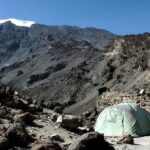
Then the heath and moorland section—full of ferns and ericas in the description—signals that you’re entering a more exposed world. That’s the stage where wind and temperature swings can matter a lot, and where your layers and pacing become crucial. By the time you’re thinking about the icy top, you’re no longer just trekking—you’re fighting cold, fatigue, and slow breathing.
Arusha start and small-group pacing (pickup included)
The tour is based in Arusha, and the experience includes pickup. That’s a practical win. Arusha is your launch pad, and pickup means you spend less time figuring out how to get from A to B before your safari and trek days even start.
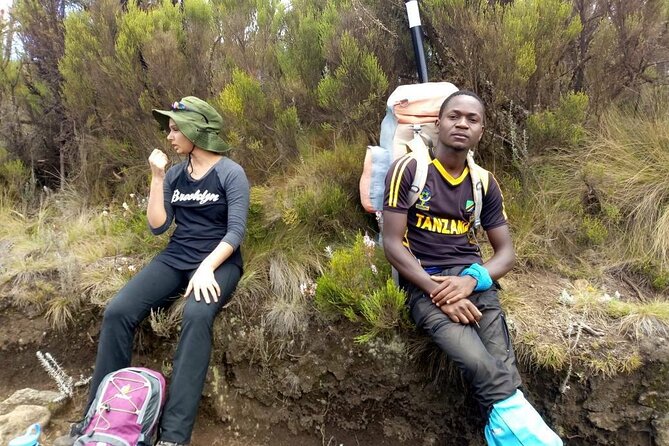
It’s also a small-group experience, with a maximum of 4 travelers. In my experience, small groups change the whole tone. You’re less likely to feel rushed, and it’s easier for guides to adapt to your pace. That matters on altitude days, where “slow and steady” isn’t a motto—it’s how you keep yourself functional.
You’ll also have mobile ticket access, and confirmation is supposed to come at the time of booking. I like anything that reduces last-minute uncertainty, because your energy is better spent preparing for safari drives and trek gear.
One small point to clarify early: the listed start time shows 12:00 am. That could be a placeholder system time, or it might mean your plan begins very early. Either way, I recommend you confirm the real pickup window in writing before you rely on the listing time.

Price and logistics: judging the real value of $3,000
At $3,000 per person, this is not a budget safari. But it also isn’t just paying for one park and one drive. You’re paying for a package that combines multiple major wildlife areas plus a multi-day climb on the Machame route.
Here’s how I’d judge value. You get (1) a Northern Tanzania wildlife circuit aimed at major sightings, and (2) an actual altitude trek experience with route variety from rain forest to moorland to icy conditions. Add in the small group size and pickup, and you’re looking at a more structured, managed experience than independent travel.
The biggest reason this price can feel “worth it” is that it’s not only about where you go—it’s also about how the days are strung together. With a small group and a guide-style operator, you’re saving yourself the headaches of stitching together safari logistics, park timing, and then switching to trek pacing.
Still, I want you to look at your priorities honestly. If you only care about relaxed safari viewing, you may prefer a shorter safari and skip the altitude test. If you want animals and a mountain challenge that changes how you move and think, then the price can start to look fair.
Fitness reality check: who should (and shouldn’t) choose this
The description says most travelers can participate, but it also makes the Machame Route sound demanding. So treat “most travelers” as a sign that there’s a range of fitness levels, not a promise that everyone will feel comfortable.
If you have solid hiking stamina, enjoy long days, and can handle cold and altitude discomfort, you’re in the right zone for this trip. This is the kind of itinerary where you’ll likely feel proud of yourself, not just entertained. The trek is framed as strengthening will power and mental strength, which usually means slow progress can still feel meaningful.
If you struggle with high effort for long stretches, or you get overwhelmed by weather changes, you may want a different plan. Also remember: the experience requires good weather. That’s not a minor detail; it’s a condition that can affect what happens on the mountain.
A good way to decide is to ask yourself one question: do you want your trip to be mainly scenic and social, or do you want it to test you physically? This one does both, but it clearly leans into the test.
The customer service vibe: personal support matters
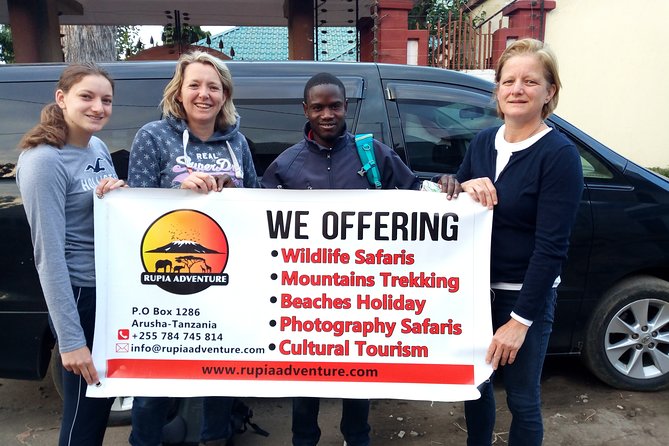
One thing that shows up strongly in the operator’s communication is the warmth and follow-through. The coordination message signed by Jolanda Bronsvoort (Expeditions Coordinator) reads like someone who genuinely wants you to return, not just someone sending a generic reply.
I take customer service seriously on trips like this because altitude and safari days both punish poor coordination. When an operator communicates kindly and responds directly, it’s easier to ask the questions that keep you comfortable—like confirming the best way to handle timing, weather conditions, and your overall pace.
There’s also a pattern of people feeling that the experience left them changed in a positive way—new friendships, stronger confidence, and a sense that it was more than a checklist trip. That kind of impact often comes from two things: a well-managed flow and a guide team that doesn’t just move you along.
Should you book this Tanzania safari plus Machame trek?
Book it if you want a single trip that hits big wildlife highlights and gives you a real mountain challenge. If your dream includes strong big-five chances across Serengeti, Tarangire, and Ngorongoro, plus a trek that moves through distinct environmental zones and builds your stamina, this plan fits.
I’d be cautious if you’re mainly after an easy holiday. This isn’t described as lightweight. You’ll want to be ready for altitude, cold conditions near the top, and the reality that good weather is required.
One final tip: since the schedule includes both safari and trekking, pack and plan for two different “modes” of travel. Safari days reward comfort and patience. Trek days reward smart layering and disciplined pacing. If you prepare for both, the trip is likely to feel like an earned adventure instead of a stressful shuffle.
FAQ
Where does the tour start?
The tour is located in Arusha, Tanzania, and pickup is offered.
How long is the experience?
It’s listed as a 13-day adventure, with duration given as about 12 days.
What does the itinerary include for wildlife?
You’ll visit Serengeti National Park, Tarangire National park, and Ngorongoro Crater, which is known locally as the garden of animals.
What is the trekking route on the mountain?
The trek follows the Machame Route, starting at Machame Gate (1,790m) and going to Machame Camp (3,010m).
What is the maximum group size?
This experience has a maximum of 4 travelers.
Is pickup included?
Yes, pickup is offered.
When does the experience start?
The listed start time is 12:00 am.
What is the price per person?
The price is $3,000.00 per person.
What if the weather is bad or you need to cancel?
Free cancellation is available if you cancel at least 24 hours in advance for a full refund. The experience requires good weather, and if it’s canceled due to poor weather, you’ll be offered a different date or a full refund. It may also be canceled if a minimum number of travelers isn’t met, with a different date/experience or a full refund.