REVIEW · ARUSHA
6 Days Trekking Marangu Route Mount Kilimanjaro
Book on Viator →Operated by MERU SLOPES TOURS AND SAFARIS · Bookable on Viator
Kilimanjaro by the Marangu Route is a grinder with comforts. The tradeoff for an easier schedule (compared to some routes) is that you still earn it—especially on the summit push—while sleeping in simple mountain huts instead of tents. I like that the hike builds gradually through rainforest, moorland, and alpine terrain, with plenty of time to settle in rather than rushing from one altitude band to the next.
My other favorite part is the practical way this trek is structured: you get guided support, set mealtimes, picnic lunches at key points, and a clear rhythm from registration at Marangu Gate to the descent through cloud forest. The one drawback to consider is that the route’s comfort comes with real limits—most of the climb is steady, but the summit night is steep and rocky, and water planning matters once you pass the last refill spot.
In This Review
- Quick hits: what makes this Kilimanjaro trek tick
- Why Marangu feels easier on most days
- Day-by-day walkthrough: rainforest, moorland, alpine desert, and cloud forest
- Day 1: Marangu Gate rainforest to Mandara Hut
- Day 2: Mandara Hut to Horombo Hut through moorland
- Day 3: Horombo acclimatization day (and Zebra Rocks)
- Day 4: The alpine desert climb and the last water point
- Day 5: Summit night to Hans Meyer and Gillman’s Point
- Day 6: Descent through cloud forest to Marangu Gate
- Summit altitude details: what the hardest hours are really like
- Food, huts, and what your money covers (and what it doesn’t)
- Value reality check: $1,900 per person
- Guides and communication: it matters on summit night
- Practical planning tips (so the hard parts don’t surprise you)
- Should you book the Marangu Route 6 Days?
- FAQ
- FAQ
- What time do we start each day?
- Is pickup included?
- Where do we start the trek?
- What kind of accommodation is used during the climb?
- What meals are included?
- How many people are in the group?
- Are park fees and guiding costs included?
- What is not included in the price?
- What happens if the trek is canceled due to weather?
- How flexible is cancellation?
Quick hits: what makes this Kilimanjaro trek tick
- Marangu Route pacing: constant, moderate climbing most days, with a dedicated acclimatization night at Horombo
- Hut sleeping: simple mountain huts rather than camping, plus a more structured routine for meals
- Clear summit checkpoints: Hans Meyer Point, Gillman’s Point on the crater rim, and Uhuru Peak
- Water logistics on Day 4: once you pass the last water point at 13,550 ft (4,130 m), you carry more until you return
- Small group size: maximum of 6 travelers, with pickup and private transportation included
Why Marangu feels easier on most days
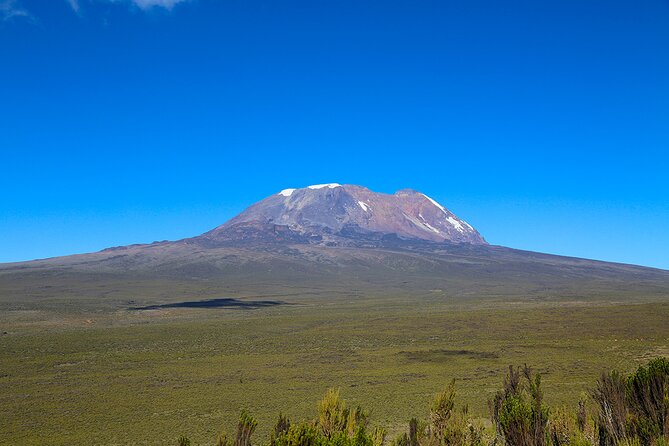
The Marangu Route is often considered the most “comfortable” way up Kilimanjaro, and the logic is simple: the trail is well-established and the day-by-day elevation gain is steadier. That matters because altitude doesn’t care about confidence—it rewards pacing.
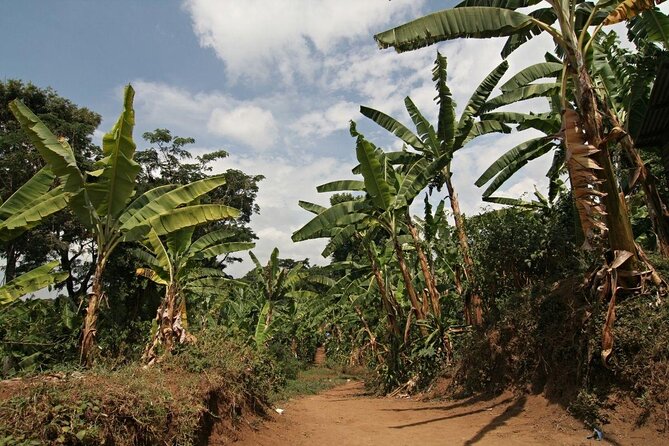
On Day 1 you start with a rainforest approach, which is cooler and greener than what most first-time hikers picture. You register at Marangu Gate, then spend most of the day walking narrow trail under trees. You’ll break for a picnic lunch at Kisambioni, then continue until you reach Mandara Hut. It’s not a free stroll, but it’s a friendlier opener than starting immediately in thin-air terrain.
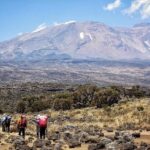
Day 2 shifts into moorland. That’s when the scenery changes from lush to rocky and desert-like, with hardy plants clinging to the ground. The hiking can feel tougher simply because the environment is drier and the trail can be more demanding underfoot. Still, the structure is good: you stop again for a picnic lunch (Kambi ya Taabu) and you finish the day at Horombo Hut around 3:00 pm.
By Day 3, you get something many people skip on faster plans: an extra acclimatization day at Horombo. That’s where the Marangu experience starts paying you back—your body gets time to adapt instead of just climbing harder.
You can also read our reviews of more tours and experiences in Arusha.
Day-by-day walkthrough: rainforest, moorland, alpine desert, and cloud forest
Here’s what to expect, stop by stop, and why each part matters for your comfort and success.
Day 1: Marangu Gate rainforest to Mandara Hut
You depart Arusha/Moshi around 8:00 am (with the trek registration at Marangu Gate). After the paperwork, your first walking hours go through rainforest. It’s a nice mental warm-up because visibility and weather feel more “ordinary” under the tree canopy.
You’ll eat a picnic lunch at Kisambioni, then continue onward until reaching Mandara Hut. If your energy holds, there’s an optional short walk to Mahundi Crater. On clear days, you can enjoy views east over Taveta and northwest toward Mawenzi Peak. Those outlook moments help break up the grind—no long speeches required, just pay attention when the sky opens.
Practical note: even on an easier route, don’t treat Day 1 like a stroll. Going too hard here can come back later during the summit push.
Day 2: Mandara Hut to Horombo Hut through moorland
After breakfast, you leave Mandara and head toward Horombo. Most of the day happens in moorland: rocky ground, desert-like plants, and a more exposed feeling.
You stop for a picnic lunch at Kambi ya Taabu, then keep moving to Horombo Hut. If the day is clear, Mawenzi and Kibo peaks show up as real landmarks. You arrive around 3:00 pm, which gives you time to rest before the acclimatization day.
This is a good day to watch your breathing. Rocky terrain can make you hike faster without realizing it—try to avoid that reflex.
Day 3: Horombo acclimatization day (and Zebra Rocks)
This is the built-in “body insurance” day. You stay at Horombo for an extra night to improve acclimatization. The plan also includes a recommended hike toward Mawenzi, passing Zebra Rocks.
The timing is specific enough to plan around: about 3 hours up and 1.5 hours down. That’s a manageable push that helps your body adjust without exhausting you. If you feel strong, it’s the day to take the hike seriously. If you feel sluggish, still move carefully but don’t turn it into a race.
Day 4: The alpine desert climb and the last water point
Day 4 is where the route tightens. You continue upward into alpine desert, and this is the crucial logistics day: you pass the last water point at 13,550 ft / 4,130 m.
From there, you’ll need to fill your bottles with enough water for the stretch until you return to Horombo about two nights later. The info also notes you can buy mineral water at Kibo Hut if you’re willing. That means you can’t rely on frequent refills once you’re committed upward.
You also reach the staging reality of summit planning: the summit is another 3,921 ft / 1,195 m above where you are, and the final ascent starts the same night. You’ll go to bed around 6:30 pm and you’ll want sleep, not just lying down.
This is the day to get your head right. If you’re anxious, you’ll feel it most here when you know the next hours are going to be long and cold.
Day 5: Summit night to Hans Meyer and Gillman’s Point
Around 11:30 pm, you wake, have tea and biscuits, then start shuffling up in the dark. This is the moment many people describe as the real turning point.
The first section is a rocky path up to Hans Meyer Point (17,225 ft / 5,250 m), which also works as a resting spot. After that, the trail zigzags toward Gillman’s Point (18,639 ft / 5,681 m) on the crater rim.
This segment is steep with a lot of stone screed. It’s physically demanding, yes—but it’s also mentally demanding because your pace slows and the footing asks for constant attention. Bring patience. No one “wins” here by pushing harder than the group rhythm.
Day 6: Descent through cloud forest to Marangu Gate
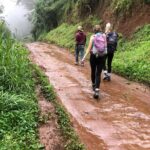
After breakfast, your trek ends with a descent to Marangu Gate. The final walking section is described as a beautiful pass through cloud forest.
That’s great news for your spirits, but watch your step: the trail can be slippery on the way down. A good summit day can still turn into a painful last day if people rush the descent.
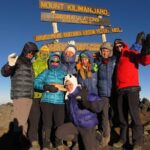
At Marangu Gate, you sign for departure. This is also where summit certificates are issued. Reaching Gillman’s Point earns silver, and reaching Uhuru Peak (1,9341 ft / 5,895 m) earns gold. Then your vehicles wait to take you back to Arusha.
Summit altitude details: what the hardest hours are really like
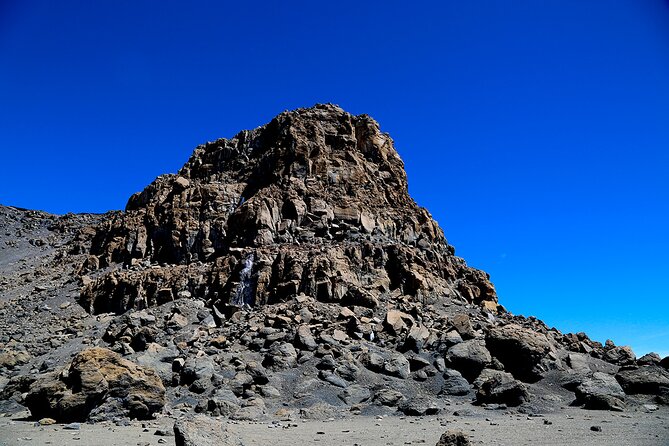
The summit night isn’t just “hard”—it’s hard in a very specific way. You’re dealing with cold, darkness, steep scree, and constant foot placement. That stone screed and zigzagging trail between Hans Meyer Point and Gillman’s Point is where many people start negotiating with themselves.
The good news is that the trek’s structure is designed to keep you moving safely: you wake at set time, you have breaks/rest points, and you know the key landmarks on the route.
Also, altitude accuracy matters. The plan lists those checkpoints clearly—so you can think of your effort in chunks rather than one endless climb. When you’re exhausted, chunking is how you survive.
Food, huts, and what your money covers (and what it doesn’t)
This trek includes 7 breakfasts, 7 lunches, and 7 dinners, plus park fees, and salaries for guides, porters, and cooks. You also get private transportation, and nights accommodation before climbing. On a Kilimanjaro trip, those details change the feeling of the whole adventure.
Food is part of that comfort equation. You’re not left to improvise meals in remote areas. Picnic lunches at Kisambioni, Kambi ya Taabu, and the daytime rhythm help you avoid the energy dips that happen when hiking without planned fuel.
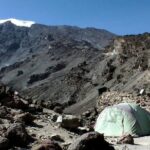
Accommodation is in simple mountain huts. That’s not the same as a hotel. It’s more like: you’ll have a place to sleep at altitude with a consistent routine, which can be a major advantage compared to camping routes if you prefer less fuss.
What’s not included is equally important. The price does not include alcoholic beverages, visa fees, tips, and mountaineering insurance. If you want mineral water during the long water carry after the last refill point, that’s not part of the included items either (you might need to buy it at Kibo Hut).
Value reality check: $1,900 per person
At $1,900 per person for about 6 days, you’re paying for a full guided mountain operation: fees and taxes, professional guides, porters, cook support, meals, and transportation. On Kilimanjaro, the cheapest-looking option can hide missing components (often park fees, guide coverage, or organized meal planning).
This price also aligns with a small-group feel: maximum of 6 travelers. That tends to help with pacing and communication, especially during the summit night when groups need to stay synchronized.
So the real question isn’t only cost—it’s whether you want hut comfort + organized logistics rather than a more rugged style of climbing. If that matches your preference, this is a solid value shape.
Guides and communication: it matters on summit night
This kind of trek lives or dies by guidance. The information here emphasizes professional, experienced mountain guides, and the trip is connected with named support from the guide team Michael and Yano.
From a practical standpoint, that matters because you’re making dozens of tiny decisions in the dark and on steep stone: where to place your foot, when to pause, how to keep breathing steady, and how to manage your energy when you’re cold and tired.
You also get good coordination support, including pickup offered and the convenience of a mobile ticket. The start time is 7:00 am, and the meeting point is near public transportation, which helps if you’re arriving on your own schedule.
Practical planning tips (so the hard parts don’t surprise you)
Even with a “easier” route, Kilimanjaro is Kilimanjaro. Here are the high-impact ways to prepare based on what the trek plan emphasizes.
- Sleep strategy on Day 4 and Day 5: you go to bed around 6:30 pm on the day before the summit push, then you wake around 11:30 pm. Treat that sleep time like part of the climb.
- Water strategy after the last refill point: once you pass 13,550 ft (4,130 m), you carry your needed water until you return to Horombo (with the option to buy mineral water at Kibo Hut). Plan your water consumption calmly rather than panicking later.
- Descent care on Day 6: the route ends with a descent through cloud forest and you’ll need to watch for slipperiness. Keep your steps short and controlled.
- Group pacing: the maximum group size is 6 travelers, which helps coordination. Still, assume you’ll have a slower rhythm at times—don’t fight it.
Should you book the Marangu Route 6 Days?
Book it if you want:
- A Kilimanjaro trek with steady, moderate pacing most days
- Hut accommodation instead of camping
- An itinerary that includes a real acclimatization pause at Horombo
- Clear guidance through the hardest segment toward Hans Meyer Point and Gillman’s Point
Think twice (or ask questions first) if:
- You dislike steep, rocky climbing at night. The summit portion is described as very steep with stone screed.
- You want frequent water access on the climb. The plan specifies a last water point before the big push.
- You’re counting on alcohol or tips being included. Those aren’t in the package.
If weather is a factor for you, note that the trek depends on good weather. If conditions cancel the trek, you’ll be offered another date or a full refund.
FAQ
FAQ
What time do we start each day?
The trek start time is listed as 7:00 am, with departure from Arusha/Moshi around 8:00 am to Marangu Gate on Day 1.
Is pickup included?
Yes. The tour information states pickup offered, and it also includes arrival and departure transfers.
Where do we start the trek?
You begin with registration at Marangu Gate after traveling from Arusha/Moshi. The meeting point is near public transportation.
What kind of accommodation is used during the climb?
You stay in simple mountain huts during the trek.
What meals are included?
The tour includes 7 breakfasts, 7 lunches, and 7 dinners.
How many people are in the group?
The maximum group size is 6 travelers.
Are park fees and guiding costs included?
Yes. The package includes park fees, professional guides, and the salaries of guides, porters, and cook.
What is not included in the price?
The tour does not include international & domestic flights, visa fees, alcoholic beverages, tips, and mountaineering insurance.
What happens if the trek is canceled due to weather?
This experience requires good weather. If it’s canceled due to poor weather, you’ll be offered a different date or a full refund.
How flexible is cancellation?
Cancellation is free up to 24 hours in advance for a full refund, based on local time cut-offs.