REVIEW · ARUSHA
4 Days Mount Meru Trekking
Book on Viator →Operated by Rupia Adventure · Bookable on Viator
Mt Meru hits different. It is close enough for four days, but the hike still feels like a real mountain story, with wildlife, cold nights, and a sunrise-style summit.
I like the small group size (up to 4 travelers), because you move at a pace that feels human instead of rushed. And I really like that park fees and meals are included, so you’re not doing math every day while you’re trying to enjoy the climb.
One thing to consider: the sleeping setups are basic. Even with good care from the team, some cabins/huts can be cold and dark, so pack for discomfort and bring a flexible mindset.
In This Review
- Key highlights at a glance
- Why Mt Meru works so well in four days
- Arusha pickup and park entry: your trek starts in wildlife country
- Day 1: Momella Gate, Maio Falls, and Miriakamba Hut
- Day 2: rainforest steps to Mgongo wa Tembo, then Saddle Hut
- Day 3: the summit night climb from Rhino Point to Socialist Peak
- Day 4: the northern route down to Momella Gate and back to Arusha
- Ranger-led safety and the real value of the crew
- Price and logistics: what $1,000 buys on Mt Meru
- What to pack: cold huts, steep trails, and summit night timing
- Who this trek suits best (and who should reconsider)
- Should you book this 4-day Mt Meru trek?
- FAQ
- How long is the Mt. Meru trek?
- Where do we meet and what time does the trek start?
- Is pickup from my Arusha hotel included?
- Are park fees and meals included?
- Will there be an armed ranger on the trek?
- Where do we sleep during the trek?
- How big is the group?
- Do I receive a mobile ticket?
- What happens if weather is poor?
- What is the cancellation policy for a full refund?
Key highlights at a glance
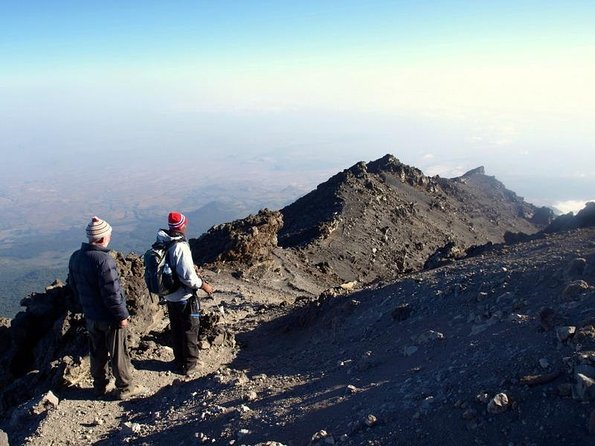
- Armed park ranger support for safer trail supervision throughout the trek
- All-in pricing with meals, park fees, and hotel transfer built in
- Sunrise summit plan from the crater rim area, with headlamps on the night climb
- Classic Mt Meru route points like Momella Gate, Maio Falls, Saddle Hut, and Socialist Peak
- Wildlife sightings possible right from the start in open grasslands
- You finish in Arusha with a return to Aquiline Hotel for your overnight and celebration
Why Mt Meru works so well in four days
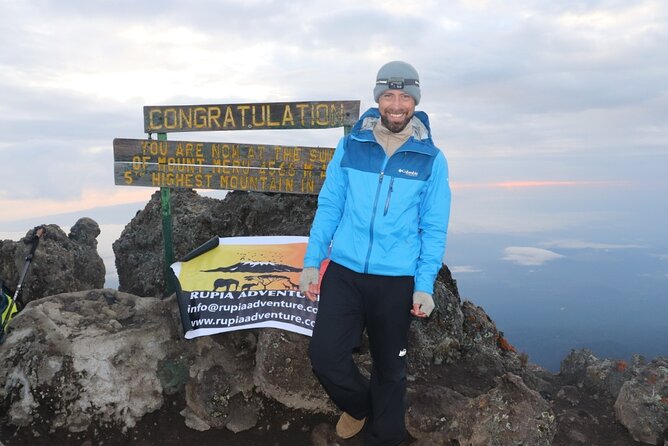
Mt Meru (Tanzania’s second-highest peak) is the kind of mountain where timing matters. On a good plan, you get enough days to acclimatize a bit, build rhythm, and still aim for the summit without turning it into a slog.
This trip is designed around that sweet spot. You spend multiple days gaining altitude through different vegetation zones—grasslands to rainforest to heather and moorland. That matters because it’s not just a workout. You’ll experience the mountain changing under your feet, and it keeps the hike interesting when the trail turns steep.
The other big reason it works in four days is the structure. You start from Momella Gate, sleep at Miriakamba Hut and Saddle Hut, then do the summit push with the “night climb + dawn view” rhythm. The payoff is that sunrise moment over the crater area, with Mt Kilimanjaro sometimes visible above it.
You can also read our reviews of more tours and experiences in Arusha.
Arusha pickup and park entry: your trek starts in wildlife country
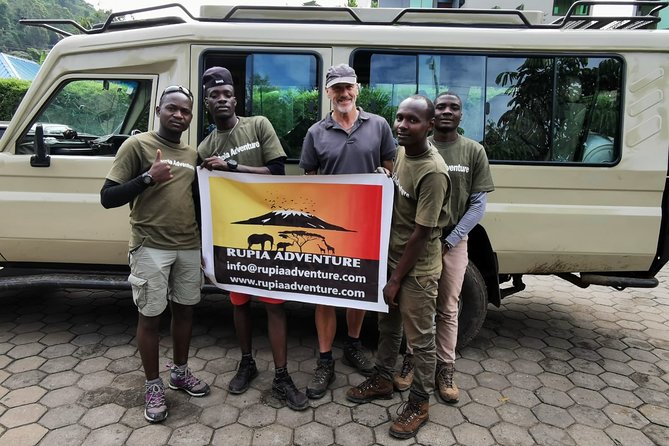
You begin with a pickup from your Arusha hotel in the morning, then drive through Arusha National Park to Momella Gate. The start is not just logistical. It’s a good warm-up moment, because the park drive and early walking can put wildlife sightings on your radar right away.
After the formalities, you launch the trek with an armed park ranger accompanying the hike. That ranger isn’t just a checkbox. On a mountain, having eyes on the trail and local conditions helps you feel more secure, especially as the hike gets harder later in the program.
Timing-wise, you meet at 9:00 am. If you’re someone who hates scrambling in the morning, this early structure is a plus. You also get a small-group feel (max 4 travelers), which usually means fewer delays and more attention to your walking pace.
Day 1: Momella Gate, Maio Falls, and Miriakamba Hut
Day 1 is your “get your bearings” day, and it sets the tone for the trek.
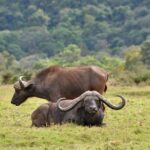
You leave Momella Gate with the ranger along open grasslands. Early on, you might spot animals such as giraffes and buffaloes as you walk. Those first sightings are a great reminder that this is not just a summit quest—you’re moving through real habitat.
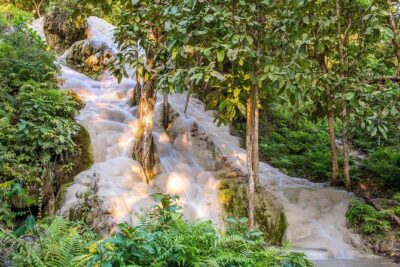
About two hours in, you reach Maio Falls, where you rest and picnic. It’s a smart break location: you stop before you overcook your legs for the day, and you refuel in a place that feels like a scene from a safari movie.
Next you continue toward the fig tree arch area, then finish the day at Miriakamba Hut with afternoon tea and snacks. You sleep at the hut that night, which is exactly what you want for acclimatization. If you’re expecting five-star vibes, adjust expectations now—these are mountain facilities, not hotels.
Practical note: day 1 is often easier mentally than later days. Use that advantage. Walk steady, hydrate, and don’t treat it like a race.
Day 2: rainforest steps to Mgongo wa Tembo, then Saddle Hut
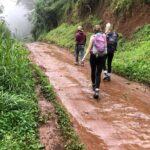
Day 2 starts with a change in effort. You’ll climb along wooden steps on a steep track, and the temperature shifts as altitude increases. Some parts of the route can feel cool even before you hit the summit push days.
The vegetation also changes. You may notice low clouds hanging around the rainforest sections, which can make the scenery feel moody and dramatic rather than bright and sunny. If weather is humid, expect that “sticky + shaded” feeling.
After about two hours uphill, you reach the viewpoint Mgongo wa Tembo (Elephant Back) at around 3,200 m. This is where you earn a real break. You’re high enough to feel the altitude, but not so high you’re already in summit-day fatigue.
From there, the vegetation transitions again—rainforest to heather and moorland. You continue toward Saddle Hut (around 3,550 m) by midday. The afternoon then gives flexibility: you have the option to hike to Little Meru (around 3,820 m) if you want the extra challenge.
This day is not just about distance. It’s about pacing. If you go too hard early, day 3 can feel brutal. If you go steady, day 3 becomes tough but manageable.
Day 3: the summit night climb from Rhino Point to Socialist Peak
This is the “wake up your courage” day.
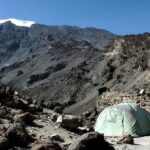
After a small snack and tea, you start leaving camp at night. You’ll use headlamps, following the trail through bush land to Rhino Point (3,821 m). From there, the route becomes more demanding. At times, you may need to climb, not just walk.
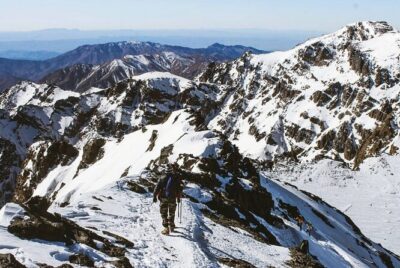
The trail passes over volcanic ash, rocks, and gravel along the crater rim. That sounds technical, but what it really means for you is: step carefully, keep your balance, and use trekking poles if you have them (if provided, use them). This is where small slips waste energy you’ll want for the final push.
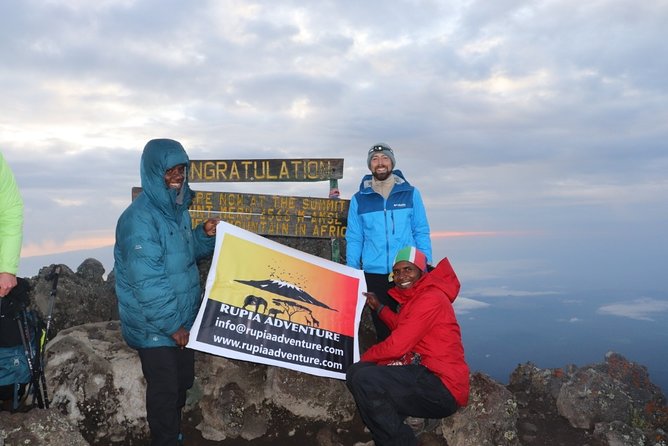
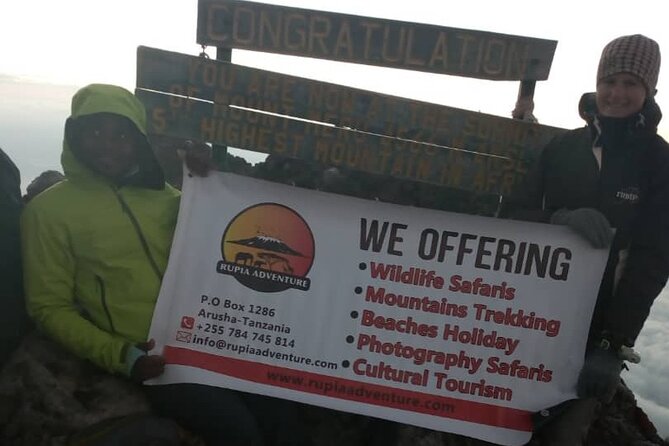
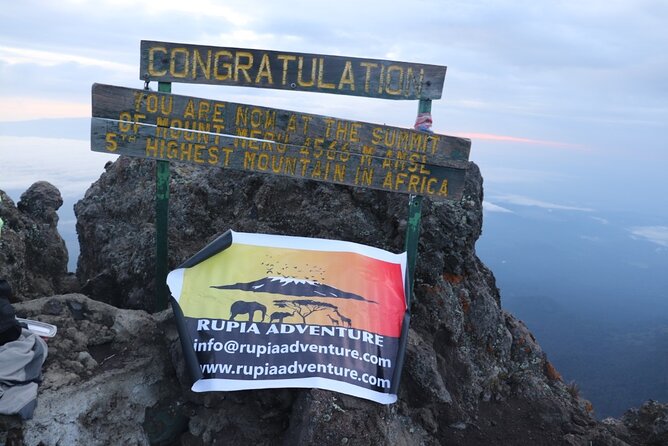
The summit target is Socialist Peak, reached after about 4 to 5 hours from Rhino Point (timing depends on conditions and group pace). Then you get the big moment: sunrise (when weather allows), with a view rising above Mt Kilimanjaro and the crater scene below—plus the “ash cone” feature in the middle.
After the summit, you descend back to Saddle Hut. You rest there and take a break before the final descent day. The summit is the headline, but the descent back down to a stable camp is what keeps the trip from turning into a total knockout.
One more practical tip based on how groups describe the experience: bring extra snacks if you’re someone who needs more fuel early. Some people find summit-day breakfast can be light, so it helps to have backup energy that’s on your terms.

Day 4: the northern route down to Momella Gate and back to Arusha
Day 4 is the payoff and the recovery day.
After breakfast, you take the northern route back toward Momella Gate. This is a shorter trek than the ascent route, but it’s not an easy stroll. Expect a steady descent and watch your footing on uneven ground.
As you drop in altitude, you might see more wildlife again—elephants, buffaloes, giraffes, and black-and-white colobus monkeys. Those sightings often make the final day feel less like “just getting down” and more like a final safari bonus.
At Momella Gate, you say farewell to your hiking crew. Then your driver returns you to Aquiline Hotel in Arusha, where you spend the night. It’s a simple, satisfying ending: you don’t have to figure out transportation after a big climb. You get to eat, shower, and let your body recover.
Ranger-led safety and the real value of the crew
The armed park ranger is one of the standout safety features in this program. It’s not only about protection—it’s also about experience on the mountain. A ranger’s presence signals that you’re in the park system properly, and you’re not wandering without guidance.
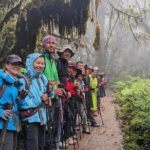
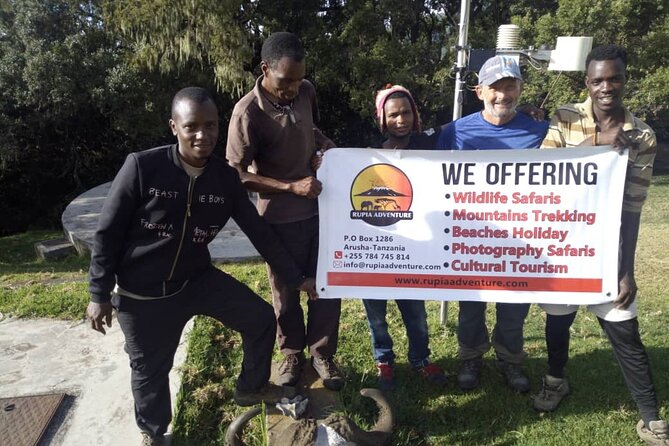
The crew also shows up in the details people remember. Guides you might be paired with include Gideon, Emmanuel, Laurent, Frank, Maziku, Victor, and Matt. Many of them are described as patient and careful, and several also have practical skills like first-aid readiness.
Cooking support matters too. The team’s cooks—named in accounts like Samuel, Samora, and David—are repeatedly tied to meal quality and attention to dietary needs. One traveler specifically called out vegetarian food on request, and another mentioned gluten-free needs being handled.
Two other points that come up with this kind of trek:
- You’ll likely rely heavily on porters and the overall team for carrying gear and keeping daily operations running.
- You can feel the difference between a guide who rushes and a guide who manages effort. The best experiences tend to come when the guide adjusts hiking speed to your group.
If you care about comfort, you’ll want to ask direct questions about hut/cabin conditions, bedding warmth, and what nighttime temperatures feel like when you go.
Price and logistics: what $1,000 buys on Mt Meru
At $1,000 per person for a roughly 4-day trek, you’re paying for a full package—this isn’t a cheap “DIY” climb. The real value is what’s included.
In this itinerary, park fees and meals are included, plus the hotel transfer from Arusha. That reduces surprise costs once you’re already on the mountain. It also means the operator is handling the coordination that usually makes treks stressful: permits, park logistics, food, and the night camps.
You also benefit from a maximum of 4 travelers. For many people, that small-group size is part of the value. It often translates into less waiting, more attention, and easier pacing discussions with your guide.
A timing note: the trek is commonly booked about 55 days in advance on average. If you’re flexible on dates, you might still find options. But if you have a tight travel window (school breaks, holidays), book earlier rather than later.
What to pack: cold huts, steep trails, and summit night timing
Even without overpromising luxury, this trek is very manageable if you prepare. Here’s what matters most based on the reality of mountain conditions you’ll encounter in a four-day Mt Meru plan:
- Warm layers for higher altitude and night. Some cabins/huts have been described as cold and dark.
- Rain protection. Low clouds and rainforest sections can bring damp weather.
- Headlamp (or ensure you have one). Summit night starts after dark.
- Solid grip shoes for volcanic ash, rocks, and gravel.
- Trekking poles if you own them (they can help on steep parts).
- Extra snacks. If breakfast feels light on summit day, having backups makes your climb smoother.
Also, think about how you want to handle spending and tipping. Some people appreciated the teamwork and service; others didn’t like how tip expectations were discussed. I’d handle this by getting clarity early, asking directly, and setting a plan that feels fair to you. Then you can focus on the trail.
Who this trek suits best (and who should reconsider)
This Mt Meru route fits active travelers who enjoy a steady hike with altitude and a real summit night. It’s listed as suitable for most travelers, and many people describe the trail difficulty as easy to medium in early and late sections, with the summit day clearly harder.
If you’re traveling as a couple, solo, or with friends, the max-4 group size is a strong match. If you’re sensitive to cold nights or you hate basic accommodations, you should go in prepared—bring warm gear and don’t expect hotel bedding.
It also works for families with responsible planning. There’s an account of a trek with two 11-year-old daughters, with guides described as professional and attentive. That doesn’t mean it’s automatically easy for kids, but it suggests the operator can support younger hikers when the group is prepared and the pace is managed.
Should you book this 4-day Mt Meru trek?
I’d book this if you want a true mountain experience without complicated add-ons. The package is practical: ranger-led safety, park fees and meals included, and a small group size make it feel more controlled and less stressful than many “budget” options.
I’d think twice if your priority is comfort. Hut/cabin conditions can be basic, and summit-day effort is real. Also, if you dislike uncertainty around tipping expectations, ask questions upfront so there are no awkward surprises.
If you’re ready for cold nights, headlamp steps, and that sunrise view from Socialist Peak, Mt Meru in four days is a strong use of time in northern Tanzania—and Arusha makes the logistics easier than most mountain routes.
FAQ
How long is the Mt. Meru trek?
The trek is scheduled for 4 days (approximately).
Where do we meet and what time does the trek start?
The meeting time is 9:00 am.
Is pickup from my Arusha hotel included?
Yes. You are collected from your hotel in Arusha on the first morning, and you also get a driver return to Aquiline Hotel after the trek.
Are park fees and meals included?
Yes. The itinerary states that meals and park fees are included in the price.
Will there be an armed ranger on the trek?
Yes. The trek includes supervision of an armed park ranger throughout.
Where do we sleep during the trek?
You spend the night at Miriakamba Hut on Day 1 and at Saddle Hut during the trek. After the final descent, you return to Aquiline Hotel in Arusha for the night on Day 4.
How big is the group?
The maximum group size is 4 travelers.
Do I receive a mobile ticket?
Yes. The experience includes a mobile ticket.
What happens if weather is poor?
This experience requires good weather. If it is canceled due to poor weather, you’ll be offered a different date or a full refund.
What is the cancellation policy for a full refund?
You can cancel up to 24 hours in advance for a full refund, based on the experience’s local time. If you cancel less than 24 hours before the start time, the amount paid is not refunded.