REVIEW · KATHMANDU
10 Days Private Annapurna Base Camp Trek
Book on Viator →Operated by View Nepal Treks and Expedition · Bookable on Viator
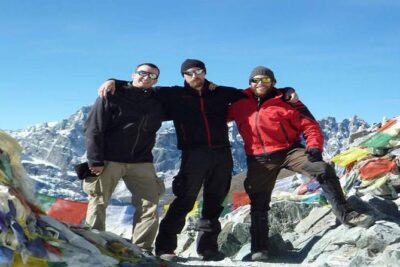
One trek. Two big rewards: Annapurna Base Camp and the villages that feed the trail. You hike the Modi River valley between giant peaks, through bamboo, rhododendron, and oak forest, with lots of chances for animal and flower sightings along the way. I also like how the route mixes real Gurung culture (Ghandruk, museums, ACAP HQ) with high-mountain scenery, instead of treating culture like a side quest. The main drawback to keep in mind is that this is still moderate hiking for 5–7 hours most days, and the trek needs good weather to go as planned.
This trip is priced at $1,100 per person for 10 days, and the value comes from what’s bundled: your guide, porter support, permits, trekking meals, plus transport and Pokhara lodging. If you want a smooth logistics setup and you’re okay taking it day by day at your pace, it’s a strong fit.
In This Review
- Key Highlights You’ll Feel on the Trail
- Why This Trek Works Better as a Private Trip
- Getting There: Kathmandu to Pokhara, Then Into Trek Mode
- Village-to-Village Hiking Along the Modi River
- Into the Sanctuary: Bamboo, Rhododendron, and the Annapurna Wall Feeling
- The Long Descent, Plus Machhapuchare Base Camp Scenery From the Other Side
- Hot Springs Reset: Jhinu Danda to Landruk
- Dhampus Finish: From Tolka to Pokhara Views, Then Kathmandu
- Price and Logistics: Where $1,100 Holds Up
- Guide + Porter: The Real Difference You’ll Notice
- Pace, Weather, and Fitness: How to Prepare Smartly
- Should You Book This Annapurna Base Camp Trek?
- FAQ
- Where is the meeting point for this trek?
- Is pickup included?
- How long is the trip?
- What’s included in the price?
- What’s not included?
- What happens if weather is bad?
Key Highlights You’ll Feel on the Trail
- Private trekking setup with porter support (2 clients share 1 porter), so you’re not stuck hauling your own gear while you’re tired.
- Modi River walking all the way through, which means constant scenery and natural pacing as the trail rises and falls.
- Ghandruk and Chomrong as cultural anchor points, including Gurung village stops and visits tied to local heritage.
- Annapurna Sanctuary to base camp, with the huge glacier views and a ring of white peaks around you.
- Jhinu Danda hot springs, an easy payoff day when your legs want a reset.
- Dhampus viewpoint finishing day, then a return drive back toward Pokhara before flying or bus back to Kathmandu.
Why This Trek Works Better as a Private Trip
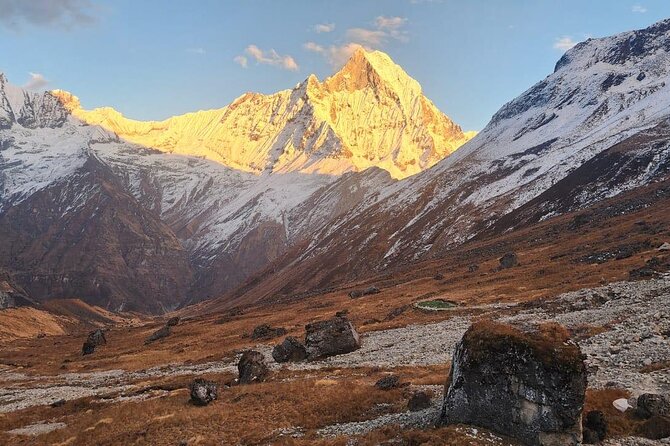
A lot of treks advertise high mountain views. This one also takes care of the boring parts: getting you moving, feeding you, and matching pace. Because it’s private, you’re not stuck in a line of strangers matching someone else’s rhythm. That matters when you’re hiking 5–7 hours some days and still want to enjoy the village breaks, the forests, and the views.
The “real support” angle is the porter system: 2 clients share 1 porter, and the guide is there to keep things organized. In practice, that means you can focus on walking and photos instead of juggling everything when conditions get steep or the trail gets muddy.
One more subtle plus: the route threads through places with distinct identities—farm villages, Gurung culture, dense forest lodges by the Modi River, and then the open amphitheater feeling near the sanctuary and base camp.
You can also read our reviews of more tours and experiences in Kathmandu.
Getting There: Kathmandu to Pokhara, Then Into Trek Mode
Day 1 starts with a 6-hour drive from Kathmandu to Pokhara, with scenic passes and views you can catch from the road: local villages, plus stretches near the Trisuli and Marsyangdi rivers and mountain viewpoints. It’s a nice way to ease in. No pressure to do anything fancy; just settle, take in the country side views, and get your bearings.
Then you’re on your way again. The early days are built to transition you from driving life into trekking life. That matters because the Annapurna region can feel intense once the trail starts climbing consistently.
Also, this operator offers pickup, and they use a mobile ticket approach, which tends to cut down on last-minute hassle.
Village-to-Village Hiking Along the Modi River
What I like most about this route is the constant “river valley logic.” You’re not hiking randomly across ridges. You follow the Modi River corridor, which gives you a pattern: the trail rises in sections, then flows through villages and forest lanes, often with terraces and cultivated edges.
A few early highlights you should look for:
- Bhirethati to Syauli Bazaar to Kimche to Ghandruk
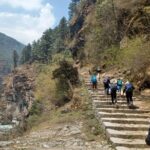
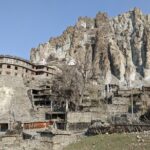
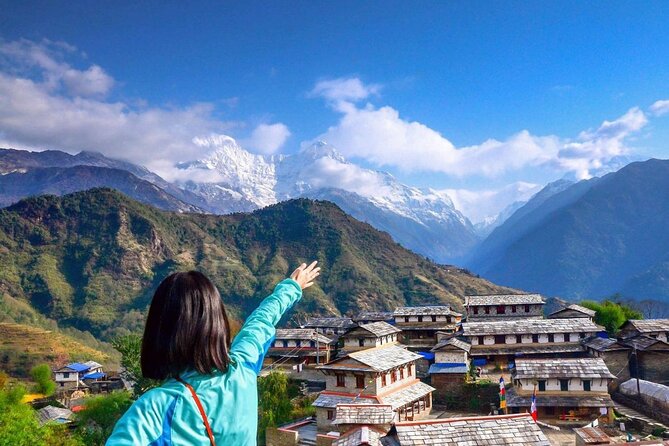
The first walking day starts fairly easy along the Modi River, then you get stone-paved steps and gentle climbs. When you reach Ghandruk, the views are the reward and the village itself is the bonus—this Gurung community has a strong sense of place. You can also visit the Gurung local museum and the ACAP HQ area, which helps the scenery make more sense than just pretty peaks.
- Chhomrong as a gateway village
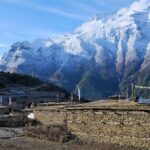
The next day moves through Kyomrong/Chomro then down toward the river, and back up toward Chomrong. This is described as the last permanent Gurung village and a gateway feel to the higher sanctuary trekking. Chomrong is often where trekkers start to sense that the mountains are getting serious.
If you’re the type who likes small discoveries—stone steps, terrace edges, patterned pine and oak—this corridor delivers.
Possible consideration: the stairs and uphill sections add up. Even if the days are “moderate,” you still want steady shoes and a pace you can repeat.
Into the Sanctuary: Bamboo, Rhododendron, and the Annapurna Wall Feeling
Once you’re past the early villages, the hike leans hard into forest atmosphere. You’ll see dense forests, then reach lodge areas in bamboo and rhododendron/oak zones. The route also pushes you into higher altitude vegetation changes, which makes the air and scenery shift day by day.
A key stop here is the Himalaya Hotel area (with accommodation included). It sits in the Modi River gorge, surrounded by forest. That lodge zone is the kind of place where you’ll stop for water, tea, and a long look at the valley without needing to go anywhere else.
Then comes the main “wow” sequence:
- Rising along Modi River upstream through the sanctuary toward base camp
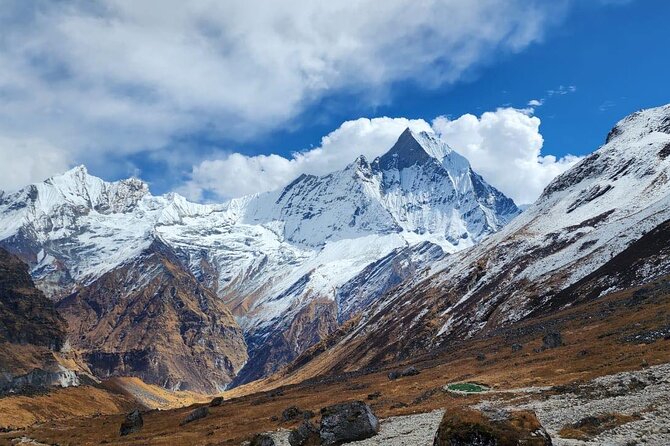
- A climb toward Machhapuchare Base Camp area
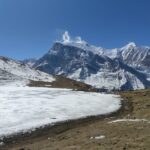
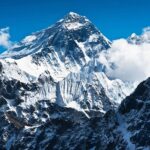
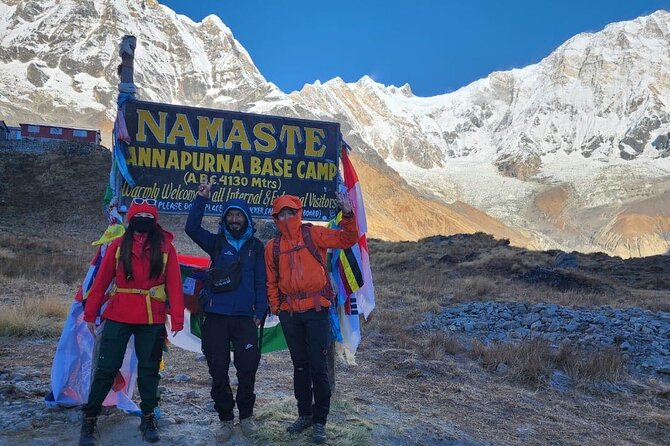
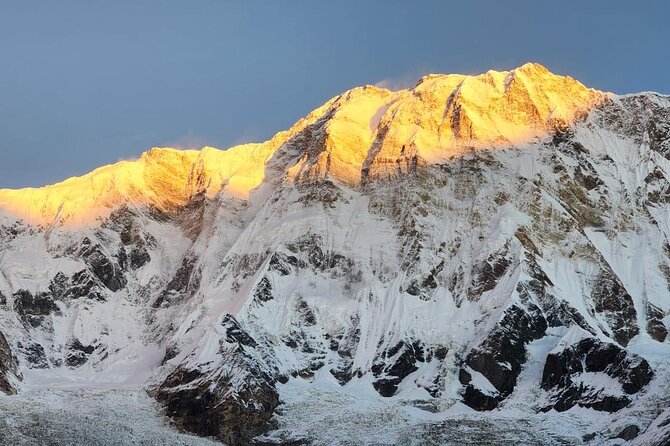
- And then the walk to Annapurna Base Camp, where you’re surrounded by towering white peaks and you can see the huge glacier.
This is the moment the whole trek is aiming for. You’ll get that cathedral effect of high walls and bright peaks, and it doesn’t feel like you’re just standing in a viewpoint. You’re inside the mountain setting.
Practical note: this day’s “best views” depend heavily on weather. When conditions are clear, it’s magic. When clouds roll in, you’ll still hike through an amazing ecosystem, but the peak drama can be muted.
The Long Descent, Plus Machhapuchare Base Camp Scenery From the Other Side
After base camp time, you don’t continue forward—you descend. That’s one reason this trek can be more doable than it looks. Day 6 takes you down to Deurali, passing back through areas around Machhapuchare Base Camp, and then winds through forest back toward Bamboo.
This is also a “less flashy but satisfying” kind of day. You’re moving through familiar vegetation zones again—bamboo, rhododendron, and oak—but now the lighting and your body state are different. You’ll notice the way the Modi River gorge changes as you lose elevation.
On this day, staying flexible with your pace is smart. Your legs will feel it, even when your mind is still excited about mountain photos.
Hot Springs Reset: Jhinu Danda to Landruk
Day 7 is a classic “mix day”: some climb, then downhill paths, then more village time. You’ll move from Bamboo up to Khuldi Ghar, then down into dense forest back toward Chhomrong Khola, cross a bridge, and climb to Chomrong for a short rest or lunch stop. After that, the trail tops out at Chomrong ridge, then heads down toward Jhinu Danda for the night.
And yes, the payoff is the hot springs. It’s described as a relaxing soak area about 20 minutes downhill near the Modi River. This is the kind of day that makes the whole earlier climbing worth it.
Day 8 continues with a longer descent into the Modi River area, including a suspension bridge and walking past farm fields. Then you climb gently toward Landruk, and later walk toward Tolka, with views of Annapurna South and Huinchuli. This section feels like you’re returning to more open village life while still keeping one foot in mountain scenery.
Dhampus Finish: From Tolka to Pokhara Views, Then Kathmandu
Your final trekking push starts from Tolka and runs through Bheda Kharka and then into cooler forest to Deurali for views. On this last stretch, the peaks you’ve been tracking from earlier days show up in a broader way: Dhaulagiri, Annapurna South, Huinchuli, Machhapuchare, and the Ghandruk village area.
Then it’s downhill through forest to Pothana, and finally to a ridgeline finish at Dhampus village. Dhampus is timed so you get those wide final panoramas before the last downhill toward Phedi.
From there, you do a short drive (about half an hour) back to Pokhara, where you can decompress after high-mountain time. Day 10 then gives you a choice: a scenic flight to Kathmandu or a tourist bus, arriving in the afternoon.
If you want a clean ending, this structure is good: big final views on the trek’s last day, then comfort and rest immediately afterward.
Price and Logistics: Where $1,100 Holds Up
At $1,100 per person, you’re not paying only for the trekking. You’re paying for a package that includes:
- A licensed guide and porter support (with 2 clients sharing 1 porter)
- All trekking meals (breakfast 8 times, lunch 8 times, dinner 7 times)
- Trekking accommodations
- Two nights in Pokhara plus additional lodging by private transport in the route toward Phedi
- Trekking permits and TIMS card
- Guide/porter food, salary, transport, and insurance (as listed)
What’s not included is also clear: drinks, grocery items, and tips. And if you need extra time in Kathmandu beyond what’s covered, the data says Kathmandu lodging costs $40 USD per night.
So is it good value? For many people, yes, because the trek is where costs add up fast—permits, guide time, porter support, and consistent meals. If you tried to DIY everything, you’d still end up paying for guide and permits, and you might spend your energy on organization instead of enjoying the trail.
Guide + Porter: The Real Difference You’ll Notice
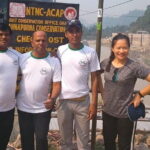
The strongest praise from past hikers is usually about the people running the trek. Here you’ll see names like Kumar, Sukman, Pande, and Koumar tied to positive experiences. The consistent themes are:
- The guide is attentive and adjusts to your walking level
- The guide and porter are friendly and supportive
- Organization is handled so you don’t waste time worrying about what comes next
- One guide (Kumar) is described as funny with solid local knowledge, which can make long days feel shorter
That last point matters more than you’d think. When you’re doing multiple uphill sections and forest walking days, a good guide helps you keep a steady rhythm. A porter helps you keep your shoulders calm. That combination is often what turns a “hard trek” into a “memorable trek.”
Pace, Weather, and Fitness: How to Prepare Smartly
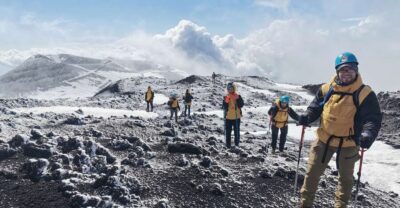
This trek is listed for people with moderate physical fitness. Day times vary from about 5 to 7 hours of walking on most days. The walking isn’t just about distance; it’s also about steep bits, stone steps, bridges, and river-valley changes.
Also, weather matters. The experience specifically notes it requires good weather, and if it’s canceled due to poor weather you should expect a different date or a full refund. Plan for the idea that conditions can shift in the mountains.
My practical advice:
- Dress in layers so you can handle morning chill and afternoon warming.
- Keep a steady pace early so you’re not forced to “pay for it” later.
- If you’re newer to trekking, take advantage of the guides’ ability to adapt pacing. The route is designed for progression, not a sprint.
Should You Book This Annapurna Base Camp Trek?
Book it if you want a route that mixes Annapurna Base Camp glacier views with proper village culture—Ghandruk and Chomrong style—not just a straight line to a summit. The private setup plus guide and porter support makes it easier to enjoy your hiking days instead of managing logistics.
Skip it (or at least reconsider) if you want minimal hiking time, or if you’re not comfortable walking 5–7 hours repeatedly. Also, if your schedule can’t handle weather-based changes, you need a bit of flexibility—this trek is weather-sensitive by design.
If you’re reading this thinking about doing Annapurna Base Camp soon, this is one of those packages that aims to reduce stress so the mountains can do the talking.
FAQ
Where is the meeting point for this trek?
The trek starts at View Nepal Treks & Expedition P. Ltd., Thamel Marg 24, Kathmandu 44600, Nepal. The activity ends back at the meeting point.
Is pickup included?
Pickup is offered, based on the tour features listed.
How long is the trip?
The duration is listed as 10 days, approximately.
What’s included in the price?
Included items are a licensed guide and porter (2 clients: 1 porter), meals during the trek (breakfast, lunch, dinner as listed), accommodations during the trek, rooms in Pokhara/Pokhara Nayapul/Phedi-Pokhara by private transport, trekking permits and TIMS card, and guide/porter food, salary, transport, and insurance.
What’s not included?
Not included are drinks, grocery items, and tips for the guide and porter. Kathmandu lodging costs $40 USD extra per night if you need accommodation in Kathmandu.
What happens if weather is bad?
The experience requires good weather. If it’s canceled due to poor weather, you’ll be offered a different date or a full refund.