REVIEW · ARUSHA
5 Days Marangu Route – Mount Kilimanjaro Trek
Book on Viator →Operated by Rupia Adventure · Bookable on Viator
Midnight on Kilimanjaro changes your pace.
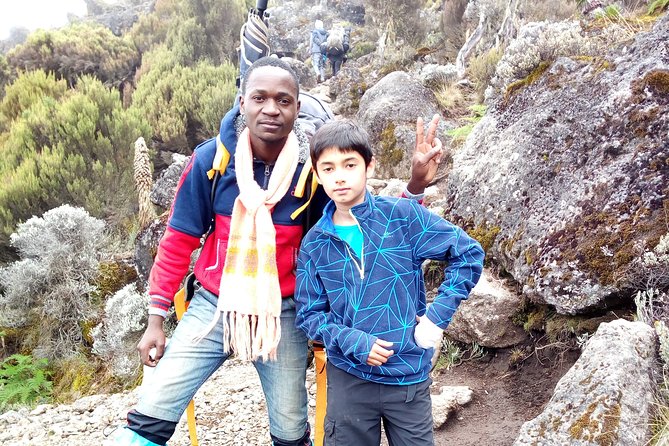
This 5-days-on-the-mountain setup (with travel days around it) is built around the classic Marangu Route: rainforest hiking, big acclimatization views from the huts, and a summit push that starts around midnight. I really like how Rupia Adventure handles the start with experienced staff—you meet your guide, get a proper equipment check, and can rent missing gear before you head toward the park.
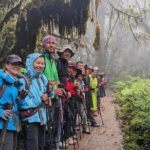
I also like the human touch of the guiding team. Names like Meshack, Maziku, Franky, John, and Julius show up in past climbs, and you can feel the focus on tips, morale, and getting you through the rough moments with good energy. On summit day, that matters.
One thing to consider: this is not a casual hike. The “big day” is long and strenuous, and even with a good plan, the climb to Uhuru Peak can feel tough—especially if you aren’t used to very cold starts and high altitude.
In This Review
- Key highlights from this Kilimanjaro plan
- Marangu Route reality check: the week plan vs. the real climbing
- Moshi arrival, airport pickup, and your equipment check
- Day 2: rainforest hiking to Mandara Hut and the Maundi Crater view
- Day 3: timberline, heath and moor, and Horombo Hut at 3,700m
- Day 4: Last Water point, the saddle, and the long push to Kibo Hut
- The Big Day: midnight ascent, Hans Meyer Cave, Gillman’s Point, and Uhuru Peak
- Day 6 descent: heath and moor to Mandara Hut, warm lunch, and back to the gate
- Day 7: Moshi wind-down and optional safari or Zanzibar time
- Price and logistics: what $1,500 buys you on Kilimanjaro
- Who should choose this Marangu climb (and who should rethink)
- Practical preparation tips to make the trek feel smoother
- Should you book Rupia Adventure for Kilimanjaro via Marangu?
- FAQ
- What does Day 1 include?
- How long is the trek compared to the full trip length?
- Which huts and key stops are on the route?
- When does the summit attempt start?
- Can I rent mountain gear if I don’t have everything?
- What is the maximum group size?
- Is the booking refundable if I cancel?
Key highlights from this Kilimanjaro plan
- Airport pickup + Moshi hotel transfer sets you up with less stress on arrival day.
- Equipment check and gear rentals mean you’re not improvising at 3,000m.
- Rainforest → heath and moor → saddle gives you real altitude variety.
- Kibo Hut timing sets up an early evening meal and short rest before the summit push.
- Summit plan details include Hans Meyer Cave, Gillman’s Point, and Uhuru Peak in the morning.
- Small group size (max 15) keeps the whole climb feeling organized.
Marangu Route reality check: the week plan vs. the real climbing
This trip runs about a week total, but the climbing work happens over roughly five mountain days. Day 1 is about arrival, briefing, and getting your gear right. Days 2 through 6 are where the altitude and the trail take over, then Day 7 is a wind-down in Moshi.
Marangu is popular because the day-to-day structure is clear and hut-based. You sleep in established mountain huts at key altitude points, so your effort is spent on hiking and acclimatization instead of finding your own shelter. Just remember: hut systems don’t make altitude easy. You’ll still feel it.
If you want maximum comfort during the summit day logistics (start time, meal timing, and route sequencing), this plan is built for that. If you’re chasing a super relaxed experience, look elsewhere. The schedule is serious, especially on the long day that leads to Kibo Hut and the midnight summit push.
You can also read our reviews of more tours and experiences in Arusha.
Moshi arrival, airport pickup, and your equipment check
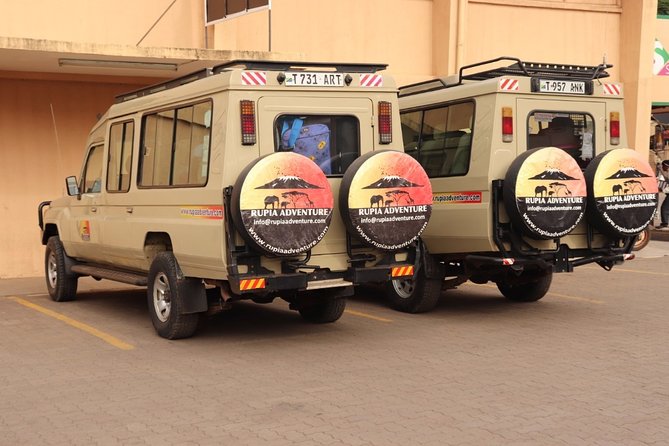
Your first move is practical: you’re picked up at Kilimanjaro International Airport and transferred to your hotel in the Moshi area. Then you meet your guide for a trek briefing and an equipment check so you start the mountain with the right items.
What I like here is the focus on missing gear. If something is not packed—gloves, layers, rain protection, and other essentials—you can rent it on the first day. That small detail can save your summit experience from turning into a cold, uncomfortable grind.
Your overnight is listed as Panama Hotel or Mvuli Hotel (or an alternative), depending on what’s available. Either way, it’s all about one thing: get you rested enough for Day 2 and keep the group on schedule.
Day 2: rainforest hiking to Mandara Hut and the Maundi Crater view
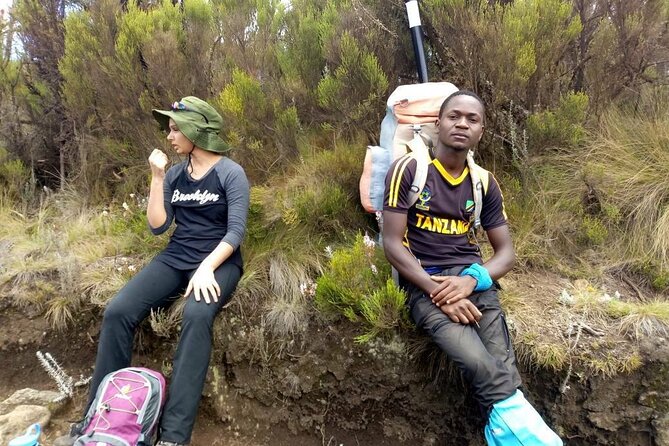
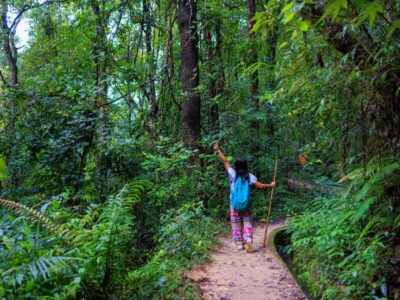
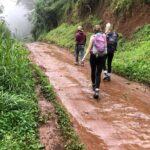
Day 2 is your warm-up in the best sense of the word. After breakfast, you head from Moshi toward Marangu Gate, complete the paperwork, and then start hiking through dense rainforest. This is the part of the trek where you’ll feel the humidity and the lush vegetation before altitude starts getting dramatic.
One of the real perks here is the way the scenery changes while you still feel relatively fresh. You may catch glimpses of primates along the trail, and your guide uses the time to get you settled into the pace. The goal isn’t speed; it’s rhythm.
You reach Mandara Hut and rest, then continue toward Maundi Crater. The payoff is a wonderful view out over the Kenyan interior. That view is more than pretty; it helps you remember you’re hiking a real mountain system, not just walking uphill in the dark.
A possible drawback: rainforest days can feel slower because the trail is full of life and moisture. If you hate wet socks and muddy boots, plan for it.
Day 3: timberline, heath and moor, and Horombo Hut at 3,700m
Day 3 starts with early breakfast, then the trail climbs out toward the timberline. After that you enter the heath and moor zone, and the whole feel of the hike changes. The air often feels sharper, the vegetation shifts, and the climbs start taking more out of your legs.
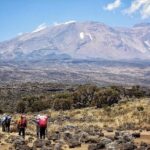
About 4–6 hours into the day, Horombo Hut comes into view at 3,700m. This is a key acclimatization stop because it gives you that all-important “I can see the mountain clearly” moment. From the hut, you get fantastic views over Mawenzi and Kibo and the wide plain of the Masai steppe.
I like the value of this day because it’s not just about reaching a number. It’s your chance to understand what altitude does to your breathing before the toughest sections. If you feel winded, you’re not failing. You’re learning the mountain’s tempo.
Tip that comes straight from how these routes work: take your time on the first part of the day. The fitter you feel early, the better you can stay controlled when you’re tired later.
Day 4: Last Water point, the saddle, and the long push to Kibo Hut
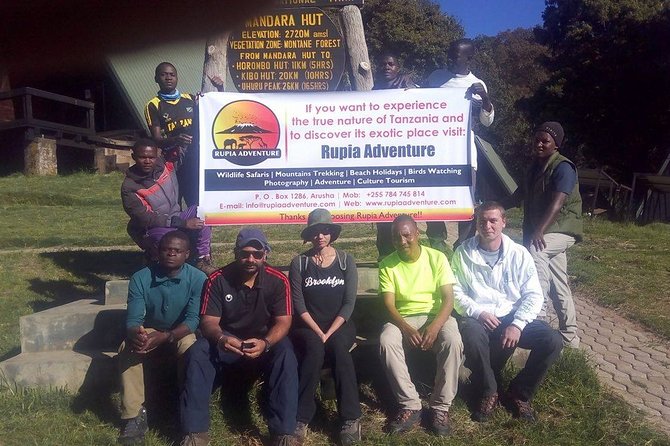
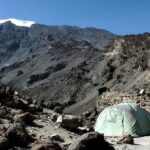
Day 4 is the “okay, this is real” day. The trail is well built, but it’s also long and tough, and you’ll notice it as the hours add up. You pass the Last Water point, then move through the saddle, a nearly vegetation-less plateau that connects the main summit area of Kibo with Mawenzi.
That saddle stretch can be mentally draining. There’s less cover, the wind can play tricks, and the horizon looks endless. This is where your guide’s pacing and team energy matter most.
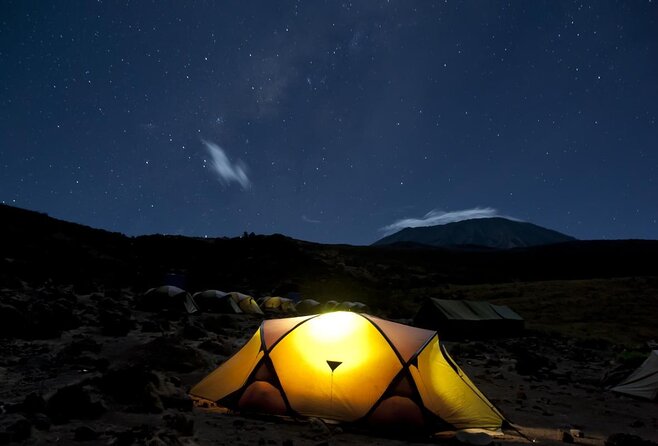
Your destination is Kibo Hut, typically reached in about 5–6 hours. Here you enjoy an early evening meal followed by an early night because the summit night will be short. That timing is not random—it’s a deliberate setup for the midnight start.
The main drawback for many people: you’re tired before you ever get to the summit day. If you go too fast on Day 4, you might pay for it on Day 5.

The Big Day: midnight ascent, Hans Meyer Cave, Gillman’s Point, and Uhuru Peak
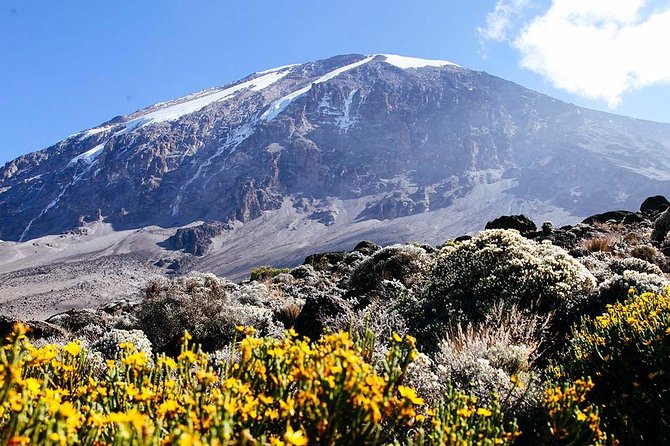
Summit day begins around midnight with a long, strenuous ascent. You pass Hans Meyer Cave at 5,220m, and the climb steadily rises. The pace matters because you’re climbing in cold hours when your body wants to conserve energy.
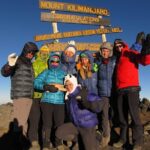
At sunrise, you reach Gillman’s Point (5,681m), which is the crater rim area. Then it’s another 1–2 hours to Uhuru Peak (5,895m). That morning sequence is a classic Kilimanjaro rhythm: dark climb, then a gradual warming as the sun hits the land.
One practical expectation from past climbing stories: if you start around midnight, you can often reach Uhuru Peak around 6am. That timing helps you plan your head space—this is why you sleep early the night before.
On the descent to Kibo Hut, a warm meal awaits you, followed by a 1–2 hour break before you continue down to Horombo Hut. That hot food and short rest are a big deal. Summit day is emotional, but it’s also physical. The plan respects that.
Day 6 descent: heath and moor to Mandara Hut, warm lunch, and back to the gate
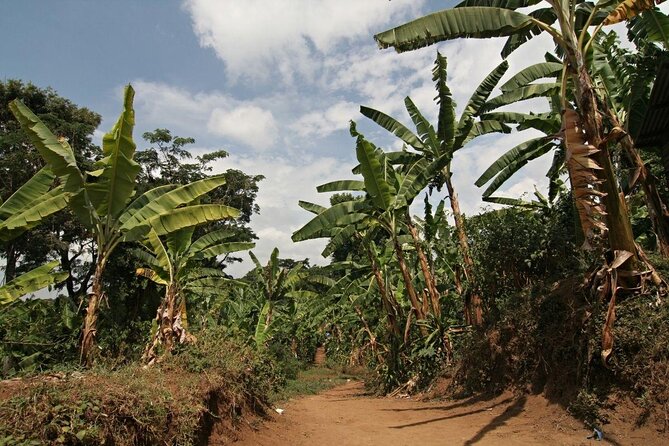
Day 6 is the final stage, and it’s a different kind of hard. You pass back through the heath and moor zones toward Mandara Hut at 2,700m. A warm lunch is waiting there, which is a comfort you’ll really appreciate after the cold summit hours.
Soon after, the trail shifts back into tropical rainforest. You’re still hiking, but the change in vegetation can make the descent feel less monotonous. You finish after about 6 hours of trekking at the Kilimanjaro National Park Gate (1,860m).
Once you say goodbye to your mountain guides, you transfer back to your hotel in Moshi. Then comes the best post-trek reward: a warm, relaxing shower and a chance to celebrate your summit success properly.
Day 7: Moshi wind-down and optional safari or Zanzibar time
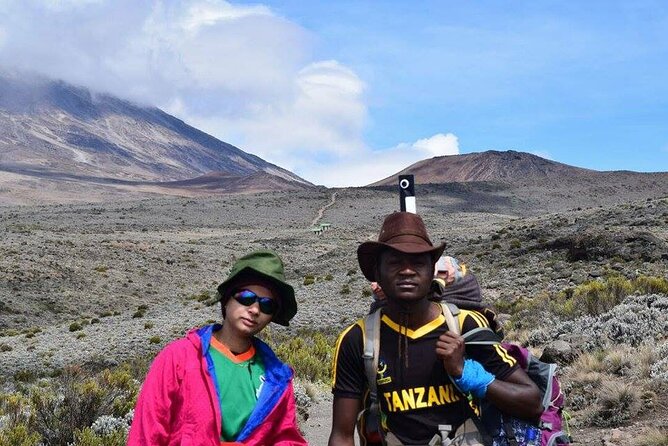
Day 7 is left open so you can recover and avoid the “drive back exhausted” feeling before your flight. Depending on your flight time, you can explore Moshi town and pick up souvenirs before heading to the airport.
If you want to keep going beyond Kilimanjaro, there are safari and Zanzibar add-ons available. This is where the provider’s broader Tanzania planning can help—good follow-on days often make the whole trip feel complete, not just like a single mountain challenge.
Even if you don’t add anything, this final day matters. High-altitude treks leave you drained in layers: muscles, sleep, appetite, and mood. A real recovery day is part of making the trip worth it.
Price and logistics: what $1,500 buys you on Kilimanjaro
At $1,500 per person, the key question is value, not just price. What you’re paying for here is a structured climb with organized logistics: airport pickup, hotel transfer, park gate transition, and hut-to-hut scheduling.
You also get an equipment check on Day 1, and the chance to rent missing gear immediately rather than scrambling later. That alone can prevent the most common summit-day misery: being under-protected for cold and wind.
The experience also runs with a maximum of 15 people, which is the sweet spot for many groups. Too small can feel chaotic with not enough support; too big can feel like you’re hiking in a line instead of as a team. Fifteen keeps things manageable and tends to support better pacing.
Finally, you get a mountain plan that includes the exact summit sequence—midnight start, Hans Meyer Cave, Gillman’s Point, Uhuru Peak—plus warm meals at critical moments. On Kilimanjaro, those details are not “extras.” They’re part of how you manage fatigue.
Who should choose this Marangu climb (and who should rethink)
This route and company setup are a strong match for people who want a clear plan and supportive guiding. It’s described as suitable for most people, and the hut-based route helps keep logistics predictable.
You’ll probably love this plan if you:
- like a structured schedule with early starts and clear goals
- want guidance and route tips from professional staff, including named guides like Franky, John, Julius, Meshack, and Maziku
- can handle a tough day and a midnight summit push
You should rethink it if you hate cold starts and you’re hoping for a gentle climb. Day 4 is described as long and tough, and Day 5 is the “big day” with a long midnight ascent. This isn’t a walk. It’s a climb that asks for stamina and patience.
Practical preparation tips to make the trek feel smoother
A good summit plan still needs good personal prep. Start with your gear list before you arrive. On Day 1 you can rent missing items during the equipment check, but you’ll feel better if you pack early and pack right.
Train for sustained hiking with elevation in your mind, not just gym strength. The route changes zones—rainforest to heath and moor to saddle—so your body needs endurance for hours, not just short bursts.
On summit night, your head matters as much as your legs. Plan to move at a steady rhythm. If you rush early, you’ll struggle later when the cold and the altitude demand calm effort.
Lastly, keep your expectation realistic: summit day is emotional, but it’s also work. The plan includes warm meals and rest breaks, but you still have to earn them with disciplined pacing.
Should you book Rupia Adventure for Kilimanjaro via Marangu?
If you want a well-run Kilimanjaro climb with clear day structure, supportive guiding, and real attention to gear and timing, this is a solid choice. The combination of pickup logistics, hut-based stages, and a summit day sequence that’s built around midnight to morning makes it easier to stay focused.
I’d recommend it especially if you want professional guides who bring both route knowledge and morale—guides like Franky, Meshack, Maziku, John, and Julius have shown up in past climbs with a consistent theme: strong support, steady guidance, and good energy through tough sections.
Just be honest with yourself about difficulty. The Marangu schedule includes a long tough day and a strenuous summit climb. If you’re ready for that, you’re setting yourself up for a life-changing morning on Uhuru Peak.
FAQ
What does Day 1 include?
You’ll be picked up at Kilimanjaro International Airport and transferred to a hotel in Moshi town area. You’ll meet your guide for a trek briefing and an equipment check, and you can rent missing gear that day.
How long is the trek compared to the full trip length?
The full plan is about 7 days. The main trekking stages run across roughly 5 days, with Day 1 focused on setup and Day 7 for winding down.
Which huts and key stops are on the route?
You’ll hike through rainforest to Mandara Hut, continue to Horombo Hut, reach Kibo Hut, and then summit via Hans Meyer Cave and Gillman’s Point to Uhuru Peak. The descent returns through Mandara Hut before finishing at the park gate.
When does the summit attempt start?
The final ascent typically begins around midnight. You reach Gillman’s Point at sunrise, then continue for another 1–2 hours to Uhuru Peak.
Can I rent mountain gear if I don’t have everything?
Yes. During the equipment check on the first day, gear that is missing can be rented.
What is the maximum group size?
The group size is limited to a maximum of 15 people.
Is the booking refundable if I cancel?
This experience is non-refundable and cannot be changed for any reason. If it’s canceled due to poor weather, you’ll be offered a different date or a full refund. If it’s canceled because the minimum number of travelers isn’t met, you’ll be offered a different date/experience or a full refund.