REVIEW · KATHMANDU
Everest Base Camp trek 14 days
Book on Viator →Operated by Sunrise Adventure Trek P. Ltd · Bookable on Viator
Everest Base Camp, planned for you. This trek strings together Kathmandu to Lukla flights, guided mountain days, permits, and lodge stays so your biggest job is packing smart and pacing yourself.
I love that the itinerary removes the guesswork: transport between trekking days plus city and trekking accommodations are handled. Another big win is that you get a sleeping bag and down jacket for the trek, which can save money and hassle. The one drawback to consider is that the trek is not lightweight—this route expects a moderate fitness level, and the tour price doesn’t include things like international flights, travel insurance, or tips.
In This Review
- Key Highlights Worth Noticing
- Why This Everest Base Camp Plan Feels Low-Stress
- Kathmandu Days: Arrival, First Setup, and Permits in Motion
- Lukla to Phakding: The First Step Into Everest Country
- Namche Bazaar Acclimatization: Where Your Body Learns the Rules
- Tengboche and the Dingboche Climb: Views and Altitude Rhythm
- Dingboche to Lobuche: The Slow Grind Toward Everest Country
- Everest Base Camp to Kalapatthar: The Classic High-View Payoff
- Descent Days Back to Namche and Lukla: Keeping It Moving Without Burning Out
- Price and Logistics: What $1,380 Actually Buys You
- The Human Side: Guides, Sherpa Support, and Safety Focus
- Gear, Meals, and Comfort: What Helps You Sleep and Keep Walking
- Who This Everest Base Camp Trek Suits Best
- Should You Book This Everest Base Camp Trek?
- FAQ
- How long is the Everest Base Camp trek in this package?
- Are flights to Lukla included?
- Is trekking gear provided?
- What meals are included during the trek?
- Do I need a permit for the trek?
- Can I get a full refund if I cancel?
Key Highlights Worth Noticing
- No-stress planning setup in Kathmandu with flights, transfers, and permits handled
- Provided sleeping bag and down jacket so you travel lighter
- Full trek meals included (breakfast, lunch, dinner on trekking days)
- Smart altitude rhythm with acclimatization stops in Namche Bazaar and Dingboche
- Everest Base Camp plus Kalapatthar for the classic high-view combo
- Farewell culture added in with a cultural show and farewell dinner at the end
Why This Everest Base Camp Plan Feels Low-Stress
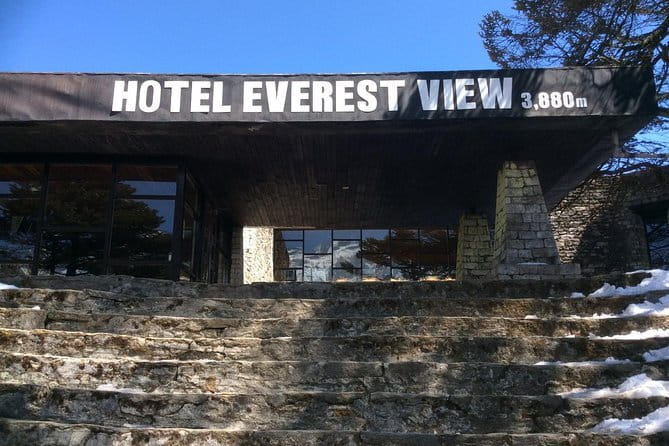
Most Everest treks fail for one simple reason: planning fatigue. You’re trying to sort permits, transportation, lodging, and pacing all at once—while also worrying if you chose the right gear. This program tackles that upfront. You’re not building a patchwork schedule. You’re following a route with 13 nights of accommodations and transport planned, plus a guide and support crew.
There’s also something practical in how the trekking days are structured. The trip isn’t just “walk uphill until Everest.” It builds in acclimatization time at key altitude points. That matters because Everest trekking is about managing your body over days—not proving toughness on day one.
And because the tour includes Lukla flights (Kathmandu → Lukla → Kathmandu) and the in-between land transport, you’re not spending your first Nepal days scrambling for logistics. If you want the mountain experience without turning into a part-time travel agent, this kind of organized flow is a real advantage.
You can also read our reviews of more tours and experiences in Kathmandu.
Kathmandu Days: Arrival, First Setup, and Permits in Motion
Your trip starts in Kathmandu, and Day 1 is an arrival day. The next day is when Kathmandu turns into trek mode: you fly to Lukla and begin hiking to Phakding.
Even with a short Kathmandu window, the program covers the behind-the-scenes essentials you’d otherwise have to organize yourself:
- Trekking permit and TIMS card are included
- Airport pickup and departures are included
- You stay in a standard hotel in Kathmandu twin sharing with breakfast
Why this matters: permits and timing can become a time sink when you’re arriving tired from your international journey. You want those tasks handled quickly so you can focus on being rested and mentally ready for the first altitude step.
Also, this trek caps group size at 18 travelers. Smaller groups tend to feel more manageable when you’re juggling schedules like flights, luggage, and guide briefings.
Lukla to Phakding: The First Step Into Everest Country
Day 2 is a highlight in the “this is really happening” way. You take a 40–45 minute flight from Kathmandu to Lukla, then immediately hike from Lukla to Phakding.
The trek is listed as 3–4 hours, reaching about 2,640m (866ft). It’s not meant to exhaust you—it’s meant to transition you. You’re moving your body, adjusting to thinner air, and learning how the day feels before the longer climbs kick in.
Why Phakding is a good first real hike: early trekking on this route gives you a rhythm. You’ll learn how you personally handle cold mornings, wind, and the slow grind of altitude walking. Since most meals during trekking are planned (breakfast, lunch, dinner), you don’t have to waste energy negotiating food timing or searching for options.
One practical detail: your included transportation is already part of the plan, but you’ll still want to be ready for early starts on flight days. Lukla days have less room for sleep-in confidence.
Namche Bazaar Acclimatization: Where Your Body Learns the Rules
Day 3 brings you to Namche Bazaar, trekking 5–6 hours up to 3,440m (11,319ft). This is the part of the trek where the views start to feel serious—and where your body starts sending messages.
Then Day 4 is built-in acclimatization in Namche Bazaar. That extra day isn’t filler. It’s the point of this trek’s pacing logic. After you climb up to a big altitude jump, you need time to settle your breathing and avoid turning the next day into a medical gamble.
Day 5 continues upward to Tengboche, about 6–7 hours, reaching 3,860m (12,694ft). Day 5’s move is long enough to feel like progress, but the itinerary has already warned you through the schedule: climb, acclimatize, climb again.
If you’ve ever wondered why so many Everest routes look repetitive on paper, this is why. The mountain isn’t impressed by your willpower. It’s interested in your acclimatization plan.
Tengboche and the Dingboche Climb: Views and Altitude Rhythm
Day 5 takes you to Tengboche (3,860m / 12,694ft). The route then transitions toward Dingboche. The schedule shows Day 6 as an acclimatization day in Dingboche, followed by Day 7 trekking to Dingboche at 4,410m (14,300ft).
That’s a meaningful design choice. Dingboche is high enough that small changes in pace can make a big difference in how you feel. You’re not just climbing; you’re practicing how to keep effort steady, how to take breaks without losing momentum, and how to keep your hydration consistent.
This is also where having a guide helps. Even if you’re a confident walker, a guide’s role is to keep you on a sustainable pace and make sure the plan stays aligned with your condition. Based on the team style described for Sunrise Adventure Trek P. Ltd., guides like Suresh and others on the team are highlighted as friendly and focused on safety, with people mentioning that the guide ensured trekkers were comfortable and coordinated.
Dingboche to Lobuche: The Slow Grind Toward Everest Country
Day 8 hikes to Lobuche (4,910m / 16,207ft) in about 5 hours. This section is where the trek starts feeling more “high-altitude trekking” and less “day hike.” The air is thinner, the weather can turn, and the effort becomes slower.
Then Day 9 is the big swing: trek to Everest Base Camp, then back to Gorakshep (5,200m). The plan doesn’t list the exact hours for the Day 9 segment, but it clearly frames it as a high-impact day: you go up to base camp, then keep moving back to a higher camp area.
This is where the trek’s structure earns its keep. Because you’ve built acclimatization pauses earlier, you’re better prepared to handle a long, emotionally intense day.
One practical note: Day 9 is the kind of day where you’ll want to pay attention to how much you drink and eat. Most meals are included, so you’re not constantly making food decisions mid-struggle, but your body still needs support.
Everest Base Camp to Kalapatthar: The Classic High-View Payoff
Day 10 is a two-part monster: a hike to Kalapatthar (5,550m / 16,962ft) and then a trek down to Periche (4,200m). The itinerary lists 2 hours 30 minutes for the Kalapatthar hike and about 7 hours for the descent trek.
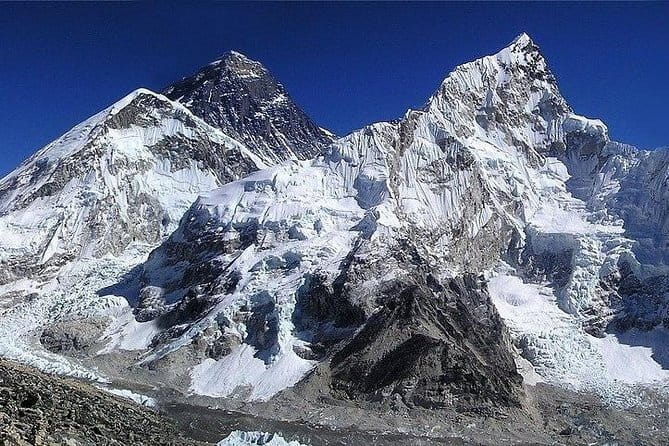
Kalapatthar is the “let me see Everest properly” viewpoint day. It’s physically demanding because of the height, but the payoff is that you get a dramatic perspective on the Everest region after reaching base camp the previous day.
Then you drop down to Periche. That descent is crucial. It’s not just for comfort—it helps you recover. Your body needs a break after a big altitude push.
This day is also where your gear matters. The program provides a down jacket and sleeping bag, which helps you stay warm during cold trekking mornings and nights. Still, your comfort will depend on what you personally bring for layers and personal needs, so don’t assume you’ll be fine with only what’s listed.
Descent Days Back to Namche and Lukla: Keeping It Moving Without Burning Out
Day 11 is a 6-hour trek back to Namche Bazaar (3,441m). Day 12 takes you from Namche to Lukla in about 7 hours. Day 13 then returns by flight to Kathmandu, and Day 14 wraps with farewell and departure.
This is the part of the trip where many people feel “done” mentally but still have energy management left. Descent days can feel easier than ascent, but they can also be tough on knees and ankles. Keeping a steady pace is the best way to avoid the classic end-of-trek slowdown.
The program’s value shows up here again: you’re not improvising logistics. Lodges and transport are planned, and the route ends with a clear transition back to city life.
And yes, you also finish with cultural programming: the trek ends with a cultural show and farewell dinner. It’s not required for the mountains, but it’s a nice way to turn the final evening into closure.
Price and Logistics: What $1,380 Actually Buys You
At $1,380 per person, the best way to judge value is to look at what’s included versus what you’d likely pay separately.
Included costs (big ones):
- Kathmandu, Lukla, and Kathmandu flight tickets
- Airport pick up and departures
- Transportation during the trip (including tourist deluxe bus and A/C car)
- Hotel stay in Kathmandu (twin sharing, breakfast)
- Lodging during the trek
- Daily 3-time meals during trekking (breakfast, lunch, dinner)
- Trekking permit and TIMS card
- Guide support (salary, accommodation, meals, insurance)
- Basic equipment support: sleeping bag and down jacket, if you need them
- A first aid medicine item, plus a T-shirt and trip achievement certificate
- A cultural show and farewell dinner
Excluded costs (things you must budget for):
- Extra meals in Kathmandu and personal expenses (including bar bills)
- Tour entrance fees
- International flights
- Travel insurance
- Tips for the trekking crew
So you’re paying for a lot of operational overhead: flights, permits, accommodations, meals, and guide costs. That typically becomes worth it if you’d rather spend your time training and enjoying Nepal—not tracking down permits and transport details.
Is it the cheapest option you’ll see? Maybe not. But it can be one of the better deals if you’re the kind of traveler who values a well-run plan and doesn’t want to spend vacation days fixing problems created by your own uncertainty.
The Human Side: Guides, Sherpa Support, and Safety Focus
You’re not just buying a route. You’re buying team support. With a maximum group size of 18 travelers, your guide can actually manage pacing and logistics without feeling swallowed by the crowd.
The names that come up with this team include Suresh, Sobit, Ram, and a sherpa leader noted as Pasang Sherpa. That matters because the guide role is not only “point and walk.” It’s also about:
- keeping the group coordinated
- helping you navigate the daily rhythm
- supporting safety on high-altitude days
From the overall feedback tone attached to this operator’s team, one consistent theme is that people appreciated how the guide stayed attentive and made trekkers feel cared for. That kind of focus can change your experience from tough to manageable, especially if this is your first high-altitude trek.
Gear, Meals, and Comfort: What Helps You Sleep and Keep Walking
The trek includes real comfort support in two places.
First, you have trekking gear support: the program provides a sleeping bag and a down jacket (if you need them). That’s a huge quality-of-life upgrade, particularly if you don’t already own expedition-level cold weather gear.
Second, you have a predictable food plan. During trekking days, you get breakfast, lunch, dinner as part of the itinerary meals. When you’re at altitude, consistent meals matter. It’s easier to pace effort when you’re not constantly thinking about where your next calories are coming from.
In Kathmandu, you also have standard hotel breakfast included.
What’s not included is just as important: international flights, travel insurance, tips, and extra meals in Kathmandu. You’ll want to budget those so the trip doesn’t end with an unpleasant surprise.
Who This Everest Base Camp Trek Suits Best
This trek is a good match if:
- you have moderate physical fitness
- you want a structured plan instead of doing logistics on your own
- you value included essentials like permits, meals, and gear support
- you like the idea of traveling with a smallish group (up to 18)
It may be less ideal if you’re the type who wants maximum freedom to customize the itinerary day-to-day. This route is designed around acclimatization and set travel days (including flights), so it won’t feel like a flexible, solo backpacking mission.
Should You Book This Everest Base Camp Trek?
I’d book this if your priority is a smooth, organized Everest Base Camp experience: flights handled, permits taken care of, meals mapped out, and a team that focuses on safety and coordination. The inclusion of a sleeping bag and down jacket plus the long list of operational costs baked into the price makes it a strong value if you want to avoid trekking “surprises.”
You should think twice if your budget is extremely tight after factoring in international airfare, travel insurance, and tips. Also, if you’re not confident in your ability to handle long trekking days at altitude, this isn’t the place to test that for the first time.
If you’re ready to take on Everest country with a plan that actually makes sense, this is one of the more practical ways to do it.
FAQ
How long is the Everest Base Camp trek in this package?
The itinerary runs for 14 days, with 13 nights of accommodations planned across Kathmandu and the trekking portion.
Are flights to Lukla included?
Yes. Flight tickets for Kathmandu to Lukla and the return from Lukla back to Kathmandu are included, along with airport pick up and departures.
Is trekking gear provided?
The package includes a sleeping bag and down jacket for the trek if you need them.
What meals are included during the trek?
The trekking days include three meals per day (breakfast, lunch, and dinner) as listed in the itinerary. City hotel breakfast is also included.
Do I need a permit for the trek?
Yes, and the package includes the trekking permit and TIMS card.
Can I get a full refund if I cancel?
Free cancellation is available up to 24 hours before the experience’s start time for a full refund. If you cancel less than 24 hours before, the amount paid will not be refunded.