REVIEW · ARUSHA
Lemosho Route 7 Days Trekking at Mount Kilimanjaro
Book on Viator →Operated by Suricata Safaris · Bookable on Viator
Kilimanjaro, but with fewer crowds. The Lemosho Route is scenic, slower, and designed to help your body adjust before the big summit push. With Suricata Safaris, you start in Arusha, transfer by 4×4 to the park gates, and then climb through rainforest, heath, moorland, alpine desert, and back again.
I especially like two things. First, you get a certified guide plus a tight group size (maximum 8 travelers), which makes it easier to move at a human pace. Second, the schedule includes multiple altitude checks—Shira One, Lava Tower, Barranco, Karanga—so you’re not just grinding upward with no plan.
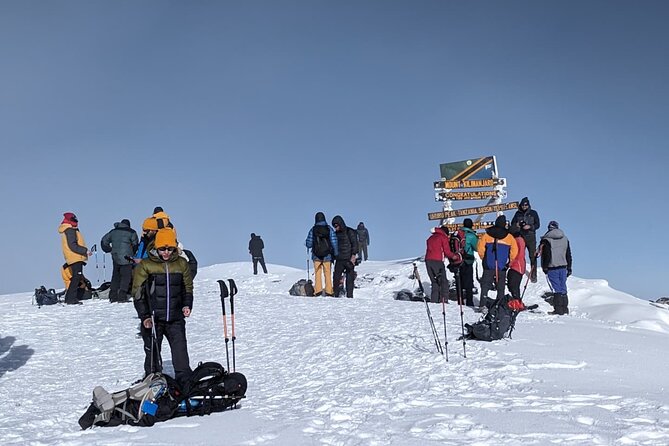
The one drawback to keep in mind is simple: altitude still decides the day. Even if you’re fit, the summit night and the thin air at Uhuru Peak (5895m) are genuinely hard, and weather can add wet, cold grit to the mix.
In This Review
- Key points to know before you go
- Lemosho Route in 7 days: why it feels calmer and more “in control”
- Price and what $2,800 buys you (and what it doesn’t)
- From Arusha to Londorossi Gate: your first lesson is altitude prep
- Day-by-day: what each stage is doing for you
- Day 1: Londorossi Gate to Mti Mkubwa Camp (Big Tree Camp)
- Day 2: Mti Mkubwa to Shira One Camp (3500m)
- Day 3: Shira to Barranco Camp, with Lava Tower acclimatization
- Day 4: Barranco Wall to Karanga Camp (4000m)
- Day 5: Karanga to Barafu Camp (4600m)
- Day 6: Summit night to Uhuru Peak (5895m), then down to Mweka Camp
- Day 7: Mweka Camp to Mweka Gate (1800m) and transfer back to Arusha
- What’s actually included on the ground (meals, tickets, and the human touch)
- Weather and conditions: plan for wet, cold, and slow
- Summit strategy: how to handle the hardest hours
- Who should book this Kilimanjaro trek
- Should you book Lemosho with Suricata Safaris?
- FAQ
- How long is the Lemosho route trek?
- Where does the trek start and where do you finish?
- What’s the maximum group size?
- Is pickup offered?
- Are admissions included?
- What meals are included?
- What time does the summit climb begin?
- How demanding is the fitness level?
- What is not included in the price?
- What’s the best way to think about price value?
Key points to know before you go
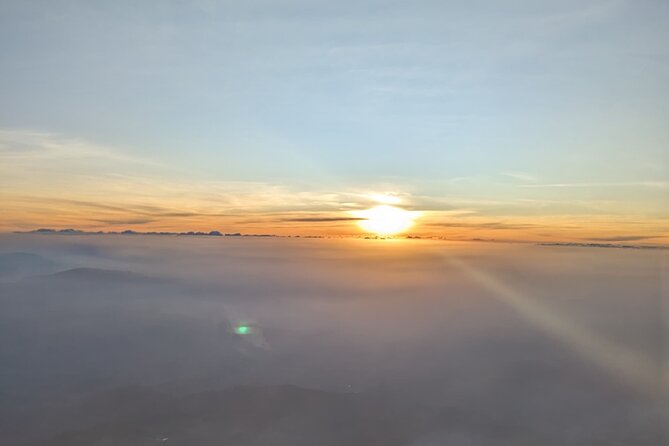
- Lemosho in 7 days: a quieter-feeling route with staged acclimatization stops.
- Small group size: up to 8 travelers, plus a dedicated support team.
- Summit night is long and steep: plan for real effort, even with good fitness.
- Built-in rest and adjustment days: Barranco and Karanga help your body settle in.
- Meals and park admissions included: breakfasts, lunches, dinners plus admission tickets during the climb.
- Finish with the gate + certificate: Mweka Gate wraps the trek and includes transfer to Arusha.
Lemosho Route in 7 days: why it feels calmer and more “in control”
If you’re choosing between Kilimanjaro routes, this is the part that matters: not just the view, but how the climb is paced. The Lemosho Route gives you time to transition through several ecological zones—rainforest early, then heath and moorland, then the colder alpine zones closer to Uhuru Peak.
That’s why it can feel calmer than routes that cram too much altitude too quickly. You’ll gain elevation in steps, not in one brutal leap. You still work hard, but you’re doing it with a rhythm that helps you avoid the classic mistake: ascending faster than your body can adapt.
The other big “control” factor here is the maximum of 8 travelers. On Kilimanjaro, a small group doesn’t just mean less crowding—it usually means fewer bottlenecks, easier guide-to-group communication, and more consistent hiking tempo.
You can also read our reviews of more tours and experiences in Arusha.
Price and what $2,800 buys you (and what it doesn’t)
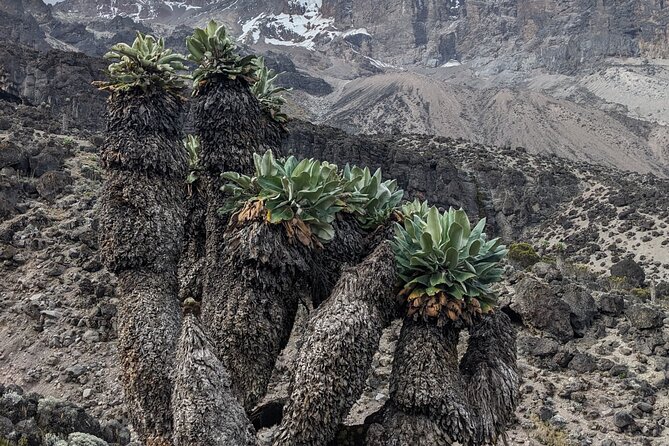
At $2,800 per person for a 7-day trek, you’re paying for more than movement from A to B. You’re paying for the whole system that makes Kilimanjaro workable: a certified guide, day-by-day meals, and admission tickets during your trek.
Here’s what’s included from the data you have:
- Certified guide
- Breakfasts (6), lunches (7), dinners (6)
- Admission tickets during the climb days
- You’ll also have support around the summit schedule (hot drinks/snacks are mentioned for summit night)
What’s not included:
- International flights and departure taxes
- Medical, travel, and luggage insurance
Value check: If you’ve ever done a trip where the “cheap part” hides the costs of guides, meals, and park fees, Kilimanjaro will punish you fast. On this trek, the inclusions are clear, and the itinerary structure is built for acclimatization—two things that often get skipped by budget options.
From Arusha to Londorossi Gate: your first lesson is altitude prep
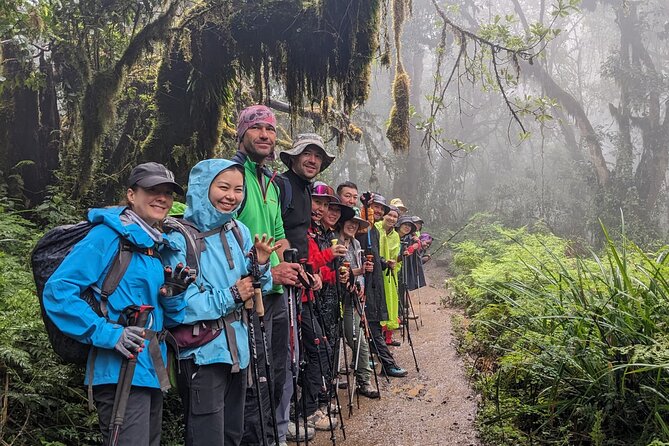
You start in Arusha, with pickup offered and a mobile ticket. The day-to-day experience starts before you even lace your boots: you transfer in 4×4 Land Cruisers/Land Rovers to Londorossi Gate (2250m).
Expect about 1 hour for registration and payment to secure your permit. After that, you drive to the Lemosho starting point at 2100m and begin walking.
This matters because your body is already adjusting as soon as you arrive at the higher elevations. So treat that first day as a setup day: drink water, eat what you’re given, and don’t treat the early rainforest climb as a workout you can “win.”
Day-by-day: what each stage is doing for you
Day 1: Londorossi Gate to Mti Mkubwa Camp (Big Tree Camp)
Your first walking day climbs from 2100m up through rainforest to Mti Mkubwa Camp (2750m). It’s described as about 6 km and roughly 3 hours, with an altitude gain around 650m.
The rainforest part is more than pretty photos. It usually means warmer conditions and softer footing than later days. Your job here is not to sprint. Keep steady steps and save energy for the higher, thinner air that comes later.
Dinner and overnight happen at the campsite.
Day 2: Mti Mkubwa to Shira One Camp (3500m)
Breakfast starts you off, then you move into heath and moorland. You hike about 13 km and climb to Shira One Camp at 3500m, gaining around 1100m.
This day is long enough that your pace will matter. The climb isn’t just distance; it’s the altitude change too. The practical move is to walk slower than you think you need—especially the moments where you feel strong.
At the end: dinner and an overnight at Shira One Camp.
Day 3: Shira to Barranco Camp, with Lava Tower acclimatization
You start early and head toward Barranco Camp (3940m). The itinerary includes a pass at Lava Tower (4600m) specifically for acclimatization.
This day is a classic Kilimanjaro mix: hiking time plus altitude juggling. The distance is 10.75 km and the climb profile is broken into two parts:
- about 750m up to Lava Tower
- then about 660m from Lava Tower to Barranco
There’s also a picnic lunch, which is a nice energy boost because it breaks up the mental grind of moving uphill for hours. Dinner and overnight are at Barranco Camp.
Day 4: Barranco Wall to Karanga Camp (4000m)
Today is about controlled effort and recovery. After breakfast, you ascend the Barranco Wall up to Karanga Camp (4000m) over 3–4 hours.
The distance is short—4.25 km—but don’t let that fool you. Short on paper often means steep or technical sections underfoot. The altitude gain listed is about 250m, and there’s a hot lunch on arrival, plus rest.
They also include an acclimatization walk after you settle in. That’s useful because it helps your body keep adjusting without turning the day into another summit attempt.
You sleep at Karanga Camp.
Day 5: Karanga to Barafu Camp (4600m)
After breakfast around 8:30am, you head through heath and moorland to Barafu Camp (4600m). The hike is 4.25 km and takes about 3–4 hours, with an ascent around 600m.
This is one of the days you should treat with respect. The distance is short, but the altitude is creeping up fast. When you arrive, there’s a hot lunch, then rest, then an early dinner before the night schedule.
In other words: today is for saving energy, not proving toughness.
Day 6: Summit night to Uhuru Peak (5895m), then down to Mweka Camp
This is the day everybody remembers, and also the day nobody should pretend is casual.
Around 12:00am, you wake, pack essentials, and start with hot drinks and snacks. Then you climb toward Uhuru Peak (5895m).
The climb is estimated at 6–7 hours, covering about 4.86 km with elevation gain around 1295m. That’s steep, slow work. Even people in great shape can feel humbled here, and the thin air is often the real boss, not your legs.
After the summit, you descend to Barafu Camp for breakfast (about 3 hours). Rest follows, plus hot lunch.
Then comes a long, purposeful descent: through alpine desert, heath, and moorland down to the rainforest edge at Mweka Camp (3100m). From the summit all the way to Barafu and then to Mweka, it totals about 11.5 km and a drop around 2795m.
So yes, you summit—and then you earn your tired feet.
Day 7: Mweka Camp to Mweka Gate (1800m) and transfer back to Arusha
After breakfast, you trek to Mweka Gate (1800m) through rainforest for about 3–4 hours. The distance is 9.1 km, and the descent is around 1400m.
At the gate, if you successfully summited, you get a certificate. Then you meet your vehicle and get transferred to Jevas Hotel in Arusha for drop-off.
This is the satisfying end of the story: not just stopping walking, but having that official moment that says you finished.
What’s actually included on the ground (meals, tickets, and the human touch)
Kilimanjaro is not a DIY outing. You’ll feel that in the meals schedule and in the way the day is structured around altitude.
From the included list:
- Breakfast included on 6 mornings
- Lunch included on 7 days
- Dinner included on 6 nights
- Admission tickets are included during the trek days
- A certified guide leads the group
That matters because you don’t have to make guesses about where your next meal comes from, how park access works, or how the climb is managed day to day.
The reviews you have on hand also point to a strong team dynamic, with guide names like Mike and Freddie mentioned, and other guide/support names such as Freddy, Modest, and Teacher showing up in past groups. One group example mentioned a cook and nine porters alongside three trekkers, which gives you an idea of the staffing scale even if numbers vary by group.
Even with that support, remember: you still carry your own essentials. The trek is supported, not outsourced.
Weather and conditions: plan for wet, cold, and slow
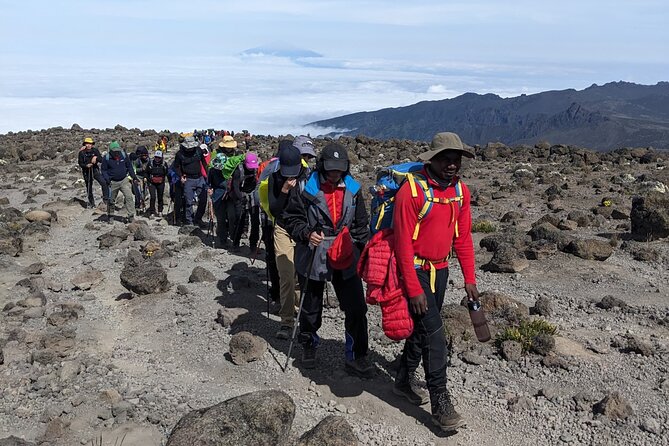
Kilimanjaro can throw rain at you, and conditions can shift fast. One past trek example included rain on nearly every day. That means you should pack for damp conditions even if you expect clear sky.
Your best move is simple:
- wear layers you can adjust
- bring footwear that handles mud and wet trail
- keep your pace steady instead of chasing distance
When the trail turns slippery, your “real workout” isn’t the view—it’s not falling.
Summit strategy: how to handle the hardest hours
The summit push starts around midnight and reaches Uhuru Peak at 5895m. With an estimated 6–7 hours upward and then a descent back to Barafu for breakfast, the summit day is two days compressed into one.
Here’s the strategy that tends to work on routes like this:
- start slower than you want
- keep a consistent breathing rhythm
- eat and drink when given, even if you don’t feel hungry
- don’t measure success by pace early in the climb
Also, don’t forget the day after the summit. You still hike down to Mweka Camp (3100m). People often feel empty after the summit adrenaline. That’s normal. Your job is to keep moving safely and accept that you’ll feel tired until the very end.
Who should book this Kilimanjaro trek
This 7-day Lemosho trek suits you if:
- you have moderate physical fitness
- you want a route with multiple altitude stages rather than a rushed ascent
- you like the idea of a small group (up to 8)
- you want guided support and included meals and park admissions
It might not be your best match if:
- you want a short, easy hike (the summit day is still extremely demanding)
- you’re looking for a fully independent experience (this is clearly guided and structured)
- you dislike long travel days and early starts (there are early starts and midnight wakeups)
Should you book Lemosho with Suricata Safaris?
I’d recommend it if you want a structured plan for acclimatization and you like the idea of tackling Kilimanjaro with a small group and a team that focuses on getting you to the finish safely.
One reason this trek stands out is the way it handles altitude. You’re not only climbing; you’re adjusting: Shira One, Lava Tower, Barranco, Karanga, Barafu. Another reason is practical value. For $2,800, you’re getting certified guiding, meals across the trip, and admission tickets during the trek—costs that add up fast on a self-planned Kilimanjaro.
My final advice: be honest about your fitness and your willingness to move slowly on summit night. If you can do that, this is a strong choice.
FAQ
How long is the Lemosho route trek?
It’s about 7 days.
Where does the trek start and where do you finish?
You start in Arusha and drive to Londorossi Gate and the Lemosho starting point. You finish at Mweka Gate and are transferred back to Jevas Hotel in Arusha.
What’s the maximum group size?
The tour has a maximum of 8 travelers.
Is pickup offered?
Yes, pickup is offered.
Are admissions included?
Yes. Admission tickets are included during the trek days.
What meals are included?
Breakfast (6), lunch (7), and dinner (6) are included.
What time does the summit climb begin?
You wake around 12:00am for the ascent to Uhuru Peak.
How demanding is the fitness level?
You should have moderate physical fitness. The trek is relatively easier until summit day, and then altitude makes the summit very challenging, even for people in good shape.
What is not included in the price?
International flights & departure taxes and medical, travel & luggage insurance are not included.
What’s the best way to think about price value?
At $2,800 per person, the value comes from the included certified guide, meals, and admission tickets, plus the full multi-day route structure designed around acclimatization.