REVIEW · POKHARA
Annapurna Base Camp Trek from Pokhara and Kathmandu
Book on Viator →Operated by Himalayan Whisper Tours & Travels · Bookable on Viator
That rhododendron smell is why we hike.
This Annapurna Base Camp trek is interesting because it’s built as an all-inclusive, small-group mountain plan, with expert local guidance and practical logistics handled for you. I like how the route is paced to help you settle into the altitude step by step, and I also like the built-in recovery moments like the Jhinu Danda hot springs stop after days of descent. One consideration: the trip’s listed meeting point is Pokhara Airport, but it also mentions Kathmandu hotel pickup on day 1—so you’ll want to confirm your exact pickup details before you go.
You’re looking at a classic ABC itinerary with a few smart comfort upgrades.
The package includes the big-ticket mountain necessities—transportation, permits/fees, meals, and porters—so your main job is to show up, eat well, and take it one hour at a time. The route includes the steep-but-manageable rhythm of Chumrung, Dovan, Deurali, and then the big payoff at Base Camp, followed by a recovery descent to Bamboo and Jhinu Danda. A possible drawback is that you’ll be walking for many consecutive days, and this plan asks for moderate physical fitness, so if your fitness is shaky, you’ll feel it.
In This Review
- Key Highlights You’ll Feel Immediately
- What You’re Really Buying on This 10-Day ABC Trek
- From Kathmandu Pickup to Pokhara: Getting Started Smoothly
- Day 2: Nayapul to Chumrung Through Forest and Villages
- Day 3: Chhomrong to Dovan and the Rhododendron Push
- Day 4: Dovan to Deurali and Those Dense Forest Views
- Day 5: Deurali to Annapurna Base Camp, Panoramas Included
- Day 6: Base Camp Back Down to Bamboo
- Day 7: Bamboo to Jhinu Danda and the Hot Spring Reset
- Day 8: Jhinu Danda to Nayapul, then Back to Pokhara
- Day 9: Your Pokhara Day Off
- Day 10: Private Vehicle Back to Kathmandu
- Guides, Small Groups, and the Comfort Factor
- Meals, Permits, and What All-Inclusive Really Should Mean
- Altitude, Pacing, and the Moderate Fitness Level Check
- Jhinu Danda Hot Springs: Why This Stop Deserves Page Space
- Pokhara After the Trek: Using Day 9 Wisely
- Price and Value: Is $1,150 a Good Deal for ABC?
- Who Should Book This Trek (and Who Might Reconsider)
- Should You Book This Annapurna Base Camp Package?
- FAQ
- How long is the Annapurna Base Camp trek on this package?
- Where does the trip start and end?
- What kind of transport is included?
- Are meals included?
- Do I need a guide, and what languages are offered?
- Is this a private tour or shared group?
- What fitness level do I need?
- Are drinks included with meals?
- Sources of comfort: quick cancellation clarity
Key Highlights You’ll Feel Immediately
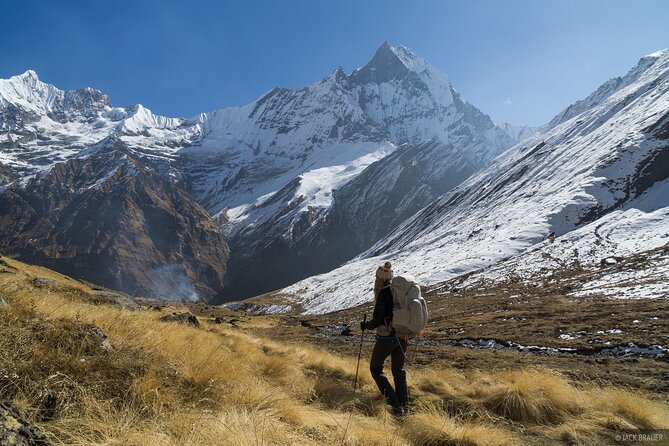
- Small-group feel with expert local guides: English, Hindi, and Japanese speaking support on trek.
- All-inclusive mountain rhythm: permits, meals (breakfast/lunch/dinner), and logistics handled.
- Jhinu Danda hot springs after the hard part: a real recovery moment, not an afterthought.
- A Pokhara rest day built in: you get time to reset instead of rushing straight back to travel mode.
- Private transportation throughout: less waiting around, more moving when it matters.
- Local team support: the office crew (including Santosh, specifically mentioned) is known for staying responsive.
What You’re Really Buying on This 10-Day ABC Trek
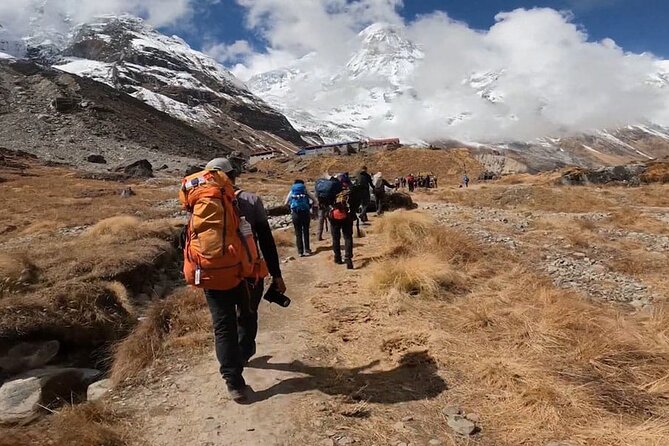
This trip is priced at $1,150 per person for about 10 days, and the question isn’t just whether the price is fair—it’s whether it matches what you get when you’re tired, cold, and far from services. Here, the value comes from stacking the essentials together: private transport, all fees and taxes, meals, and guided trekking with local support. Add in porters and it turns the trek from a logistics project into a hiking experience.
The Annapurna Base Camp area is demanding in a way that doesn’t feel dramatic until you’re halfway through a long descent with your legs thinking new thoughts. That’s why I like packages like this: you spend less time negotiating details and more time doing the actual walking, eating, and resting. And when something goes off-script—like the weather or trail pacing—your guide can adjust without making you guess what to do next.
That said, “all-inclusive” can mean different things in different tours. In this plan, the overview describes an all-inclusive service that covers transportation, permits, meals, accommodation, and porters. The listing’s included items also clearly cover meals and private transportation. What’s not included is drinks, so you should budget for water and any other beverages you want to carry or buy along the way.
You can also read our reviews of more tours and experiences in Pokhara.
From Kathmandu Pickup to Pokhara: Getting Started Smoothly
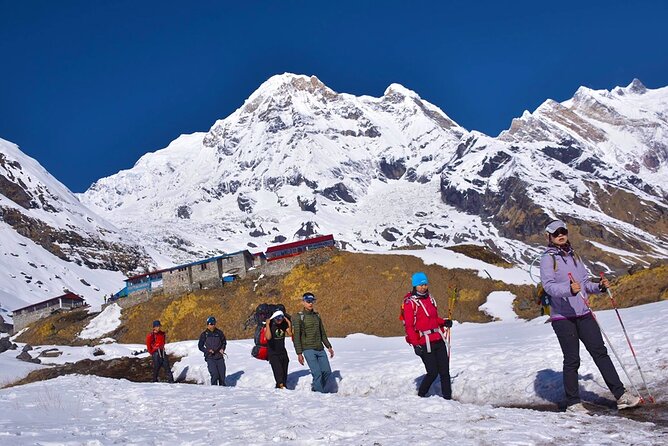
The schedule mixes two worlds: you start with Kathmandu hotel pickup on day 1, then you begin trekking from the Pokhara side. On paper, the meeting point is listed as Pokhara Airport, and the itinerary clearly shows you being picked up in Kathmandu first.
That mismatch isn’t a deal-breaker, but it’s a place where your trip can feel confusing if you don’t get clarity. Before you commit, confirm:
- your exact pickup time and location in Kathmandu
- where the day-2 transition happens into the trek (Pokhara → Nayapul)
- whether Pokhara Airport is tied to your final return point
If you do that simple homework, you’ll save yourself the classic travel headache of arriving ready to go… and then waiting for the last confirmation.
Once the first transfers are sorted, you’re set up for the trek’s real lesson: starting fast doesn’t matter as much as starting calm. Your first drive and trek day are about loosening up, not proving anything.
Day 2: Nayapul to Chumrung Through Forest and Villages
On day 2, you drive to Nayapul and start trekking toward Chumrung. This first real hike matters because it gently introduces you to the Annapurna region’s walking style: village paths, lush forest sections, and steady climbs that don’t punish you with altitude shock right away.
Chumrung is often where trekkers feel the terrain change—from easy scenery-chasing to “okay, I’m actually in mountain country.” You’ll also get your first taste of how the trail shifts between greenery and stone villages, which helps you understand why guides insist on layers and steady footwork.
Practical note: don’t treat day 2 like a race. If you go too hard here, you’ll feel it later on the Deurali section when the breathing gets heavier.
Day 3: Chhomrong to Dovan and the Rhododendron Push
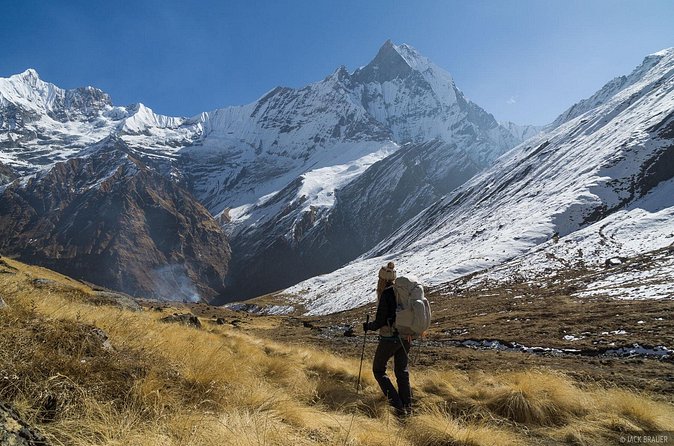
Day 3 takes you from Chhomrong to Dovan, and this is the kind of day that feels like it has a personality. You’ll pass through rhododendron forests and climb higher, which means the air starts to feel different and your body needs more patience.
This stretch is valuable because it teaches pacing. Your guide can nudge your rhythm so you don’t spend the day “heroing” uphill and then paying for it later. And because this trek is supported with an English/Hindi/Japanese-speaking guide team, you’re not left figuring out pacing alone.
What you’ll like here is how the day builds steadily instead of jumping in difficulty. What you need to watch is typical mountain fatigue: if you’re pushing for speed, you’ll arrive at Dovan tired rather than ready to rest.
Day 4: Dovan to Deurali and Those Dense Forest Views
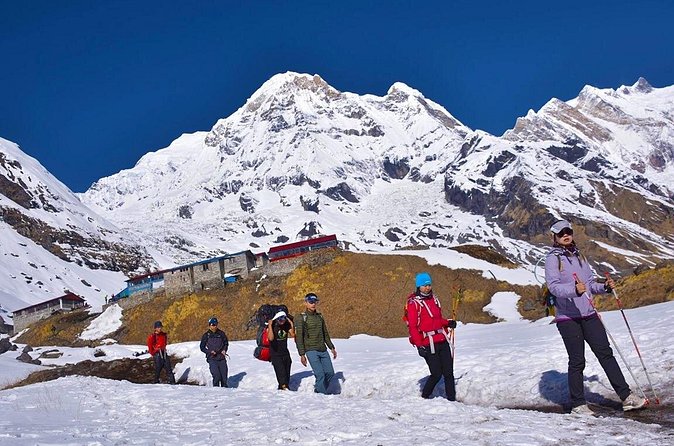
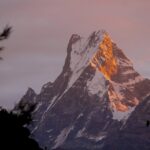
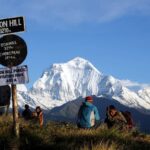
On day 4, you hike from Dovan to Deurali. The route gains altitude while moving through dense forest, and the payoff is the kind of mountain view you remember later when you’re back home and bragging about your good decisions.
Deurali tends to be a turning point mentally. The air feels thinner, the days get longer in your head, and you start counting your own energy more carefully. This is where a knowledgeable guide really earns their keep—not by making it easy, but by keeping you from burning out.
Tip I’d follow: take breaks that are short and consistent. You’re going to stop anyway; stopping well keeps your breathing steadier.
Day 5: Deurali to Annapurna Base Camp, Panoramas Included
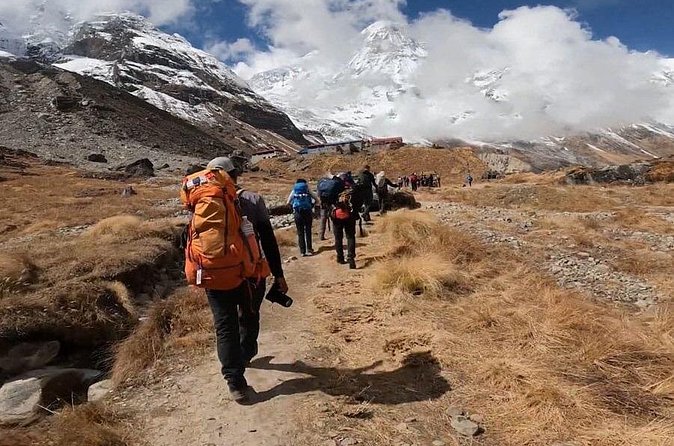
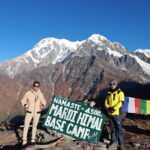
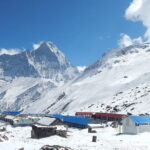
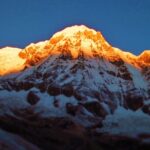
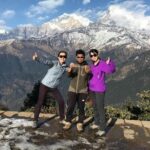
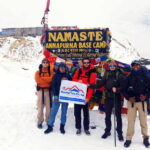
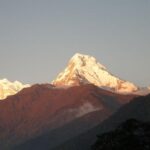
Day 5 is the big one: trek from Deurali to Annapurna Base Camp and reach the heart of the Annapurna massif. The plan highlights breathtaking panoramic views around the peaks, which is exactly the moment most people come for.
Base Camp is more than scenery. It’s where you feel the trek click into place: all the mornings of walking, all the careful pacing, and all the meals that kept you moving. You’re also at the point where altitude and cold can start to make you appreciate time spent bundled up, sipping warm drinks (not included as beverages in the package, so plan accordingly), and taking in the views without rushing.
If you tend to feel overstimulated on trip highlights, remind yourself to slow down here. The best photo is often the one you take after you’ve actually looked first.
Day 6: Base Camp Back Down to Bamboo
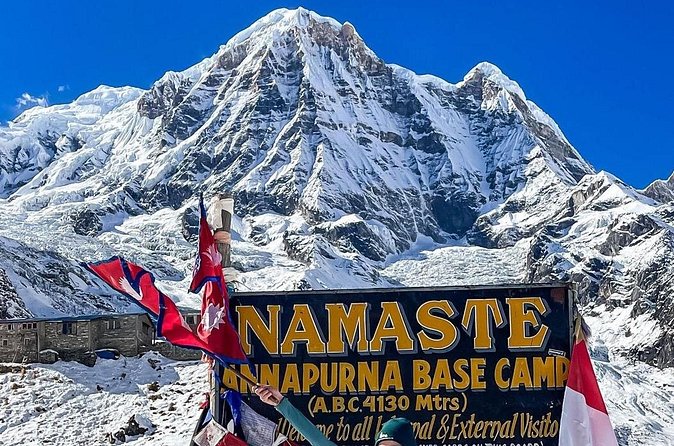
After the summit-day energy, day 6 can feel like a different kind of challenge: you’re descending from Annapurna Base Camp to Bamboo. The plan frames it as enjoying a changing landscape as you head back down.
Descent is tricky. It’s easier on altitude stress than going up, but harder on knees and ankles. This is where your shoes, trekking poles (if you use them), and your guide’s pacing matter. You’ll likely feel relief when the air warms and your body realizes you’re not climbing anymore—but don’t get sloppy.
The upside? You get the satisfaction of moving through the region with less intensity while still working toward the next comfort stop.
Day 7: Bamboo to Jhinu Danda and the Hot Spring Reset
Day 7 continues the descent from Bamboo to Jhinu Danda, and then you relax in natural hot springs. This is one of the most human parts of the itinerary. Your legs have done real work for several days; hot water is like a reset button.
Why I think this stop is worth it: it gives you a reason to recover properly rather than just collapsing in a bed. Even short soaking sessions can help you feel less battered the next day, and the break can put your mind in a calmer place.
You’ll still need to move around afterward—gentle walking, stretching, and getting warmed back up. But the hot springs are the moment you stop treating the trek like only a challenge.
Day 8: Jhinu Danda to Nayapul, then Back to Pokhara
Day 8 is a transition day: trek from Jhinu Danda to Nayapul, then drive back to Pokhara. This is valuable because it signals the finish line without rushing you into travel fatigue. It’s also when you’ll likely notice the difference between hiking tired and traveling tired.
In Pokhara, you get space to breathe. You’re not just waiting for a bus—you have time to reset your routine. That matters because trekking drains more than muscles; it drains sleep quality, appetite patterns, and daily attention.
If you like your evenings low-key, Pokhara makes that easy.
Day 9: Your Pokhara Day Off
Day 9 is your rest and explore day in Pokhara. The plan specifically suggests using time around the lakeside area, plus local cafés and natural beauty at your own pace.
This is where you do something smart: treat it like part of the trek, not a bonus. You can catch up on rest, eat something that feels familiar, and plan your last-day shopping or sightseeing without rushing back to your lodging because tomorrow is a transport day.
If you don’t plan, you’ll still have a good day. If you do plan, you’ll make it even better.
Day 10: Private Vehicle Back to Kathmandu
Day 10 closes the loop with travel back from Pokhara to Kathmandu by private vehicle. This is an important finish detail because it reduces the stress of coordinating transport at the end of a physically heavy trip.
Your energy will be lower than you think, even if you feel fine in the morning. A private transfer means fewer moving parts and less waiting around with sore legs.
Also, ending with transportation rather than another hike keeps the final day from turning into an accidental endurance event.
Guides, Small Groups, and the Comfort Factor
This trek is described as personalized with small group sizes and expert local guides, which I read as “you won’t be lost in a crowd.” That matters on mountain days where small adjustments—slower pace for one person, a reminder about hydration, a change in break timing—can make the difference between finishing feeling proud or finishing feeling wrecked.
The guide team includes English, Hindi, and Japanese, which is helpful if your language needs are specific. And in the broader company feedback, the office crew is often praised for being responsive and the guiding side is described as professional, friendly, and knowledgeable. The name Santosh comes up in those notes, which is a nice touch because it suggests real staff accountability rather than a faceless booking line.
In practice, good guiding is about keeping the day steady: weather awareness, trekking rhythm, and the kind of guidance that doesn’t feel like a lecture. You’ll feel it most on days 3 and 4, when the altitude starts asking questions.
Meals, Permits, and What All-Inclusive Really Should Mean
Meals are included: breakfast, lunch, and dinner across the trekking days. That’s a big deal because it protects your energy. When you’re walking uphill for hours, skipping meals or trying to improvise food can turn a manageable trek into an uncomfortable one.
You’ll also have all fees and taxes, and the overview says permits are handled. That’s the boring part that makes the trek doable. Permits in Nepal aren’t usually a “show up and figure it out” situation, so having them arranged is a genuine time-saver.
Accommodation and porters are also described in the overview as part of the all-inclusive package. Porters are especially useful on ABC because you want your legs focused on the trail, not on hauling your own bag all day.
What’s not included: drinks or other beverages and personal expenses. So plan to budget for water needs and any extras you want along the way.
Altitude, Pacing, and the Moderate Fitness Level Check
The plan calls for moderate physical fitness. That’s honest. Annapurna Base Camp doesn’t require you to be an athlete, but it does require consistency. You should expect repeated uphill efforts and long walking days.
Here’s how I’d think about your preparation:
- If you can walk steadily for a few hours on uneven ground at home, you’re in the right neighborhood.
- If you only hike occasionally or get winded quickly, you may struggle with the higher days, especially around Deurali and the Base Camp push.
A guide can help you pace, but your lungs and legs still run the show. The best strategy is simple: slow enough that you can keep a steady breathing pattern, then keep that pattern for the full day.
And yes, you’ll be tired. The goal is to be tired in a way that feels like progress, not panic.
Jhinu Danda Hot Springs: Why This Stop Deserves Page Space
A lot of treks promise comfort. This one includes a real comfort moment: natural hot springs at Jhinu Danda. You can feel it as a practical reward for your work. After Base Camp day (and the long descent), soaking helps you transition from “climb mode” to “finish mode.”
There’s also a mental benefit. When you’ve got a scheduled recovery, you stop treating every day like a new problem. That makes the final stretch from Jhinu Danda to Nayapul feel more manageable.
Pokhara After the Trek: Using Day 9 Wisely
By day 9, you’re done with the hardest walking. Use Pokhara to rebuild normal life rhythm. The plan points you toward lakeside areas, local cafés, and natural beauty, and that’s enough direction to help you enjoy your time without overthinking.
I’d prioritize:
- a relaxed meal with something familiar
- a good stretch session
- light sightseeing rather than power-walking
You’re not trying to “earn” the rest day. You’re using it to recover so the final transfer day doesn’t feel like a second trek.
Price and Value: Is $1,150 a Good Deal for ABC?
At $1,150 per person, the value comes from what you don’t have to manage yourself. You’re getting:
- private transportation
- all fees and taxes
- meals during the trek
- an English/Hindi/Japanese guide
- a plan that also describes permits, accommodation, and porters
Many budget treks ask you to handle pieces on your own—permits, food planning, transfers, and the kind of informal logistics that cost time and energy. Paying a bit more for an organized package is often worth it on a trek this long.
The tradeoff is that you’re committing to a set schedule. If you want maximum freedom to linger at side viewpoints or customize each day’s hiking distance, a fixed plan may feel limiting. But if you’d rather spend your time enjoying the mountains than coordinating details, this pricing model makes sense.
Who Should Book This Trek (and Who Might Reconsider)
This ABC trek is a strong fit if you want:
- a guided, organized experience with small-group attention
- full board meals so you don’t have to make constant choices
- a recovery stop at Jhinu Danda
- a real rest day in Pokhara instead of racing onward
You might reconsider if:
- you have very limited hiking ability and struggle with altitude quickly
- you hate schedules and want day-by-day freedom
- you’re expecting drinks to be included (they aren’t)
If you’re traveling solo or as a couple and want private logistics without full-scale expedition pricing, this style of package is often a sweet spot.
Should You Book This Annapurna Base Camp Package?
I’d book it if you want a stress-light ABC trek where your energy goes into the trail, not paperwork or transport juggling. The big reasons: full meal coverage, guided support in multiple languages, private transfers, and the hot springs stop that helps you recover like a normal human after hard walking.
I’d hold off or at least confirm details if the Kathmandu pickup timing and Pokhara meeting point confuse you. Get those dates and locations nailed down in advance, and you’ll be happier on day 1—when you really need clarity.
If you want a classic Annapurna Base Camp route with practical comfort and a finish that doesn’t leave you drained, this is a solid choice.
FAQ
How long is the Annapurna Base Camp trek on this package?
It’s listed as 10 days (approx.).
Where does the trip start and end?
The information lists Pokhara Airport as the start and end meeting point. The itinerary also mentions Kathmandu hotel pickup on day 1, so it’s smart to confirm your exact pickup and drop-off locations.
What kind of transport is included?
The package includes private transportation, including transfers connected to the trek (for example, Kathmandu pickup, Pokhara-related drives, and the return to Kathmandu).
Are meals included?
Yes. Breakfast, lunch, and dinner are included during the trekking days listed.
Do I need a guide, and what languages are offered?
Yes, a guide is included. The guide languages listed are English, Hindi, and Japanese.
Is this a private tour or shared group?
It’s described as a private tour/activity, meaning only your group participates.
What fitness level do I need?
The package says travelers should have a moderate physical fitness level.
Are drinks included with meals?
No. Drinks or other beverages are not provided.
Sources of comfort: quick cancellation clarity
Cancellation is free up to 24 hours in advance for a full refund, and if poor weather cancels the experience, you’re offered a different date or a full refund.