REVIEW · KATHMANDU
Annapurna Poon hill Sunrise Trek
Book on Viator →Operated by Well Plan Trekking · Bookable on Viator
Sleep light. Wake early.
The Poon Hill sunrise payoff is the headline, and I love that this trek also gives you steady, mountain view walks for days, not just a single morning. One possible drawback: the trail includes steep stone steps and some uphill breathing time, so it is not a flat stroll even if it is short.
If you want the trip run with less stress, this is a smart match: airport and hotel transfers are handled, you ride the Kathmandu–Pokhara–Kathmandu route by tourist bus, and you trek with an English-speaking guide and porter support (one porter for every two clients). In the reviews I read, Ram Pant and his team came across as dependable and very hands-on from the first pickup, which matters on a trek where timing and permits can make or break your day.
In This Review
- Key highlights before you go
- Poon Hill sunrise at 3,210 m: the main event
- Pokhara on Phewa Lake: a comfortable start in Nepal’s mid-hills
- Day-by-day trek rhythm: Ulleri steps to Ghorepani rhododendrons
- Day 2: Drive to Pokhara, then keep it light
- Day 3: Nayapul to Hille to Ulleri village
- Day 4: Ulleri ridge, forest climb, then Ghorepani
- Day 5: Early hike to Poon Hill, then back down to Tadapani
- Day 6: Tadapani down to Ghandruk, then vehicle back to Pokhara
- Day 7: Drive back to Kathmandu, plus an optional flight
- Day 8: Airport transfer for your departure
- How hard is it, really? Moderate does not mean easy
- What’s included: permits, meals, and the guide/porter setup
- Permits and paperwork
- Meals
- Hotels
- Guide and porter support
- Price and value: $736 worth it if you want stress-free planning
- Transportation and timing: buses, pickups, and early-morning logistics
- What to pack (and what you will pay for on your own)
- Weather reality: how to protect your sunrise plan
- Who should book this Annapurna Poon Hill trek?
- Should you book Well Plan Trekking’s Poon Hill Sunrise Trek?
- FAQ
- What is the highest altitude on the Annapurna Poon Hill Sunrise Trek?
- How long is the trek?
- What is included in the price?
- How do transfers and transportation work?
- Is there an option to fly instead of driving back to Kathmandu?
- What meals are not included?
Key highlights before you go
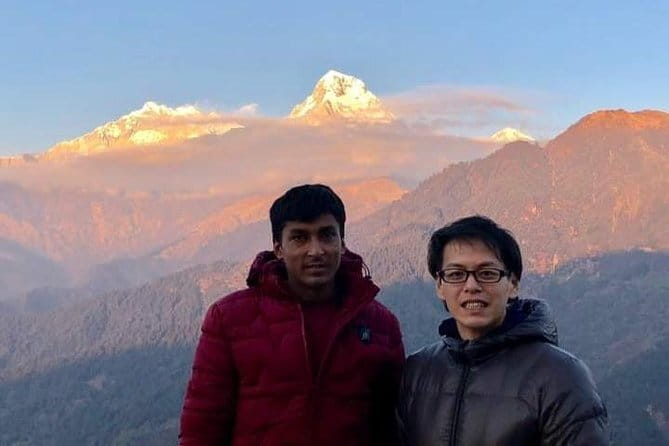
- Sunrise at 3,210 m from Poon Hill with wide views of multiple Himalayan ranges
- Pokhara’s Phewa Lake as a comfortable warm-up base before the trail
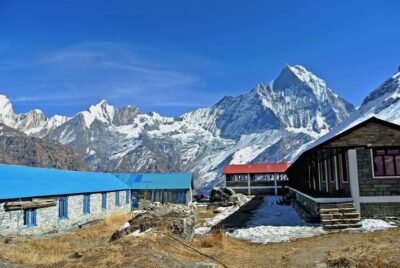
- Rhododendron forests and old trade-route history around Ghorepani
- Classic villages: Ulleri, Ghorepani, and Ghandruk (Gurung community)
- Permits included (Annapurna Conservation Area Permit and TIMS) with paperwork handled for you
- Private trekking setup so it is just your group, not a mixed crowd experience
Poon Hill sunrise at 3,210 m: the main event
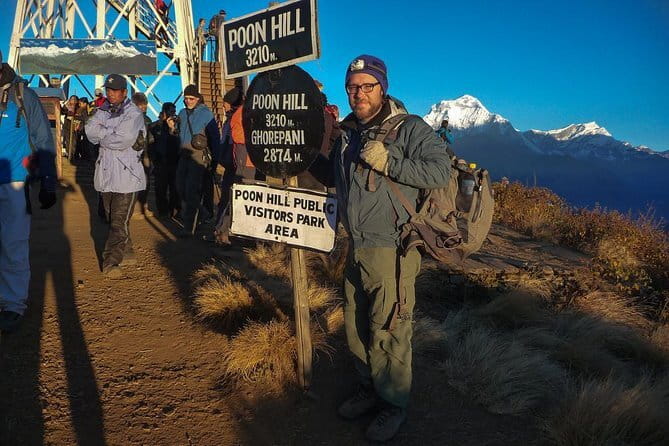
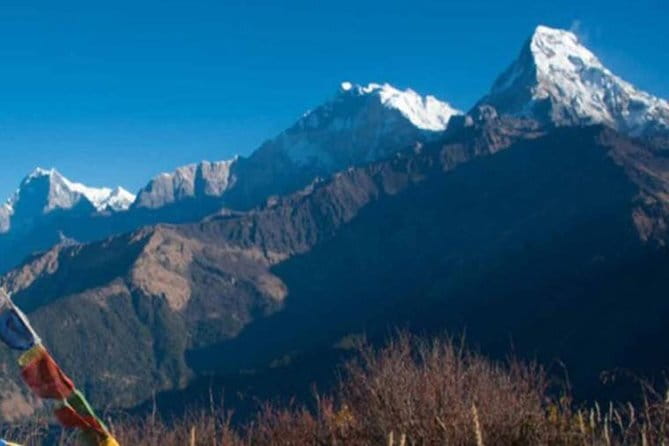
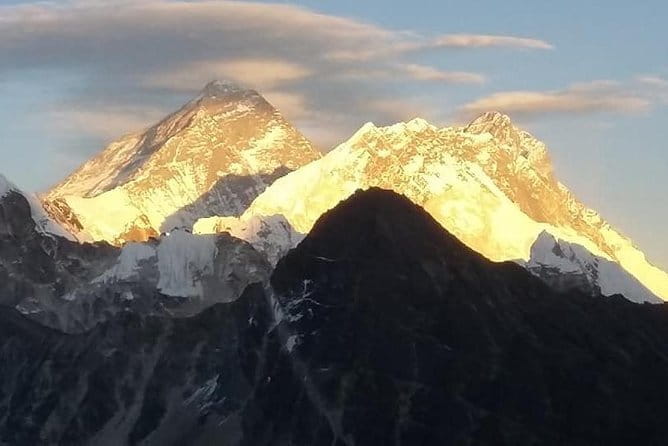
This trek is built around one big moment: an early hike to Poon Hill, at about 3,210 meters. You go uphill for an hour or more, then you wait just long enough for the sunrise timing to click. When the light hits the surrounding peaks, you get a panorama that can include Dhaulagiri, Tukuche, Nilgiris, Annapurna, and Manaslu ranges, plus Machhapuchare, known for its Fish Tail shape.
What I like about this approach is that it turns “effort” into “reward” quickly. You are not signing up for weeks of hiking to reach one view. Instead, you spend only a few nights on the trail and still get that iconic sunrise moment.
The one thing to plan mentally: sunrise views depend on weather and cloud cover. Your operator flags this type of risk up front, and honestly, on mountains it is real. The good news is that this trek’s timing focuses on that one morning window, so you are not guessing day after day.
You can also read our reviews of more tours and experiences in Kathmandu.



Pokhara on Phewa Lake: a comfortable start in Nepal’s mid-hills
Before you ever hit the trail, you get a proper setup in Pokhara, staying for two nights on a bed-and-breakfast basis. The point here is not luxury. It is practical. Pokhara gives you easy access to the trekking zone without jumping straight into long driving days or immediate altitude stress.
On arrival, you transfer by Phewa Lake so you can see Annapurna and Machhapuchare from your base. Then you get an afternoon that is mostly yours: short lakeside walks and time to reset after travel.
This matters because Day 3 begins with a drive out to the starting area. Starting relaxed makes those first stair climbs feel more manageable. If you want authentic Nepal days without feeling rushed, Pokhara is a good place to be before your feet start doing the talking.
Day-by-day trek rhythm: Ulleri steps to Ghorepani rhododendrons
Day 2: Drive to Pokhara, then keep it light
Day 2 is the “get oriented” day. You travel overland toward Pokhara, with windows of mountain views along the way, including the Annapurna region and Machhapuchare from the broader mid-hills perspective. After check-in, you spend time around the lake instead of immediately hiking.
If you are the type who hates arriving exhausted, this pacing helps. You get views without burning energy before the real climb begins.
Day 3: Nayapul to Hille to Ulleri village
The trek starts in earnest after you reach Nayapul, then follow the Modi River corridor up toward the villages. You drive past farm country and terraced fields, then arrive at Hille for the first real walk.
From Hille you climb on stone steps toward Ulleri, a small farm village with Annapurna views. The walking style here is important: it sets the pattern for the trek. Expect a mix of uphill grading and step-based climbs, but keep your pace controlled. This is the day where you want to establish rhythm more than speed.




Day 4: Ulleri ridge, forest climb, then Ghorepani
Day 4 feels like “the hike through Nepal.” You start uphill toward ridges above Ulleri and Bhanthati, then the trail winds into forest with tall rhododendron, magnolia, pine, oak, and fir. The climb continues gradually until you reach Ghorepani, known for its lodges and its views.
Ghorepani has a special layer that I appreciate: it sits on the old Trans-Himalayan Salt Trade Route, with a connection toward Upper Mustang and a Tibet border route called Karo-la. Even if you do not go deep into the history on the trail, it gives your walk a sense of place beyond scenery.
Also, if you trek in spring, the area can feel magical when rhododendrons bloom. Even outside peak bloom, the forest gives you shade and a steady, contained feeling that helps you keep moving.
Day 5: Early hike to Poon Hill, then back down to Tadapani
This is the peak “work early, rest after” day. You hike uphill toward Poon Hill for sunrise, then return to Ghorepani for breakfast. After that, you continue trekking, climbing a bit through rhododendron forest and then working your way downhill to Tadapani.
Tadapani is described as being in the midst of forest with superb views. Practically, that means you get another night that is not just a pit stop. You are still in the mountains; you are just starting to shift toward descent.
Day 6: Tadapani down to Ghandruk, then vehicle back to Pokhara
Today starts with a downhill walk into a mist-filled forest toward terraced farms above Ghandruk. Ghandruk is a major Gurung village in the Annapurna region, so you get more than views—you see how people live in these hills.
After a stop in Ghandruk, the trek ends in a vehicle ride back to Pokhara by Phewa Lakeside. This is a big benefit of this trek style: you do not have to keep hiking until the very end just because you are “already there.” The vehicle gives your legs a break, and you still end with a comfortable base.
Day 7: Drive back to Kathmandu, plus an optional flight
Day 7 is a return day. You drive back to Kathmandu, typically 5 to 6 hours. Once you arrive, the rest of the afternoon is free for last-minute shopping and souvenir time.
There is also an air option listed: a roughly 30-minute flight back to Kathmandu with views. If you get altitude fatigue or prefer a faster finish, the flight option can feel like a smart trade.
Day 8: Airport transfer for your departure
Your final day is straightforward: staff transfer you to the airport based on your international flight time. It is a clean close to the trek, without extra forced activities.
How hard is it, really? Moderate does not mean easy
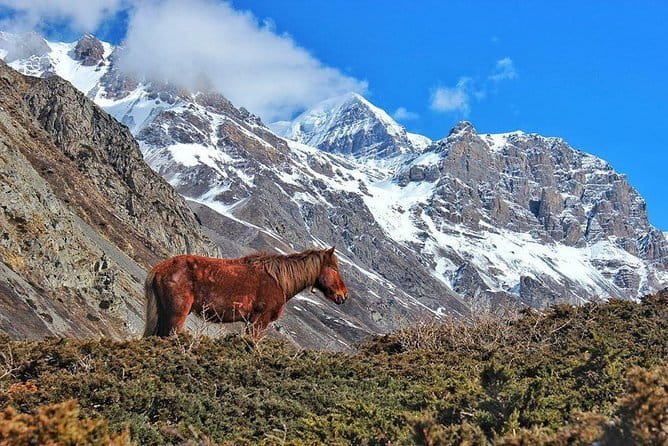
This is labeled a moderate trek, and the structure supports that. You are not doing extreme altitude pushing. The highest point you reach is Poon Hill at 3,210 m, which is manageable for many trekkers who can handle some altitude and early starts.
Still, the “moderate” part is not the same as “low effort.” You will deal with:
- Steep stone steps (especially on Day 3)
- Multiple uphill segments across the middle days
- A very early morning climb to the sunrise viewpoint (Day 5)
Your best strategy is pacing. Go slow enough that you are never forced to sprint. If you can comfortably walk uphill for 30 to 60 minutes at a time without collapsing into panic breathing, you are probably in the right zone.
If you have knee issues or you hate descending on uneven stone, consider talking with your doctor before you go. The trek includes downhill sections too, and your knees will notice.
What’s included: permits, meals, and the guide/porter setup
This package is more than just routes. It handles the paperwork and much of the day-to-day logistics for you.
Permits and paperwork
Permits included are Annapurna Conservation Area Permit and TIMS. Since these are required for trekkers in this region, it is a relief to have the paperwork taken care of rather than trying to sort it last minute in a new country.
Meals
The trek includes:
- Breakfast (8)
- Lunch (4)
- Dinner (3)
So you are covered for most food during hiking days. But Kathmandu and Pokhara lunches/dinners are not included, which is normal since those are your free afternoons.
Hotels
Kathmandu and Pokhara are included for two nights each, with accommodations on a bed-and-breakfast basis. During the trek, you stay in lodge-style accommodations in villages along the route.
Guide and porter support
You travel with an experienced, helpful, English-speaking trekking guide. There is also one porter for every two clients. That ratio can make a real difference if you plan to carry a jacket, snacks, a water bottle, and a camera, while also keeping your pack light.
In the reviews I saw, Ram Pant and his team were praised for dependability and making the plan happen from airport pickup through the trek. That kind of practical follow-through is exactly what you want in a short trek where lost time feels amplified.
Price and value: $736 worth it if you want stress-free planning
At $736 per person (for an 8-day trip), you are paying for more than the hiking. You are paying for:
- hotels in Kathmandu and Pokhara (two nights each) with breakfast
- guided trekking and porter support
- meals on the trail
- permits and paperwork handling
- Kathmandu–Pokhara–Kathmandu transport by tourist bus
- airport/hotel transfers where specified
- a mobile ticket option
If you tried to piece this together yourself, you might save money on paper, but the trade is time, coordination, and risk. For a short trek, smooth logistics are part of the value. You do not just want a pretty itinerary; you want it to run on schedule.
That said, your real value equation depends on what you add on top:
- your travel and rescue insurance (not included)
- tips for guide/porter (not included)
- personal expenses like charging, drinks, and anything extra in towns
- Kathmandu and Pokhara lunches/dinners
If you budget for those, the price can feel fair for a guided, permitted, well-timed sunrise trek.
Transportation and timing: buses, pickups, and early-morning logistics
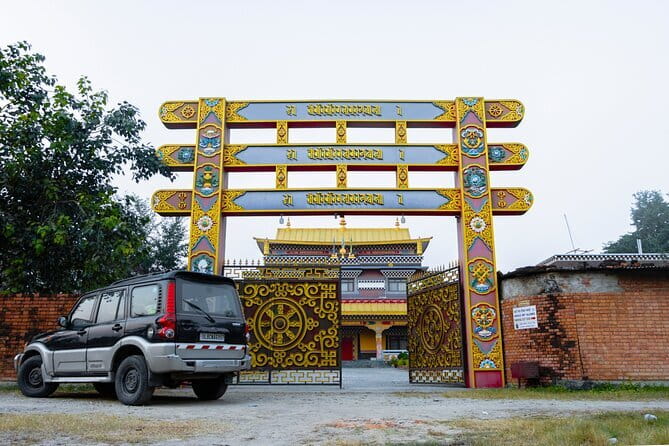
The trip uses tourist bus transport for the main Kathmandu–Pokhara movement. That can be comfortable enough for many people, and it keeps you connected to the route. You also get pickup and transfer support in Kathmandu based on arrival timing.
The early morning on Day 5 is the one timing stress point. The trek is designed around it, so you should be ready to go to sleep early and set up your gear the night before. Sunrise treks are not the time to wing your packing plan.
One small practical detail: the operator offers a mobile ticket, which can simplify access and reduce the paperwork fuss.
What to pack (and what you will pay for on your own)
The trek includes a guide, porter help, and meals on the trail, but you still control comfort. Plan around altitude-cold mornings and long walking days.
For personal expenses, expect items like:
- bottled water or hot water
- battery charging
- bar bills or extra snacks
- any personal shopping in Kathmandu and Pokhara (which is free time anyway)
Since the package does not include Kathmandu and Pokhara lunches/dinners, you can choose meals based on your tastes and budget there.
If you want fewer purchases, bring a refillable bottle and plan to buy only when needed. Keep your cash small-denomination ready for the smaller village stops.
Weather reality: how to protect your sunrise plan
This experience needs good weather. If clouds or rain roll in, sunrise views can fade. The operator notes that if the trek gets canceled due to poor weather, you may be offered a different date or a full refund.
On the ground, your best move is to treat sunrise like a high-value chance, not a guarantee. Even if visibility is limited, the trek still gives you forest walking, village life, and mountain views at other times. Just do not build your whole trip around a single perfect sky.
Who should book this Annapurna Poon Hill trek?
This is a good fit if you want:
- a short trek with a strong scenic highlight
- moderate hiking with a top altitude that many trekkers can manage
- guided support and permit handling
- village-to-village walking with forests, ridges, and viewpoints
- a comfortable mix of mountains and towns (Pokhara and Kathmandu)
You might want to choose a different option if you:
- want a fully flat trek day after day
- hate early starts
- have knee problems that cannot handle steep steps and uneven descents
- need guaranteed visibility for sunrise (weather can always interfere)
If you like the Annapurna region but do not have time for longer treks, this one hits a sweet spot.
Should you book Well Plan Trekking’s Poon Hill Sunrise Trek?
I’d book it if you want the classic Annapurna experience without living out of a backpack for two weeks. The value comes from the setup: hotels on a bed-and-breakfast plan, meals on the trail, permits handled for you, and a guide plus porter support that helps you keep the focus on walking and views.
I would think twice if you are extremely sensitive to steep steps, or if you cannot handle the early morning effort on Day 5. If that sounds like you, talk to the operator before you commit and make sure the pace fits your body.
If you do book, go in with realistic expectations about weather, keep your gear simple, and pace your first days. The sunrise is the headline, but the day-to-day mountain walking is what makes the trek feel complete.
FAQ
What is the highest altitude on the Annapurna Poon Hill Sunrise Trek?
Poon Hill is listed at about 3,210 m, and that is the maximum elevation you reach on this trek.
How long is the trek?
The duration is approximately 8 days.
What is included in the price?
Included items cover Kathmandu and Pokhara hotels for 2 nights each on a bed-and-breakfast basis, trek meals (breakfast, lunch, dinner as specified), permits (Annapurna Conservation permit and TIMS), Kathmandu–Pokhara–Kathmandu by tourist bus, an English-speaking guide, and one porter for every two clients. It also includes airport/hotel transfers as described and a mobile ticket.
How do transfers and transportation work?
You get an airport pickup in Kathmandu depending on arrival time, transfers to your hotel, tourist bus travel Kathmandu–Pokhara–Kathmandu, and transfers around Pokhara by Phewa Lake as noted. There is also a return drive to Kathmandu after the trek.
Is there an option to fly instead of driving back to Kathmandu?
Yes. The itinerary lists an option to return by air in about 30 minutes with views.
What meals are not included?
The tour includes breakfasts during the trek and specified lunches and dinners during trekking. Kathmandu and Pokhara lunches and dinners are not included.