REVIEW · POKHARA
Pokhara: 5 Day Annapurna Base Camp Trek & Natural Hot Spring
Book on GetYourGuide →Operated by Linkage Tour & Travel · Bookable on GetYourGuide
The Annapurna Base Camp trail feels mythic. In just five days, you climb through terraced fields, dense forest, and alpine paths to stand in the Annapurna massif’s shadow, then ease back down with a hot spring stop in Jhinu. Trekking to Annapurna Base Camp is the big draw, and I also like how the route keeps you in Gurung villages long enough to see day-to-day mountain life. The main drawback is simple: it’s a challenging hike with real cold at altitude, and bad weather can limit views.
What makes this trip especially workable is the human side of it. A government-registered English-speaking guide handles the permits, directions, lodge logistics, and pacing, and several guides (like Deepak, Paras, Hari, and Narayan Dai) are praised for altitude-sickness support and staying calm when conditions change. Still, you should consider the fact that meals are not included, so you’ll want a realistic daily budget for food once you’re walking.
In This Review
- Key Things That Make This Trek Feel Worth It
- From Lakeside Pokhara to Jhinu: The start you’ll feel in your calves
- Lower Sinuwa to Deurali: Forest walking, real altitude, and staying flexible
- Deurali up to Annapurna Base Camp via Machhapuchhre Base Camp: The big push
- Base Camp exploration and the Bamboo recovery day: Views plus a descent
- Back to Jhinu and Pokhara with hot springs: A satisfying finish
- Lodges, guides, permits, and pacing: What you actually get for your money
- Price: Is $171 a good deal for a 5-day Annapurna trek?
- What to pack (and what to plan for) so the trek stays fun
- Seasons, weather, and the view window reality
- Should you book this 5-day Annapurna Base Camp trek?
Key Things That Make This Trek Feel Worth It
- Base Camp day includes Machhapuchhre viewpoints: you get more than one “holy wow” moment, not just one destination photo.
- Your walking days are balanced: you gain altitude, explore, then drop down to Bamboo for recovery.
- Guides focus on pace and safety: multiple accounts highlight help with mild altitude sickness and taking slower hikers seriously.
- Lodges are planned, not guessed: you don’t have to sort permits, beds, or trail timing after a long day.
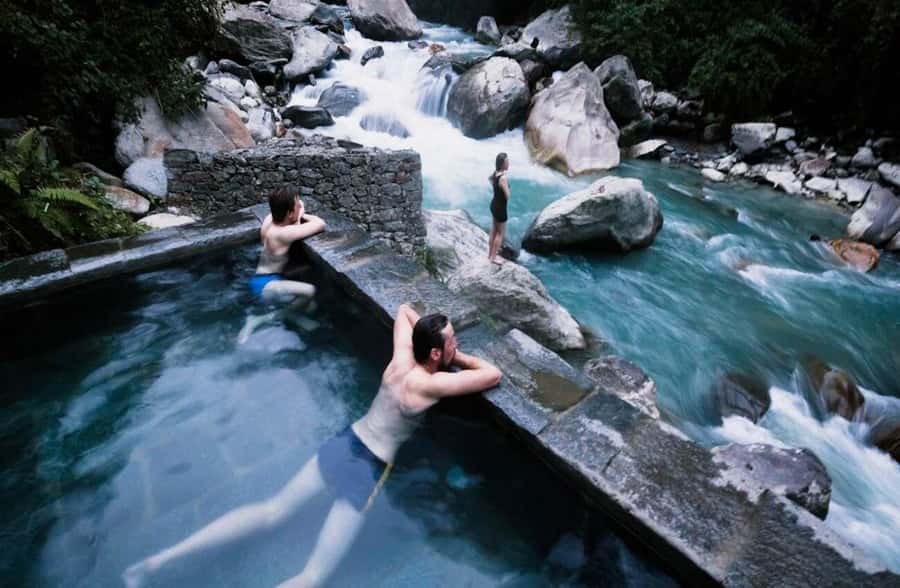
- Jhinu hot springs are built into the finish: it’s a satisfying way to loosen sore legs before heading back to Pokhara.
- Optional porter support is available: $15 per day can save your energy if you’re nervous about weight.
From Lakeside Pokhara to Jhinu: The start you’ll feel in your calves
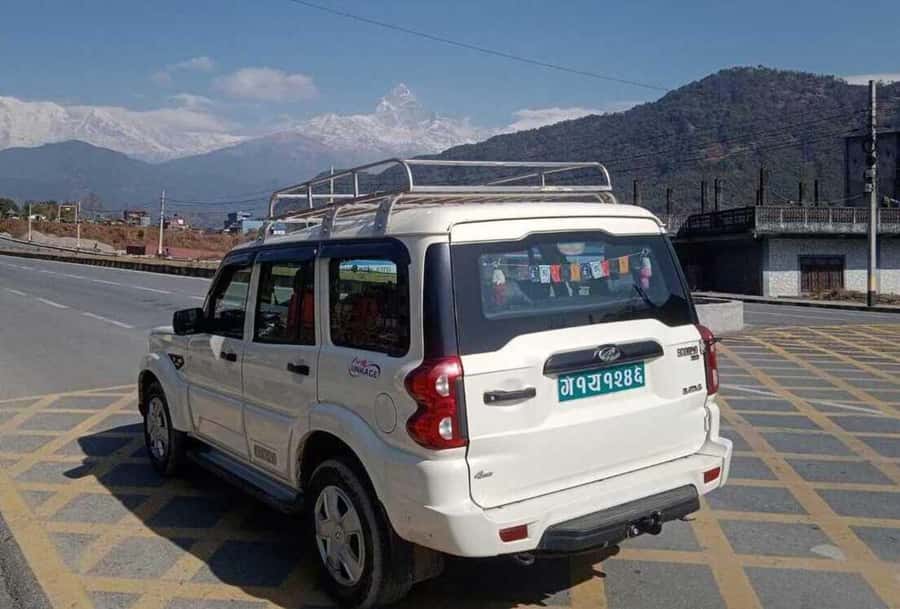
Pokhara is the easy-launch pad for Annapurna adventures, and this trek starts with pickup from Lake Side Pokhara (or the airport) by car. You then drive toward the trail’s lower end, switching from roads to steps fairly early so the first day doesn’t feel like an all-day travel slog. Day 1 brings you to Jhinu and continues onward to Lower Sinuwa, around 2,300 meters, with about 5 hours of hiking.
This is the part where you learn the trail’s personality. The first climbs can feel steeper than you expect because your legs are fresh and you’re still finding your rhythm. I’d treat this day as a warm-up, not a sprint. If you’re prone to sore knees, take the first hours slow and let your breathing set the pace.
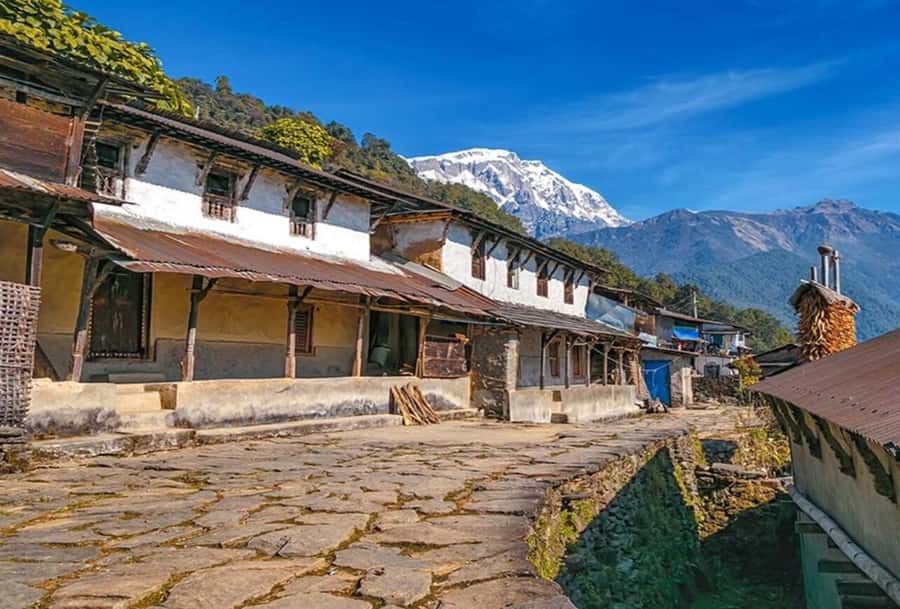
There’s also a subtle bonus: you’ll be surrounded by the lower-region mix of farms and forest, which makes it easier to stay mentally engaged as the air cools. You’re not just hiking upward—you’re changing environments step by step.
You can also read our reviews of more tours and experiences in Pokhara.
Lower Sinuwa to Deurali: Forest walking, real altitude, and staying flexible
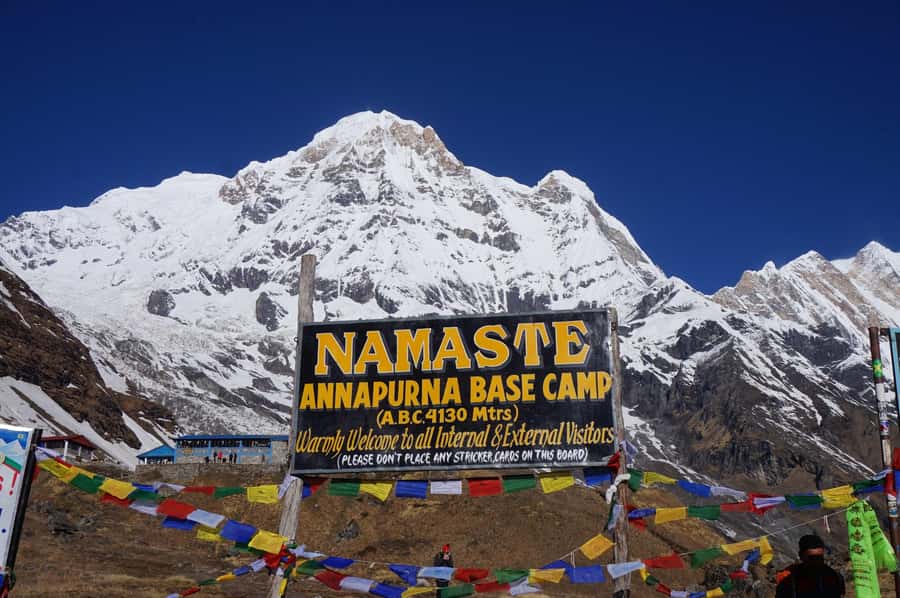
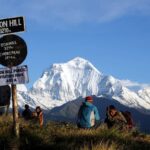
Day 2 climbs to Deurali, reaching about 3,200 meters with roughly 6 hours of trekking. This section matters because it’s where altitude starts to feel like more than scenery. You may notice your breathing working a bit harder on steady uphill grades, even if you don’t feel sick.
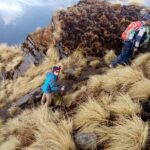
The route here also gives you a sense of how quickly the region changes. You move through greener, wooded terrain and gradually transition toward a more rugged feel. That matters for comfort: forest paths can be damp, and footing can be uneven, so waterproof shoes can be useful—some trekkers specifically recommended them.
This is a good day to use your head, not just your legs. If you feel any tingling headache, unusual fatigue, or sleepiness, tell your guide early. One key theme in the feedback is that guides keep you safe by checking in often and adjusting plans if needed.
Deurali up to Annapurna Base Camp via Machhapuchhre Base Camp: The big push
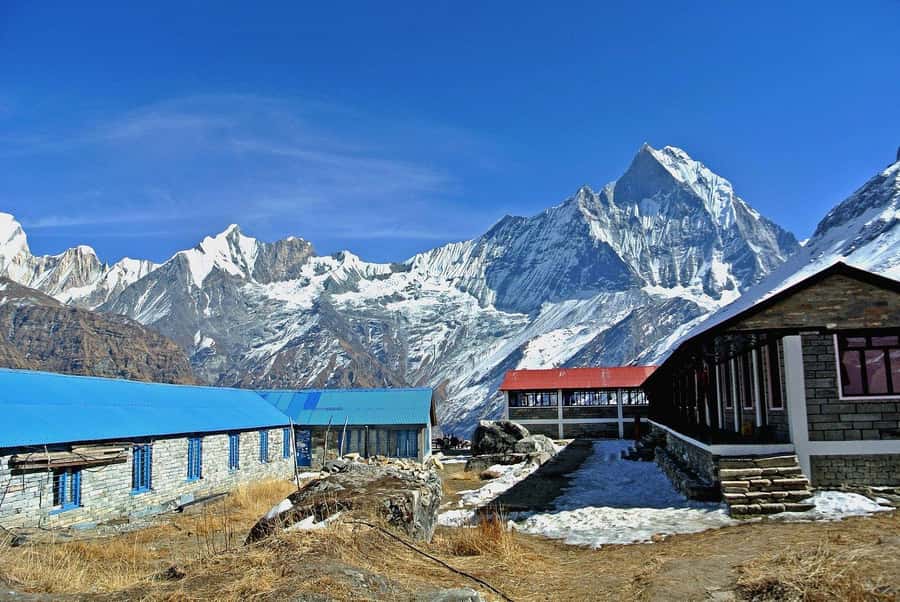
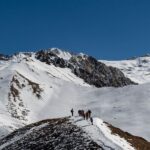
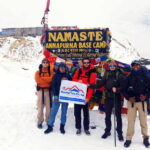
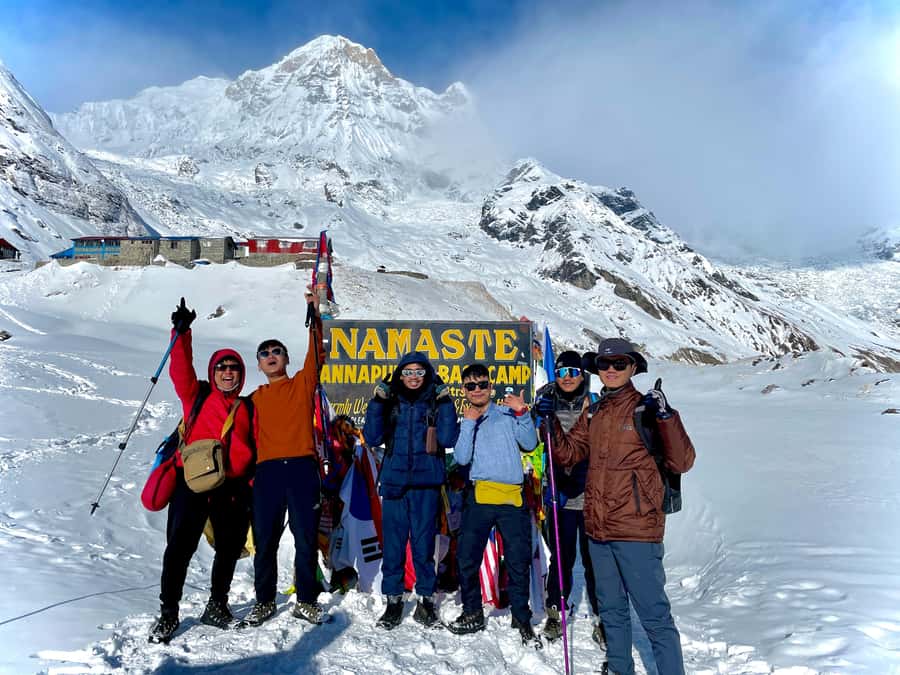
Day 3 is the main altitude day, climbing from Deurali up to Annapurna Base Camp around 4,130 meters via Machhapuchhre Base Camp. Expect about 4 hours of hiking for this leg, but “4 hours” can still mean a tough, steep feel. This is the day where you’ll appreciate having a guide who knows how to pace a group without forcing anyone into a medical situation.
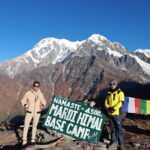
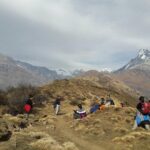
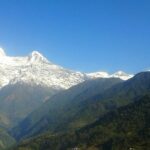
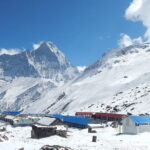
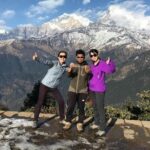
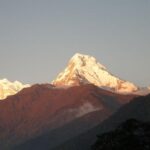
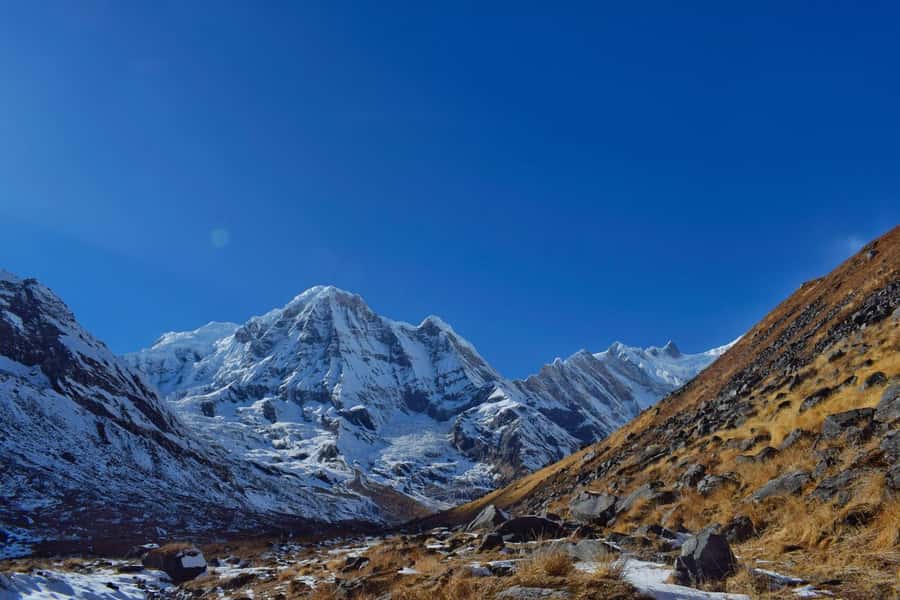
You’ll also get an important double payoff. The Machhapuchhre Base Camp stop sets you up for the moment Annapurna Base Camp finally opens up, including famous views of the Annapurna massif and the fishtail silhouette area (Machhapuchhre). Even when visibility changes, there’s still a strong sense of scale as the mountain walls get closer and the air tightens.
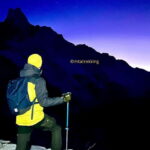
Cold can hit faster than you expect at these elevations. I like to plan for layers that you can add or remove quickly, because your body swings between effort and waiting. On this day, you’ll likely spend time moving, stopping, taking photos, and then moving again. If you’re the type who hates standing still, remember: those breaks are part of the altitude management.
If you’re worried about altitude sickness, you’ll be glad this operator provides guides who have repeatedly handled mild cases by offering medication and comfort and by helping people adjust their pace.
Base Camp exploration and the Bamboo recovery day: Views plus a descent
Day 4 is split between time at Annapurna Base Camp and then trekking down to Bamboo (about 2,400 meters). The hiking time listed is around 6 hours, but the rhythm is different from Day 3. You get the experience of being at the base of the massif, with time to soak in the area, then you start the gradual return toward warmer air.
This “explore then drop” design is practical. It helps you avoid the common mistake of treating every day like a summit push. You’ll get that peak moment in the morning or midday, then you can focus on steady steps later with less pressure on your body.
Bamboo is a smart target for recovery because it brings you down from the hardest altitude zone. You’ll still be on a trekking schedule, but you’re less likely to feel like you’re fighting the air.
This day also tends to be where the lodge experience matters. You’ll want warmth for evening. Multiple trekkers highlighted cozy lodge setups and extra blankets on cold nights, which is the kind of detail that can make or break your mood when the temperature drops.
Back to Jhinu and Pokhara with hot springs: A satisfying finish
Day 5 takes you from Bamboo back to Jhinu for the final drive to Pokhara, with a hot spring stop along the way. The hike portion is shorter in altitude terms, and the total listed day includes about 6 hours including the driving time, with Jhinu sitting around 822 meters.
This is the day for leg recovery. The hot springs stop is not just a nice extra; it’s a practical way to help your body bounce back from several days of downhill stress. You’ll also get a proper decompression moment before returning to the energy of Lakeside Pokhara.
I like how the finish works psychologically too. After a tough day or two, ending with heat and relaxation helps the whole trek feel complete.
Lodges, guides, permits, and pacing: What you actually get for your money
This trek includes private accommodation on tourist standard lodge style lodging, plus hotel pickup/drop-off around Lakeside Pokhara. You also get the core paperwork covered: ACAP (Annapurna Conservation Area) permit, TIMS, and government permits and taxes. That’s one less thing to worry about once you’re on the mountain where your brain is already full.
The guide component is a big deal here. Several guides were mentioned by name across trips—Deepak, Paras, Hari, Sushil, Basanta, Narayan Dai, Bidur, Rudra, Rajendra, Sandesh, and others—and the consistent pattern is care. People described guides who:
- kept a comfortable pace and encouraged hikers to go at their own speed
- handled mild altitude sickness with medicine and support
- carried extra weight when someone was struggling
- explained local culture and what you’re seeing
Porter help is optional at $15 per day, which gives you flexibility if you want to carry light but don’t need full porter coverage.
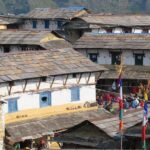
Accommodation is part practical and part comfort. I’d expect basic rooms, simple meals at lodges (you’ll pay for them), and the need for warm layers. In one monsoon-season experience, leeches were present and the guide handled them quickly—another reminder that having a capable person leading the way matters more than the route description.
Price: Is $171 a good deal for a 5-day Annapurna trek?
At $171 per person, you’re paying for a package that includes a guide, permits, lodge stays, and transport from Pokhara to the trekking start. The biggest “value check” is what you still need to add:
- Meals are not included (you buy your food along the way)
- You might add an optional porter ($15 per day)
- You’ll need basic trekking gear and comfortable shoes
When you weigh the included items, the price starts looking more reasonable. Permits can add up, and guides aren’t cheap—especially when they’re government-registered and handling lodging, safety, and pacing. You’re also getting sharing jeeps for the road segments instead of doing everything independently.
If you can’t (or don’t want to) manage permits and route logistics, this package is a clear convenience win. If you’re already set up with your own guide or porter and you’re comfortable handling permits and lodging yourself, you might find cheaper DIY options. But most people booking this trek want the structure, and the included structure seems worth the money.
What to pack (and what to plan for) so the trek stays fun
You’ll be fine with the basics, but pack with altitude and weather in mind. The operator asks you to bring your passport or ID card (a copy is accepted) and comfortable shoes.
Beyond that, I’d bring:
- layers for cold mornings and evenings
- rain gear if you’re going in wetter months
- a small stash of cash for lodge purchases, since costs can change as you climb (people have noted differences at higher elevations)
- trekking poles if you have them, and if not, ask whether pole rental or help with trekking gear is available
One useful tip from the field: some trekkers were able to rent poles for free through the company. Don’t assume it’s always included everywhere, but it’s worth asking before you arrive.
Seasons, weather, and the view window reality
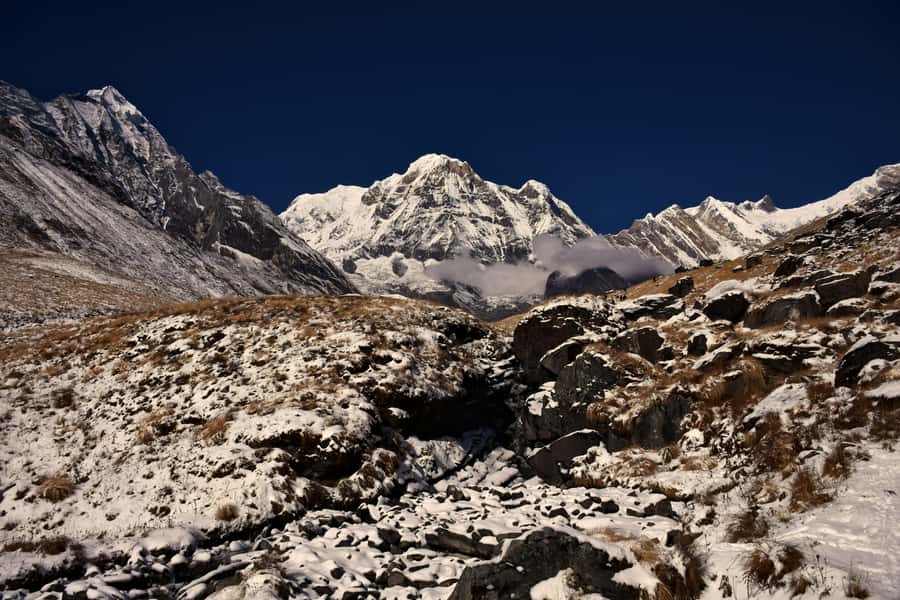
The Annapurna region can be stunning or clouded, and your experience depends heavily on visibility. One group in January had clear, sunny skies for most of the trek. Another described monsoon conditions where clouds blocked peaks at times, and leeches were present on the trails.
So here’s how I’d plan mentally: don’t build your whole day around one perfect view. Even when the mountains hide, the trek still has meaning—walking through changing terrain, reaching base camp, and feeling the altitude and cold for yourself. If visibility opens briefly, that’s your bonus moment, not your guarantee.
If you’re trekking during monsoon season, wear proper ponchos and expect wet sections. And yes, leeches can happen—having a guide who knows what to do makes a difference.
Should you book this 5-day Annapurna Base Camp trek?
Book it if you want a guided plan that handles permits, lodging, and pacing, with guides who have repeatedly shown they can support hikers who get altitude symptoms. This is also a good fit if you want the emotional arc: climb to base camp, spend time there, recover as you drop to Bamboo, then finish with Jhinu hot springs.
Don’t book it if you’re looking for a gentle stroll or if cold and steep walking scares you. Also, the trek is listed as not suitable for pregnant women.
If you’re a first-time trekker or you’re returning after time off, I think this package works because it gives you structure and safety support. The best move is to tell your guide honestly how you feel each day, especially in the first half when your body is learning the altitude rhythm.