REVIEW · HANOI
Mai Chau – Pu Luong trekking 3 days 2 nights
Book on Viator →Operated by Mr Linh's Adventures · Bookable on Viator
Three days in Pu Luong changes your pace. This Mai Chau–Pu Luong trek puts you into Thai and Muong village life, with rice-field walks, limestone views, and the kind of river-crossing legs that earn you a serious dinner. You’ll spend nights with local families in stilt-house homestays, and the whole trip is built around small, human moments—not just photo stops.
What I like most is the door-to-door pickup from Hanoi plus transport handled end to end. Second, the trip is meal-forward: you get breakfast and dinner with your host families, so you’re not hunting food after a hike.
One thing to consider: this is a countryside trekking experience, not a hotel vacation. Accommodations can be basic, and weather can turn chilly or rainy, so you’ll want a rain layer and patience.
In This Review
- Key highlights you’ll actually feel
- Why Pu Luong feels different from nearby Mai Chau
- Price and logistics: what $514 buys you (and what you still pay for)
- Day 1: Bản Poom Coọng to Pu Luong Nature Reserve homestay nights
- Day 2: optional sunrise farm activity plus the hardest stretch
- Day 3: shorter trekking, steep climbs, and valley views before heading back
- Guides you might meet and why their style affects the whole trip
- Homestays in practice: cozy meals, stilt houses, and the reality check
- What to pack and how to handle the trek day comfort
- Weather can be perfect or a little rude
- Should you book the Mai Chau to Pu Luong trek?
- FAQ
- What time does the tour start?
- Do you get pickup from Hanoi hotels?
- Are homestays included?
- What meals are included?
- Is there an optional activity on day two?
- What documents do I need to bring?
Key highlights you’ll actually feel
- Village life on foot, not just scenic viewpoints
- Bản Poom Coọng lunch in a traditional stilt house
- Pu Luong Nature Reserve homestay dinner, with real daily rhythms
- Optional sunrise activity for early-morning farm work
- Steep climbs plus river crossings (with an easier stretch afterward)
- English-speaking guide and permits handled, so you spend less time figuring things out
Why Pu Luong feels different from nearby Mai Chau
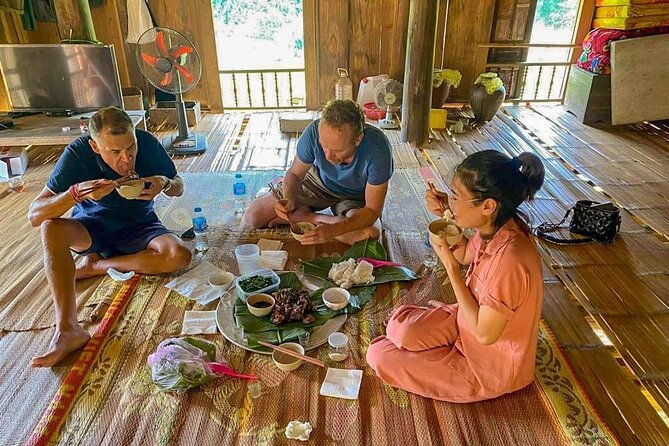
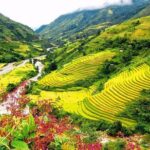
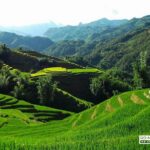
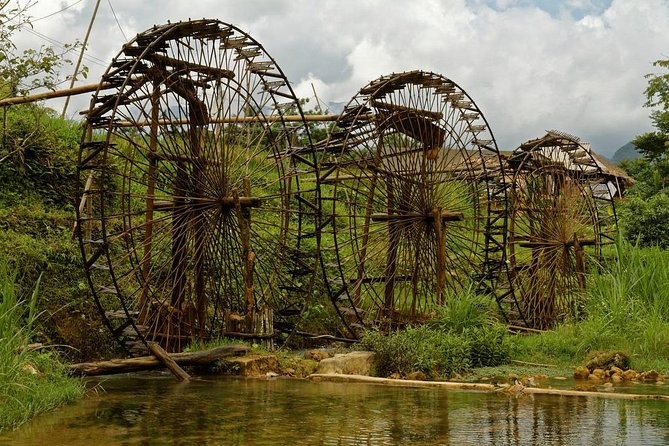
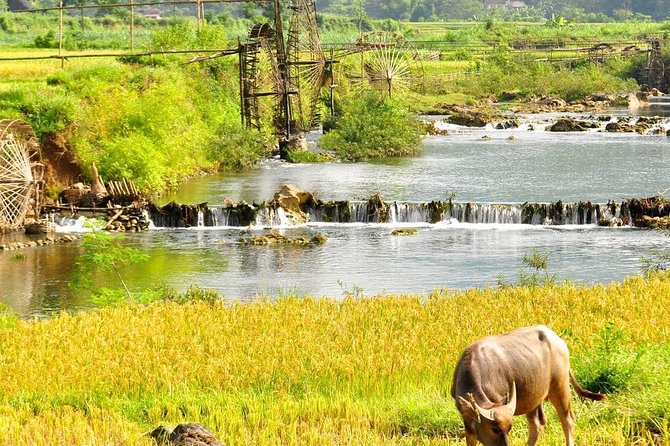
Mai Chau is already a popular stop on Vietnam routes. Pu Luong is why you go deeper. The whole area stretches across a big nature reserve zone, from the Mai Chau region toward Cuc Phuong in the south-east, and that scale matters because the scenery shifts as you walk: rice fields change texture as the slopes rise, small villages appear like stepping stones, and the limestone-and-valley feel shows up again and again.
This trek also gives you something many “scenic walks” don’t: context. You’re not just moving through nature; you’re moving between places where Thai and Muong communities live and work. That shows up in the way you eat, where you sleep, and even the timing—especially on day two, when early farmers’ routines are part of the experience.
You should expect a real “go with the flow” kind of trip. There’s trekking, yes. But the better payoff is learning how daily life runs when you’re not at the center of it.
You can also read our reviews of more tours and experiences in Hanoi.
Price and logistics: what $514 buys you (and what you still pay for)
This trip costs $514 per person, which is the big headline. For that money, you’re not just buying walking shoes and a route. You’re buying planning, transport, and home-stay-based meals—three things that add up quickly in Vietnam if you try to DIY.
Here’s what’s included:
- Door-to-door pickup from your hotel in Hanoi, plus private transfers
- An English-speaking guide during the program
- Homestay accommodation at local places for the nights
- All sightseeing tickets and travel permits
- Meals: breakfast (2), lunch (3), dinner (2)
- Dinner and breakfast are built into the homestay rhythm, not a generic restaurant stop
What’s not included:
- Tips/gratuities and personal spending
- Travel insurance
- Flights and related taxes (international travel costs)
- Beverages and other personal expenses
So is it good value? It tends to be, if you want less hassle and more “live where people live” time. If you’re the type who hates basic lodging or doesn’t like uncertainty around weather, you might feel the price more sharply—because the experience isn’t trying to be polished.
Day 1: Bản Poom Coọng to Pu Luong Nature Reserve homestay nights
Day one starts with a familiar pattern: you get picked up from Hanoi after breakfast and head west toward Hoa Binh Province. The drive includes a market stop along the way, which is an easy way to get your bearings before the trekking day even begins.
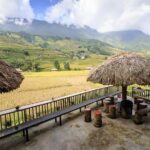
Your first real village moment is Bản Poom Coọng (Pom Coong). This is where you rest and eat lunch in a typical Thai stilt house. That detail matters because it’s not a quick “look at the building” moment. You’re seated, you’re eating, and you’re absorbing the daily style of a home that’s meant for the local environment.
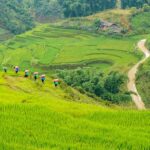
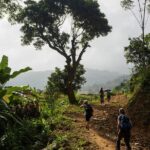
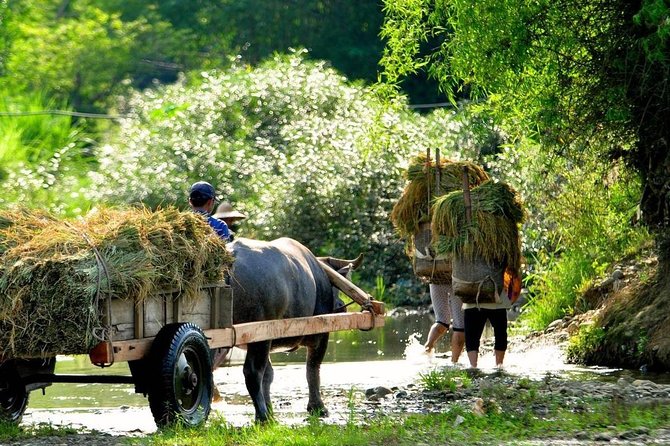
After lunch, you enter Pu Luong Nature Reserve for a hike that moves through rice fields, mountains, and small communities. You’re crossing village paths and seeing everyday life up close. This is also the point where the trek becomes more than a walk: you’ll feel the rural pace and the way people move through their spaces.
By evening, the plan turns into the homestay part of the experience: dinner with a local family and sleeping in a Thai stilt house. If you want a trip that feels human and grounded, this night is the reason to book.
Possible drawback on day one: you’re building from travel into walking. If you’re sensitive to long driving days, pack for comfort in transit and don’t underestimate how tired you can be after sitting in a vehicle all morning.
Day 2: optional sunrise farm activity plus the hardest stretch
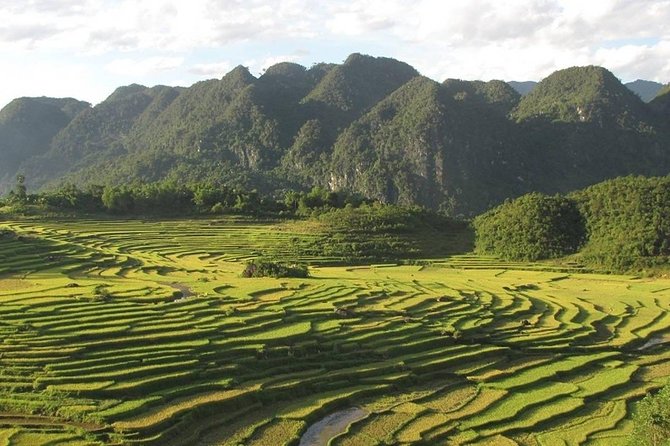
Day two has a morning option that’s easy to skip, but worth hearing about. If you rise early, you can watch the sunrise unfold over the mountain tops while local farmers do their early work. The value here isn’t just the view. It’s the routine—how movement starts long before tourist hours.
Even if you don’t join that sunrise activity, you still get breakfast made by your Thai host family, and then it’s trekking time. Expect about 5–6 hours of hiking.
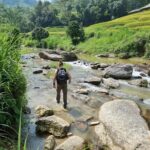
This is the day with the most “effort feels real” moments. The first stretch is described as the hardest: steep climbs and river crossings. Then the trail eases into an easier section where you can breathe, enjoy the scenery, and keep your pace steady. That pacing choice is practical. It prevents the entire day from becoming one long grind.
Practical tip: river crossings can be the part that surprises people. Don’t just think about your legs—think about your shoes and your footing. Go for comfortable walking shoes you trust. If you’re wearing thin soles or slippery footwear, you’ll feel it.
By the time the day winds down, you’ll be set up for another homestay-style evening experience, because day two is still part of that “live with locals” rhythm.
Day 3: shorter trekking, steep climbs, and valley views before heading back
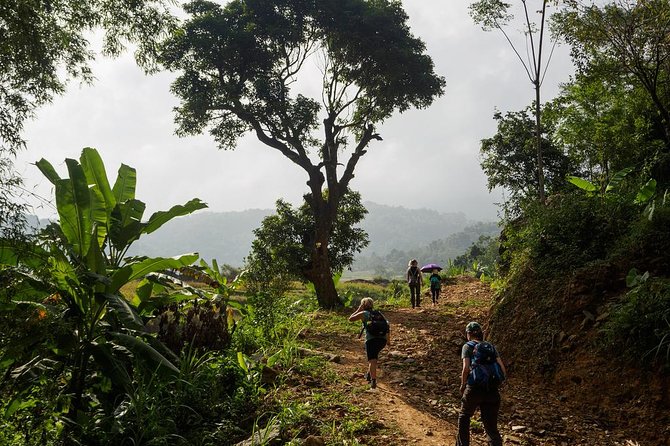
Day three is the final push, and it’s structured like a “you’ve got this” ending. You’ll do about 3 hours (roughly 5 to 7 kilometers) of trekking, starting with an easier stretch. This matters because it gives your body a chance to reset after day two.
You’ll then take a rest stop in Ban Hieu Village. After that, the trail gets serious again with steep climbs and more thrilling river crossings. This isn’t the kind of day where you can coast. But you’ll get rewarded when the valley opens up and the views arrive from your higher position.
Once you’ve taken time to enjoy that elevated moment, you move on to Pho Doan Village for a rest before returning to the main road. Your driver will be waiting, and you’ll head back toward Hanoi. Lunch is included again on this final travel segment.
A good way to think about day three: it’s shorter than day two, but it doesn’t erase the challenge. It ends strong, which makes the drive back to Hanoi feel earned.


Guides you might meet and why their style affects the whole trip
One reason people speak highly of this trek is the guide experience. Names that show up include Mr Linh’s Adventures team members and guides like Sun, Son, Mr Hoa (John), Mr Loi, and Mr Long—with Bao frequently mentioned as the driver.
What that means for you:
- You’re getting an English-speaking guide, so you’re not stuck with a generic, silent walking tour.
- Some guides lean into interpretation. For example, one guide is specifically noted for sharing plant knowledge, which is a great way to make the trail feel more like a conversation than a checklist.
- Pace and tempo show up as a real factor. A guide named Son is noted for a not too challenging tempo, which matters if you want to enjoy the walk instead of just survive it.
Also, the driver isn’t a side character. With a trip that starts in Hanoi and uses multiple transport legs, having a driver who keeps things smooth helps you stay calm when roads and schedules shift.
Homestays in practice: cozy meals, stilt houses, and the reality check
This trek includes homestay accommodation, and that’s where the experience gets personal. You’re not sleeping in a standardized lodge. You’re sleeping with families in Thai stilt houses, and the food is part of the deal.
From the positive side, people highlight homestays as cozy, and food as a real highlight. With two breakfasts and two dinners included, you’re not relying on “find something nearby” logistics after hiking.
Now the balanced part: homestays can be basic. One account raised a concern about value when accommodation quality didn’t match expectations for the price. The operator response emphasized authenticity—even if it’s a bit rustic.
So what should you do with that information?
- Go in expecting local rather than luxury.
- Keep an open mind about comfort.
- Treat the homestay as part of the cultural exchange, not a hotel substitution.
If you accept that, you’ll probably come away feeling like you saw a real version of rural life, not an imitation of it.
What to pack and how to handle the trek day comfort
Comfort here is about basics, not fancy gear. Wear light, comfortable outdoor clothing and plan on hiking for hours. Bring a small day pack for the trekking day so you’re not juggling water and essentials.
You should also pack:
- Comfortable walking shoes
- Insect repellent
- Sun cream and a sun hat
- A raincoat (because weather can shift fast)
Passport is essential for this trip. The program explicitly calls it out, and that usually means permits and travel documentation need it.
Fitness-wise, the trip is for travelers with moderate physical fitness. You don’t need to be an athlete, but you should be comfortable with:
- Steep climbs
- River crossings
- Multi-hour hiking days
If that describes you, you’ll likely enjoy the pacing. If you’re recovering from an injury or you hate any kind of uneven footing, you might want a gentler option.
Weather can be perfect or a little rude
You can get lucky with clear views and comfortable temps. You can also get cloudy, chilly conditions. In at least one case, heavy rain showed up on a connected trip segment, which is a reminder that weather isn’t a guarantee.
The good news: the trek isn’t only about sunshine. Rice fields and valleys still look good under cloud cover. Cool air can even make walking more pleasant when it’s not roasting.
Your best move is to plan like the rain will happen:
- bring the raincoat you actually wear
- wear shoes with good grip
- keep a light layer ready for chilly mornings
The optional sunrise farm activity makes this even more relevant. If you go for it, dress for early-cold air, not midday warmth.
Should you book the Mai Chau to Pu Luong trek?
I’d book this trek if you want:
- Homestay nights in stilt houses and meal time with local families
- A walk that includes village culture, not just nature
- A guide-led experience where transport and permits are handled
- The kind of challenge you can handle: steep sections and river crossings, but with a paced plan
I might hesitate if:
- You need consistent, hotel-level accommodation
- You hate trekking uneven ground, even for short stretches
- You’re planning to skip all sunrise potential and you dislike early starts—this trip really does use the morning hours when it can
One more decision helper: check your expectations for comfort versus immersion. This is a trek built for connection and practicality. If you align with that mindset, the price starts to feel fair for what you get—especially the included meals, the homestay experience, and the fact that door-to-door transport keeps you from juggling logistics.
FAQ
What time does the tour start?
The start time is 8:30 am.
Do you get pickup from Hanoi hotels?
Yes. The tour offers private door-to-door pickup from your hotel in Hanoi.
Are homestays included?
Yes. Accommodation at homestays is included.
What meals are included?
The tour includes breakfast (2), lunch (3), and dinner (2).
Is there an optional activity on day two?
Yes. There is an optional sunrise activity to watch farmers working early in the morning.
What documents do I need to bring?
You should bring your passport, as it is essential for the trip.