REVIEW · MARRAKECH
3 Day Trekking in Atlas Mountains and Berber Villages From Marrakech
Book on Viator →Operated by Art de Cuivre Travel · Bookable on Viator
Village doors, mountain air, and walking all day. This private Atlas Mountains trek from Marrakech takes you through Berber villages and ends with a local family home for the night, so you get the real rhythm of rural life instead of a quick photo stop.
I also like how much the trip takes the pressure off you. You get a mule for your gear, plus a guide team that keeps the hiking moving and the food sorted, including chef Omar cooking on a portable stove. One consideration: the walking is not just a stroll. The second and third days involve serious altitude work, climbing roughly from 1600 to 2400 meters.
In This Review
- Key highlights worth knowing
- A private Atlas trek with Berber villages: what you really get
- From Marrakech to Imlil Valley: the first hour sets the tone
- Day 1: Aroumd hiking, Tidli lunch, and the push to Mount Tawdja (2800m)
- Day 2: the real altitude work, plus another family night
- Day 3: final descent, wrap-up, and back toward Marrakech
- Mules, meals, and sleeping bags: the comfort that makes this doable
- Staying in Berber homes: why this version of the trek feels authentic
- Mount Tawdja day and the guide team: what makes the route work
- Price and value: is $139.59 a good deal for a 3-day Atlas trek?
- Who should book this Atlas Mountains and Berber villages trek?
- Should you book this tour?
- FAQ
- How much does the 3 Day Trekking in Atlas Mountains and Berber Villages From Marrakech cost?
- How long is the trek?
- Do you get picked up in Marrakech and returned to the same place?
- Is this a private tour?
- Is there a mule to carry gear?
- Are meals and accommodation included? Are sleeping bags provided?
- Is free cancellation available?
Key highlights worth knowing
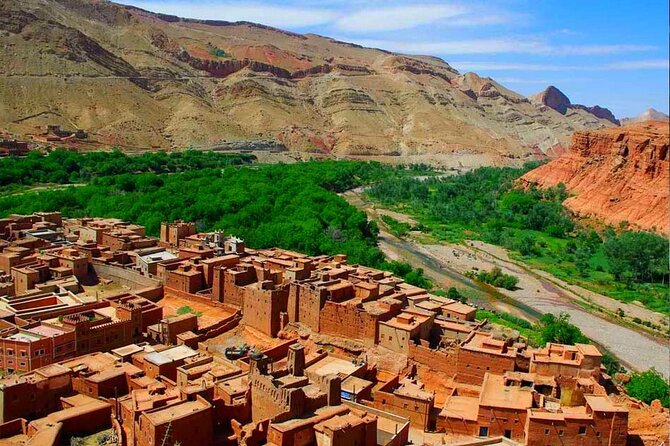
- Berber village visits and multiple home stays give you more than one family’s routine and cooking style
- Imlil Valley start sets you up fast, with tea, mule check, and bag prep before the trail
- Mount Tawdja area climbing (up to 2800m) helps make day one feel purposeful, not random
- Higher passes on days two and three mean you’ll want real hiking shoes and layers
- Chef Omar’s practical meals turn a simple setup into hearty comfort after the walk
- Pickup and return transport to Marrakech keeps the logistics simple once you’re done walking
A private Atlas trek with Berber villages: what you really get
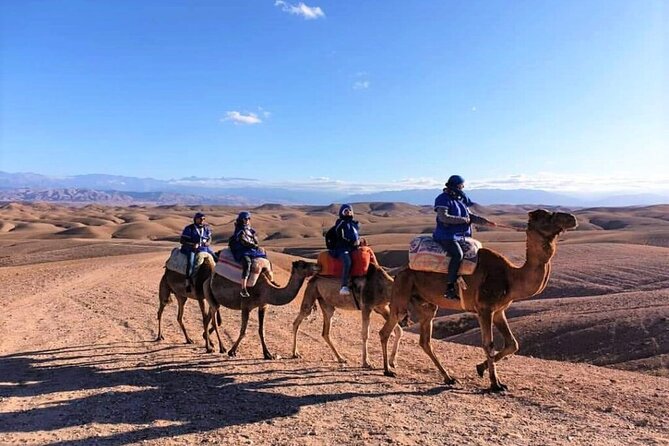
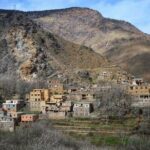
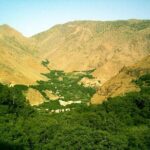
This is a three-day private trek in the Atlas Mountains designed around one goal: you walk between villages and spend time with Berber families, not just along a scenic trail. You’re picked up from Marrakech, driven to the start point, then guided by local leaders who handle the route while you focus on the day’s pace and the views.
Value comes from the support system. You get a mule to carry your gear, sleeping bags are provided, and accommodation plus many meals are included. That matters because it turns the trip from an endurance challenge into a guided experience where you can actually enjoy the villages and the walking.
The reviews are consistently strong (a 5/5 rating across 12 reviews), and the praise has a clear pattern: guides who know the area, food that’s genuinely good, and organization that keeps you from having to guess what comes next.
You can also read our reviews of more tours and experiences in Marrakech.

From Marrakech to Imlil Valley: the first hour sets the tone
You start at 9:00 am from the Hôtel Restaurant Café de France in Marrakech. Pickup is offered, and the plan is to be in Imlil Valley around 10:30 am, where you meet your guide and your mule.
This start matters more than it sounds. When your guide handles the mule and pack prep right at the valley, your first hike hour feels like a calm beginning instead of a scramble. You’ll also have tea before setting out, which gives you a chance to ask quick questions and settle into mountain rhythm.
Because this is a private tour, you’re only with your group, not mixing with a long line of strangers. That usually makes homestay dinners and village time feel more personal, and it helps your guide keep the pace aligned with your comfort level.
Day 1: Aroumd hiking, Tidli lunch, and the push to Mount Tawdja (2800m)
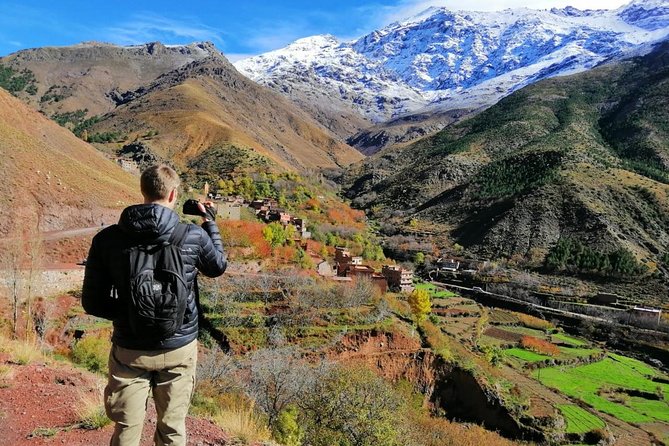
Day one starts with a hike toward the Aroumd area. The pace is described as a calmer start, which is smart—your legs get used to the trail before the higher days arrive later.
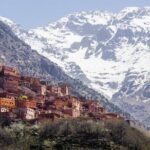
Around lunchtime, you stop at Tidli for lunch at the home of a local Berber family. This is one of the best parts of a trek like this: you’re not just walking past villages, you’re inside one, eating what the family is actually eating. After lunch, the route turns upward.
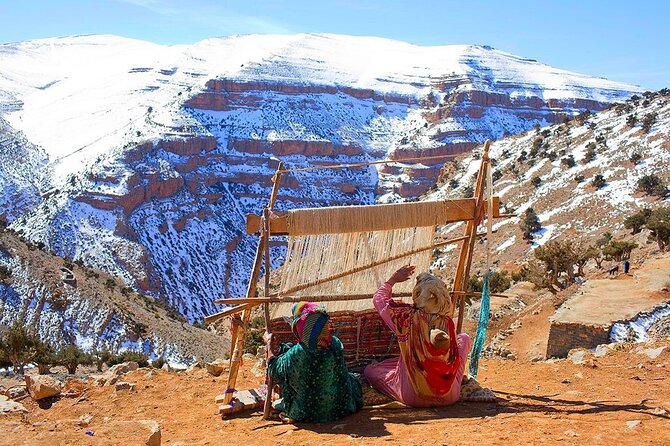
Next you climb toward Mount Tawdja, reaching about 2800m. Along the way, you pass through smaller villages including Tagadirt and Tamatert. That pass-through is important because it keeps the day from feeling like one long, single climb. You get repeated small moments of village life as you move uphill—faces, footsteps, conversation, and the way the trail threads through homes.
Practical tip: for day one, treat it like warm-up training. Wear layers you can adjust as the sun hits and clouds shift. You’ll likely feel the altitude build across the day, even if the first segment feels gentle.
Day 2: the real altitude work, plus another family night
Day two is where you should expect the trek to start testing your climbing legs. One review notes that on days two and three you go up from about 1600 meters to around 2400 meters, then return back down.
You should picture this as a steady day of uphill walking followed by a downhill that still asks for attention. Foot placement matters when the ground changes, and your breathing will slow a bit even if you’re fit.
Just as important, day two continues the homestay approach. The concept of the trip is visiting several different Berber villages and staying with multiple families, so you’ll likely feel like you’re moving through village life rather than camping in one fixed location.
What I like about this structure: you get variety. Different families means different cooking, different household routines, and different ways people spend the evening. It also breaks up the trek mentally. You’re never just doing another day of the same trail.
Day 3: final descent, wrap-up, and back toward Marrakech
On day three, the goal shifts to finishing strong. If you’re coming off the 1600–2400m effort from the previous day, you’ll still walk, but your focus becomes balance and rhythm: legs relaxed enough to enjoy the last views, but careful enough to handle the descent.
The trip ends back at the meeting point in Marrakech, with return transport included. So you’re not stuck thinking through how to get home once your last steps are done.
A good way to think about day three: it’s the day you learn how much the support system matters. When your guide and mule logistics are handled, the final day feels like a finish—not a scramble.
Mules, meals, and sleeping bags: the comfort that makes this doable
For many people, the hardest part of a trek is not the altitude—it’s everything around it. This one handles a lot of that with practical support.
You’ll have a mule carrying your gear, which can be the difference between enjoying the village stops and getting tired before the day even starts. The guides also keep the route organized so you’re not constantly scanning for direction.
Sleep setup is covered too. Sleeping bags are provided, so you’re not forced into buying gear you might never use again.
Food is a standout. One review praises chef Omar, noting that he managed amazing meals using a single portable stove. That’s exactly what you want after a mountain day: real warmth and something satisfying, not just a snack situation.
Pack smart: bring a small day bag for essentials and keep the rest close and easy for the mule. Dress in layers you can peel off during climbs and bundle back up for village evenings.
Staying in Berber homes: why this version of the trek feels authentic
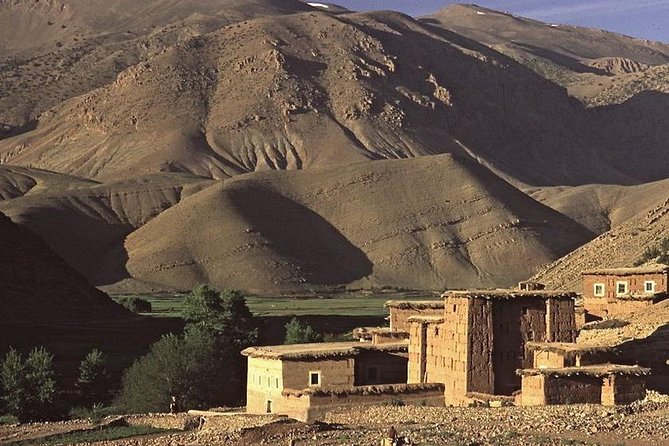
A hotel trek can be pretty, but it doesn’t teach you how daily life works. The big value here is that the trek is built around Berber village life—walking between villages and sleeping with families rather than moving from one camp to another.
These home stays tend to change the pace of your entire trip. You’re not only thinking about the next photo or the next bend in the trail. You’re also experiencing how people talk, how meals are served, and how the evening unfolds after everyone returns from their day.
Balanced expectation: “local home” usually means simple and functional rather than polished. You should go in respectful and flexible. If you’re the type who needs luxury amenities and a predictable schedule, this might feel too real. If you want honest contact with the region, this is the whole point.
Mount Tawdja day and the guide team: what makes the route work
The climb to Mount Tawdja (2800m) gives day one a sense of achievement. But it’s only enjoyable if the route feels safe and guided, and the reviews point to strong guiding across the trip.
One review mentions Ishmal as an engaging, knowledgeable guide. Another highlights Hamsa as best in Morocco. You’ll also have the driver team coordination—Mohammed is named as organizing transport to and from Marrakech.
Here’s what I take from those details for your planning: choose comfortable shoes and accept that the experience depends on teamwork. When your guide explains the walking plan and keeps the day structured, you move with less stress and more enjoyment.
Price and value: is $139.59 a good deal for a 3-day Atlas trek?
At $139.59 per person, the cost can look low or high depending on what you compare it to. What makes it feel like value is the bundle you’re getting: private guiding, a mule for your gear, sleeping bags, accommodation, and many meals, plus pickup and return transport to Marrakech.
This is not a bare-bones walking tour. For a multi-day mountain experience, those inclusions reduce the hidden costs that often hit later—gear rentals, extra food, and confusing transport.
It’s also the kind of trip that gets booked ahead. The average booking window is about 18 days in advance, so if you have specific dates in mind, plan early rather than waiting for perfect timing.
Who should book this Atlas Mountains and Berber villages trek?
This trek fits best if you want walking with real village time. You get multiple Berber villages, local family meals and home stays, and a guided route that keeps you moving while still giving space to experience daily life.
You should strongly consider it if:
- You’re comfortable with multi-day hiking and can handle altitude changes
- You like guided trips that handle food and logistics so you can enjoy the human side of travel
- You want a private experience with only your group
- You’re happy with simple accommodations and provided sleeping bags
You might think twice if:
- You want flat, easy walking every day
- You’re not comfortable with climbs that reach roughly 2400m on days two and three
- You need hotel-level amenities and total control over bathroom setup
Should you book this tour?
Book it if your travel goal is simple: Atlas Mountains walking plus Berber village life, guided well, with food and sleeping setup handled for you. The combination of Berber homestays, mule support, and a chef who can cook with portable equipment is exactly the kind of practical magic that makes a mountain trek feel worth the effort.
Skip it only if altitude and climbing days make you nervous, or if you’re looking for a luxury, low-effort getaway. This trip rewards people who come prepared to walk, stay flexible, and treat village time as the main event.
FAQ
How much does the 3 Day Trekking in Atlas Mountains and Berber Villages From Marrakech cost?
The price is $139.59 per person.
How long is the trek?
The duration is listed as about 2 days 6 hours, and it runs over a three-day schedule.
Do you get picked up in Marrakech and returned to the same place?
Pickup is offered, and return transport to Marrakech is included. The activity ends back at the meeting point in Marrakech.
Is this a private tour?
Yes. It’s a private tour/activity, so only your group participates.
Is there a mule to carry gear?
Yes. You’ll have a mule to carry your gear, so you can focus on walking.
Are meals and accommodation included? Are sleeping bags provided?
Accommodation and many meals are included, and sleeping bags are provided.
Is free cancellation available?
Yes, free cancellation is available. You can cancel up to 24 hours in advance for a full refund.