REVIEW · KATHMANDU
Annapurna Base Camp Trek form Kathmandu
Book on Viator →Operated by Fewa Trail Treks and Expedition Pvt Ltd · Bookable on Viator
One trek, two base camps, and one long view of the sky. This Annapurna Base Camp trip strings together big mountain moments with an easy-to-follow plan from Kathmandu to Pokhara, plus the comfort of being guided and portered.
I like that the route is built around iconic sunrise and summit-day targets, including Poon Hill early on and two base camps later (Machhapuchchhre at 3770m and Annapurna Base Camp at 4130m). I also like the human touch behind the scenes—coordination has been linked to Shubham, with guides such as Mr. Bisham and porter Aruna mentioned by previous trekkers.
One drawback to consider: meals aren’t included, so budget for daily food on the trek and plan for cold-altitude days where you’ll want to eat and warm up consistently.
In This Review
- Key points before you go
- Kathmandu to Pokhara: the ride that sets the mood
- Day-by-day trek walkthrough: what each stage is really for
- Day 1: Thamel to Pokhara Lakeside
- Day 2: Nayapul to Ulleri
- Day 3: Ulleri to Ghorepani (Annapurna range views)
- Day 4: Poon Hill sunrise to Tadapani
- Day 5: Tadapani to Chhomrong
- Day 6: Chhomrong to Dovan
- Day 7: Dovan to Deurali
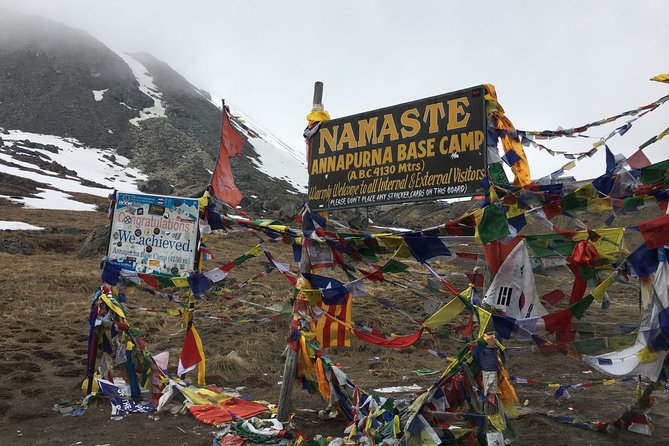
- Day 8: Machhapuchchhre Base Camp to Annapurna Base Camp
- Day 9: Annapurna Base Camp down to Bamboo
- Day 10: Bamboo to Jhinu Danda Hot Springs
- Day 11: Jhinu Danda down to Nayapul, then back to Pokhara
- What’s included (and why it matters for your wallet and sanity)
- The support team: names you might recognize
- Accommodations, meals, and what to budget daily
- Fitness and altitude: the one thing you should not wing
- Who this trek suits best
- Should you book this Annapurna Base Camp trek?
- FAQ
- How long is the Annapurna Base Camp trek from Kathmandu?
- What are the main trekking heights on this route?
- Do you get pickup in Kathmandu?
- How do you get from Kathmandu to Pokhara and back during the trek?
- Is a guide and porter included?
- Where do you stay during the trek?
- Are meals included in the price?
- Are trekking permits and TIMS card included?
- What is the cancellation policy?
Key points before you go
- Sunrise planning at Poon Hill early in the trek for mountain-range views
- Two base-camp days with Machhapuchchhre Base Camp (3770m) and Annapurna Base Camp (4130m)
- Porter support so you can travel lighter; porter carry rules are clear (15 kg for 2 guests)
- Pokhara hotel recovery at Lakeside between trek sections
- Permits handled for you with trekking permit and TIMS card included
- Comfort-focused transport: tourist bus Kathmandu–Pokhara and private transfer to/from Nayapul
Kathmandu to Pokhara: the ride that sets the mood
This experience starts with a pickup from Thamel in Kathmandu. From there, you’ll transfer to a tourist bus and head to Pokhara. That first leg matters more than you might think. It’s your chance to get used to Nepal travel pacing: you’ll be moving, but not exhausting yourself with extra logistics on day one.
Pokhara is where you reset before your feet start doing serious work. You’ll stay in the Lakeside area at a hotel, which gives you a real place to spread out: shower, charge your phone, and get your trek items sorted. The bus ride itself is long enough to feel like travel, but scenic enough that it doesn’t feel like punishment.
Value note: the transfer plan is included—Kathmandu to Pokhara by tourist bus, and later private vehicle support to connect the trek to Nayapul. In a trek like this, those handoffs can make the difference between smooth and stressful.
You can also read our reviews of more tours and experiences in Kathmandu.

Day-by-day trek walkthrough: what each stage is really for
The itinerary is paced to build altitude step by step while giving you a few landmark days that change your mental state: sunrise, major views, base camp days, then a downhill reset.
Day 1: Thamel to Pokhara Lakeside
You’ll be picked up at your hotel in Thamel and transferred to the bus. You’ll arrive in Pokhara and then get moved to your Lakeside hotel. This is the day to keep things simple: hydrate, early sleep, and do a quick gear check.
Small practical tip: your trek begins soon, so use this day to confirm you’ve got layers you can actually wear while walking—warm for the morning, manageable for midday.
Day 2: Nayapul to Ulleri
You’ll drive from Pokhara to Nayapul, then start trekking to Ulleri. At about five hours, this is your first “legs-on-the-ground” day. It’s not about speed. It’s about rhythm.
Why it’s important: early days teach you how your body handles effort. If you go too hard on day two, you’ll feel it later when the route gets higher and colder.
Day 3: Ulleri to Ghorepani (Annapurna range views)
Today you trek to Ghorepani, about six hours, with those magical mountain views referenced in the plan. This is a classic setup for Poon Hill tomorrow—your goal is to arrive early enough to sleep well and be ready for the next morning’s climb.
This is also a good day to practice your trekking “fuel routine.” Even if you don’t love food on the trail, you’ll feel better when you’re consistent.
Day 4: Poon Hill sunrise to Tadapani
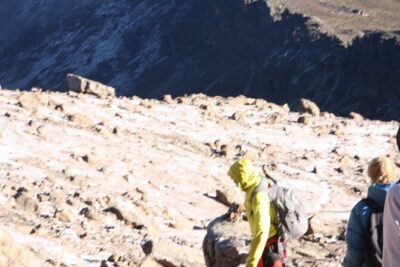
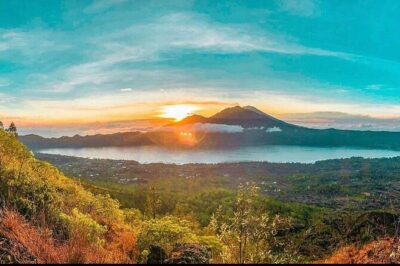
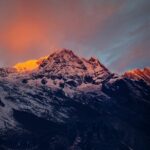
Early hike to Poon Hill for sunrise views over the mountain ranges. The trek time listed is about two hours, but the key is the early start. Sunrise in the Himalaya can be crisp and cold—bring a hat and gloves if you run cold.
After sunrise, you move on to Tadapani, about six hours. That shift—from wow-moment to walking work—happens a lot on treks. The trick is staying calm and focused after the view, not drifting into “vacation mode” while you still have elevation to manage.
Day 5: Tadapani to Chhomrong
You trek to Chhomrong for about six hours. This stage is about settling into the mid-trek cadence: steady walking, regular stops, and conserving energy for the higher days ahead.
If you’re the type who wants to rush because you’re excited, force yourself to slow down. Your body will thank you later.
Day 6: Chhomrong to Dovan
You’ll trek to Dovan in about five hours. This is one of those days where the scenery stays impressive, but you’re also building endurance. Expect the air to feel thinner as you go.
The itinerary includes a full support structure—English-speaking guide and porter—so you can focus on the hiking rather than figuring out routes, timing, and pace strategy.
Day 7: Dovan to Deurali
Another five-hour trek to Deurali. This is a “don’t panic” day. Higher means colder, and fatigue can trick you into feeling like you’re doing worse than you are.
Your best move is consistency: drink water, eat when it’s offered, and keep steps smooth. Altitude can make everything feel harder. It doesn’t mean you’re failing.
Day 8: Machhapuchchhre Base Camp to Annapurna Base Camp
This is your big two-part day.
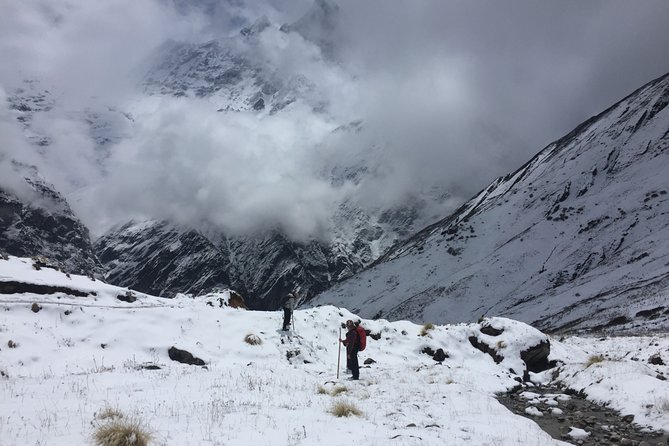
- Trek to Machhapuchchhre Base Camp (3770m) for about two hours
- Then trek to Annapurna Base Camp (4130m) for about two hours
Two hours here doesn’t mean easy. It means the itinerary is tightly planned to get you to these targets in one day. You’ll want to start fresh and let your guide set the pace.
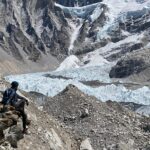
This day is where you’ll feel the payoff of the earlier steps. Whether the weather is clear or clouds roll in, the effort and the altitude make the experience real. (And yes, the air at 4130m is a different world.)
Day 9: Annapurna Base Camp down to Bamboo
You descend to Bamboo for about six hours. Descending is often easier than uphill, but it can be rough on knees and thighs, especially after a base camp day.
This is also where you’ll start moving from “goal mode” to “recovery mode.” A slower approach today helps you enjoy tomorrow’s hot-spring reward.
Day 10: Bamboo to Jhinu Danda Hot Springs
Trek to Jhinu Danda (about six hours), then soak at the natural hot spring there. This is a morale day. When your legs feel cooked, hot water makes the whole trek feel worth it.
It’s also a smart hygiene moment: warm water and relaxation can help you sleep better, and sleep helps your body handle the final downhill day.
Day 11: Jhinu Danda down to Nayapul, then back to Pokhara
You trek down to Nayapul for about six hours, then take a private car drive back to Pokhara (about 1 hour 10 minutes) and transfer to your hotel. Trip ends after that.
If you’re tempted to sprint the last descent, don’t. Save your legs for the ride home. The end of a trek is when people get sloppy with footing.
What’s included (and why it matters for your wallet and sanity)
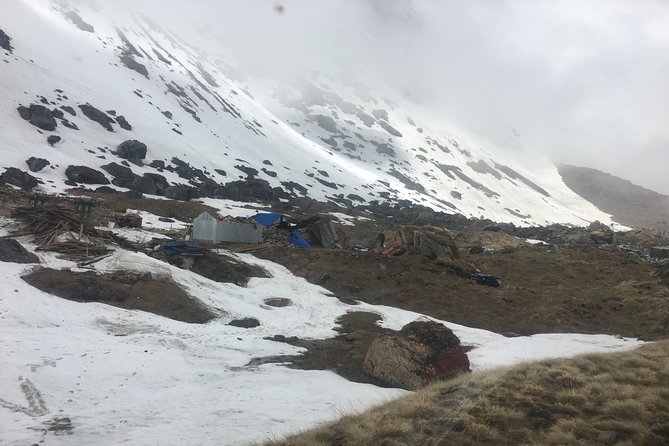
At $550 per person, this can look like a bargain if you compare it to the real costs of arranging everything yourself. While your exact costs vary, the included items are the heavy hitters:
- English-speaking trekking guide
- Porter support (the plan notes: with 2 guests, 1 porter can carry up to 15 kg)
- Trek permits and TIMS card
- Accommodation: hotel in Pokhara + guesthouse during the trek
- Kathmandu to Pokhara by tourist bus
- Private vehicle transfer to/from Nayapul
- Private trip structure
Here’s the practical value: in Annapurna trekking, small delays and wrong turns cost you time and energy. A guide keeps you on track. A porter keeps you from hauling too much and suffering later.
Also, permits and TIMS are included. That’s not just paperwork. It’s one less thing to manage when you’re already thinking about weather, layers, and footing.
The support team: names you might recognize
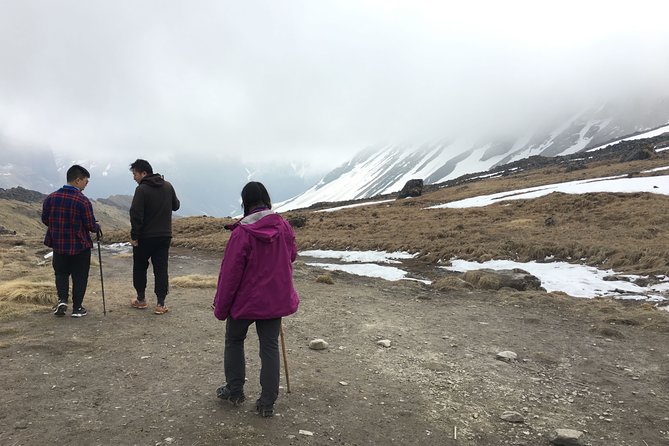
In the arrangements shared by past trekkers, you may see references to coordination by Shubham. Guide names like Mr. Bisham come up, and porter Aruna has been specifically mentioned as being outstanding.
You shouldn’t assume your guide will match those exact names, but it’s still useful: it signals that service quality has focused on real people, not just checklists.
Accommodations, meals, and what to budget daily
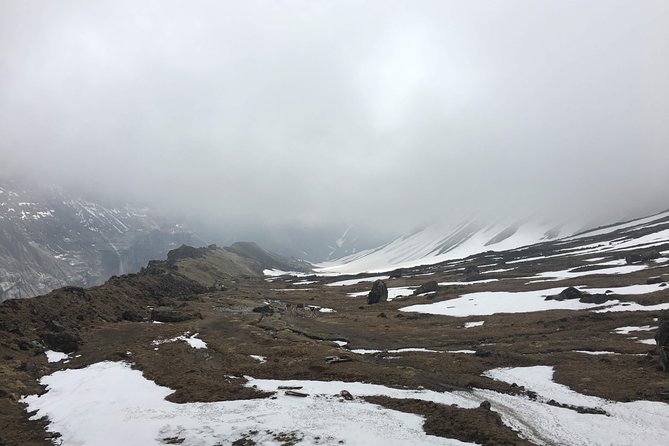
You’ll have hotel accommodation in Pokhara and guesthouse lodging on the trek. That’s included, so you won’t be hunting for beds mid-route.
Meals are not included, though. Plan your budget for breakfast, lunch, and dinner along the way. On colder, higher days (especially around the base camp altitude), you’ll likely want hot, filling food to keep your body working. Build that into your spending rather than hoping it will be “cheap by default.”
If you’re a light packer, this trek still asks you to carry your essentials. The porter carries up to the stated limit, but you’ll still want your own day items: water, snacks, rain layer, and your warm hat.
Fitness and altitude: the one thing you should not wing
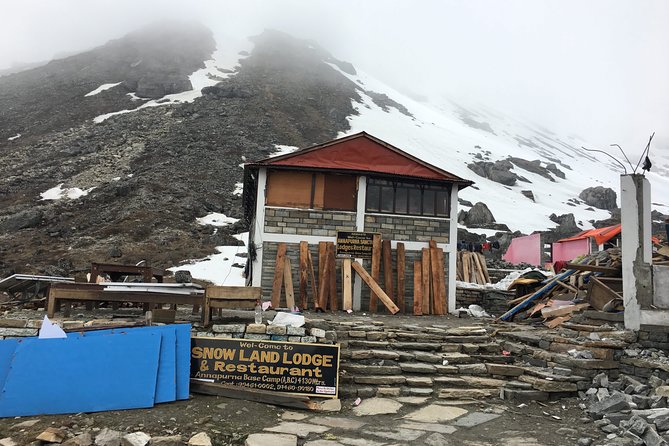
This trek asks for strong physical fitness. The itinerary climbs to 3770m and 4130m, and the schedule includes a sunrise effort plus a tight base-camp day.
A plain test: if you can’t walk for a couple of hours at a steady pace before you go, you’ll feel it. If you can, you still need to respect altitude. Take breaks when your guide suggests them. Drink water. Don’t “prove a point” by skipping rest.
Also, rescue costs aren’t included, so I recommend you travel with insurance that covers trekking and emergency evacuation. Even if you’re careful, altitude is not a place to gamble.
Who this trek suits best
This experience fits you if you want:
- A guided Annapurna Base Camp route without dealing with permits, pacing, and connections
- Two big targets in the same overall journey, including Machhapuchchhre Base Camp and Annapurna Base Camp
- A balance of trekking days and recovery time in Pokhara
It may not fit you if:
- You hate early mornings (Poon Hill sunrise is a real start)
- You dislike cold weather at altitude and can’t dress in layers
- You’re not comfortable budgeting for meals since they’re not included
Should you book this Annapurna Base Camp trek?
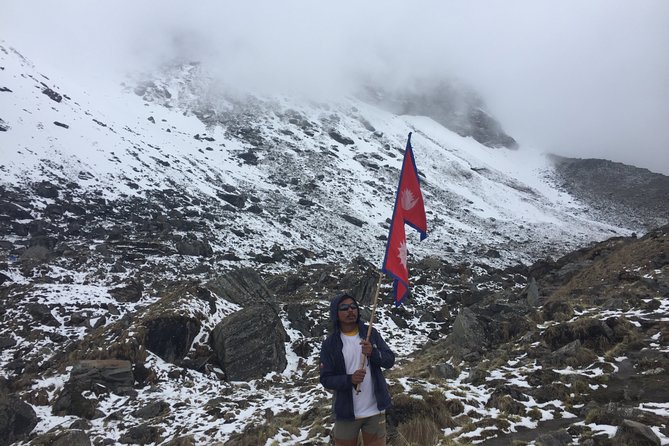
If you want a well-managed, no-drama route with English-speaking guidance, porter support, and permits taken care of, this is a strong choice. The itinerary hits the highlights—sunrise at Poon Hill, base camp days at meaningful heights, and the Jhinu hot springs payoff—while also giving you Pokhara downtime to recharge.
I’d book it if you’re physically ready and you carry a realistic food budget. I’d think twice if you want meals included, or if you’re the type who gets overwhelmed by cold mornings and altitude pace.
FAQ
How long is the Annapurna Base Camp trek from Kathmandu?
The duration is approximately 11 days.
What are the main trekking heights on this route?
You’ll trek to Machhapuchchhre Base Camp at about 3770 meters and Annapurna Base Camp at about 4130 meters.
Do you get pickup in Kathmandu?
Yes. Pickup is offered from your hotel in Thamel, then you’re transferred to the bus.
How do you get from Kathmandu to Pokhara and back during the trek?
You travel from Kathmandu to Pokhara by tourist bus. At the end, you trek down to Nayapul and then take a private car drive back to Pokhara, with a hotel transfer on arrival.
Is a guide and porter included?
Yes. An English-speaking trekking guide is included, and there is also a porter to carry your luggage. The porter capacity is listed as 15 kg for 2 guests.
Where do you stay during the trek?
Accommodation includes a hotel in Pokhara and guesthouse stays during the trekking days.
Are meals included in the price?
No. All meals and personal expenses are not included.
Are trekking permits and TIMS card included?
Yes. Trekking permit and TIMS card are included.
What is the cancellation policy?
You can cancel for a full refund if you cancel up to 24 hours in advance of the experience’s start time. If you cancel less than 24 hours before the start time, the amount you paid will not be refunded.