REVIEW · BANFF
Sulphur Mountain Highline Trek in Banff
Book on Viator →Operated by Alpine Air Adventures · Bookable on Viator
Banff’s ridge views start fast, not after a long drive. I like that this hike begins right at the top of the Banff Gondola, so you trade time on a bus for time on the mountain. I also like the ACMG-certified guide leading you over alpine terrain you’d rather not figure out alone—guides like Jacob and Jeff show up in the stories, and the organization matches that energy.
One thing to consider: this is not a casual stroll. Expect average to good fitness and short sections that are off trail, loose, and exposed, so you’ll want good footing and calm nerves on the ridge.
In This Review
- Key highlights worth caring about
- Banff Gondola top start: why this changes the whole hike
- Sulphur Mountain Highline: what the trail really feels like
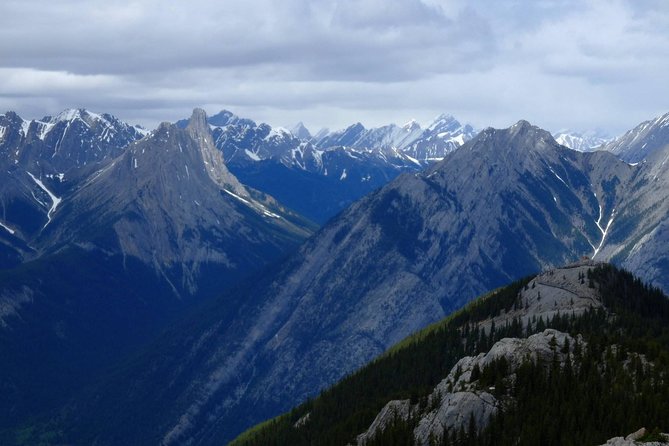
- The views: Sundance, Lake Louise peaks, and Mt Assiniboine
- Your ACMG guide and the small-group advantage
- Stop-by-stop flow: how the day moves from start to finish
- Terrain planning: how to be comfortable on exposed, loose sections
- What’s included, what isn’t, and why the price makes sense
- Who should choose this trek (and who should choose easier options)
- Weather and planning your day around the ridge
- Should you book the Sulphur Mountain Highline trek?
- FAQ
- How long is the Sulphur Mountain Highline trek?
- What is the starting time for the tour?
- Where do we meet for the activity?
- What does the tour include?
- What is not included?
- How fit do I need to be?
- How big is the group?
- What language is the tour offered in?
- What if weather is poor?
- What is the cancellation policy?
Key highlights worth caring about
- Gondola access included: you’re on the trail quickly and you also get to enjoy the gondola area afterward.
- ACMG-certified guidance: you’re not just following a map; you’re hiking with expert local leadership.
- Small group size (max 6): it feels personal on a route where attention matters.
- Alpine-to-tree-line terrain: you move through subalpine forest, then open alpine.
- Big sightlines: Sundance Range, Lake Louise peaks, Mt Assiniboine, and Banff below.
- Weather-dependent route: you’ll want to be flexible if conditions aren’t right.
Banff Gondola top start: why this changes the whole hike
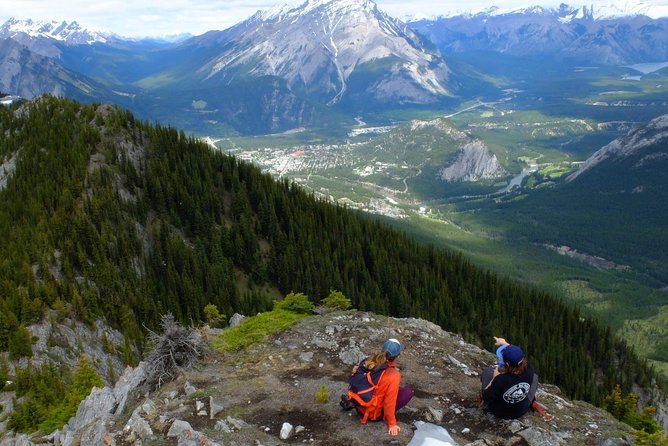
Starting at the top of the Banff Gondola is a smart idea, especially if you’re only in town for a few days. Instead of spending the morning climbing to the ridge on your own, you get moved up fast and start hiking while the light is still crisp.
It also shapes the vibe. From the first moments on the Highline, you’re thinking mountain thoughts. You’re looking out right away, not just after a sweaty warm-up. That makes the 6.5-hour timeline feel purposeful rather than rushed.
And then there’s the bonus of not ending empty-handed. After you come back down to the Gondola station, you can use the amenities on site, including a mountaintop dining option and an interpretive center. That’s a nice way to turn the day into something more than just a hike.
Sulphur Mountain Highline: what the trail really feels like
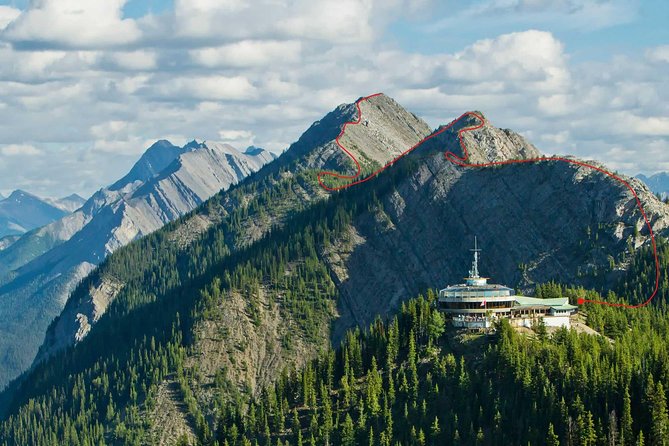
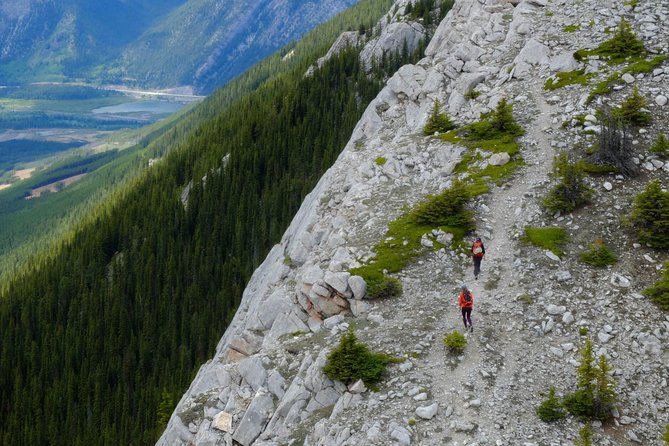
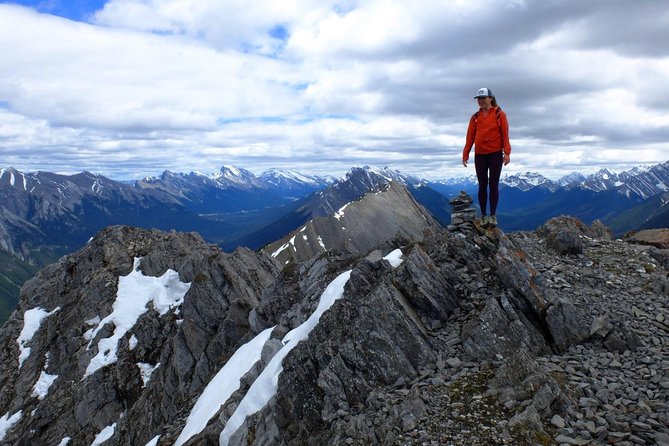
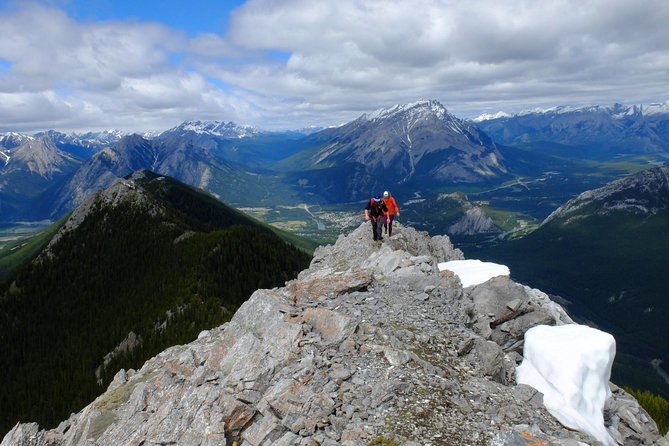
This route is often described as a ridge hike, but it’s worth taking that literally. You’re not doing a flat, paved path. You’re walking along a mountain spine with changing ground underfoot.
Here’s what to expect as the hike progresses:
- You start around the ridge with views working right away.
- You transition from tree line into alpine hiking terrain.
- You pass through subalpine forests, then see open alpine conditions.
- The route includes limestone slabs and stretches over high mountain scree slopes.
Those last two details matter. Limestone slabs can be slippery if conditions are wet. Scree slopes are moveable rock, which means you’ll use a slower, more deliberate stride. The good news is that the guide helps you manage that pace, but you still need to be comfortable with uneven footing.
Also, note the off-trail piece. The hike includes short sections off trail, plus loose and exposed terrain. That doesn’t mean it’s extreme climbing, but it does mean this is for people with average to good fitness and a head for heights.
The views: Sundance, Lake Louise peaks, and Mt Assiniboine
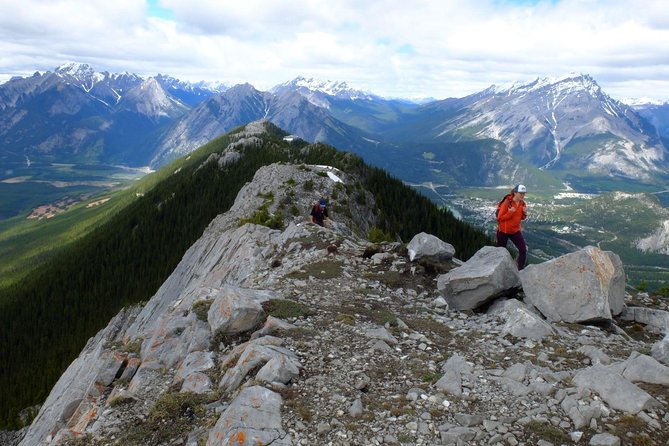
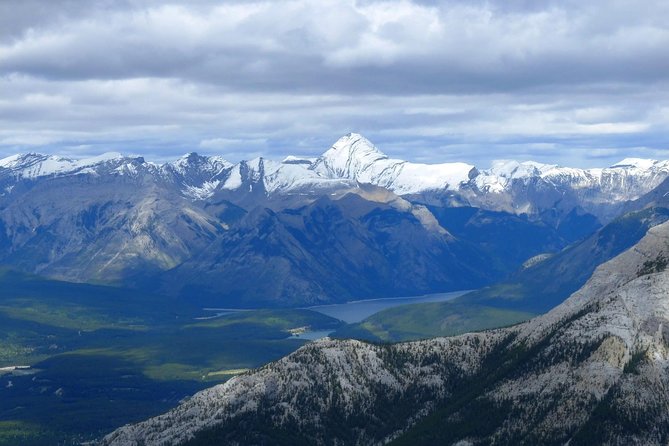
The Highline trail is one of those places where the view isn’t just good—it keeps arriving in better forms. As you move farther along the ridge, the sightlines expand.
You can look out toward:
- the Sundance Range
- the high peaks of Lake Louise
- Mt Assiniboine
- Banff far below
This is why I like doing this with a guide instead of alone. The ridge is long enough that you might miss key vantage points if you’re focused only on the ground. A good guide helps you read the terrain and time the stops so you can actually enjoy the panorama.
If you’re a wildlife person, you might also have a chance to spot animals. One of the stories I came across included big horned sheep on the hike. Don’t plan your whole day around seeing them, but do keep your eyes up and scan the slopes and rocky ledges.
Your ACMG guide and the small-group advantage
This trek is run by Alpine Air Adventures, with a certified ACMG guide. ACMG matters here because you’re dealing with alpine conditions where simple “trail sense” is not enough. Loose rock, exposed sections, and ridge travel all reward someone who can judge the route and keep the group moving safely.
The biggest practical win is group size. With a maximum of six travelers, you get a calmer experience. You’re less likely to get lost in the shuffle, and the guide can adjust pace based on who’s comfortable with the terrain.
It also helps you feel more present. On big tours, you spend the day waiting for the group behind you. On a small ridge hike, you’re more likely to hike as one unit, which makes the stops for views and terrain transitions easier.
And yes—names like Jacob and Jeff show up in real feedback, with praise for how they handled the hike and kept things organized. That’s consistent with what you want from an alpine guide: clear direction, good pacing, and a focus on the experience, not just the logistics.
Stop-by-stop flow: how the day moves from start to finish
This day runs from 8:00 am with the meeting point at the Banff Gondola (Box 1140, 100 Mountain Ave, Banff, AB T1L 1J3, Canada). It’s listed as near public transportation, which is useful if you don’t want to deal with parking stress.
From there, the rhythm looks like this:
- Banff National Park: you start in the park setting, and the guide sets expectations for the ridge travel ahead.
- Banff Gondola: you use the gondola to reach the high starting zone, and this is where the day’s “mountain time” begins.
Because the hike is designed around starting at the Gondola, the trail access is clean. You’re not guessing where to find the route or how long it will take to reach the trailhead. That’s a hidden value for people who don’t want a second planning task on top of the hike itself.
When you return, you end back at the meeting point and you’re free to keep enjoying the Gondola area. This is where the experience earns points for balance. You get a ridge hike with views, then you can relax with the on-site amenities rather than committing to an immediate second activity.
Terrain planning: how to be comfortable on exposed, loose sections
You don’t need to train for months to hike the Highline, but you should take fitness seriously. The tour calls for moderate physical fitness, and it also warns that this is not a walking tour.
My advice is to think in terms of stability and time on your feet:
- Bring shoes with solid traction. Scree and limestone can change how you plant your foot.
- Wear layers. The ridge can feel different from the lower Gondola area.
- Move at a pace that feels controlled, not heroic. Ridge travel is about rhythm.
Also, don’t assume snacks and water are handled. Bottled water and snacks are not included, so plan to carry what you’ll need. If you’ve ever been surprised on a long hike, you know how quickly that turns a view day into a survival day.
One more tip: if you want to understand the route before you go, follow the red line on the website shown as the full route at AAA. Glancing at the route helps you mentally sort out what’s trail and what’s off-trail so you feel prepared, not startled.
What’s included, what isn’t, and why the price makes sense
The price is $219.99 per person for about 6 hours 30 minutes. That can sound high until you break down what you’re actually paying for.
What you get:
- a Banff Gondola ticket
- a certified ACMG guide
What you don’t get:
- private transportation
- bottled water
- snacks
So the value is in two things: gondola access and professional guiding. If you already planned to ride the gondola anyway, this package can feel more like a guided alpine experience than a simple add-on. And because this trail involves exposed and loose terrain, paying for an ACMG guide is part of the safety logic, not just the comfort logic.
If you’re thinking about building this trip yourself, you’d still likely pay for gondola access and then spend time figuring out the right route, timing, and conditions. Here, you’re removing that mental load.
Who should choose this trek (and who should choose easier options)
This is ideal if you:
- want an alpine ridge experience with serious views
- can handle uneven footing and loose rock
- prefer small-group hiking (max 6) with expert leadership
- like the idea of pairing a Gondola ride with a hike, not choosing only one
You might hesitate if you:
- struggle with exposed terrain or heights
- have trouble with off-trail sections
- need a fully even, easy path
The tour does say it’s still a great option for guests looking for a unique, easy access alpine experience. But “easy access” here means “easy to reach the start,” not “no effort on the ridge.” Bring the right mindset and you’ll get the most out of it.
Weather and planning your day around the ridge
This activity requires good weather. That matters because ridge hikes can be rough—or unsafe—when conditions are bad.
If the experience is canceled due to poor weather, you’ll be offered a different date or a full refund. So for planning, I recommend you treat this as a day you don’t want to put at the end of a tight itinerary. Build in flexibility so weather can decide.
Should you book the Sulphur Mountain Highline trek?
Book it if you want one of Banff’s most view-heavy experiences with real alpine guidance and you’re comfortable with uneven, loose, exposed terrain for part of the route. The small group size and Gondola start make it efficient, and the payoff is the long ridge panorama—Sundance, Lake Louise peaks, and the Mount Assiniboine area on clear days.
Skip it (or choose a different hike) if you want a flat, easy walking day. This one asks for solid footing and calm attention.
FAQ
How long is the Sulphur Mountain Highline trek?
The duration is approximately 6 hours 30 minutes.
What is the starting time for the tour?
The start time is 8:00 am.
Where do we meet for the activity?
Meet at Banff Gondola, Box 1140, 100 Mountain Ave, Banff, AB T1L 1J3, Canada.
What does the tour include?
It includes a Banff Gondola ticket and a certified ACMG guide.
What is not included?
Private transportation, bottled water, and snacks are not included.
How fit do I need to be?
You should have moderate physical fitness. The hike is not a walking tour and includes average to good fitness requirements, with short off-trail sections and loose, exposed terrain.
How big is the group?
The maximum group size is 6 travelers.
What language is the tour offered in?
The tour is offered in English.
What if weather is poor?
The experience requires good weather. If canceled due to poor weather, you’ll be offered a different date or a full refund.
What is the cancellation policy?
You can cancel for free up to 24 hours in advance for a full refund. If you cancel less than 24 hours before the start time, the amount you paid will not be refunded.