REVIEW · KATHMANDU
Everest Base Camp Trek with Helicopter Return -11 Days
Book on Viator →Operated by Himalayan Adventure Treks and Tours Pvt Ltd · Bookable on Viator
Everest Base Camp in 11 days sounds wild, but it is smart. This version of the classic trek trades extra hiking days for a helicopter return, keeping you focused on the highest payoffs: Namche, Tengboche, Everest Base Camp, and Kalapatthar.
Two things I really like about this itinerary are the built-in breathing room for your body (acclimatization days in Namche and Dingboche) and the way logistics are handled for you (permits, flights, guides, porters, even a farewell dinner). The main drawback to plan for is that an 11-day schedule is still hard, and the helicopter is weather-dependent.
In This Review
- Key highlights worth your attention
- Why 11 days works: Helicopter return from Gorakshep
- Kathmandu warm-up: private transfer, 3-star base, and paperwork handled
- Day 2: Kathmandu to Lukla, then Phakding (2610m) the smart way
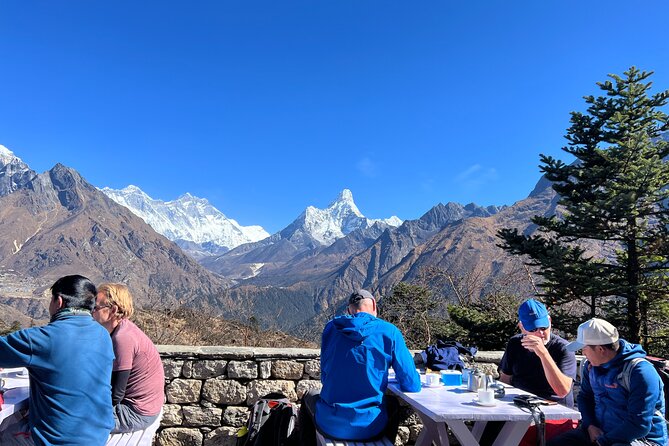
- Day 3 to Day 4: Namche Bazaar acclimatization plus Khumjung and Everest View
- Day 5: Tengboche (3860m) and the monastery pause you’ll remember
- Day 6 and Day 7: Steep to Dingboche (4360m), then an acclimatization day
- Day 8 to Day 9: Lobuche (4910m) and the route to Everest Base Camp
- Day 10: Kalapatthar at 5545m, then helicopter back to Kathmandu
- Price and value: what $3,500 buys you here
- What is not included: the extras that can quietly add up
- Who this trek suits best (and who should think twice)
- Should you book this 11-day EBC with helicopter return?
- FAQ
- What is the duration of this Everest Base Camp trek with helicopter return?
- Where does the tour start and when?
- How do you get from Kathmandu to the trekking area?
- What is the helicopter return from?
- Are acclimatization days included?
- What are the highest trekking points listed?
- What meals and lodging are included during the trek?
- What is included in Kathmandu before the trek?
- What is not included in the price?
- Is cancellation free?
Key highlights worth your attention
- Helicopter return from Gorakshep keeps the trip to 11 days instead of the usual 14–15 days on foot
- Two acclimatization pauses (Namche and Dingboche) help you manage altitude before higher days
- Tengboche monastery visit adds real cultural time, not just trail time
- Kalapatthar at 5545m is the big viewpoint moment before flying back
- Guide and porter structure (one porter for every two clients) means you’re not carrying everything alone
- Operator support is repeatedly praised, with emphasis on safety and planning continuity
Why 11 days works: Helicopter return from Gorakshep
This trek lives and dies by one idea: get you to Everest Base Camp, then shorten the slog back. Instead of hiking out an extra stretch, you finish the trek at Gorakshep and then fly back to Kathmandu by helicopter (sharing the flight).
That means two things for you:
- You get the classic EBC route highlights without spending additional days grinding uphill with heavy fatigue.
- Your final day has a very clear arc: Kalapatthar first (5545m), helicopter second. No waiting around for a long descent.
One consideration: because the helicopter depends on weather, you should expect that your final timing could be adjusted. This is also true for the Lukla flight in the beginning, where schedules can shift with conditions.
You can also read our reviews of more tours and experiences in Kathmandu.
Kathmandu warm-up: private transfer, 3-star base, and paperwork handled
Day 1 is straightforward: arrival in Kathmandu, then pickup and a private vehicle transfer to your hotel. You get two nights in a 3-star hotel with breakfast. That matters more than it sounds. After a flight day, a real bed and a proper meal reduce the odds you start the trek already behind.
You also get the behind-the-scenes items that usually eat up your time. The trip includes paperwork support, TIMS permit and Khumbu Valley fees, and it also covers the practical items like an issued duffle bag that’s returned after the trek. (In other words, you can travel lighter on the trail.)
The company also includes company t-shirts, and there’s a farewell dinner at an authentic Nepalese restaurant with cultural performance. It is a nice bookend after days of thin air and trekking rhythm.
Day 2: Kathmandu to Lukla, then Phakding (2610m) the smart way
The itinerary uses the classic jump to Everest country: Kathmandu to Lukla (or Ramachap to Lukla if that’s the route used), then you start hiking right away.
On Day 2, you trek from Lukla (2860m) to Phakding (2610m). The time is listed as about 3–4 hours, which is helpful because it lets you:
- settle into walking after the flight,
- adjust to trail conditions without immediately stacking altitude gains.
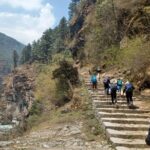
You’ll see the flow of the Everest region quickly—villages, lodge rows, and the steady stream of trekkers coming and going. The trail is not about hero climbs yet. It is about starting with momentum.
Day 3 to Day 4: Namche Bazaar acclimatization plus Khumjung and Everest View
Day 3 is a big step: Phakding to Namche Bazaar (3446m) in 6–7 hours. That’s the typical point where you feel altitude as a working condition, not just a number.
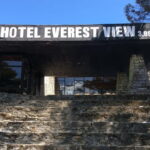
Then comes the part I love most: the itinerary gives you a real acclimatization day in Namche. On Day 4, you visit Khumjung Village and the Hotel Everest View area at 3880m. This is a useful mix:
- Khumjung Village gives you local context beyond the trail.
- The Everest View Hotel area gives you a sense of scale and a chance to gauge conditions.
This structure also matches what many trekkers need emotionally. You’re not just rushing forward each day. You’re allowed to catch your breath and adjust habits—pace, water intake, and how you handle that first bout of altitude pressure.
Day 5: Tengboche (3860m) and the monastery pause you’ll remember
Day 5 is Namche Bazaar to Tengboche (3860m), around 5–6 hours. The route is known for moving you through forests and bringing you to a spiritual stop that feels like a reset button after long climbs.
The headline here is Tengboche Monastery, described as the largest in the Everest region. Even if you’re not a big history person, it helps to have a calm, grounded moment. The monastery is also a useful way to slow down your body after the effort of reaching that altitude.
From a practical standpoint, this is also where you often see how lodges and trail services are set up at that elevation. Having a guide who keeps the schedule reasonable helps you avoid arriving too late and feeling rushed.
Day 6 and Day 7: Steep to Dingboche (4360m), then an acclimatization day
Day 6 is Tengboche to Dingboche (4360m) in about 5–6 hours. The listing calls out that the trail to Dingboche is relatively steep, but it also passes through rhododendron and juniper forests. Translation: expect a harder hike, but with scenery breaks that keep your legs from feeling like they’re doing nonstop punishment.
Day 7 is your second acclimatization day in Dingboche (4360m). Another rest day at altitude is exactly what I’d want in an 11-day plan. It gives your body time to respond before the itinerary pushes higher toward Lobuche and then Everest Base Camp.
If you’ve got even one weak day on trail, this is where recovery helps you keep the whole schedule on track.
Day 8 to Day 9: Lobuche (4910m) and the route to Everest Base Camp
Day 8 is Dingboche to Lobuche (4910m), about 5–6 hours. That’s a serious altitude jump, and even with the acclimatization days, it will feel like you’re climbing into a different air mass.
Day 9 moves you to the classic endpoint:
- You trek from Lobuche to Everest Base Camp (5360m) and then onward to Gorakshep (5160m) in about 6–7 hours.
This is the day where your planning matters. Base Camp itself is the “check the box” moment, but Gorakshep is where your energy has to last long enough for the next big viewpoint: Kalapatthar on Day 10. So you’ll want to manage your pace and not blow your energy on Base Camp photo marathons.
Also, EBC days can be busy. Having a guide who keeps you moving at the right speed is a real quality-of-life factor.
Day 10: Kalapatthar at 5545m, then helicopter back to Kathmandu
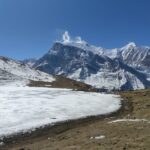
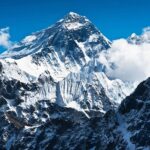
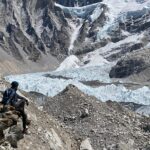
Day 10 is the final dramatic payoff on foot: Gorakshep to Kalapatthar (5545m) in about 3–4 hours. Kalapatthar is labeled as the best and most famous viewpoint in the world, and it makes sense. This is the moment where Everest stops being theoretical.
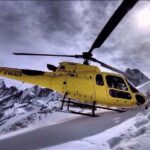
Then you fly back to Kathmandu by helicopter from Gorakshep (sharing the flight). This is where the 11-day design really shines: you do the hardest altitude highlight, then you don’t spend days walking back down while your body is still simmering from the altitude.
One practical note: because helicopter service is weather-dependent, you should stay mentally flexible about timing. Your guide should be able to keep the day organized even if schedules shift.
Price and value: what $3,500 buys you here
At $3,500 per person, the real question isn’t just cost. It’s what risks and hassles the package removes.
Here’s what’s included that usually costs real time or money in real life:
- Flights to Lukla (Kathmandu to Lukla or Ramachap to Lukla)
- Kathmandu hotel (two nights) with breakfast
- Meals on trek (lunch, dinner, breakfast during trekking)
- Permits and Khumbu fees (TIMS and Khumbu Valley fees are included)
- Lodging in tea houses during the trek
- Guide + porters with a clear ratio: 1 porter for 2 clients
- Travel and rescue arrangements
- Medical supplies (a first aid kit)
- Helicopter return to Kathmandu from Gorakshep (sharing)
- A farewell Nepalese dinner with cultural performance
From the reviews, the standout praise centers on planning detail and safety focus. Names come up often: guides like Prakash Adhikari and Dikpal are credited with being supportive, attentive, and serious about safety. The porter Madan is described with admiration, including the idea that he handled the grind so clients could finish. When you’re paying for a high-altitude, weather-sensitive itinerary, that kind of operational care is part of the value.
What is not included: the extras that can quietly add up
Even with a strong package, some things are not covered. The listing clearly notes the main gaps:
- Bottled water
- Coffee and/or tea
- Travel and rescue insurance (important: don’t treat this as optional)
- Personal expenses, including phone calls, laundry, bar bills, battery recharge, and hot shower costs
- Tips for guide and porter
I’d also plan your daily spending around recharge needs. Battery charging and basic comforts can cost extra at altitude, and you don’t want your trip to turn into a constant “do I really need this?” math exercise.
Who this trek suits best (and who should think twice)
This is best for you if you want the Everest Base Camp experience but you’re also realistic about time. The schedule is 11 days, so it is not a slow, relaxed walk.
You should fit this trip if:
- you have moderate physical fitness
- you are comfortable with a tighter timeline
- you want those signature moments—Namche acclimatization, Tengboche monastery, EBC, Kalapatthar—without extra trekking days
You might think twice if:
- you hate altitude unpredictability (weather and flight schedules can affect timing)
- you need a very gradual pace with lots of buffer days
The private setup also matters. It’s described as a private tour/activity, so you won’t be mixed into a crowd in the way some group tours work.
Should you book this 11-day EBC with helicopter return?
If your top priority is getting to Everest Base Camp and Kalapatthar while protecting your energy for the most meaningful parts of the journey, I think this is a strong match. The double acclimatization, the clear sequence of iconic stops, and the included helicopter return create a good balance of adventure and control.
Before you lock it in, do two sanity checks:
- Make sure you can handle an 11-day intensity level even with rest days.
- Plan for weather sensitivity with the helicopter and flights. If conditions shift, you’ll want your mindset ready.
If that sounds like you, booking is a pretty straightforward decision: this itinerary is built to hit the big moments, not to spend your trip trudging through extra hiking days.
FAQ
What is the duration of this Everest Base Camp trek with helicopter return?
The trek is listed as 11 days (approx.).
Where does the tour start and when?
It starts at Tribhuvan Airport, Kathmandu, Nepal, with a start time of 6:00 am.
How do you get from Kathmandu to the trekking area?
You take a flight from Kathmandu to Lukla (2860m). The route may also be Ramachap to Lukla.
What is the helicopter return from?
You fly back to Kathmandu by helicopter from Gorakshep (sharing heli).
Are acclimatization days included?
Yes. You have acclimatization days in Namche Bazaar (including visits to Khumjung Village and the Hotel Everest View area) and in Dingboche.
What are the highest trekking points listed?
The trek reaches Everest Base Camp (5360m) and Kalapatthar (5545m).
What meals and lodging are included during the trek?
Lunch, dinner, and breakfast are included during the trekking days, and you stay in lodges/tea houses during the trek.
What is included in Kathmandu before the trek?
You get pickup from the airport to your hotel by private vehicle and two nights in a 3-star hotel with breakfast.
What is not included in the price?
Not included are bottled water, coffee and/or tea, travel and rescue insurance, personal expenses, and tips for guide and porter.
Is cancellation free?
Yes, it states free cancellation. You can cancel up to 24 hours in advance for a full refund, and if it’s canceled due to poor weather you’ll be offered a different date or a full refund.