REVIEW · USHUAIA
Trekking Esmeralda Lagoon
Book on GetYourGuide →Operated by Tierra del Fuego Aventura EVT · Bookable on GetYourGuide
A walk to Laguna Esmeralda turns simple scenery into a real experience. You’ll trek from Ushuaia along National Route 3 to one of the island’s valleys, then work your way through a peat bog and lenga forest to a lagoon framed by mountains. The best part is how close you get to Fuegian nature—close enough that wind, mud, and cold all feel like part of the trail.
I love the way this route builds in variety: bog → forest → stream climb → lagoon. I also like that the mountain guide isn’t just there to lead the way, but to help you move smartly through the messier sections and share useful info about the local fauna and flora.
The main drawback is also the most important one: this is outdoors the whole time, with no bathroom facilities, and you’ll need proper winter gear (especially waterproof boots and layers). If you’re not comfortable with cold, wind, and uneven ground, this trek will feel like a chore instead of a treat.
In This Review
- Key things you’ll remember from Laguna Esmeralda
- Why the Laguna Esmeralda trek feels more personal than you expect
- Getting out of Ushuaia: National Route 3 and a valley change of pace
- The walk begins in a peat bog—wet ground is part of the deal
- Lenga forest trekking and the stream route to the lagoon
- Snack time at Esmeralda Lagoon: cold air, wind, and glacier views behind you
- The return walk: dams, beavers, and long light at sunset
- Price and value: what $145 covers (and what you still need to budget)
- What’s included on your day—and why it matters on uneven ground
- What to bring: waterproof layers, warm socks, and no last-minute surprises
- Timing and pacing: what a 6-hour trek actually feels like
- Who should book this trek—and who should skip it
- Health form requirement and the other must-knows
- Should you book the Trekking Esmeralda Lagoon experience?
- FAQ
- How long is the Trekking Esmeralda Lagoon tour?
- Where do you get picked up?
- Does the tour include transport?
- How much of the time is guided on foot?
- What language is the live tour guide?
- What’s included with the food?
- Are trekking sticks provided?
- Are crampons included?
- Will there be a bathroom on the trek?
- What do I need to do before the activity?
Key things you’ll remember from Laguna Esmeralda

- Peat bog start that sets expectations for wet, muddy ground early on
- Lenga forest trekking with guided movement through an active valley environment
- Snack at the lagoon with glacier views behind you (cold + wind included)
- Sunset timing on the return so you’re still outside in good light
- Dams and beaver activity are part of what you’ll look for on the way back
- Winter season crampons are included, but winter clothing and boots are not
Why the Laguna Esmeralda trek feels more personal than you expect

There’s something about walking to Laguna Esmeralda that makes you slow down. You’re not just looking at scenery from a viewpoint—you’re moving through it. The terrain changes as you go, and that forces your attention onto your footing, your breathing, and the world around you.
I especially like how the trail keeps you connected to what’s happening in the valley. One minute you’re in a peat bog zone where the ground can be soft; the next you’re in a lenga forest where the air feels different under the trees. When you finally reach the lagoon, it doesn’t feel like a random destination. It feels like you earned the view.
That said, this trek is honest about what it takes. You must complete a health form before you go, you’ll be outside for the full duration, and there aren’t any bathroom facilities along the route. Plan around that, and you’ll enjoy the day a lot more.
You can also read our reviews of more tours and experiences in Ushuaia.
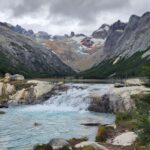
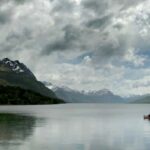
Getting out of Ushuaia: National Route 3 and a valley change of pace
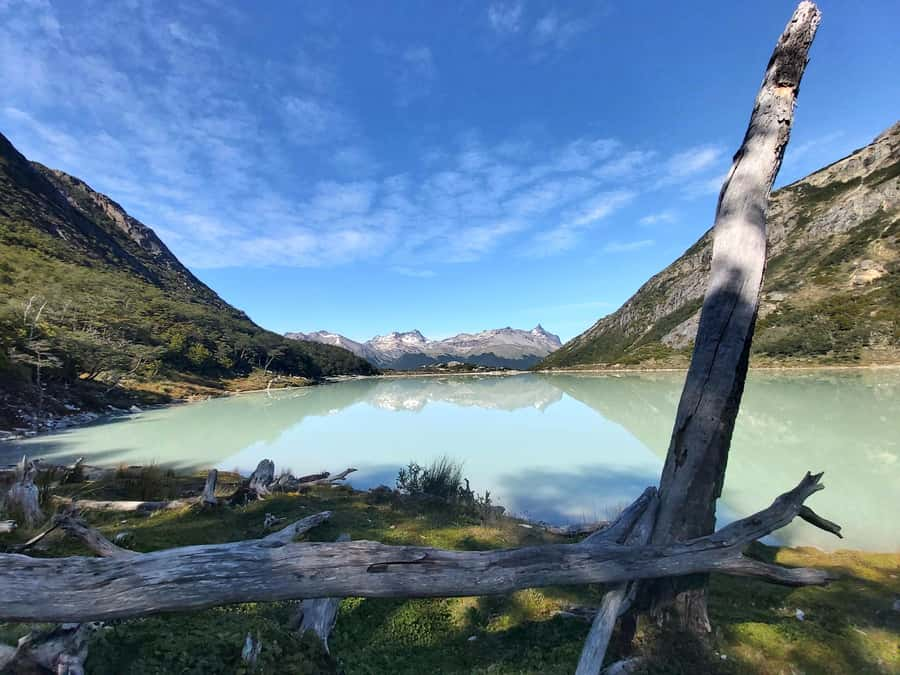
Your day starts with pickup from Ushuaia hotels. From there, you head along National Route 3 to the north, with the goal of getting away from the Beagle Channel and into a different part of the island. There’s a stretch of scenic driving (about 20 minutes) before the walk begins.
This matters more than it sounds. If you only think about the lagoon, you miss the point: the trek is the transition. The route sets up a shift from “city plus channel views” into a more interior Fuegian landscape—closer to forests, wetlands, and mountain valleys.
On the way back you’ll repeat the driving time (another short scenic stretch), so the total experience stays focused and not too tiring on logistics. You’re in the wilderness for most of the day, not bouncing around for hours.
The walk begins in a peat bog—wet ground is part of the deal

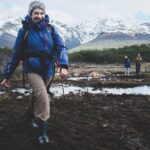
Once you start walking, the first big character of the day is the peat bog. That’s usually where people underestimate conditions. Peat bog trails can be soft, and there’s often more mud than you want on your boots.
The good news: the trek has a mountain guide, and that helps a lot. One of the most praised parts of this experience is how useful the guide is for staying on track and avoiding the worst mud and trouble spots. You’re still going to get wet if the conditions are wet, but you won’t be stuck guessing where the safest line is.
This is also where your pace matters. You’ll want to keep steady, not sprint. If you try to power through unstable ground, you’ll tire fast and start slipping. In practice, the best approach is short, controlled steps, and letting the guide set rhythm for the group.
Lenga forest trekking and the stream route to the lagoon

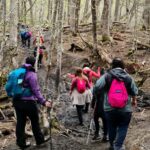
After the peat bog section, you move into a lenga forest. This part feels calmer underfoot in some ways, but it can still be cold and damp. Trees and forest trails change visibility, too—so having the guide matters even more than you might think.
Then comes the stream climb. The route goes up along a stream that leads you toward Esmeralda Lagoon. Streams are a natural guide in the terrain; they also tend to collect cold air and keep things damp. So even on a clear day, expect the temperature to feel sharper as you get higher.
This is the section where the trek’s “5 hours guided tour” idea becomes real in your legs. It’s not a flat stroll. You’re walking for sustained time through shifting ground.
And this is also where you’ll get your most satisfying nature moments before the lagoon. You’ll be close to the living texture of the area—plants, forest conditions, and the way water shapes the valley.
Snack time at Esmeralda Lagoon: cold air, wind, and glacier views behind you

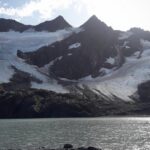
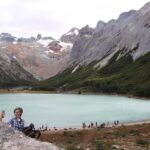
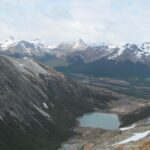
Eventually, you arrive at Laguna Esmeralda, tucked between mountains. This is the payoff moment: you stop, reset, and eat your provided lunchbox snack with non-alcoholic drinks. The view includes glaciers behind you, which makes the whole scene feel bigger than just a pond in the woods.
One practical truth: the lagoon area can be cold and windy, even in summer. When the sun is out, it can fool you. Then the wind hits and your hands notice first. That’s why waterproof winter clothing and warm layers are not optional. Wind in Patagonia-level areas doesn’t care what month you think you’re in.
Also, the snack stop is part of the experience, not just an extra. You’ll be outside in nature the whole time, so this is your planned moment to warm up a bit, catch your breath, and enjoy the view without rushing.


The return walk: dams, beavers, and long light at sunset
On the way back, you take advantage of a longer sunset window. That means the return isn’t just “go back the same way faster.” You’ll be outside with better natural light, which makes the whole valley feel different from when you arrived.
You’ll also look for features tied to the local environment—especially the dams built by foresters and beavers. Even if you’ve seen beaver activity elsewhere, this kind of setting (forested wet areas with stream flow) makes it feel more immediate. You’re not just reading about it. You’re seeing the signs around you while you walk.
This is also the point where good footwear matters again. If your boots aren’t waterproof and well insulated, the return can feel harsher than the outgoing climb because moisture builds up. If you’re prepared, the return feels like a victory lap. If you’re not, it becomes a slog.
Price and value: what $145 covers (and what you still need to budget)

At $145 per person for a 6-hour trek, the value is mostly in three things: guided expertise, transport convenience, and included trekking gear. You’re getting pickup and drop-off from Ushuaia hotels, a mountain guide, a lunchbox with non-alcoholic drinks, and trekking sticks.
The price also includes crampons during winter season. That’s a real cost saver if conditions are icy. Trekking poles and crampons aren’t cheap if you were to rent or buy them separately on the spot.
What’s not included is equally important for value:
- winter clothes for the activity
- extra food and drinks
- personal expenses
So I’d budget for your clothing first. If you’re arriving from warmer climates, the “not included” gear list can turn into the difference between a comfortable day and a miserable one. Once you’ve got the right layers, this becomes a solid, straightforward way to reach Esmeralda Lagoon with less stress.
What’s included on your day—and why it matters on uneven ground

Here’s what you can count on:
- Hotel pickup and drop-off in Ushuaia
- A mountain guide
- Lunchbox snack with non-alcoholic drinks
- Trekking sticks
- Crampons in winter season
Trekking sticks help with stability on uneven or muddy sections. They’re especially useful when the ground changes from bog-soft to forest-trail footing.
Crampons (in winter) are there for grip. Without them, icy patches can turn a scenic hike into a balance test. If you’re visiting during the colder months, treat crampons as a key part of safety planning, not just an extra item.
What to bring: waterproof layers, warm socks, and no last-minute surprises
Your packing list is clear, and it’s worth taking seriously because you’re outside the entire time. Bring:
- warm clothing
- a hat
- rain gear
- snow clothing
- socks
- a scarf
- warm shoes
The operator requires you to wear waterproof winter clothes and waterproof boots, and those are not provided. So if you only bring “fashion boots,” you’ll probably regret it.
If you want a quick self-check: ask yourself whether your footwear and outer layers are truly waterproof and warm enough for wind. At the lagoon, wind can be strong, and dryness matters.
One more practical note: there are no bathroom facilities. So plan your fluids and timing before you leave, and don’t count on an easy stop once you’re in the field.
Timing and pacing: what a 6-hour trek actually feels like
The total duration is 6 hours. Along the way, there’s driving time (about 20 minutes each way) plus a long guided stretch on foot (about 5 hours).
That 5 hours is the heart of the day. It’s not a light walk, and it’s not a short photo stop followed by a stroll. You’ll be trekking through varying terrain, including peat bog sections and a stream route.
If you want to enjoy the full day—including the return light and the lagoon views—pace yourself. Don’t try to treat this like a fitness race. Think of it as a guided hike that blends effort with payoff.
Who should book this trek—and who should skip it
This is a trekking excursion, so guests need good physical condition. It’s not built for everyone, and the limits are clearly stated:
- pregnant women
- people with mobility impairments
- people with respiratory issues
- people with low level of fitness
If any of those apply, it’s smarter to choose a different option. Cold wind, uneven ground, and the lack of bathroom facilities make this kind of trek harder than it looks on a map.
Who it fits well:
- people comfortable walking for long stretches
- hikers who understand “wet ground” and don’t mind getting muddy
- nature lovers who like learning about local wildlife and plants while walking
- travelers who can handle cold and wind without needing constant shelter
If you’re in good shape and properly layered, you’ll likely love how personal this feels—because you’re inside the environment, not just viewing it.
Health form requirement and the other must-knows
Before the activity, you must complete a health form. That’s not a paperwork nuisance; it’s part of ensuring you’re okay for a cold-weather trek with continuous outdoor time.
Also remember:
- you’ll be outside in nature for the entire duration
- there are no bathroom facilities
- waterproof winter clothes and boots are required and not provided
- you must complete the health form before going
If you’re the type who packs last-minute, now’s the moment to stop and double-check. This trek rewards preparation.
Should you book the Trekking Esmeralda Lagoon experience?
If you want a guided hike that mixes wetlands, forest trekking, and a lagoon payoff—without turning the day into a complicated logistics puzzle—this is a good fit. The biggest strengths are the variety on foot, the guide’s help in navigating rougher muddy sections, and the memorable stop at the lagoon even when it’s cold and windy.
I’d skip it if you hate getting wet, struggle with uneven footing, or need access to bathrooms during long outings. And if you don’t already have waterproof winter boots and layers, plan to source them before you go.
If you’re ready for a real outdoor trek in Tierra del Fuego, this one is worth your time—and it’s the kind of day that stays with you because you feel the terrain the whole way.
FAQ
How long is the Trekking Esmeralda Lagoon tour?
The duration is 6 hours total.
Where do you get picked up?
Pickup is from hotels in Ushuaia.
Does the tour include transport?
Yes. Pickup and drop-off from Ushuaia hotels are included.
How much of the time is guided on foot?
You’ll have a guided trekking portion for about 5 hours.
What language is the live tour guide?
The guide offers Spanish and English.
What’s included with the food?
You’ll receive a lunchbox with non-alcoholic drinks.
Are trekking sticks provided?
Yes, trekking sticks are included.
Are crampons included?
Crampons are included in winter season.
Will there be a bathroom on the trek?
No. There are no bathroom facilities during the trek.
What do I need to do before the activity?
You must complete a health form before participating.