REVIEW · KATHMANDU
Kathmandu Valley Rim Trekking – 3 days
Book on Viator →Operated by Eco Holidays Nepal · Bookable on Viator
Kathmandu’s rim trails are short, but they feel like a reset button. I like that this trek is built for an easygoing escape from city noise while still rewarding you with big Himalaya views at Chisapani and Nagarkot. I also like the simple, human pace: forest climbs, farm villages, and a quiet Hindu temple stop at Changunarayan.
The main thing to consider is weather. If clouds or rain roll in, the famous sunrise/sunset panoramas can turn gray, so you’ll want flexible expectations on view days.
In This Review
- Key highlights worth knowing
- A short trek that still feels like a real getaway
- Price and what you actually get for $380.67
- Day 1: Sundarijal water-shed climb to Chisapani
- Day 2: Rhododendron and pine forests to Nagarkot
- Day 3: Changunarayan temple time and the return to Kathmandu
- The guide makes a real difference on this kind of hike
- Weather: how it affects the big moments
- What’s included, what’s not, and how to pack smart
- Included
- Not included
- Packing approach for a cool-hill trek
- Is this trek right for you?
- Should you book Kathmandu Valley Rim Trekking?
- FAQ
- How long is Kathmandu Valley Rim Trekking?
- What is the price per person?
- Where does the trek start and end?
- Is hotel pickup included?
- Is this a private tour?
- What meals are included?
- What is not included in the price?
- Are fees and admission tickets covered?
- Which stops are part of the trekking route?
- Can I cancel and get a full refund?
Key highlights worth knowing
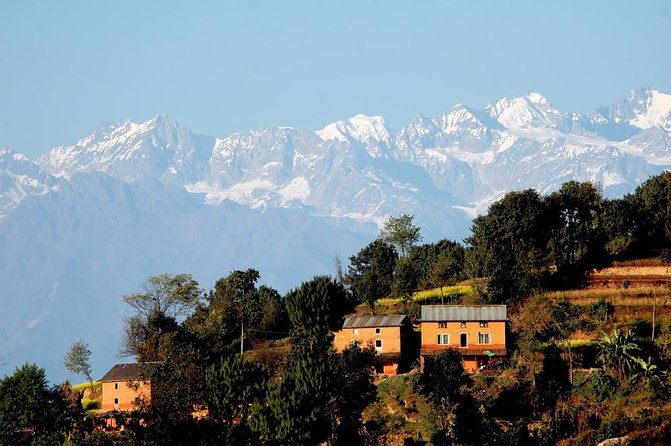
- Forest-to-farm walking around the Kathmandu valley rim, with cool woodland sections and village paths
- Chisapani sunrise potential plus an overnight in a local lodge setting with open mountain outlooks
- Nagarkot sunset and sunrise from a hilltop town known for clear-sky views
- A temple detour at Changunarayan to see pagoda-style Vishnu architecture and slow down for cultural time
- Private tour feel with your own group and professional guide handling the moving parts
A short trek that still feels like a real getaway
This is the kind of trekking trip you do when you want Nepal’s hill life without committing to a long trek. The Kathmandu Valley Rim Trekking loop stays close enough to the capital to make logistics manageable, but it puts you up on rolling hills where the air feels cooler and the walking turns scenic fast.
I like that the route is designed as a true change of rhythm. You start on the north/east rim side of Kathmandu, climb through forested water-shed areas, then spend the next days moving between hilltop viewpoints and small farming communities. It’s not a “march for miles” style outing. It’s more about steady progress with breaks for views and for watching daily life in motion.
And yes, the views are the headline. On clearer mornings, you get outlooks toward the Central Himalaya range. On less clear days, the hills still have charm: rhododendron, pine, fir, and the textured patchwork of terraces.
You can also read our reviews of more tours and experiences in Kathmandu.



Price and what you actually get for $380.67
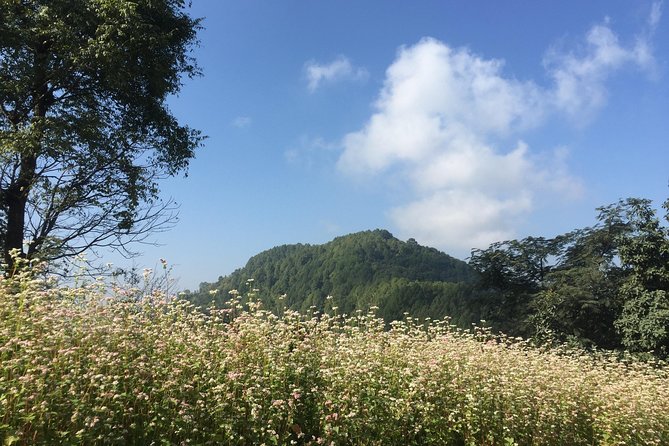
At about $380.67 per person for roughly 3 days, you’re paying for more than walking days. Your cost covers private transportation, a professional guide, all fees and taxes, and the core meal plan (breakfast and lunch plus two dinners, as listed).
That matters because Nepal hikes can get messy when you’re trying to coordinate everything yourself: getting to trailheads, handling permits/entries where required, and keeping food timed with the walk. Here, you get a structured plan with meals included, which reduces decision fatigue. You’re paying for the “someone handles it” part, not just the trek route on a map.
What’s not included is also important to budget. Hot or cold beverages and soft or hard drinks are not part of the package, and travel insurance isn’t included. If you like tea/coffee with every break, plan for that add-on. If you prefer packing your own habits, you’ll likely be fine, but it’s still a factor.
Day 1: Sundarijal water-shed climb to Chisapani
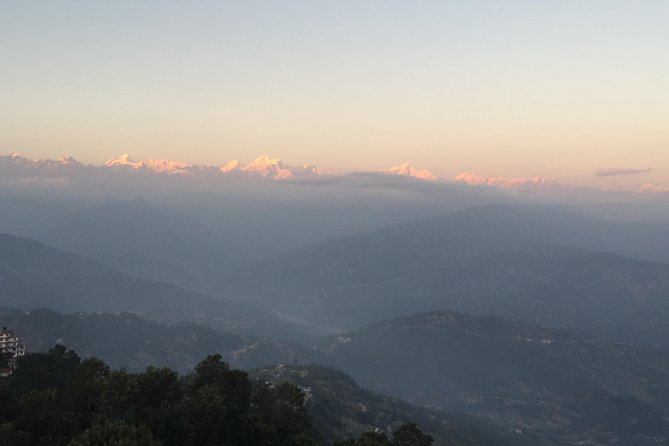
You begin with a morning departure from your Kathmandu hotel area and drive toward Sundarijal, on the north-eastern side of the rim. The route takes you past Boudhanath before you start the real walking climb.
From Sundarijal, you head up through cool, forested terrain linked to the water system that supplies Kathmandu city. This part feels grounded and practical. You’re not just hiking for views. You’re moving through a living landscape tied to how the valley functions.
After the climb, the trail comes into Tamang farm villages, including a stop around Burlung Bhanjyang. You’ll transition from farm edges into dense woodland, and then the route opens to a hilltop area with a broad green field at Chisapani.
Chisapani is where the trek’s “reset” mood clicks. You get a lodge stay, and the setting is made for sunrise. If the morning clears, the panoramic Himalayan views can be spectacular from the comfort of your accommodation area. If it doesn’t clear, you still get quiet hill air and a gentler end to a full walking day.
Practical note: Day 1 is listed at around 10 hours, so treat it like a long hike day, not a casual stroll.
Day 2: Rhododendron and pine forests to Nagarkot
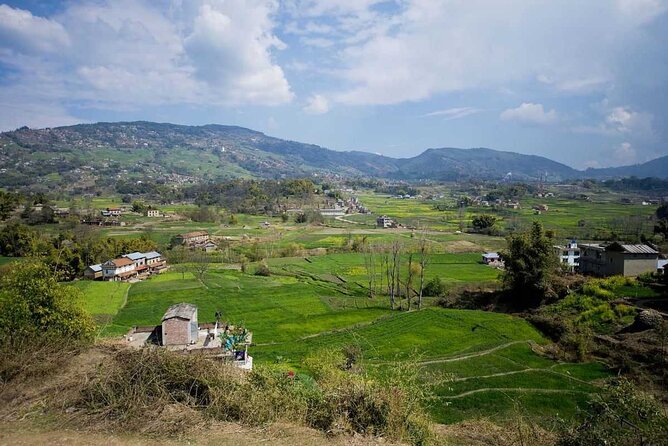
The second morning starts with a gradual, winding walk through rhododendron and pine forest. This is the part that makes the trek feel like a proper hill journey rather than a series of transfers. You’re walking through greenery with changing light as you gain and lose elevation.
The route heads downhill to Chowki-Bhhanjyang, described as a small farm village with outlooks toward the eastern side of the Kathmandu valley rim. After a short break, you continue on gradual scenic paths for several hours, passing places like Jarsing Pawa.
Then the trek turns more explicitly “rim trekking.” You divert toward a higher hill section, drop again toward Kartike Bhanyang, and finally push uphill to Nagarkot for the overnight. That pattern is classic for short rim hikes: climb into the view zone, then descend into village/ridge connections, then climb again.
Nagarkot is famous for a reason. It sits around 1,932 to 2,100 meters and is well known for sunrise and sunset. Even if the Himalaya views are partly blocked by clouds, Nagarkot still delivers a hilltop feel: fresh air, space, and the sense of being perched above the valley.
Another practical note: Day 2 is also listed at about 10 hours, so plan for a second solid walking day.
Day 3: Changunarayan temple time and the return to Kathmandu
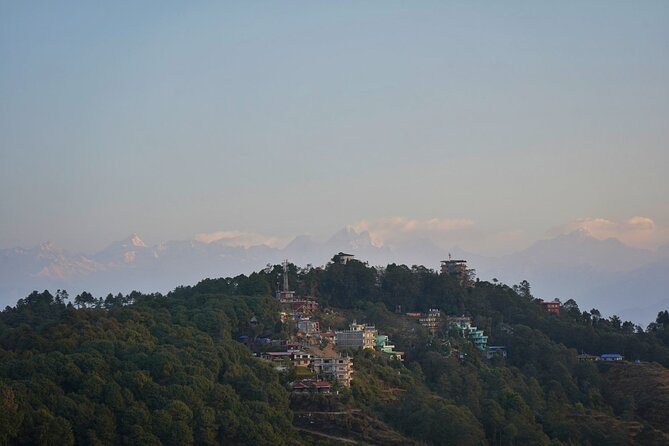
Day 3 is the easy release valve. You start with downhill walking past farm villages and terrace fields, moving from the hill trail environment into a cooler forest patch.
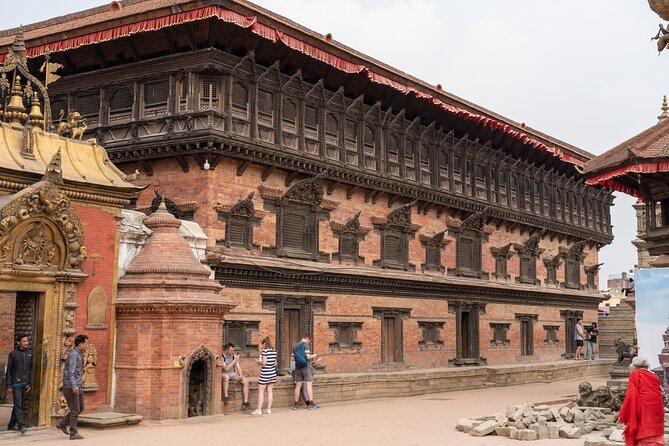
Then you reach Changunarayan, a small town focused on the Changunarayan Temple premises. This stop is a cultural pivot: instead of chasing viewpoints all morning, you slow down for a temple visit.
The temple is dedicated to Lord Vishnu and is known for pagoda-style architecture. This is one of those moments where you’ll appreciate the guide’s role. Even when you’re not studying religion deeply, having someone explain what you’re looking at helps you understand why this site matters and what details to pay attention to.
After temple time, you drive back toward Kathmandu. The rest of the afternoon is free for leisure and souvenir shopping, so you can decide how you want to end the trip: a relaxed meal, a quick shopping loop, or just a long rest.
Day 3 is listed at about 1 hour for the stop portion, which is a nice contrast to the longer walking days.




The guide makes a real difference on this kind of hike
A short trek still has lots of moving parts: timing meals, navigating trails and village sections, and keeping you on the correct rim route. That’s why having a professional guide matters here.
From past experiences connected to this operator, the names Sagar Ghising and Dhurba have been credited for smooth handling of guidance and management. You shouldn’t expect the exact same person every time, but it’s a good sign that the human side of the service is taken seriously, not treated as an afterthought.
If you want the trek to feel more than “walk from A to B,” ask your guide about two things:
- What time of day the viewpoints tend to clear, and how to position yourself for sunrise or sunset
- Simple context about the villages you pass, especially around Tamang farm communities and daily life rhythms
Weather: how it affects the big moments
This trek is famous for its view windows. That means weather is the main variable that can change your experience. One rainy scenario can wash out the mountains, and you’ll feel it most on the sunrise/sunset days at Chisapani and Nagarkot.
So here’s my practical take: treat the views as a bonus, not the only reason to go. When visibility is limited, the forest walking, village scenery, and temple stop still deliver a full experience. You’re still moving through a real rim ecosystem with forests, farmland, and cultural sites.
If you’re aiming for the best chances, you’ll want to be ready for an early wake-up routine in hill towns (and accept that you can’t control clouds).
What’s included, what’s not, and how to pack smart
Included
The package covers:
- Private transportation
- Professional guide
- All fees and taxes
- Meals: 2 breakfasts, 3 lunches, and 2 dinners
- Admission ticket coverage is listed as free for the major stop days
- Mobile ticket and confirmation at booking
Not included
You’ll need to plan for:
- Hot or cold beverages
- Soft drinks and hard drinks
- Travel insurance
Packing approach for a cool-hill trek
The itinerary highlights cool forested areas and hilltop mornings. You’ll do best with layers you can adjust while climbing and descending. Bring footwear that feels reliable on uneven village paths and forest ground. A daypack with rain protection is also smart since weather can shift quickly in mountain regions.
And because beverages aren’t included, decide early how you’ll handle water and tea/coffee breaks. Keeping that simple makes the long walking days feel easier.
Is this trek right for you?
You’ll likely enjoy Kathmandu Valley Rim Trekking if you want:
- A short (3-day) experience that still feels like a “real” hike
- A mix of nature (forest and hill paths), villages, and one meaningful temple stop
- A guided trip where transport and meal timing are handled
You might want to reconsider if:
- You’re only happy when you get clear mountain views every day (rain can reduce visibility)
- You want a very light day-by-day schedule, since two days are listed around 10 hours of walking time
For most people who can handle long walks on uneven paths, this fits well. The experience is described as suitable for most travelers.
Should you book Kathmandu Valley Rim Trekking?
I think it’s worth booking if you’re chasing a short Nepal hill experience with fewer headaches. The best value comes from the mix of what’s included: transport, guide, and meals, plus two nights that let you experience hilltop mornings at places like Chisapani and Nagarkot.
Book with the mindset that weather can shape the view, not your overall trip quality. If you can enjoy forests, village life, and a temple visit even on muted days, you’ll come away feeling like you escaped Kathmandu in a meaningful way.
One final tip before you decide: ask yourself if you enjoy walking for 10 hours on day 1 and day 2. If yes, this is a strong, efficient way to see a slice of the Kathmandu rim.
FAQ
How long is Kathmandu Valley Rim Trekking?
The trek is listed as about 3 days.
What is the price per person?
The price is listed as $380.67 per person.
Where does the trek start and end?
It starts at Tribhuvan Airport, Kathmandu, Nepal, and ends back at the meeting point.
Is hotel pickup included?
Private transportation is included, and pickup is offered.
Is this a private tour?
Yes. It’s described as a private tour/activity, so only your group participates.
What meals are included?
The package includes 2 breakfasts, 3 lunches, and 2 dinners.
What is not included in the price?
Hot/cold beverages and soft or hard drinks are not included, and travel insurance is also not included.
Are fees and admission tickets covered?
All fees and taxes are included, and admission ticket costs are listed as free for the main stop days.
Which stops are part of the trekking route?
Key stops include Chisapani, Nagarkot, and Changunarayan Temple premises.
Can I cancel and get a full refund?
Free cancellation is offered. You can cancel up to 24 hours in advance for a full refund.