REVIEW · KATHMANDU
Adventurous Annapurna Base Camp Trekking
Book on Viator →Operated by Adventure Thirdpole · Bookable on Viator
Snow peaks meet real village life here. The Annapurna Base Camp experience gives you the classic promise: a night at the mountain amphitheater and up-close views of Annapurna I, plus a route that mixes Himalayan drama with lived-in Gurung/Buddhist culture. I also really like the Poon Hill sunrise push (torch-lit starts, then that ridge-time panorama). The main drawback to plan around is weather: clouds can swallow views, and your best-sightings day depends on it.
I found the logistics refreshingly structured for a trek this big—airport pickup is offered, the group stays together as one unit, and you’re not carrying the whole load because you get a porter for every two people. On top of that, Kathmandu and Pokhara aren’t tacked on—they’re built in with a full heritage day and real lakeside downtime. Still, you’ll need a moderate fitness level and the willingness to climb a lot of steps, including some long uphill stretches.
One more thing I’d flag: gear like a sleeping bag and down jacket isn’t included, so you’ll want to show up properly layered. And since the trek requires good weather, you should mentally budget for at least one day when the mountains don’t fully show themselves.
In This Review
- Key things I’d circle on your shortlist
- Annapurna Base Camp’s real magic: the views plus the rhythm
- Kathmandu to Pokhara: start strong, then earn the mountains
- Kathmandu heritage day: temples, squares, and a useful mental reset
- Pokhara and Fewa Lake: the calm before the uphill
- Ulleri and Ghorepani: steps, bridges, forests, and first panorama payoffs
- Poon Hill sunrise: the torch hike you’ll remember
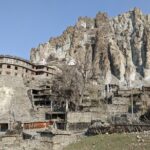
- Chhomrong and Ghandruk: Gurung settlements and the Annapurna bowl feeling
- The final days to Annapurna Base Camp: glacier views and 360-degree amphitheater energy
- Downhill to Jhinu hot springs: sheep farms, steep descents, and recovery time
- Pokhara and Kathmandu wrap-up: last views and an easy finish
- Price and logistics: what $1,650 buys in real comfort
- Who should book this ABC trek, and who should reconsider it
- Should you book Adventure Thirdpole’s Annapurna Base Camp trekking experience?
- FAQ
- Where does the trek start and end?
- How long is the Adventure Thirdpole Annapurna Base Camp trek?
- Is pickup offered?
- Is the tour private or shared?
- What kind of guide and porter support is included?
- What permits are included?
- Are meals included during the trek?
- What equipment is not included?
- What happens if the weather is poor?
- Do I need travel insurance?
Key things I’d circle on your shortlist
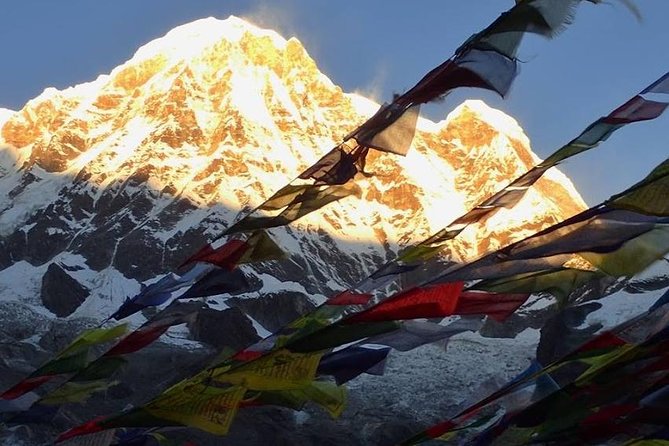
- Base-camp night for the closest Annapurna views instead of just passing through
- Poon Hill sunrise timing with a pre-dawn torch hike and ridge views
- Gurung villages + Buddhist culture that make the route feel human, not just scenic
- Porter support (1 porter for every two persons) to keep you moving comfortably
- Permits handled (TIMS + Annapurna Conservation Area Permit/ACAP)
Annapurna Base Camp’s real magic: the views plus the rhythm
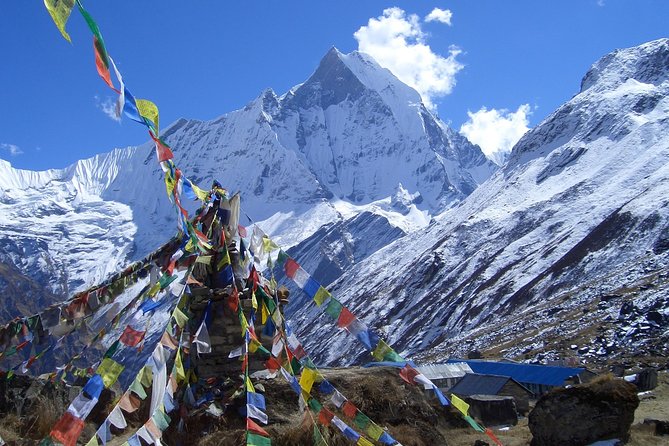
Annapurna Base Camp is famous for a reason, but the best part isn’t only the destination sign. It’s the slow build-up: you gain altitude day by day, forests thin out, and the mountains start looking bigger than your map ever suggested. Even if the sky turns gray one afternoon, the trekking rhythm keeps you busy—villages, suspension bridges, lodges, and that steady upward grind.
I also like that the itinerary doesn’t just aim for a summit-style photo. It gives you time for the key “why this trek matters” moments: a night at base camp, a Poon Hill sunrise, and multiple days where the Annapurna Sanctuary feels like an actual bowl of towering walls.
The other big plus is the team culture. In past departures, the guides (including Raj, along with Deepak, Mahila, and Ram) have been described as prompt and caring, and that matters when you’re making the mountains work with real-world conditions like haze or bad weather.
You can also read our reviews of more tours and experiences in Kathmandu.
Kathmandu to Pokhara: start strong, then earn the mountains
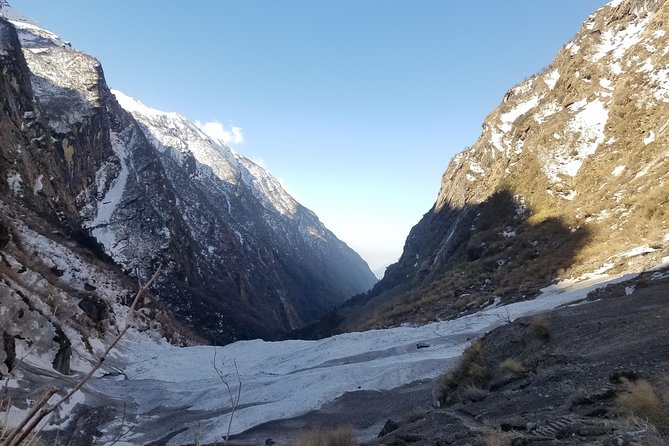
Most trekking companies toss you into a bus and call it a plan. This one works the other way: you get a proper intro week before the trail even starts.
Day 1 is a straightforward Kathmandu arrival day. You’re met at the airport, transferred to your hotel, and given time to recover. In the evening, there’s a welcome dinner and introductions to your trekking crew—useful because you’ll be living close to them for about two weeks.
Day 2 is Kathmandu Valley heritage sightseeing. You visit four World Heritage sites: Pashupatinath Temple, Kathmandu Durbar Square, Swayambhunath (Monkey Temple), and Bouddha Nath. It’s a lot to pack into one day, but it gives you context for the religious and cultural backdrop you’ll see again on the trail.
Then Day 3 shifts you to Pokhara with a tourist bus ride. You travel alongside the Trisuli and Marshyangdi rivers and pass rural villages, which helps you read the geography before you enter the foothills of the Annapurna region. When you arrive, you check into a hotel, then you get Fewa Lake boat time plus a short walk around the lakeside area.
Why this matters for your trek: you’re less likely to arrive tired, grumpy, or underprepared. And you’re also more likely to appreciate what you’re seeing once you start hiking—because you’ve already learned where you are.
Kathmandu heritage day: temples, squares, and a useful mental reset
If you’re worried about the time you spend before the trail, the Kathmandu day is at least purposeful. Pashupatinath shows the spiritual edge of Nepal; Durbar Square gives you the city’s layered history and street-level energy; Swayambhunath adds that hilltop view feeling, even before the real Himalayan climbs start; and Bouddha Nath reminds you how prominent Buddhism is here.
A small practical note: expect crowds and walking on uneven surfaces around temples and monuments. Wear shoes you can trust, not brand-new sandals, because you’ll be using your legs a lot more in the days ahead.
Pokhara and Fewa Lake: the calm before the uphill
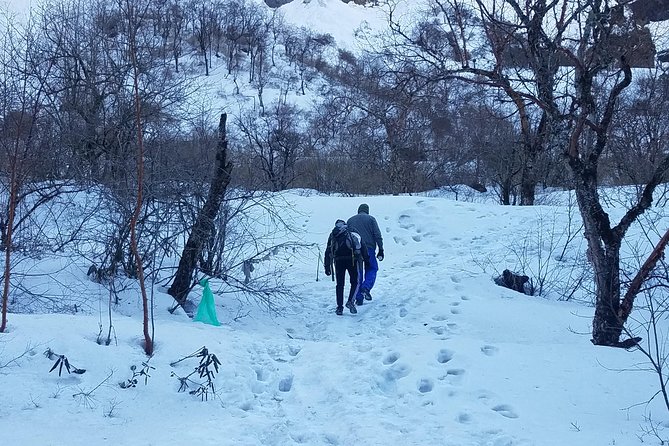
Pokhara is where Nepal changes tone from city bustle to mountain air. The program gives you just enough free movement—hotel check-in, then boating on Fewa Lake and light walking around the lake area.
This part of the trip helps in two ways. First, it gives your body time to settle after the road. Second, it keeps your confidence up: before you start climbing, you see that the region is built for travelers, not just hikers.
If you want a simple strategy: use this day to plan your trek gear. You don’t need to overthink it, but you do need to confirm you have what’s not included—especially a sleeping bag and a down jacket.
Ulleri and Ghorepani: steps, bridges, forests, and first panorama payoffs
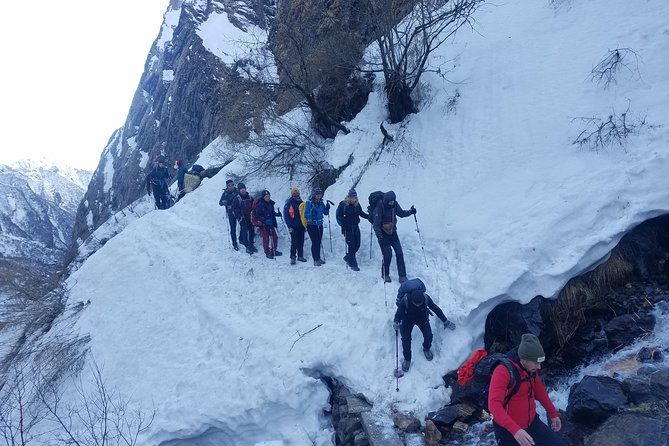
Day 4 begins the trek for real. You drive to Nayapul, start hiking, and get your first permit check at Birthanthi village. The trail passes waterfalls and forest, crosses the Modi Khola, and heads toward Thikhe Dhunga and Ulleri.
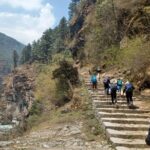
Ulleri is a classic “you earn your view” night. The itinerary calls out climbing almost 3000 steps to reach the lodge area, plus crossing two suspension bridges near Tikhedungda. It’s the kind of day where pacing matters more than speed. Take breaks before you feel crushed; the reward comes later.
Day 5 shifts you toward Ghorepani. The climb is more gradual, and you start seeing Annapurna South and Hiun Chuli from higher points. You’ll walk through dense rhododendron and oak forests, plus village stops like Banthanti and Nangethani.
When you reach Ghorepani, you still hike about 10 minutes to reach a ridge for panoramic views of the Dhaulagiri and Annapurna ranges. This is one of those “short extra effort, big payoff” moments. It’s also a reminder that the trek is never just one long hike—it’s a series of mini-quests.
Potential drawback here: forest days can feel long if it’s raining or misty. Still, it’s a good tradeoff early on, because you’re not yet at the thin-air stress point.
Poon Hill sunrise: the torch hike you’ll remember
Day 6 is built around Poon Hill. You get a wakeup call and head out early for sunrise views from 3210m. The itinerary is clear that you’ll be walking in the dark with torch light, then reach Poon Hill after about 45 minutes.
Half an hour up there can feel short when the mountain show is on. The views you’re chasing are of the broader Annapurna and Dhaulagiri ranges—exactly the kind of panorama that makes the entire trek feel worth it.
After sunrise, you head back for breakfast, then continue trekking toward Tadapani (2650m) via Deurali and Banthanti. Along the way, you might see monkeys and birds, and Tadapani itself gives close looks at Annapurna South, Hiun Chuli, and the Fishtail (Machapuchare).
This is also where your mind starts switching from “can I do this?” to “I can actually see things.” That mental shift is a real benefit.
Chhomrong and Ghandruk: Gurung settlements and the Annapurna bowl feeling
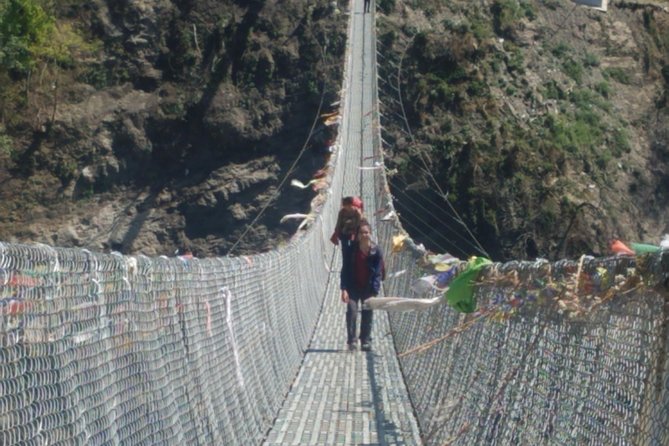
Day 7 takes you downhill for about two hours, then back up toward Chhomrong. You cross a small stream, gradually climb through Gurung settlement areas, and rest in Chhomrong, described as a bigger Gurung community.
The schedule also includes breakfast, lunch, and dinner today, which is helpful on a day when you’re building fatigue. Chhomrong is the kind of place where you can watch the trail world around you while your legs recover.
Day 8 moves you to Ghandruk. You start with a morning view from Chhomrong, then trek toward Himalaya through Bamboo and Dovan. The route becomes different from earlier days: a deep gorge, banks of the Modi River, and a steady soundscape of water and birds.
You may also spot wildlife like monkeys and Himalayan goats. Even when you don’t, the gorge-and-river walking gives you focus. It pulls your attention away from counting steps every minute.
One consideration: river days can mean more slippery footing if it’s wet. Watch your footing and don’t rush descents.
The final days to Annapurna Base Camp: glacier views and 360-degree amphitheater energy
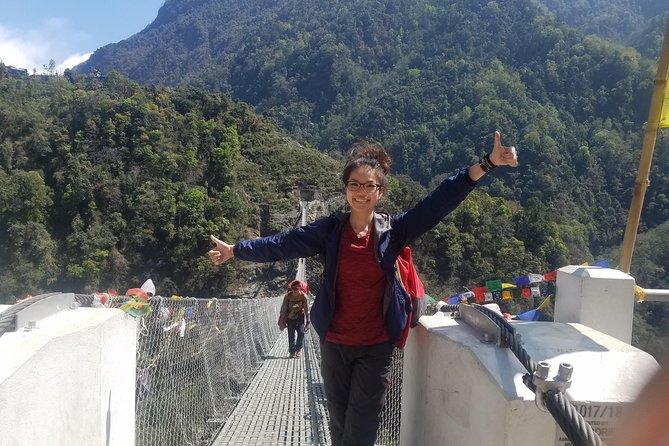
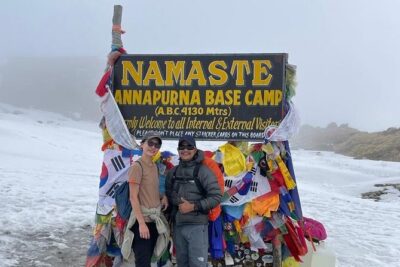
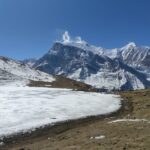
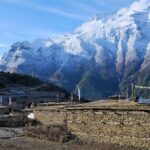
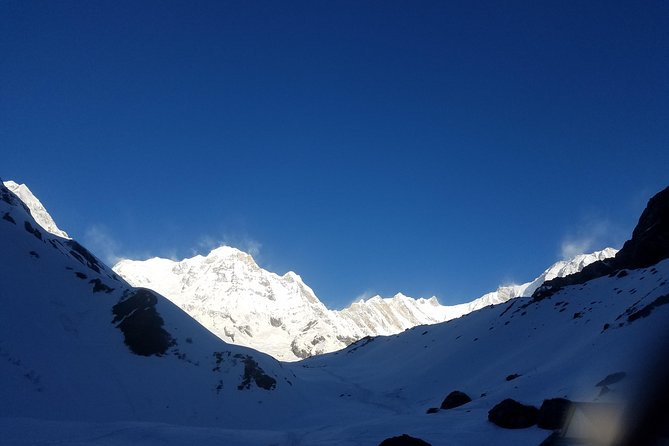
Day 9 is the big arrival day toward Annapurna Base Camp. You hike into a world framed by snow-capped peaks, and the itinerary notes the afternoon includes a close view of Annapurna I’s glacier, with views extending across Annapurna South, Hiun Chuli, the Fishtail, and Annapurna III.
This is where the trip earns its “classic trek” reputation. Base camp is not a dramatic climb you do once and leave—it’s a place you reach after many days of incremental effort. The longer you stay there, the more you understand why the Annapurna Sanctuary is described like a natural amphitheater. The mountain walls feel close; the sky feels wide.
Day 10 starts with an early wakeup for sunrise photos, then breakfast after the morning rays hit the mountains. After that, you head back down to Bamboo, losing almost 2000 meters in about 6–7 hours.
That descent is a real body factor. Your quads will feel it. This is where trekking poles can save you—if you have them.
Downhill to Jhinu hot springs: sheep farms, steep descents, and recovery time
Day 11 continues the descent toward lower villages. You climb about 30 minutes to Khuldighar, the experimental sheep farm, then follow a gradual up and flat section before continuing downhill toward Sinuwa. The itinerary describes then crossing Chhomrong Khola and climbing back toward Chhomrong village.
From Chhomrong, the trail descends very steeply for about one hour to Jhinu. Then you drop your bags and go for a bath on the hot springs, descending to Modi Khola river.
Hot springs are a classic trekking reward for a reason. Your legs get work-worn, and soaking is the simplest way to feel human again. It’s not a magic reset, but it makes the final travel days more comfortable.
Day 12 finishes the trek: you leave Jhinu, descend, cross the river, and follow flat walking all the way to Birethanti, then return to Nayapul. Your vehicle is waiting for the drive back to Pokhara, followed by hotel check-in and a happy-hour style downtime program.
This is also your last day to eat without the constant “next meal at altitude” mindset. Use it to refuel.
Pokhara and Kathmandu wrap-up: last views and an easy finish
Day 13 brings you back to Kathmandu. You can either drive or take a 30-minute flight at additional cost, then you end with a farewell dinner.
Why that matters: the trip gives you closure. You’re not rushing straight from hot springs into a full day of long travel without any buffer.
Day 14 is your departure day. You head to Tribhuvan International Airport based on your schedule, returning you to the meeting point area at the end of the experience.
Price and logistics: what $1,650 buys in real comfort
At $1,650 per person, you’re paying for more than the trekking route. You’re paying for a managed operation that includes land transfers across the Kathmandu and Pokhara parts, accommodation in Kathmandu and Pokhara, and a professional guide for the trek itself.
You’re also paying for the parts that reduce stress: the trip covers TIMS and the Annapurna Conservation Area Permit (ACAP), and you get porter support (one porter for every two people). That porter ratio matters because it keeps you trekking longer with less strain, especially on the steep and step-heavy days like Ulleri.
Meals are also included where specified: the itinerary lists breakfast 11 times, lunch 9 times, and dinner 11 times. That reduces the constant decision-making that can drain your energy on a trek.
What’s not included is just as important: travel insurance (not optional per the booking condition), medical evacuation in an emergency, sleeping bag and down jacket, and personal items like drinks and tips. If you’re underpacked, you may spend extra money or feel worse on the trail.
The value angle I’d use to decide: if you’re the type who wants a well-run trip, minimal paperwork on permits, and real human support on the mountain days, this price starts to look fair. If you’re experienced and want to self-organize everything, you might find cheaper options—but you’ll also take on more risk and admin work.
Who should book this ABC trek, and who should reconsider it
This experience fits best if you want the classic Annapurna Base Camp route with key landmarks built in: Poon Hill sunrise, Gurung village culture, a base camp night, and the hot springs day to close out the trek.
It’s also a good fit if you prefer group structure. This is a private tour where only your group participates, and you’ll have a professional guide plus porter support for every two people.
You should think twice if you’re uncomfortable with altitude or the idea of daily hiking with climbs and descents. The trip calls for moderate physical fitness, and the trail includes demanding days like the Ulleri step climb and steep descent sections near Chhomrong to Jhinu.
And plan around weather. The itinerary clearly requires good weather; when conditions aren’t great, visibility can suffer and the mountains can feel distant.
Should you book Adventure Thirdpole’s Annapurna Base Camp trekking experience?
If you want a well-managed Annapurna Base Camp trek that covers the important cultural warm-up in Kathmandu, the lakeside reset in Pokhara, and the big trekking hits (Poon Hill, the base-camp night, and hot springs), I’d say this is a strong choice.
The best reasons to book are practical: permits handled, guide support, a porter ratio that keeps you comfortable, and meals that reduce daily uncertainty. If you’re the type who likes a plan that still leaves room for weather reality, you’ll likely appreciate how the team handles disruptions with calm decisions like switching plans when haze or bad weather changes what’s possible.
Just don’t forget to pack what’s not included. A sleeping bag and down jacket can make the difference between tolerable nights and miserable ones. If you show up prepared and you’re honest about your fitness, you’ll get the Annapurna experience this route is famous for.
FAQ
Where does the trek start and end?
The experience starts at Kathmandu Guest House, Saathgumti-16, Kathmandu 44600, Nepal, and it ends back at the same meeting point.
How long is the Adventure Thirdpole Annapurna Base Camp trek?
It’s listed as 14 days approximately.
Is pickup offered?
Pickup is listed as offered as part of the experience.
Is the tour private or shared?
This is a private tour/activity, so only your group participates.
What kind of guide and porter support is included?
A professional guide is included, and there is one porter for every two persons.
What permits are included?
TIMS and the Annapurna Conservation Area Permit (ACAP) are included.
Are meals included during the trek?
Meals where specified in the itinerary are included, with breakfast listed 11 times, lunch 9 times, and dinner 11 times.
What equipment is not included?
Sleeping bag and down jacket are not included.
What happens if the weather is poor?
The experience requires good weather. If it’s canceled due to poor weather, you’ll be offered a different date or a full refund.
Do I need travel insurance?
Travel insurance is listed as mandatory for booking, and medical evacuation is not included.